
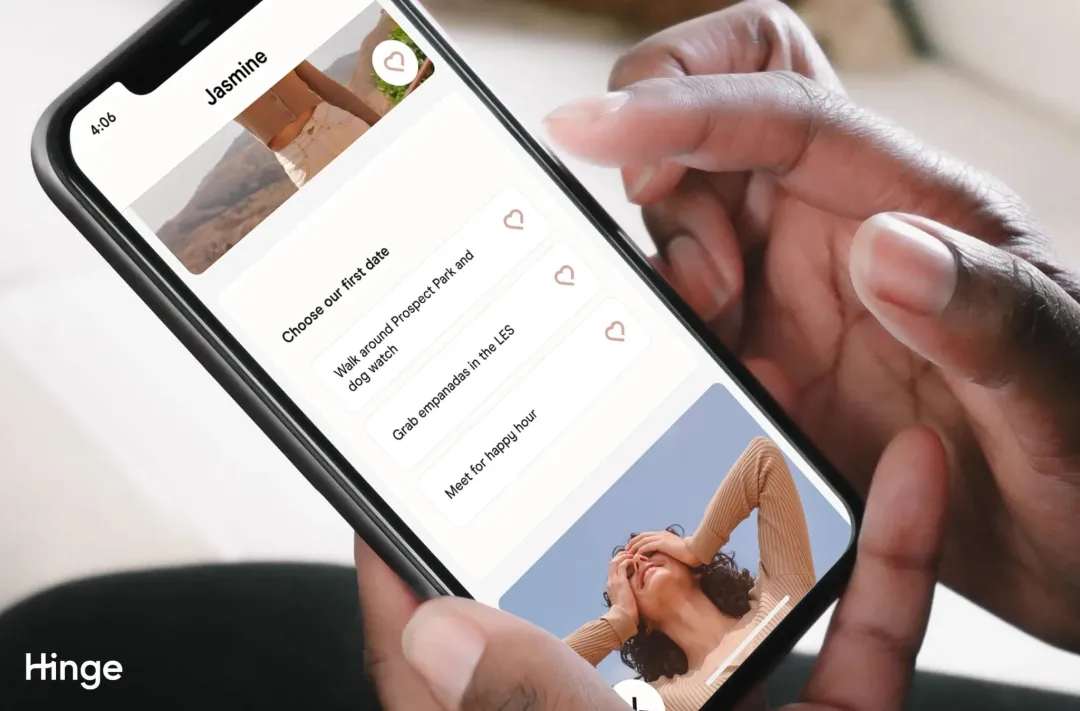
Strategic Shift in Hinge’s Monetization
The new Hinge subscription tier is designed to be more budget-friendly than its existing premium options, though Match Group has yet to disclose specific pricing details. According to Steve Bailey, Chief Financial Officer of Match Group, this tier will introduce features such as enhanced filters and custom location boundaries, providing users with greater autonomy over their matches and potential meet-up locations. Bailey explicitly stated, "It’s designed for women in particular, but also for price-sensitive users." This targeted approach underscores a recognition of distinct user segments within the dating app ecosystem, particularly the influential role of women in platform engagement and safety perceptions.
Hinge, known for its focus on serious relationships and its slogan "designed to be deleted," currently stands as one of Match Group’s higher-priced offerings. Bailey highlighted this, noting, "Remember that Hinge is one of the highest-priced products we have. The revenue per payer, for example, at Hinge is almost twice that of Tinder, around $30." Despite its higher average revenue per payer (ARPP), Hinge also exhibits a lower payer penetration compared to its sibling apps, with its paid user percentage only slightly more than half that of Tinder. This new, more affordable tier aims to address this penetration gap, converting a larger proportion of its active user base into paying subscribers by lowering the financial barrier to entry.
This move represents a notable evolution in Hinge’s monetization strategy. In 2023, the company had explored the opposite approach, experimenting with a more expensive tier, reportedly priced at $60 per month, which was aimed at a niche segment of users willing to pay a premium for advanced features. The current shift toward a cheaper option suggests a recognition that while a high-value, high-price tier might appeal to a select few, a more accessible price point could unlock significant growth in overall paying subscribers and market share, particularly amidst widespread economic pressures and consumer caution regarding discretionary spending.
Match Group’s Financial Landscape: Hinge’s Rise and Tinder’s Challenges
The decision to introduce a cheaper Hinge subscription plan is particularly interesting given Hinge’s robust performance in the third quarter of 2026. Hinge significantly outperformed its flagship counterpart, Tinder, demonstrating strong growth metrics. The app reported a 12% year-over-year increase in global monthly active users, a 19% rise in direct revenue, and a 23% surge in paying users, reaching 2.3 million subscribers by the end of the quarter. Hinge generated $221 million in direct revenue, which encompasses earnings from subscriptions and in-app purchases, illustrating its increasing importance within Match Group’s portfolio.
In stark contrast, Tinder, historically Match Group’s dominant revenue generator, faced headwinds during the same period. While Tinder still commanded a substantial direct revenue of $480 million, this figure represented a slight 2% decline year-over-year. Its paid user base also contracted, experiencing a 4% decline from the previous year to 8.9 million subscribers. This divergence in performance underscores a broader shift in user preferences and market dynamics, where Hinge’s relationship-oriented focus appears to resonate more strongly with current consumer demands, while Tinder grapples with evolving user expectations and intensified competition.
The strategic importance of Hinge’s continued growth cannot be overstated for Match Group. As Tinder navigates a period of stagnation, Hinge serves as a critical engine for overall company revenue and user expansion. By introducing a lower-priced subscription, Match Group aims to capitalize on Hinge’s momentum, converting a larger segment of its rapidly expanding user base into paying customers without necessitating the significant upfront investment associated with its current premium tiers. This could prove crucial for sustaining Match Group’s financial health and market leadership in the long term.
The Broader Context: Subscription Fatigue and Dating App Weariness
Match Group’s proactive adjustments to its monetization strategy for Hinge are set against a backdrop of increasing "subscription fatigue" and a growing disillusionment with dating apps across the consumer landscape. This phenomenon is not unique to the dating sector but is a prevalent trend where consumers, overwhelmed by an abundance of monthly subscriptions for various services (streaming, productivity tools, gaming, fitness, etc.), are becoming more selective and critical of their recurring expenses.
For dating apps specifically, this fatigue is compounded by several factors:
- Endless Swiping: Many users report feeling exhausted by the perpetual cycle of swiping, matching, and initiating conversations that often lead nowhere.
- Perceived Lack of Value: A significant portion of users questions whether premium features truly deliver a superior dating experience or a higher success rate, especially when the core free functionalities often suffice for basic interaction.
- Monetization Pressure: Constant prompts to upgrade or purchase in-app credits can detract from the user experience, leading to frustration.
- Emotional Toll: The inherent nature of online dating can be emotionally draining, with experiences ranging from ghosting to superficial interactions, contributing to overall app weariness.
These factors contribute to a scenario where users are increasingly scrutinizing the value proposition of paying for dating app subscriptions. The industry faces the challenge of convincing a fatigued audience that premium features are not just additional perks but essential tools that genuinely enhance their chances of finding meaningful connections. Hinge’s move to a cheaper tier can be interpreted as an attempt to lower the psychological and financial barrier to premium features, hoping that a taste of enhanced control and visibility at a reduced cost will demonstrate tangible value.
Match Group’s Holistic Approach to User Engagement
Recognizing that cheaper subscriptions alone are unlikely to be a panacea for the deeper issue of user fatigue, Match Group is simultaneously pursuing a broader, more holistic strategy to reinvigorate its platforms and redefine the dating app experience. The company acknowledges that to retain and attract users, its platforms must evolve beyond the traditional one-on-one matching paradigm.
Recent initiatives highlight this shift towards more social, real-world, and dynamic interaction models:
- Group Hangouts (Tinder): Launched in late 2026, this feature allows users to form groups and connect with other groups, mimicking more organic social interactions. It aims to reduce the pressure of one-on-one dating and facilitate connections in a less intimidating, more casual environment.
- Events (Tinder): Expanding in 2026 to dozens of cities, Tinder Events provide curated opportunities for users to meet in person at various social gatherings, festivals, or activities. This initiative directly addresses the desire for "IRL" (in real life) connections and attempts to bridge the gap between online matching and offline interaction.
- Real-time Adaptive Recommendations (Tinder): Announced during Match Group’s CEO Connection presentation in September 2026, this feature is slated for testing in the fourth quarter. It aims to revolutionize the matching algorithm by allowing Tinder to respond to user actions within seconds, rather than hours. The goal is to make recommendations significantly more relevant and personalized, thereby improving the quality of matches and reducing the perception of endless, unproductive swiping. By learning from immediate user behavior, the system can dynamically adjust suggestions, potentially leading to more satisfying and efficient user journeys.
Match Group plans to significantly ramp up these diversification efforts in the fourth quarter, indicating a concerted push to transform its platforms from mere dating apps into broader social discovery tools. This strategy aims to cater to a Gen Z audience that increasingly values authentic social connections and experiences over purely romantic encounters, and who may be looking for community and friendships as much as romantic partners.
Implications and Future Outlook
The introduction of a cheaper Hinge subscription plan carries several significant implications for Match Group and the broader online dating industry.
For Match Group, it represents a strategic diversification of revenue streams within its most successful growth engine. By expanding Hinge’s payer penetration, the company aims to solidify its market position and reduce reliance on Tinder’s performance, which has shown signs of plateauing. This dual approach – offering both premium and more accessible tiers – could maximize subscriber acquisition across different user segments. It also signals a willingness to experiment and adapt to evolving consumer expectations, which is crucial for long-term survival in a dynamic tech landscape.
For the dating app market, Hinge’s move could trigger a competitive response. Other dating platforms might feel pressure to re-evaluate their own subscription models, potentially leading to a broader trend of more varied and affordable premium offerings. This could benefit consumers by making advanced features more accessible, but it also underscores the growing difficulty of convincing users to pay top dollar for services that many perceive as essential, rather than luxurious.
For users, particularly women and price-sensitive individuals, this new tier offers a potentially more attractive entry point into Hinge’s premium features. Enhanced filters and location boundaries could lead to more targeted and safer dating experiences, addressing common pain points. If successful, it could enhance user satisfaction and engagement, ultimately leading to better outcomes for those seeking meaningful connections. However, the ultimate success will depend on the perceived value of these new features at the undisclosed price point and whether they genuinely alleviate the frustrations associated with online dating.
In conclusion, Match Group’s decision to test a cheaper Hinge subscription is a multifaceted strategic response to current market realities. It reflects an effort to capitalize on Hinge’s impressive growth, broaden its paying user base, and directly address the pervasive issues of subscription fatigue and dating app weariness. Coupled with broader initiatives to transform its platforms into more social and dynamic environments, this move indicates a forward-thinking approach to ensure Match Group’s continued relevance and profitability in an increasingly challenging digital dating landscape. The coming quarters will be critical in assessing whether these strategic adjustments can successfully reignite user enthusiasm and drive sustained growth across its diverse portfolio of dating applications.

