

Google Ads has unveiled a sophisticated approach to video advertising with its Sequence Campaigns, a feature designed to craft compelling narratives by delivering multiple video clips to individual viewers in a precisely defined order. While Google Ads is renowned for its broad reach and awareness-building capabilities across various video formats, Sequence Campaigns offer a distinct advantage: the power to meticulously control the viewer’s journey through a predetermined sequence of content. This strategic deployment of video assets aims to foster deeper engagement and drive specific actions, moving beyond simple reach metrics to cultivate a more profound connection with the target audience.
The core innovation of Sequence Campaigns lies in their structured progression. Unlike other video ad formats that may utilize multiple clips, only Sequence Campaigns guarantee that viewers will experience the content in the exact order intended by the advertiser. This capability is crucial for complex storytelling, step-by-step product demonstrations, or phased brand messaging. Google provides advertisers with six distinct Sequence Campaign templates, each tailored for a specific marketing objective, allowing for a highly customized and effective campaign strategy. These templates are designed to guide advertisers through the process of building a narrative that aligns with their campaign goals, whether it’s introducing a product, reinforcing a message, or driving a final conversion.
Campaign Setup: Navigating the Google Ads Interface
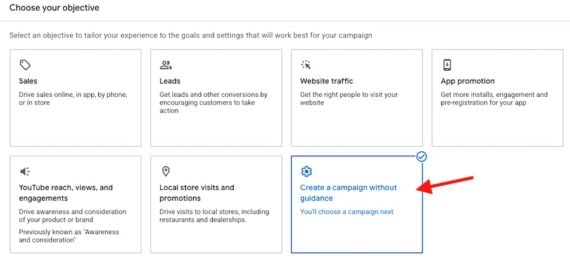
Initiating a Video Ad Sequence Campaign begins within the Google Ads platform by selecting the "Create a campaign without guidance" option. This initial step is critical, as choosing certain campaign types, such as "Video" with the objective of "YouTube reach, views, and engagements," will not present the specialized Ad Sequence option. Instead, advertisers must navigate to the "Video" campaign type and then select the "Ad sequence" subtype. This deliberate path ensures that the unique functionalities of Sequence Campaigns are unlocked, allowing for the precise ordering of video assets.
Following the selection of the Ad Sequence subtype, advertisers are prompted to configure essential campaign settings. A key parameter within these campaigns is the bidding strategy, which is exclusively limited to "target CPM" (Cost Per Mille, or cost per thousand impressions). This means advertisers bid based on the cost they are willing to pay for every thousand times their ad is shown. Furthermore, advertisers must implement frequency capping, a vital control mechanism that limits the number of times a single individual can view the entire sequence within a specified timeframe. The available options for frequency capping are typically set at once every 7 or 30 days, providing advertisers with granular control over ad exposure and preventing viewer fatigue. This controlled exposure is paramount for maintaining a positive viewer experience while ensuring the message is delivered effectively over time.
Sequence Setup: Building the Narrative Arc

The architecture of a Video Ad Sequence Campaign is structured around ad groups, with each step in the sequence corresponding to a distinct ad group. For a sequence comprising four steps, for instance, this translates into four individual ad groups. Each ad group within the sequence is meticulously configured and contains several key elements:
- Video Asset: The specific video clip designated for that particular step in the sequence.
- Headline: A concise and compelling headline that complements the video content and the overall narrative.
- Call-to-Action (CTA): A clear directive encouraging the viewer to take a specific action, such as "Learn More," "Shop Now," or "Sign Up."
- Landing Page URL: The destination URL where viewers will be directed upon clicking the CTA.
The transition between video steps is where the true narrative power of Sequence Campaigns is unleashed. Videos in the second step and beyond require a defined transition trigger, offering three distinct choices: "impression," "view," or "skip." For example, an advertiser might set the condition for the second video to play only after the first video has received an impression. Alternatively, the transition to the third step could be contingent upon the viewer having watched the second video. This ability to customize step transitions allows advertisers to create sophisticated and dynamic narratives, ensuring that the right message is delivered at the most opportune moment in the viewer’s engagement journey. This level of control is invaluable for building complex storylines or guiding users through multi-stage decision-making processes.
To facilitate the creation of these sequential narratives, Google Ads offers integrated tools like the Asset Studio. Within Asset Studio, advertisers can utilize the "Trim videos" option to efficiently shorten existing video assets, ensuring they fit perfectly within the constraints of each sequence step. This tool supports various video formats and durations, providing flexibility in content adaptation. While Asset Studio can also generate AI-powered videos, caution is advised regarding their successive use, as maintaining authenticity and viewer trust often relies on human-created content. The ability to precisely edit and tailor video content is a significant advantage, enabling advertisers to craft concise and impactful messages for each stage of their sequence.
Illustrative Case Study: Yarbo Robot Lawn Mowers
To illustrate the practical application of Video Ad Sequence Campaigns, consider the hypothetical scenario of Yarbo, a company specializing in robot lawn mowers. Yarbo’s marketing team decides to implement an "Introduce and reinforce" sequence to engage potential customers.
Step 1: Introduction
The team begins by selecting a compelling demonstration video of their robot lawn mower. This video is then trimmed into two distinct parts. The first video, designed to capture initial interest, features the headline "Save Time" and a clear "Learn more" CTA that directs viewers to Yarbo’s homepage. The objective here is to inform potential customers about the product’s core benefit – saving time – and invite them to explore the brand’s offerings further. By linking to the homepage, viewers are presented with a broad overview of Yarbo’s products and services, allowing them to begin their discovery journey.
Step 2: Reinforcement and Call to Action
The second video in the sequence builds upon the initial introduction. This clip, possibly highlighting a specific feature or a limited-time offer, carries the headline "Labor Day Sale" and a direct "Buy now" CTA, linking to the main product page for the robot lawn mower. This strategically placed CTA aims to capitalize on the interest generated by the first video and convert engaged viewers into customers, especially during a promotional period. The Yarbo team can leverage A/B testing for headlines and landing pages within this step to optimize conversion rates and identify the most effective messaging for their target audience. This iterative approach to optimization is a cornerstone of successful digital marketing campaigns.
Expanding the Narrative: The "Engage and Differentiate" Sequence
Alternatively, Yarbo could employ a different sequence strategy, such as the "Engage and differentiate" template. Using the same demo video, this approach might involve creating four shorter, 15-second clips, each focusing on a unique selling proposition or a specific pain point that the robot lawn mower addresses. For instance:
- Clip 1: Focuses on the convenience of automated mowing, showcasing the mower operating autonomously.
- Clip 2: Highlights the precision and quality of the cut, demonstrating a perfectly manicured lawn.
- Clip 3: Emphasizes the quiet operation, contrasting it with traditional noisy lawnmowers.
- Clip 4: Showcases the eco-friendly benefits, such as reduced emissions compared to gas-powered mowers.
Each of these clips would be strategically sequenced, building a comprehensive understanding of the product’s value proposition and differentiating it from competitors. The CTAs could vary for each clip, encouraging viewers to delve deeper into specific aspects of the product or to compare it with alternatives. This multi-faceted approach ensures that viewers receive a holistic view of the product’s benefits, catering to diverse customer needs and preferences.
Interpreting Results: Measuring Success Beyond Clicks
The ultimate aim of Video Ad Sequence Campaigns is to cultivate demand and foster meaningful engagement with the brand. Google Ads provides a robust suite of metrics to help advertisers assess the performance of these campaigns. Key performance indicators (KPIs) include:
- Impressions: The total number of times the ads in the sequence were displayed.
- Views: The number of times the videos within the sequence were watched, with Google defining a "view" based on specific criteria depending on the ad format.
- Video Completion Rate (VCR): This metric measures the percentage of viewers who watched a significant portion of the video. For a 15-second ad, a 100% VCR indicates that the viewer watched the entire ad. A low VCR (e.g., only 10% of viewers watching 100% of a video) signals that the creative or messaging may not be resonating with the audience, indicating a need for optimization.
While traditional metrics like clicks and conversions remain important, the core focus of Sequence Campaigns is on engagement. By analyzing the VCR, advertisers can gain critical insights into the effectiveness of their video content and storytelling. A high VCR across all steps of the sequence suggests that the narrative is captivating and that viewers are invested in the unfolding message. Conversely, a dip in VCR at a particular step might indicate that the content in that segment needs refinement, perhaps by making it more concise, engaging, or relevant to the viewer’s stage in the funnel. This data-driven approach allows for continuous improvement and ensures that campaign resources are allocated effectively to maximize impact.
Broader Implications and Strategic Value

The introduction and refinement of Google Ads Sequence Campaigns underscore a broader industry trend towards more sophisticated and personalized advertising experiences. In an era of information overload, the ability to guide a consumer’s journey through a carefully crafted narrative is a significant competitive advantage. This approach moves beyond the interruptive nature of traditional advertising, instead offering valuable content that educates, entertains, and ultimately persuades.
The strategic value of Sequence Campaigns lies in their ability to address multiple stages of the marketing funnel within a single campaign structure. From initial brand awareness and product introduction to detailed feature explanations and final purchase decisions, advertisers can orchestrate a seamless flow of information. This is particularly beneficial for products or services that require a deeper level of understanding or involve a more considered purchase decision.
Furthermore, the data gleaned from Sequence Campaigns can inform broader marketing strategies. By understanding which video sequences resonate most effectively with different audience segments, advertisers can refine their content creation, targeting, and messaging across all platforms. The granular control over transitions and frequency capping also allows for a more efficient use of advertising budgets, ensuring that impressions are delivered to the right people at the right time, minimizing wasted spend.
As the digital advertising landscape continues to evolve, tools like Google Ads Sequence Campaigns are poised to become indispensable for businesses seeking to build strong brand narratives and cultivate lasting customer relationships. The focus on sequential storytelling, coupled with robust measurement capabilities, empowers advertisers to move beyond fleeting impressions and create truly memorable and impactful advertising experiences. The future of video advertising is not just about what you show, but in what order and how effectively you guide your audience through that unfolding story.

