
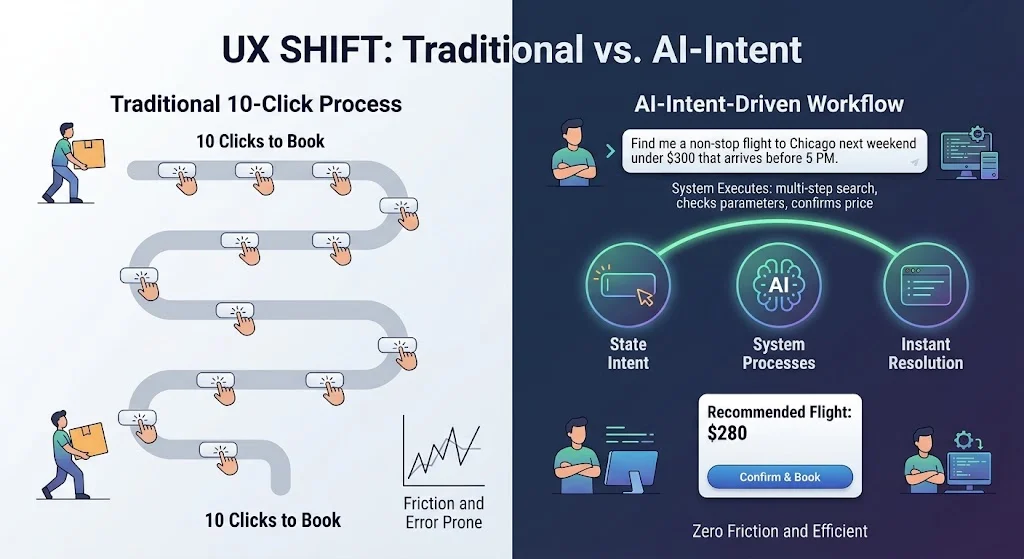
The global digital landscape is currently undergoing its most significant structural shift since the commercialization of the Graphical User Interface (GUI) in the early 1980s. For over four decades, the primary mode of human-computer interaction has been defined by a "point-and-click" paradigm, popularized by pioneering systems such as the Xerox Star and the original Apple Macintosh. This model required users to navigate complex hierarchies of menus, adjust sliders, and complete multi-step forms to achieve even the simplest objectives. However, the emergence of advanced artificial intelligence and Large Language Models (LLMs) is rapidly rendering these visible interfaces obsolete. We are entering an era of "Intent-Driven Design," where the primary goal of software is to capture high-level human objectives and execute the necessary technical "grunt work" autonomously in the background.

The Historical Evolution of the Interface
To understand the magnitude of this shift, one must examine the chronology of human-computer interaction (HCI). The journey from command-line interfaces to the invisible web has been marked by three distinct epochs:
- The Command-Line Era (1950s–1970s): Computing was reserved for specialists who communicated with machines through rigid syntax and text-based code. There was no visual representation of data; the interface was purely linguistic and highly unforgiving.
- The GUI Revolution (1973–2022): Starting with the Xerox Alto in 1973 and reaching the masses via the Macintosh in 1984, the Graphical User Interface introduced the WIMP model (Windows, Icons, Menus, Pointers). This allowed users to interact with digital objects metaphorically. While revolutionary, it forced humans to learn the "language" of the software, spending significant time managing windows and clicking buttons rather than completing tasks.
- The Intent-Driven Era (2022–Present): Following the release of sophisticated LLMs, the paradigm is shifting toward Natural Language Interfaces (NLI). The computer is no longer a passive container of data but an active agent capable of interpreting intent and generating results dynamically.
The Friction of the 10-Click Process
Industry data suggests that the average consumer is increasingly fatigued by the traditional "10-click" process. A study on digital travel habits, for instance, revealed that the average traveler visits 38 different websites over a period of 45 days before booking a trip. In the traditional GUI model, a user seeking a flight must manually input dates, filter through dozens of airlines, cross-reference prices in multiple browser tabs, and navigate through intrusive cookie pop-ups and upsell prompts.
Intent-driven design flips this dynamic. Instead of forcing the user to act as the orchestrator of a mechanical process, the software asks: "What are you trying to accomplish?" When a user expresses a complex goal—such as finding a non-stop flight to Chicago under a specific budget with specific arrival constraints—the AI executes the multi-step search, compares variables, and presents a single, actionable resolution. The friction of the interface is replaced by the efficiency of the outcome.
Current Market Leaders in Intent-Driven Design
Several platforms are already demonstrating the viability of this "invisible" approach, moving away from traditional engagement metrics like "time spent on site" toward "efficiency of resolution."

- Perplexity AI: While traditional search engines like Google act as directories, providing a list of links that the user must then manually investigate, Perplexity utilizes an intent-capturing system. It synthesizes information from across the web to provide a direct answer, effectively bypassing the need for the user to open multiple tabs or skim through irrelevant content.
- Vercel v0: In the realm of software development and web design, Vercel’s v0 platform allows users to generate functional UI components through natural language prompts. This eliminates the need for manual drag-and-drop editors or the tedious adjustment of CSS padding and hexadecimal codes. The interface itself is generated on the fly based on the user’s stated intent.
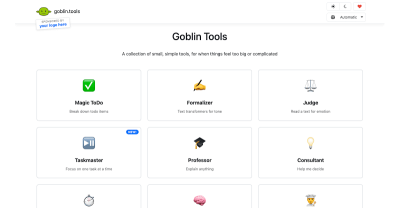
- Goblin.tools: Specifically designed to assist with executive dysfunction and neurodivergent needs, this suite of tools breaks down overwhelming tasks into granular steps using AI. It removes the "blank page" syndrome of traditional productivity apps by automatically constructing checklists and task lists based on a single sentence of user intent.
The Three Pillars of Intent-Driven UX
Designers and engineers at the forefront of this movement, including researchers at the Nielsen Norman Group, have identified three core pillars that define this new UX paradigm:
- High-Level Goal Capture: Rather than tracking micro-actions like clicks or hovers, systems are being designed to leverage context—including location, device state, and past habits—to anticipate needs. This aligns with Apple’s Human Interface Guidelines on Contextual and Ambient Design, where the system provides information before the user even asks for it.
- Generative UI: Traditional web design relies on static layouts where every user sees the same interface. Generative UI allows the interface to be rendered dynamically. If a user needs to calculate a mortgage, the software generates a calculator; once the task is finished, the calculator disappears. The interface exists only when it is functionally necessary.
- Autonomous Execution by AI Agents: This pillar moves the burden of execution from the user to the machine. Influenced by Jakob Nielsen’s 10 Usability Heuristics, these systems prioritize "easy reversibility" over "error prevention." Because the AI acts on the user’s behalf, the design focuses on transparent audit logs and prominent "Undo" buttons rather than constant confirmation modals.
Expert Perspectives and Industry Reactions
The design community’s reaction to the "death of the button" has been a mix of professional existentialism and optimism. Golden Krishna, author of The Best Interface Is No Interface, has long argued that the industry’s obsession with screens is a "design failure." Krishna posits that by focusing on UI, designers often ignore the actual problem the user is trying to solve.
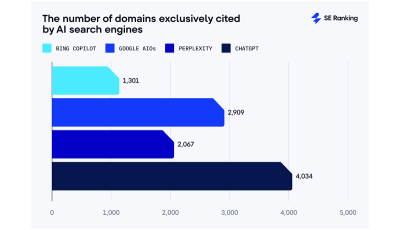
The Nielsen Norman Group has echoed this sentiment, stating that AI represents the first new UI paradigm in 60 years. They argue that we are moving from "command-based interaction," where the user tells the computer how to do something, to "intent-based outcome specification," where the user tells the computer what they want achieved.
However, the Stanford Human-Computer Interaction (HCI) Group has raised concerns regarding the "Black Box Problem." When an interface becomes invisible, it becomes harder for a user to diagnose why a certain result was achieved. To mitigate this, the Google PAIR (People + AI Research) Guidebook advocates for "transparent feedback loops," where the AI explicitly states its interpretation of the user’s intent to maintain trust and control.
Ethical Implications and Technical Risks
While the reduction of friction is a net positive for productivity, it introduces significant ethical and technical challenges:
- The Illusion of Control: There is a fine line between helpful automation and invasive "paternalism." If a system makes too many decisions without user oversight, it can lead to frustration or financial error. Designers must identify "high-stakes" moments—such as financial transactions or privacy settings—where the interface must reappear to demand explicit human confirmation.
- Manipulative Defaults: The Center for Humane Technology has warned that intent-driven systems could be programmed with "dark patterns" that infer intent in ways that benefit the corporation rather than the user (e.g., an AI "finding" the flight that pays the highest commission rather than the cheapest one).
- The Death of Engagement Metrics: For decades, the success of a website was measured by "time on site" and "click-through rates." In an intent-driven world, these metrics are inverted. A successful interaction is one where the user spends the least amount of time in the app. This requires a total overhaul of how digital businesses value their products.
The Evolving Role of the UX Designer
For the design profession, the shift toward invisible interfaces necessitates a re-evaluation of core skills. The role is moving away from "visual design" (the aesthetics of buttons and layouts) toward "experience orchestration." Designers must now become architects of intent, mapping out how AI agents should behave, establishing ethical guardrails, and designing the "ambient feedback" that keeps users informed without being intrusive.
The future of web design is not found in prettier buttons or smoother animations; it is found in the total elimination of the interface. As software becomes more capable of understanding human language and context, the "labyrinth of menus" will be replaced by seamless, invisible completion. The ultimate test of a modern digital product is no longer how well it holds a user’s attention, but how effectively it solves their problem and disappears.

