

As November 2026 dawns, content marketers in the e-commerce landscape find themselves presented with a rich tapestry of opportunities to engage audiences and drive business objectives. This pivotal month offers a unique confluence of historical anniversaries, scientific awareness days, and cultural touchstones that can be leveraged to create compelling, informative, and entertaining content. From celebrating the centennial of the iconic Route 66 to demystifying the science behind everyday products, revisiting a pivotal year in American culture, exploring the evolution of television, and redefining the traditional holiday gift guide, the strategic marketer has ample fertile ground to cultivate impactful campaigns.
At its core, content marketing is the strategic creation, dissemination, and promotion of valuable, relevant, and consistent content designed to attract, engage, and ultimately retain a clearly defined audience. In an era increasingly shaped by artificial intelligence, the demand for content that is not only useful and informative but also genuinely entertaining and insightful has never been greater. This November provides a timely impetus for businesses to move beyond generic promotions and delve into narratives that resonate deeply with consumer interests and curiosities.
Route 66 at 100: Paving the Way for E-commerce Narratives
November 11, 2026, marks a significant milestone: the 100th anniversary of the designation of U.S. Route 66. This legendary highway, often romanticized as the "Main Street of America," officially received its numbering on this date in 1926. It was conceived as a vital artery connecting Chicago, Illinois, to Santa Monica, California, spanning approximately 2,400 miles and representing a monumental undertaking in early 20th-century infrastructure development. While the entire route wasn’t fully paved until 1938, its impact on American culture and commerce was immediate and profound.
The true significance of Route 66 lay not merely in its geographical endpoints but in the economic and social ecosystem that flourished along its extensive path. As automobile travel surged, so did the proliferation of businesses catering to these new road warriors. Gas stations, diners offering respite and sustenance, motels providing lodging, repair shops ensuring journey continuity, and a vibrant array of quirky roadside attractions emerged, transforming a network of disparate roads into an economic engine for countless communities. This era witnessed the birth of the American road trip as a cultural phenomenon, shaping leisure, commerce, and identity.
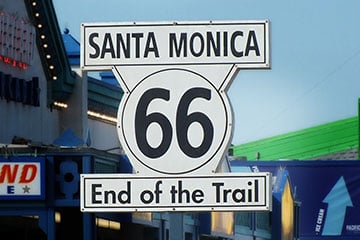
For e-commerce content marketers, the Route 66 centennial presents a compelling opportunity to connect the enduring cultural legacy of this historic corridor with the products and services their businesses offer. Imagine a travel gear retailer crafting content around "Packing Essentials for a Modern-Day Route 66 Adventure," linking iconic American road trip aesthetics with contemporary, durable travel goods. An apparel brand could explore the fashion trends of the mid-20th century, drawing inspiration from the styles of travelers and roadside entrepreneurs, and showcasing how these influences are reflected in their current collections. Food and beverage companies might delve into the history of classic roadside diners and their signature dishes, perhaps offering modern interpretations or highlighting ingredients sourced from regions along the historic route.
The narrative potential is vast. Content could take the form of visually rich blog posts detailing the history of specific landmarks, interactive maps highlighting significant stops, or even short documentary-style videos exploring the enduring appeal of the route. The key lies in weaving a narrative that evokes nostalgia, celebrates American heritage, and subtly positions products as integral to experiencing or celebrating this iconic piece of history. According to historical accounts, tourism along Route 66 generated billions of dollars annually in its heyday, underscoring the economic power of its allure. By tapping into this enduring fascination, businesses can create content that not only attracts attention but also fosters a deeper connection with their brand.
Decoding the Everyday: The Science Behind Consumer Products
November also offers two significant observances that provide a perfect backdrop for exploring the science underpinning the products consumers interact with daily: International STEM Day on November 8th and World Science Day for Peace and Development on November 10th. These dates serve as powerful reminders of the scientific principles that often go unnoticed yet are fundamental to the functionality and innovation of countless goods.
Consider the humble cast-iron skillet, a staple in many kitchens. Its exceptional heat retention, a hallmark of its performance, is a direct result of its material properties and molecular structure. Similarly, a high-performance rain jacket, designed to repel water while allowing moisture vapor to escape, relies on sophisticated fabric engineering and membrane technology, often involving principles of hydrophobicity and breathability. The nuanced differences in coffee taste based on grind size are a testament to the chemistry of extraction and the surface area exposed to water.
For e-commerce content marketers, these scientific principles offer a wealth of engaging content opportunities. Businesses can demystify complex technologies and materials, transforming potentially dry subjects into accessible and fascinating insights. A sporting goods retailer could produce an article titled "The Physics of the Perfect Running Shoe," explaining how cushioning, energy return, and sole design contribute to performance and injury prevention, directly linking these scientific concepts to their product offerings. An outdoor gear company might detail "The Science of Waterproof Breathability," educating consumers on the technologies behind their jackets and trousers, thereby building trust and highlighting product superiority.

The opportunity extends to a wide array of product categories. For instance, a home goods store could explore "The Thermodynamics of Your Refrigerator," explaining how insulation, refrigerants, and compressor cycles work to keep food fresh, subtly reinforcing the value of energy-efficient models. A beauty brand might delve into "The Chemistry of Skincare," explaining how active ingredients interact with the skin at a molecular level to deliver desired results, offering transparency and empowering consumers to make informed choices.
The most effective science-based content often begins with a question a customer might genuinely ask. By anticipating consumer curiosity and providing clear, accurate, and engaging answers, businesses can position themselves as knowledgeable authorities, build credibility, and foster stronger customer relationships. This approach not only educates but also reinforces the perceived value of the products being discussed. Data from consumer surveys consistently shows a growing preference for brands that offer transparency and educational content, with a significant percentage of consumers reporting that they are more likely to purchase from brands that provide detailed product information.
A 50-Year Flashback: Revisiting 1976 Through a Modern Lens
November 2026 also presents a unique temporal vantage point: the 50th anniversary of 1976. This year, steeped in its own distinct cultural identity, offers a rich vein for retrospective content that can illuminate how products, tastes, technological advancements, and consumer expectations have evolved over half a century. This retrospective approach allows businesses to demonstrate not only the passage of time but also the progress and innovation that have shaped the modern marketplace.
A fashion retailer, for example, could juxtapose the distinctive styles of 1976 with contemporary trends, exploring how elements of disco, punk, and bohemian aesthetics have been reinterpreted or have resurfaced in current collections. This could manifest as a "Then and Now" visual essay, highlighting iconic silhouettes, fabrics, and accessories from the era and drawing parallels to modern fashion. An electronics retailer might present a compelling comparison between a popular gadget from 1976, such as a transistor radio or an early home video game console, and its sophisticated, multi-functional modern descendant, illustrating the exponential leaps in technology.
A kitchenware store could embark on a culinary journey back to 1976, revisiting popular appliances, cookware, and signature recipes of the time. This could involve showcasing vintage cooking techniques alongside modern equivalents, or exploring how the way we approach food preparation and dining has been transformed. The objective is not simply to indulge in nostalgia, but to leverage the passage of 50 years to tell a more compelling story about the products being sold today.

This retrospective content can take various engaging formats, including visually striking photo essays, informative timelines detailing product evolution, engaging video documentaries featuring interviews with industry veterans or long-time customers, or even interactive quizzes that test consumers’ knowledge of 1970s products and culture. The underlying theme is to use the stark contrasts and subtle continuities between 1976 and 2026 to highlight the enduring relevance, improved functionality, or innovative design of current offerings. According to market research, content that taps into nostalgia can significantly boost engagement, with articles and videos related to past decades often seeing higher share rates and longer dwell times.
World Television Day: Tracing the Influence of the Screen
November 21st marks World Television Day, a designation by the United Nations General Assembly that recognizes television’s profound influence on global communication, cultural exchange, and the shaping of public opinion. The day commemorates the first World Television Forum, held in 1996, where media leaders convened to discuss television’s evolving role.
The ubiquitous presence of television throughout the latter half of the 20th century and into the 21st has undeniably impacted consumer culture and product development across numerous sectors. For e-commerce content marketers, this anniversary provides an excellent opportunity to explore the intricate relationship between television and their product categories.
Consider the impact of television on fashion. Iconic TV shows have often dictated trends, from the mod styles of the 1960s to the power dressing of the 1980s. A fashion retailer could create content exploring "The Influence of Television on Fashion Through the Decades," showcasing how popular programs have inspired wardrobes and driven consumer demand for specific styles, and how contemporary fashion continues to draw inspiration from the small screen.
The food industry has also been significantly shaped by television, from cooking shows that popularize new dishes and ingredients to commercials that create cravings for specific products. A food and beverage company might explore "How Television Changed What We Eat," examining the rise of convenience foods, the impact of celebrity chefs, and the power of visual advertising in shaping dietary habits.

Furthermore, television has played a pivotal role in the marketing and perception of other product categories, including automobiles, home decor, toys, and technology. An automotive brand could explore "The Evolution of Car Advertisements on Television," analyzing how marketing strategies have changed to showcase automotive design, performance, and lifestyle aspirations. A toy company might delve into "The Golden Age of Toy Commercials," reminiscing about beloved products and the memorable advertising campaigns that made them household names, perhaps even highlighting how modern toy marketing continues to leverage visual storytelling.
Content exploring this theme could take the form of historical retrospectives, analyses of advertising strategies, or discussions about how specific shows or genres have influenced consumer purchasing decisions. By examining the legacy of television, businesses can not only tap into a shared cultural memory but also demonstrate how their products have been part of this evolving media landscape.
The Anti-Gift Guide: Prioritizing Fit Over Fervor
As the holiday season approaches, the landscape of e-commerce is invariably flooded with an abundance of gift guides. While these compilations are a staple of holiday marketing, November 2026 offers an opportunity for businesses to differentiate themselves through a contrarian approach: the "anti-gift guide." This strategy, particularly relevant in the age of AI-powered shopping and increasingly discerning consumers, focuses on product fit rather than broad appeal.
Instead of simply listing "10 Must-Have Gifts for Coffee Enthusiasts," a specialty retailer might publish an article titled, "Don’t Buy Your Mother-in-Law an Espresso Machine (Unless…)." This approach moves beyond generic recommendations to offer nuanced advice, helping consumers navigate the complexities of gift selection and avoid common pitfalls. The article could delve into the practical considerations of owning an espresso machine, such as the required counter space, the commitment to cleaning and maintenance, the learning curve associated with mastering grind settings and milk frothing, and the specific coffee-drinking habits of the intended recipient.
This "pro-fit" philosophy aims to provide genuine value by addressing potential buyer’s remorse before it even occurs. By detailing who would truly cherish and utilize a particular product and who might find it an unnecessary burden or an expensive dust collector, businesses can build significant trust and credibility. Such detailed, specific advice can help a business stand out in crowded search engine results, offering something more engaging and useful than a typical product roundup for email subscribers.

Moreover, this type of content provides invaluable context for generative AI platforms that are increasingly assisting consumers in their purchasing decisions. By offering detailed insights into product use cases, target audiences, and potential drawbacks, businesses can guide AI algorithms towards more accurate and helpful product recommendations, ultimately benefiting both the consumer and the retailer. The anti-gift guide, therefore, is not about discouraging purchases, but about fostering thoughtful consumption and ensuring that gifts are well-chosen, leading to greater customer satisfaction and fewer returns. This nuanced approach resonates with consumers seeking authenticity and expert guidance in their shopping journeys, a trend that is only expected to grow.

