
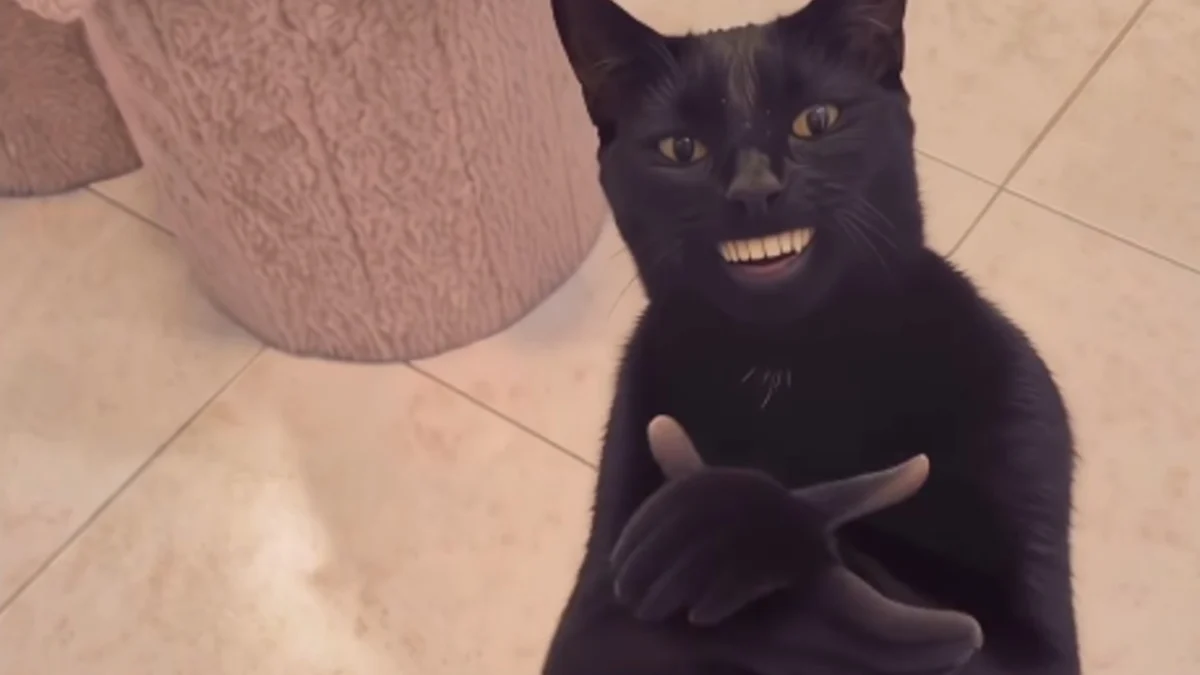
The digital landscape of late 2026 has been significantly defined by a surge in surrealist, artificial intelligence-generated content, a trend most prominently exemplified by the viral phenomenon known as Black Cat Clapping. This exploitable green-screen meme features a black feline with unsettlingly human-like hands and a wide, toothy smile, engaged in a slow, rhythmic applause. Since its emergence in late September 2026, the image and its accompanying video clips have permeated major social media platforms, including Instagram and TikTok, serving as a versatile tool for social commentary, irony, and sarcastic celebration.
The visual composition of the Black Cat Clapping meme rests at the intersection of the "uncanny valley" and traditional internet humor. Unlike historical cat memes that relied on the natural, often accidental, behaviors of domestic pets, this iteration is a deliberate product of generative AI. The juxtaposition of a familiar household animal with anthropomorphic features—specifically the articulate movement of human fingers and a conscious, knowing facial expression—has contributed to its rapid adoption as a "reaction" asset in short-form video content.
Origins and Initial Proliferation
The genesis of the Black Cat Clapping meme can be traced to September 25, 2026, when an Instagram user operating under the handle merkurianin uploaded a short comedy reel. In the original footage, the creator is seen providing food to a black cat, which then responds by smiling and clapping its hands in a manner that mimics human approval. The video was an immediate success, leveraging the novelty of high-fidelity AI video generation to capture public attention. Within the first eight days of its publication, the post amassed over 2.5 million likes and tens of thousands of comments, many of which expressed a mixture of amusement and technological bewilderment.
Technical analysts observe that the video represents a significant leap in the accessibility of sophisticated video synthesis. The seamless integration of human-like gestures onto a feline anatomy suggests the use of advanced motion-transfer algorithms or refined prompt-engineering within a generative video framework. While the original intent appeared to be a lighthearted subversion of the "grateful pet" trope, the internet’s decentralized creative engine quickly repurposed the footage for broader, more cynical applications.
Chronology of the Global Viral Spread
The transition from a singular viral video to a standardized meme format occurred almost instantaneously. By September 28, 2026, the content migrated to TikTok, a platform whose infrastructure is uniquely suited for "remix" culture. TikToker @asian5767 is credited with one of the earliest and most influential adaptations of the footage. By isolating the cat against a green-screen background, the user transformed the asset into a "template," allowing others to superimpose the clapping cat onto any imaginable scenario. This specific post, which utilized the cat to represent a teacher’s reaction to confiscating a student’s phone, garnered 3.8 million views within a week.
Following this breakthrough, the meme entered a phase of exponential growth throughout the first week of October 2026:
- September 30, 2026: The account @mis2027seniors published a variation with the caption, "I answered correctly and bro started clapping." This version highlighted the meme’s utility in depicting condescending or unwanted attention, reaching 1.7 million views in five days.
- October 1, 2026: TikToker @yeltiktok utilized the cat to signify a peer’s annoying or excessive reaction to a mundane event, further solidifying the cat’s persona as a sarcastic or "troll-like" figure. This iteration achieved 1.5 million views in under 96 hours.
- Early October 2026: The meme began to branch into sub-genres, including "Simpsons versions" and high-energy edits featuring "phonk" or "slowed + reverb" audio tracks, demonstrating the meme’s adaptability across different aesthetic niches.
Thematic Analysis and Semantic Usage
At its core, the Black Cat Clapping meme functions as a digital shorthand for "sarcastic applause." In the lexicon of Gen Z and Gen Alpha, "clapping" often carries a dual meaning; while it can signify genuine praise, in a digital context, it is frequently used to mock someone who is trying too hard, someone who has made a minor achievement, or someone who is behaving poorly.
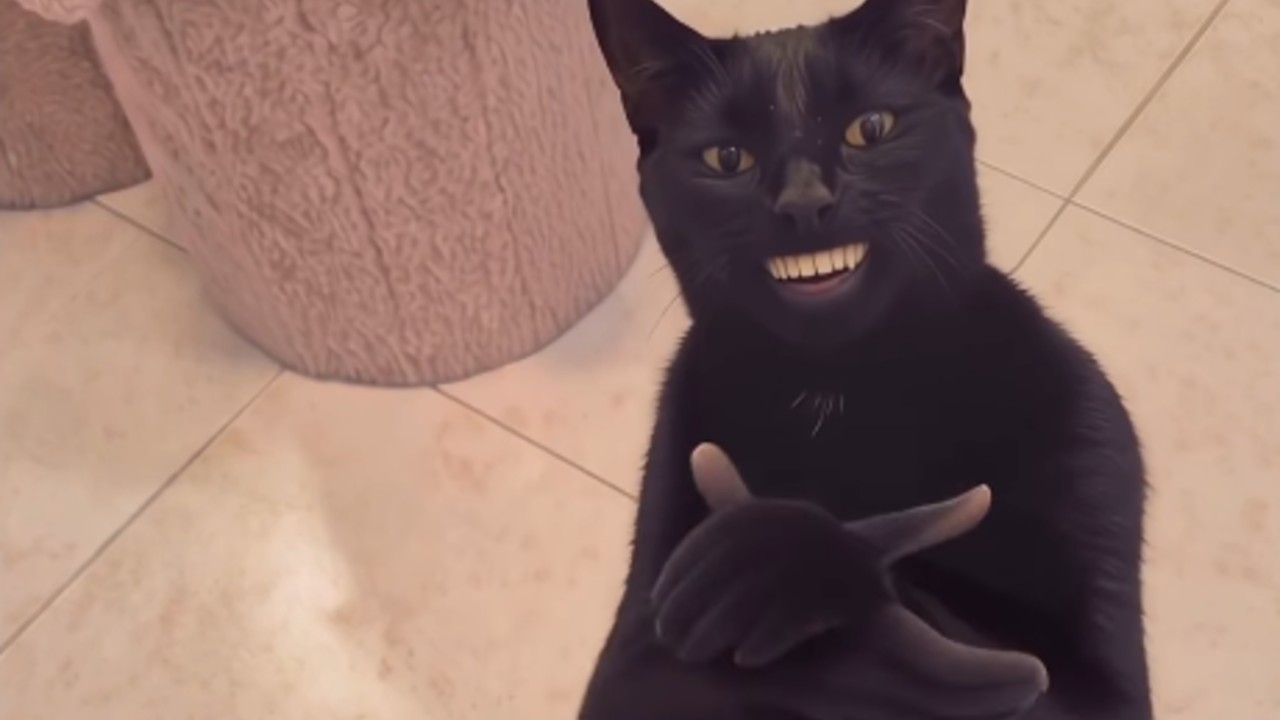
The AI-generated nature of the cat adds a layer of "ironic detachment." Because the cat is not real, its applause feels hollow and robotic, which aligns perfectly with the intended sentiment of the users. It is frequently employed in the following contexts:
- Condescension: Applauding a peer for doing something basic or expected.
- Sarcasm: Reacting to a "fail" or an embarrassing moment with mock celebration.
- Surrealism: Using the unsettling visuals of the cat simply for the "shock value" or the discomfort it elicits in the viewer.
- Villainy: Representing a "hater" or an antagonist who takes pleasure in the misfortune of others.
The "human hands" are a critical component of this semantic weight. The slow, deliberate pace of the clap—often referred to in theatrical terms as the "golf clap"—is historically associated with boredom or disdain. By placing this gesture on a smiling cat, the meme creates a dissonance that captures the modern internet’s preference for "weird" or "cursed" imagery.
Technical Foundations and AI Integration
The rise of the Black Cat Clapping meme is a symptom of a broader shift in digital media: the democratization of AI-assisted content creation. In previous years, creating a realistic anthropomorphic animal would have required a professional visual effects (VFX) studio and significant financial investment. By late 2026, these tools have become integrated into mobile applications and browser-based platforms, allowing individual creators to generate complex animations from simple text prompts or image-to-video instructions.
Market data from the third quarter of 2026 suggests that AI-generated memes have higher "stickiness" than traditional static image memes. The fluid movement and high-definition textures of the Black Cat Clapping video provide a level of sensory engagement that older formats, such as "Advice Animals" or static "Deep Fried" memes, cannot match. Furthermore, the use of green-screen templates has lowered the barrier to entry, enabling users with no technical background to participate in the trend by simply adding text and a background.
Broader Impact and Implications
The success of the Black Cat Clapping meme has significant implications for the future of intellectual property and digital authenticity. As AI-generated characters like the "Clapping Cat" become cultural icons, questions arise regarding the ownership of such personas. While the original video was posted by merkurianin, the "character" of the clapping cat has effectively been co-opted by the public domain of the internet.
Furthermore, psychologists and media theorists have noted the meme’s contribution to the "normalization of the uncanny." As users become more accustomed to seeing hyper-realistic but anatomically impossible creatures in their feeds, the boundary between "real" and "synthetic" media continues to blur. This has led to a new genre of humor that specifically targets this ambiguity, using AI to create "fever dream" scenarios that resonate with a generation raised in a hyper-saturated digital environment.
From a marketing perspective, the meme serves as a case study in organic brand building. While not a commercial product, the "Black Cat Clapping" has achieved a level of global recognition that traditional advertising campaigns struggle to reach. Several small businesses and corporate social media accounts have already begun to leverage the template to engage with younger audiences, though such efforts are often met with skepticism if they fail to capture the specific ironic tone of the original trend.
Conclusion
Black Cat Clapping represents a milestone in the evolution of internet memes, marking the transition from the era of "found footage" and "photoshop" to the era of "generative synthesis." Its rapid ascent from a single Instagram post to a global TikTok staple underscores the speed at which AI-driven content can achieve cultural ubiquity. By combining the internet’s perennial love for cats with the sophisticated capabilities of modern AI, the meme has created a new visual language for sarcasm and social critique. As the technology continues to advance, it is likely that the "Clapping Cat" will be remembered as an early harbinger of a new, more complex chapter in the history of digital expression. While the specific trend may eventually plateau, the underlying shift toward AI-generated exploitable content is expected to persist, fundamentally altering how humor is produced and consumed in the digital age.

