
The rapid ascent of pickleball from a niche recreational activity to a bona fide global phenomenon offers a surprising, yet remarkably insightful, playbook for digital content creators, particularly bloggers. While the sport’s quirky name and accessible gameplay have contributed to its widespread appeal, a deeper examination reveals strategic parallels that can significantly enhance a blogger’s approach to content creation, community building, and overall digital success. This article delves into these parallels, exploring how the principles governing pickleball can be translated into actionable insights for the modern blogging landscape.
Pickleball, a paddle sport that ingeniously blends elements of tennis, badminton, and table tennis, has experienced an exponential surge in popularity over the past decade. Originating in 1965 on Bainbridge Island, Washington, as a backyard pastime designed for family fun, it has burgeoned into an international sport with millions of active participants. Its appeal lies in its low barrier to entry, allowing individuals of varying ages and athletic abilities to quickly grasp the fundamentals and enjoy competitive play. This accessibility has fostered a vibrant and inclusive community, a key factor in its widespread adoption.
The sport’s trajectory mirrors the evolution of many successful online ventures, where humble beginnings can blossom into significant influence. For bloggers, this journey from a single idea to a thriving content platform is a familiar narrative. The core lesson here is the power of starting small and nurturing growth, a principle that resonates deeply with the development of any ambitious project.
From Backyard Game to Global Phenomenon: A Chronology of Growth
The genesis of pickleball can be traced back to the summer of 1965. Barney McCallum, Joel Pritchard, and Bill Bell are credited with its invention. Facing a summer of boredom, they devised a game on Pritchard’s Bainbridge Island property, utilizing a badminton court, a lowered net, ping-pong paddles, and a perforated plastic ball. The game’s initial rules were informal, evolving organically as the trio and their families played. By the early 1970s, the sport had gained a foothold, with the first pickleball tournament held in 1976. The establishment of the United States Pickleball Association (USPA) in 1984 marked a significant step towards formalization and wider promotion.
The subsequent decades saw a steady, albeit gradual, increase in participation. However, the true explosion in popularity has occurred in the last five to ten years. Several factors have contributed to this acceleration, including increased media coverage, professional leagues like Major League Pickleball (MLP) and the Professional Pickleball Association (PPA) Tour, celebrity endorsements, and the undeniable ease with which new players can learn and enjoy the game. Reports from the Sports & Fitness Industry Association (SFIA) have consistently highlighted pickleball as one of the fastest-growing sports in the United States, with participation numbers skyrocketing from approximately 2.4 million in 2016 to over 4.8 million in 2021, and continuing to rise. This dramatic growth underscores the sport’s ability to capture public attention and foster widespread engagement.
The Power of Community: Rallying Your Audience
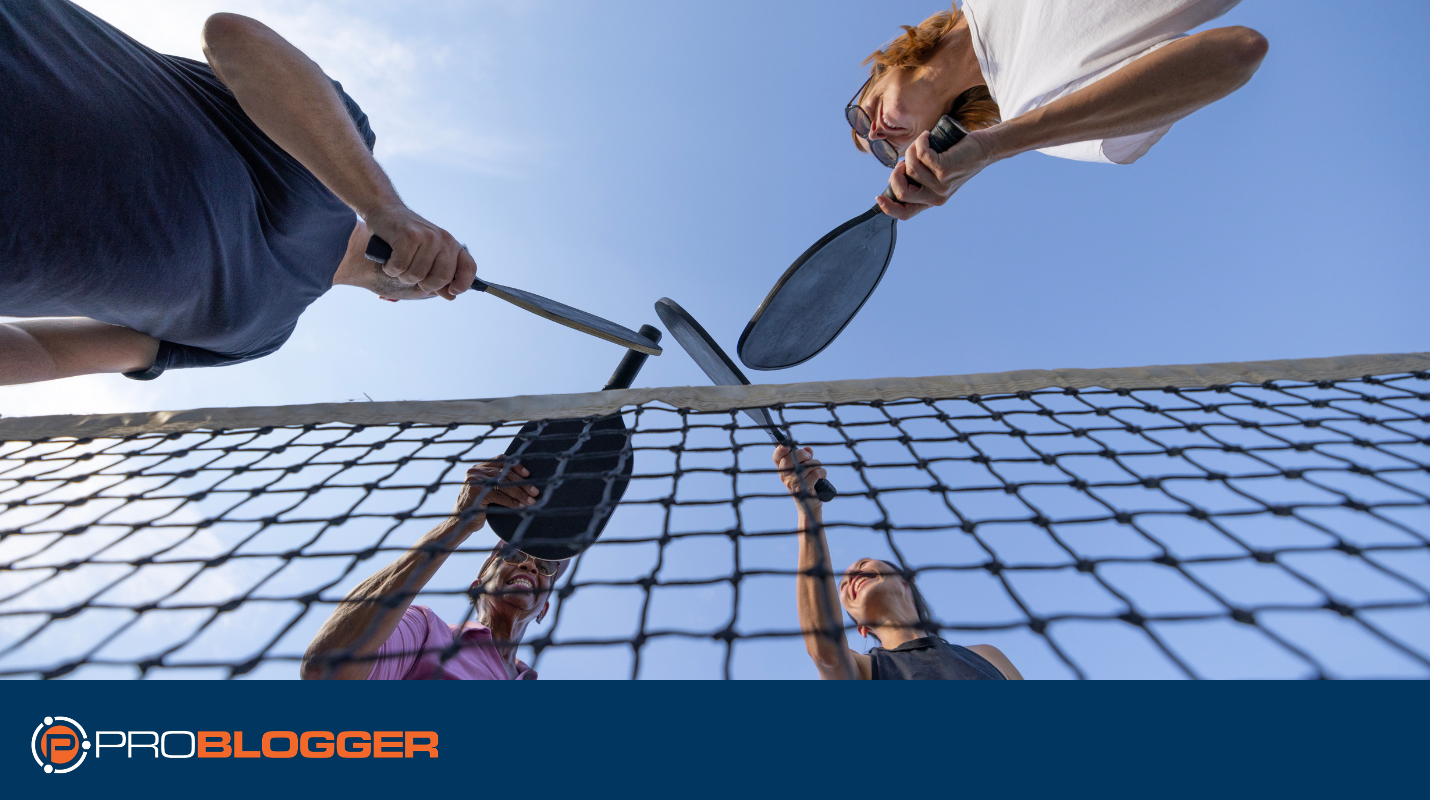
In pickleball, a dynamic rally is not just about individual skill; it’s about the interplay between players, the rhythm of the game, and the shared energy it generates. This mirrors the crucial role of community in blogging. A blog that merely publishes content in a vacuum, without fostering interaction, is unlikely to achieve lasting success.
Actively engaging with readers—responding to comments, participating in social media discussions related to the blog’s niche, and even hosting live Q&A sessions—is akin to keeping the pickleball rally alive. Each interaction strengthens the connection between the blogger and their audience, transforming casual visitors into loyal followers. The longer and more robust this engagement, the more vibrant and invested the community becomes. This sustained interaction is vital for building brand loyalty and creating a platform where readers feel heard and valued. Research consistently shows that higher engagement rates correlate with increased website traffic, longer dwell times, and a greater likelihood of conversions, whether that be through subscriptions, purchases, or other desired actions.
Mastering the "Dink": The Strategic Art of Simplicity
The "dink" in pickleball is a soft, controlled shot played at the non-volley zone (the "kitchen"), designed to strategically place the ball, disrupt the opponent’s rhythm, and set up future offensive opportunities. It is a testament to the fact that finesse and precision can often be more effective than brute force. For bloggers, this translates directly to the art of simplifying complex information into digestible, engaging content.
In an era of information overload, the ability to communicate clearly and concisely is paramount. This means avoiding jargon, structuring posts logically with clear headings and subheadings, and employing accessible language. A "dink" in blogging is a well-crafted paragraph that explains a difficult concept with ease, a visually appealing infographic that summarizes key data, or a straightforward call to action that guides the reader without overwhelming them. The effectiveness of this approach is evident in the sustained popularity of blogs that prioritize clarity and reader experience. Studies on content consumption indicate that users are more likely to engage with and retain information that is presented in a simple, easy-to-understand format. This principle of "less is more" can be a powerful tool for bloggers aiming to connect with a broad audience.
Finding Your "Sweet Spot": Strategic Positioning and Audience Connection
The "kitchen" in pickleball is a critical zone near the net where players are prohibited from volleying the ball. Navigating this area requires strategic awareness and an understanding of the game’s flow. For bloggers, the equivalent of this "sweet spot" is the delicate balance between providing valuable content and fostering authentic engagement without becoming overly promotional or distant.
This balance is achieved by understanding the audience’s needs and interests, and positioning the blog to address them effectively. It’s about creating content that resonates, sparks discussion, and encourages a reciprocal exchange. This means not being too pushy with sales pitches, but also not being so aloof that readers feel disconnected. It’s about finding that comfortable middle ground where conversations flow naturally, and readers feel like they are part of an ongoing dialogue. Successful blogs often occupy this "sweet spot" by consistently delivering content that is both informative and relatable, creating a loyal readership that actively participates in the blog’s community.
Learning from "Whiffs": Embracing Imperfection and Iteration
Even the most skilled pickleball players occasionally miss a shot – a moment often referred to as a "whiff." This is an inherent part of the game, and the ability to learn from these missteps is crucial for improvement. Similarly, not every blog post will be a resounding success. Some articles may not gain the traction expected, some may receive lukewarm reception, and others might simply miss the mark with the intended audience.
The key takeaway here is that these "whiffs" are not failures, but rather invaluable learning opportunities. By analyzing what didn’t work—whether it was the topic choice, the writing style, the promotion strategy, or the SEO optimization—bloggers can refine their approach. This iterative process of experimentation, analysis, and adjustment is fundamental to growth. Just as a pickleball player adjusts their swing after a missed shot, a blogger should adapt their content strategy based on performance data and audience feedback. The digital landscape is constantly evolving, and a willingness to learn from setbacks is essential for long-term viability.
Adaptability: Navigating the Ever-Changing Digital Landscape
Pickleball players constantly evolve their strategies, adapting to different opponents, court conditions, and game dynamics. This adaptability is a cornerstone of success in the sport. In the realm of blogging, this translates to a continuous need to stay informed about evolving SEO algorithms, emerging social media trends, and shifting audience preferences.
The digital marketing ecosystem is in perpetual motion. New platforms gain prominence, search engine ranking factors change, and content consumption habits transform. Bloggers who remain static in their approach risk becoming irrelevant. A proactive stance involves actively seeking out new knowledge, experimenting with different content formats and distribution channels, and being willing to pivot when necessary. This agile mindset allows bloggers to not only survive but thrive in a dynamic online environment, ensuring their content remains visible and engaging to their target audience.
Maintaining Focus: Keeping Your Eye on the Ball
In pickleball, a momentary lapse in concentration can result in a lost point. This underscores the importance of sustained focus. For bloggers, this means staying aligned with their core mission and understanding the needs of their audience. Losing sight of the blog’s purpose or neglecting to address audience pain points can lead to disengagement.
Maintaining focus involves consistently creating content that aligns with the blog’s niche and overarching goals. It also means actively seeking feedback from readers and monitoring engagement metrics to ensure the content remains relevant and valuable. This vigilance helps to prevent the blog from straying off course and ensures that it continues to serve its intended purpose, whether that is to inform, entertain, or inspire. The ability to maintain this sharp focus is crucial for building a dedicated following and achieving long-term success.
The "Serve": Setting the Tone for Engagement
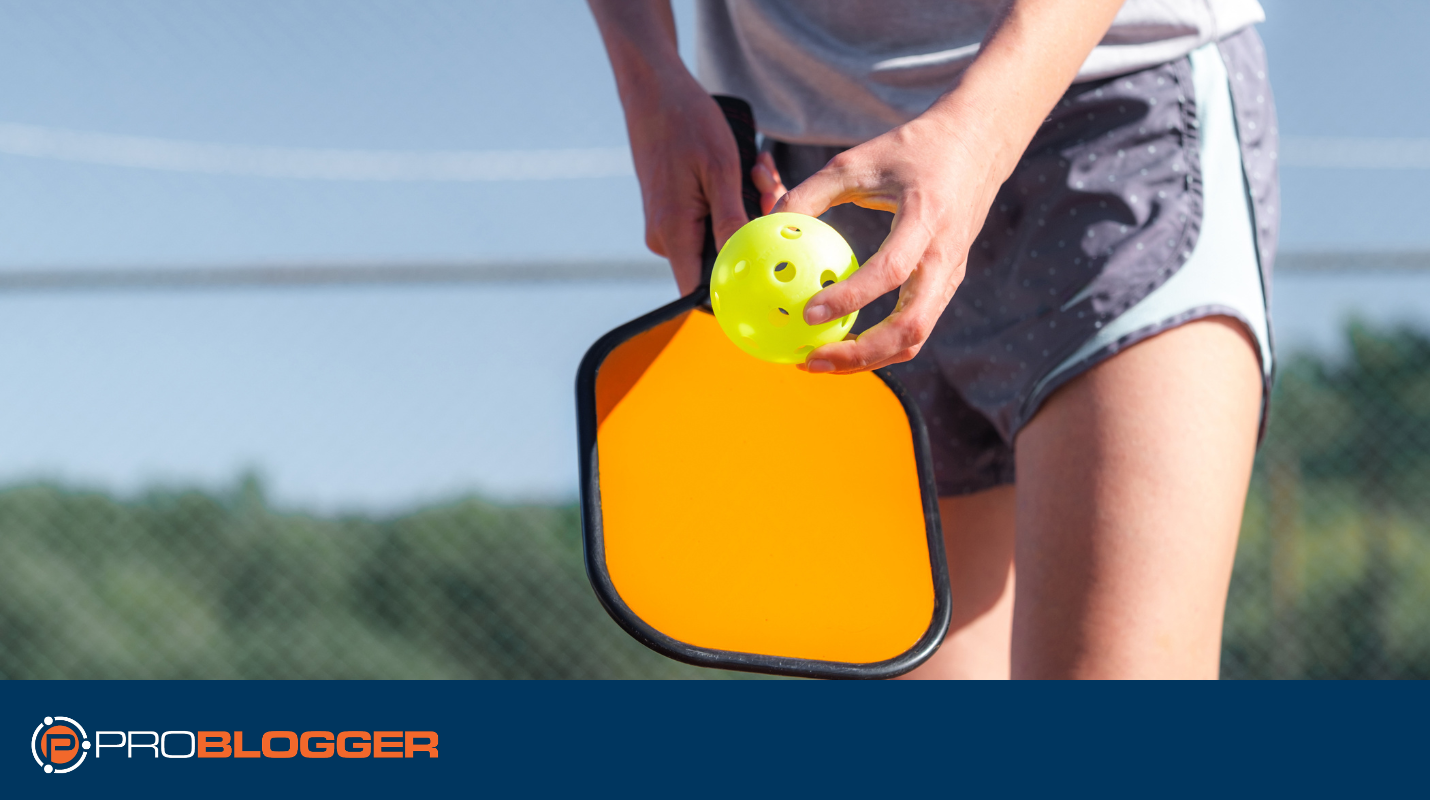
A strong serve in pickleball is the foundational element that can dictate the trajectory of a point. Similarly, a compelling introduction in a blog post sets the stage for the entire reading experience. A weak or uninspired opening can deter readers before they even reach the core of the content.
For bloggers, this means crafting introductions that are not only engaging but also accurately reflect the value proposition of the post. Hooking readers with a captivating question, a surprising statistic, or a relatable anecdote can draw them in. From there, the content must deliver on that initial promise, providing valuable insights and actionable advice. A strong closing, often with a clear call to action, can then guide readers toward further engagement. The effectiveness of a well-executed "serve" in blogging is directly linked to reader retention and the likelihood of achieving desired outcomes.
Strategic Positioning: Owning Your Niche
Effective positioning is paramount in pickleball, where players aim to occupy advantageous spots on the court to control the game. In the competitive world of blogging, strategic positioning of your brand and content is equally vital. This involves identifying a unique niche, understanding your target audience intimately, and presenting your blog as the go-to resource for specific needs or interests.
This strategic approach requires thorough market research to identify gaps, understand competitor offerings, and define your unique selling proposition. By consistently delivering high-quality, relevant content that addresses a specific audience’s pain points, a blog can establish itself as an authority in its chosen field. This deliberate positioning not only helps to attract a targeted audience but also fosters a sense of trust and reliability, making the blog a preferred destination for information and solutions.
The Joy Factor: Embracing Passion in Content Creation
Ultimately, pickleball is a game, and its immense popularity is intrinsically linked to the enjoyment it provides. This element of fun is a critical, yet often overlooked, aspect of successful blogging. When bloggers are passionate about their topics, this enthusiasm naturally permeates their writing, making it more engaging and authentic.
A blog that exudes joy and passion is more likely to connect with readers on an emotional level, fostering a deeper and more personal connection. This approach can differentiate a blog in a crowded digital space, making it stand out and encouraging readers to return. Furthermore, a fun and engaging tone can make the often meticulous work of blogging feel less like a chore and more like a rewarding creative pursuit, leading to greater sustainability and consistent output. The infectious nature of genuine enthusiasm is a powerful tool for building a thriving online community.
Conclusion: A Winning Strategy for the Digital Court
The parallels between pickleball and blogging are more than superficial; they offer a robust framework for digital content creators to refine their strategies. From the foundational principle of starting small and nurturing growth, to the critical importance of community engagement, clear communication, strategic positioning, and the embrace of continuous learning, the lessons are profound.
Pickleball demonstrates that a blend of fun, strategy, and adaptability can lead to remarkable success. Bloggers can harness these insights by injecting joy into their creative process, staying focused on their audience’s needs, and consistently seeking to improve their craft. By applying these pickleball-inspired principles, bloggers can elevate their content, deepen their reader connections, and ultimately achieve greater impact in the ever-evolving digital arena. The next serve is yours; make it count.

