
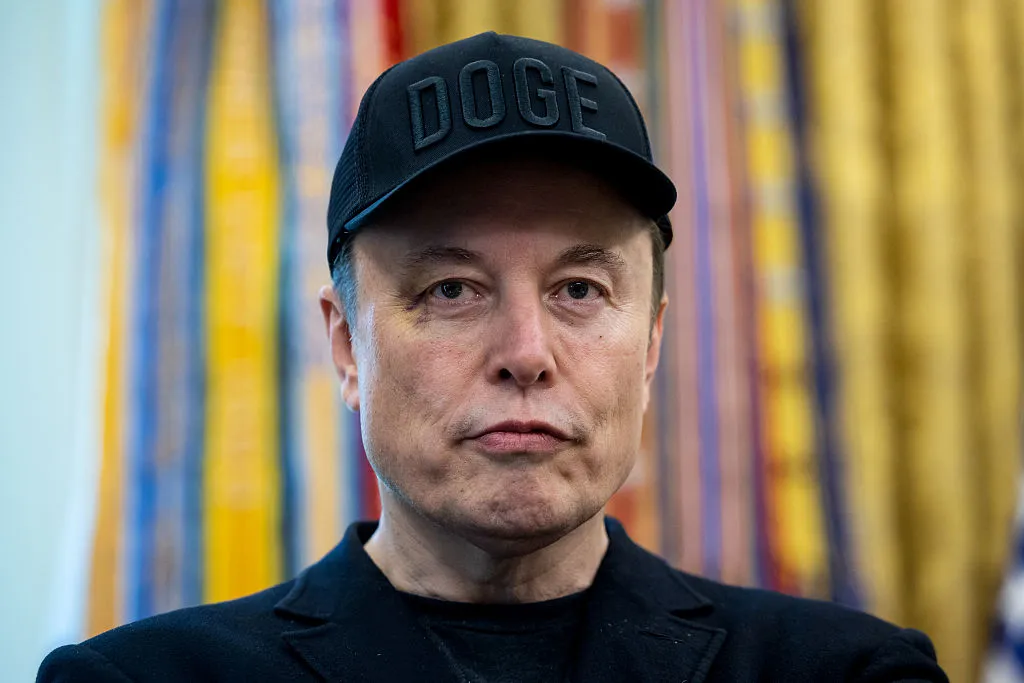
A significant development has unfolded in the promotion of Alex Gibney’s highly anticipated documentary, "Musk," as two major social media companies, Meta and YouTube, have reversed earlier decisions and confirmed they will now accept advertising for the film. This turnaround comes after initial reports indicated widespread rejections of promotional ads across several prominent platforms, sparking discussions about content moderation, freedom of expression, and the power dynamics between creators and digital gatekeepers. The documentary, which delves into the life and career of tech mogul Elon Musk, has already garnered critical acclaim and is poised for a theatrical release in the United States on October 9.
Initial Rejections Spark Controversy
The controversy first came to light with a report from The Hollywood Reporter on a Friday, detailing that Meta (parent company of Facebook and Instagram), YouTube, TikTok, and X (formerly Twitter) had all refused to run paid advertisements promoting the trailer for "Musk." This broad rejection raised immediate concerns within the film industry and among free speech advocates, particularly given Gibney’s reputation as an acclaimed investigative documentarian known for tackling complex and often controversial subjects. The common rationale cited by Meta, TikTok, and YouTube for their refusal was the classification of the advertisements as "political content," a category subject to stringent restrictions or outright bans on these platforms.
The classification of a documentary trailer, even one about a prominent public figure, as "political content" immediately drew skepticism. Unlike direct campaign advertising or advocacy for specific legislation, a documentary aims to inform and critically examine a subject. Bleecker Street, the film’s U.S. distributor, confirmed to The Hollywood Reporter that it had appealed these rejections, arguing against the "political content" designation and highlighting the potential chilling effect on promoting journalistic and artistic works.
Platforms Reevaluate and Reverse Decisions
Following public outcry and direct inquiries from media outlets, including TechCrunch, two of the initially rejecting platforms quickly revised their stance. On Saturday, a spokesperson for Meta informed TechCrunch that the rejection was "an error and the ads are being restored." While Meta did not immediately provide further detailed explanations for the initial misclassification, the swift reversal indicated an acknowledgment of an oversight in their automated or manual review processes.
Similarly, YouTube issued an update on Saturday, clarifying its position. The company stated that "the trailer has always been available on YouTube," referring to its organic presence on the platform. However, when the trailer was "submitted as an ad, it was temporarily restricted by our system." Following a subsequent review, YouTube confirmed that "the ad has been cleared to run." This explanation suggests that the initial restriction was a result of an automated system flag, which was later overridden by human review, underscoring the complexities and occasional fallibility of large-scale content moderation systems.
The Unique Case of X and Elon Musk’s Direct Involvement
Amidst these reversals, the position of X, the social media platform owned by Elon Musk himself, remains distinct and seemingly unyielding. X’s rejection of the documentary’s advertising comes as no surprise, given Musk’s vocal and often vitriolic public opposition to Alex Gibney and the film. Musk has openly expressed his disdain for the director, famously posting that "Dogshit is worth more respect than Gibney." This direct personal animosity from the platform’s owner presents a unique challenge for the documentary’s promotional efforts on X, effectively creating a direct conflict of interest that appears to bypass standard content moderation protocols based on "political content" classifications. The situation on X highlights the unprecedented influence a single individual can exert over a major global communication platform, particularly when they are the subject of critical scrutiny.
TikTok, as of the latest reports, has not publicly announced a reversal of its decision. The platform has a well-documented policy of not running political advertisements, which it articulated in 2019, stating that it does not accept paid political ads. The ambiguity lies in whether a documentary trailer about a public figure, even one deeply involved in political discourse and policy, legitimately falls under TikTok’s strict definition of political advertising or if it represents an overreach of that policy.
Understanding "Political Content" in the Digital Age
The core of this controversy lies in the fluid and often inconsistent definition of "political content" employed by social media platforms. These definitions are critical, as they dictate what can be promoted through paid advertising, impacting the visibility and reach of various messages.
- Meta’s Stance: While Meta has restored the ads for "Musk," its broader policy on political advertising has seen shifts. Last year, Meta announced it would stop accepting political ads in the European Union from October, citing complex regulatory landscapes and the desire to reduce the spread of misinformation during electoral periods. This move, however, did not imply a global ban, and the company maintains different rules for different regions. The initial flagging of the "Musk" trailer suggests that Meta’s automated systems or human reviewers might err on the side of caution when content touches upon high-profile public figures, especially those frequently involved in political discussions.
- YouTube’s Approach: YouTube, while allowing political advertising under specific transparency requirements, has systems in place to review and restrict ads that violate its policies, including those related to hate speech, misinformation, or sensitive events. Its explanation of a "temporary restriction" by its system followed by a clearance post-review indicates a reliance on a multi-layered review process, where initial automated flags can be overturned.
- TikTok’s Strict Ban: TikTok’s blanket ban on political advertising is arguably the most stringent among the major platforms. The rationale often cited is to prevent the platform from becoming a battleground for political influence and to maintain its focus on entertainment. However, this broad policy faces challenges when applied to content that is informational or artistic but features politically relevant figures. The lack of a reversal from TikTok suggests either a firm adherence to this policy or an ongoing internal review.
The ambiguity surrounding what constitutes "political content" in the context of a documentary about a prominent, yet non-electoral, public figure highlights a broader challenge for platforms. They are tasked with balancing content moderation against principles of free expression, often in the shadow of intense public scrutiny, regulatory pressure, and the vast scale of content uploaded daily. The line between biographical exploration and political commentary becomes particularly blurry when the subject is someone like Elon Musk, whose business ventures, public statements, and influence regularly intersect with governmental policy, international relations, and societal debates.
Alex Gibney: A Master of Investigative Storytelling
The director at the center of this promotional dispute, Alex Gibney, is widely recognized as one of the most prolific and respected documentary filmmakers of his generation. His career is characterized by a commitment to investigative journalism, often peeling back layers of complex institutions and powerful individuals. Gibney’s filmography includes critically acclaimed works such as:
- "Going Clear: Scientology and the Prison of Belief" (2011): An unflinching examination of the Church of Scientology, based on Lawrence Wright’s book, which sparked significant public discourse and drew strong reactions from the organization.
- "The Inventor: Out for Blood in Silicon Valley" (2019): A gripping account of the rise and fall of Theranos and its founder, Elizabeth Holmes, exploring themes of deception, ambition, and the culture of Silicon Valley.
- "Enron: The Smartest Guys in the Room" (2005): A deep dive into the corporate corruption scandal that led to the collapse of the energy giant Enron.
- "Steve Jobs: The Man in the Machine" (2015): A critical yet nuanced look at the Apple co-founder’s legacy, exploring both his genius and his controversial personal and professional conduct.
Gibney’s track record demonstrates a consistent focus on holding powerful entities and figures accountable, often through meticulously researched narratives and compelling interviews. His ability to navigate sensitive subjects with journalistic rigor has earned him an Academy Award for "Taxi to the Dark Side" (2007) and numerous other accolades. Given this background, it is understandable that a documentary by Gibney about Elon Musk would be expected to offer a critical and comprehensive portrayal, rather than a promotional puff piece, thus potentially triggering automated "political content" flags or drawing the ire of the subject himself.
"Musk": A Deep Dive into a Modern Enigma
"Musk," Gibney’s latest endeavor, premiered at the Venice International Film Festival earlier this month and has already received overwhelmingly positive reviews. The film currently boasts a perfect 100% "fresh" rating on Rotten Tomatoes and a "universally positive" score on Metacritic, indicators of strong critical reception. It is set for its theatrical release in the United States on October 9.
Vulture’s Bilge Ebiri described the nearly four-hour documentary as a revealing and expansive look at Musk’s tech career, his complex alliance with former President Donald Trump, and intimate details of his personal life. The film features interviews with key figures, including Musk’s ex-wife Justine Musk and former right-wing influencer Ashley St. Clair, who recently had a child with Musk but now critically describes him as "a nuke." Ebiri lauded the film as a "fascinating" character study, noting its dual impact: "As a tale of modern business, it’s revealing. And as a warning about our future, it’s terrifying." This critical assessment reinforces the idea that the documentary is a serious journalistic undertaking, rather than a partisan political statement, further questioning the initial ad rejections.
Broader Distribution Challenges and Industry Implications
Beyond the advertising controversy, "Musk" has also faced hurdles in its broader distribution strategy. The Hollywood Reporter previously reported that Universal Pictures, which was initially set to distribute the film internationally, was reportedly wavering in its commitment. The alleged reason was the studio’s fear of angering the Trump administration, with whom Musk has had a complicated, often transactional, relationship. This concern highlights the chilling effect that political sensitivities and the potential for backlash can have on the commercial decisions of major studios, especially when dealing with powerful figures. While Universal subsequently clarified that it would release the documentary in theaters, it also indicated that its international release strategy was still being finalized, suggesting ongoing complexities behind the scenes.
This entire episode — from initial ad rejections to the reversal by some platforms and the reported studio hesitation — underscores significant implications for the documentary film industry and for freedom of expression in the digital age:
- Content Moderation Transparency: The incident calls for greater transparency from social media platforms regarding their "political content" definitions and ad review processes. The inconsistency and initial "errors" highlight a need for clearer guidelines and more robust appeal mechanisms for creators.
- Power of Platforms: The episode serves as a stark reminder of the immense power that social media platforms wield as gatekeepers of information and advertising. Their decisions can significantly impact a film’s visibility, audience reach, and ultimately, its commercial success and cultural impact.
- Protection for Investigative Journalism: For documentary filmmakers like Gibney, who often challenge powerful individuals and institutions, the ability to promote their work broadly is crucial. Restrictions based on ambiguous "political content" classifications can impede the dissemination of important journalistic investigations.
- Influence of Public Figures: The direct involvement of Elon Musk, as the owner of X and the subject of the film, illustrates the potential for powerful individuals to leverage their control over media channels to suppress or hinder critical coverage. This raises questions about journalistic independence and the integrity of information ecosystems.
- The Evolving Media Landscape: The incident reflects the ongoing tension between traditional media ethics (journalistic independence, critical inquiry) and the new realities of digital distribution and platform governance, where algorithms, user policies, and individual owner prerogatives can significantly influence what content reaches the public.
As "Musk" prepares for its theatrical release, the initial ad rejections and subsequent reversals have inadvertently amplified the film’s profile, drawing attention to the very issues of power, control, and scrutiny that Gibney’s work often explores. The saga of its promotion will likely become another layer in the ongoing narrative about how information about powerful figures is disseminated and consumed in an increasingly digitized and often contentious public sphere.

