

November 2026 presents a rich landscape of opportunities for ecommerce content marketers, offering diverse themes ranging from historical celebrations and scientific explanations to nostalgic retrospectives and innovative approaches to traditional holiday shopping. As the digital realm continues to evolve, particularly with the advancements in Artificial Intelligence, content that is genuinely useful, informative, or entertaining will be paramount in attracting, engaging, and retaining customers. This article explores five distinct content marketing strategies businesses can leverage in November 2026 to connect with their audiences in meaningful ways.
Celebrating a Centennial: Route 66’s Enduring Legacy
November 11, 2026, marks a significant milestone: the 100th anniversary of Route 66. Officially designated on this date in 1926, the "Main Street of America" was conceived as a vital artery connecting Chicago, Illinois, to Santa Monica, California, spanning approximately 2,400 miles. While the route wasn’t fully paved until 1938, its true significance lies not just in its geographical expanse but in the economic and cultural ecosystem that flourished along its path. Gas stations, diners, motels, repair shops, and a myriad of roadside attractions sprang up, transforming automobile travel into a powerful economic engine for countless communities.
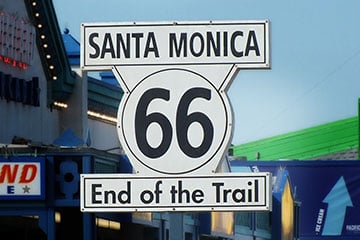
The centennial of Route 66 provides ecommerce content marketers with a unique opportunity to weave the legendary highway’s cultural resonance into their product narratives. For instance, a travel gear company could create content exploring the essential items for a modern road trip inspired by the spirit of Route 66, perhaps highlighting durable luggage, vintage-inspired apparel, or portable tech gadgets. An automotive parts retailer might delve into the history of vehicle maintenance and the evolution of car accessories, linking classic car culture to contemporary product offerings. Even businesses unrelated to travel can find creative angles. A food brand could explore the regional culinary heritage of the towns along Route 66, offering recipes or curated food boxes inspired by classic American diner fare.
The enduring appeal of Route 66 lies in its embodiment of freedom, adventure, and the quintessential American road trip. Content that taps into these themes, perhaps through storytelling, historical anecdotes, or user-generated content campaigns showcasing modern-day journeys along the route, can resonate deeply with consumers. This anniversary offers a chance to celebrate not just a historical highway, but a symbol of a bygone era that continues to capture the imagination. Data from the National Trust for Historic Preservation indicates that historic routes like Route 66 continue to be significant drivers of tourism, generating substantial economic impact for the communities they traverse. This enduring appeal translates directly into potential customer interest for businesses that can authentically connect with the spirit of the open road.
Demystifying the Everyday: The Science Behind Products
November also brings two significant dates dedicated to science: International STEM Day on November 8th and World Science Day on November 10th. These occasions provide an ideal platform for ecommerce businesses to educate their audience by explaining the scientific principles behind the products they sell. Many everyday items, from a cast-iron skillet to a running shoe or a waterproof jacket, rely on fascinating scientific concepts that most consumers take for granted.

Consider the humble cast-iron skillet. Its exceptional heat retention, a key feature for achieving a perfect sear on food, is rooted in its material properties and molecular structure. The dense iron alloy distributes heat evenly and holds it for extended periods, a principle of thermal conductivity and specific heat capacity. Similarly, a high-performance rain jacket utilizes advanced material science. Waterproof membranes, often incorporating microporous or hydrophilic technologies, allow water vapor (sweat) to escape while preventing liquid water (rain) from penetrating. This is a delicate balance of material engineering and physics, often involving concepts like surface tension and vapor pressure. Even the seemingly simple act of brewing coffee involves complex chemistry and physics, with grind size, water temperature, and brewing time all influencing extraction rates and flavor profiles.
Ecommerce content marketers can capitalize on these scientific underpinnings by creating engaging and informative content that answers common customer questions. Instead of simply stating a product is "waterproof," a brand could explain the science behind its waterproofing technology, building trust and highlighting the product’s value. This approach not only educates the consumer but also elevates the perceived quality and sophistication of the product. For instance, a running shoe company could produce a video explaining the biomechanics of running and how the shoe’s cushioning and support systems are designed to optimize performance and reduce injury risk. This type of content moves beyond superficial marketing and provides genuine value, fostering a deeper connection with the brand. Research indicates that consumers are increasingly seeking transparency and understanding about the products they purchase, with a significant percentage willing to pay more for products with clear, science-backed benefits.
A Half-Century Reflection: Revisiting 1976
The year 2026 offers a significant anniversary for retrospective content: 1976. Fifty years ago, the world was a very different place, and looking back provides a compelling opportunity for ecommerce businesses to highlight the evolution of their products, industries, and consumer preferences. This "then and now" approach can be particularly effective in demonstrating how far a brand or product category has come, or how enduring certain qualities have remained.

A fashion retailer, for example, could juxtapose iconic styles and silhouettes from 1976 with contemporary trends, perhaps showcasing how certain vintage elements have been reinterpreted or how fashion has become more diverse and inclusive. An electronics store might compare the bulky, limited functionality of a 1976 television or stereo system with the sleek, multi-functional devices of today, illustrating the rapid pace of technological advancement. A home goods or kitchenware business could explore the appliances, cookware, or even popular recipes from the mid-1970s, contrasting them with modern kitchen innovations and culinary trends.
This retrospective content can take many forms, including compelling photo essays, detailed timelines, engaging video documentaries, or even interviews with long-time customers or industry veterans who recall the era. The objective is not merely to indulge in nostalgia but to leverage the passage of 50 years to tell a more insightful and engaging story about the products being sold. For example, a brand selling classic American furniture might create content that traces the lineage of its designs from the 1970s to the present, highlighting craftsmanship and enduring style. Analyzing market trends from 1976 can also provide valuable insights into consumer behavior shifts over time. The shift from a focus on mass-produced goods to a growing appreciation for artisanal, sustainable, and personalized products is a narrative that can be effectively illustrated by comparing past and present. This approach can humanize a brand and demonstrate its historical relevance and adaptability.
World Television Day: Impact on Consumption and Culture
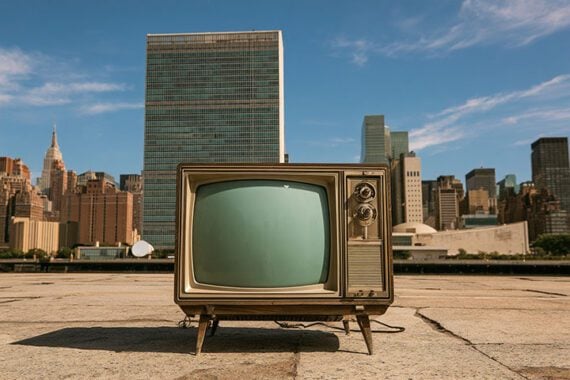
November 21st is recognized globally as World Television Day, commemorating the United Nations’ first World Television Forum in 1996. This event brought together media leaders to discuss television’s profound influence on public opinion, communication, globalization, and cultural exchange. The designation of this day by the UN General Assembly acknowledges television’s role as a powerful medium that has shaped societies for decades.

For ecommerce content marketers, World Television Day offers a fertile ground to explore the intricate relationship between television viewing and consumer behavior. The impact of television on product categories such as fashion, food, home decor, automotive trends, toys, and technology is undeniable. Content could delve into how popular television shows in the past, and even currently, have driven trends in clothing, interior design, or the adoption of new technologies. For instance, a home furnishings retailer could analyze how iconic television sets and living room designs from different eras influenced home decor styles. A toy company might explore how Saturday morning cartoons and children’s programming have historically shaped the toy market.
This theme can be explored through various content formats. A blog post could dissect the influence of a specific iconic TV show on fashion trends over the decades. A video series might feature interviews with industry experts discussing the evolution of product placement and advertising on television. Examining historical data on advertising spend and consumer purchasing patterns correlated with popular television programming can provide concrete evidence of this influence. For example, the rise of the "sitcom kitchen" in the 1980s and 90s, with its emphasis on family gathering spaces and specific appliance trends, directly impacted kitchen design and appliance sales. Understanding this historical relationship can inform current marketing strategies, particularly in how brands can leverage visual storytelling that resonates with audiences accustomed to narrative-driven content.
The Strategic "Anti-Gift Guide": Pro-Fit Over Pro-Gift
As the holiday season approaches, the proliferation of gift guides becomes overwhelming. However, November 2026 presents an opportunity for ecommerce businesses to differentiate themselves by adopting a contrarian approach: the "anti-gift guide," particularly relevant in the context of AI-powered shopping. Instead of simply listing "10 Great Gifts for X," a specialized retailer could publish content like "Don’t Buy Your In-Laws an Espresso Machine."
This type of content moves beyond product promotion to provide genuine, nuanced advice about product suitability. An anti-gift guide for an espresso machine, for example, would not discourage purchasing one entirely but would instead offer a detailed breakdown of who would truly benefit from such a purchase and who might find it more of a burden. It could address practical considerations such as counter space requirements, the learning curve associated with operating and maintaining the machine, the cost of ongoing maintenance and specialty coffee beans, and the specific coffee habits of the intended recipient.
The strategic advantage of this approach lies in its specificity and helpfulness. By offering detailed insights and helping consumers avoid making a poor purchasing decision, a brand builds trust and positions itself as an authority rather than just a seller. This kind of targeted, informative content is highly valuable to AI shopping assistants, providing them with the contextual information needed to make more accurate recommendations. Furthermore, for human readers, it offers a refreshing alternative to generic product roundups, providing entertainment and practical guidance. The "anti-gift guide" is not truly anti-gift; it is pro-fit. It prioritizes finding the right product for the right person, fostering customer satisfaction and loyalty in the long run. This approach aligns with the growing consumer demand for personalized and thoughtful purchasing decisions, moving away from impulsive buying towards considered investments. The success of such content hinges on its ability to be both informative and engaging, offering a unique perspective that resonates with discerning shoppers.

