
Google has recently deployed a significant update to its Google Home platform, extending beyond the anticipated enhancements for its Gemini AI assistant. This comprehensive release introduces a robust collection of fixes and improvements aimed at bolstering the performance and reliability of a wide array of Google’s smart home devices, including Nest cameras, smart speakers, Wi-Fi routers, and Chromecast devices. The update addresses a spectrum of user-reported frustrations, signaling Google’s commitment to refining its existing smart home ecosystem.
This latest iteration is part of Google’s scheduled fortnightly release cycle, a consistent program designed to deliver incremental improvements and security patches. However, the breadth of the changelog in this particular release stands out, indicating a focused effort to resolve persistent issues and elevate the overall user experience across its diverse range of connected home products.
Gemini for Home: Refining AI Interaction and Control
For users leveraging Gemini for Home, the update promises a more dependable interaction with the AI assistant. Voice commands are expected to function with greater accuracy, particularly in scenarios involving the seamless transfer of music playback between different rooms. This addresses a common point of friction where users might experience delays or incomplete execution of such commands. Furthermore, Google has reportedly reduced the frequency of instances where Gemini provides a default "Sorry, I did not understand" response, even when no verbal input has been provided. This points to underlying improvements in the natural language processing (NLP) capabilities and the wake-word detection mechanisms of the assistant.
Voice control integration with YouTube TV on smart displays has also seen enhancements. This suggests refinements in the API integrations and command parsing for popular streaming services, aiming to provide a more intuitive and responsive viewing experience.
Addressing Critical Device Functionality: Alarms, Timers, and Volume Control
A particularly welcome improvement targets a bug that could cause alarm and timer volumes to be inadvertently set to zero. Previously, users might have found themselves missing important alerts due to this malfunction. Google states that affected devices will now synchronize their alarm and timer volumes with the device’s overall volume settings, ensuring greater consistency and reliability.
Another significant correction addresses a nuanced issue related to volume adjustment commands. Previously, instructing Gemini to adjust the volume in a different room could, in some instances, unintentionally alter the volume of the speaker the user was directly interacting with. This fix ensures that voice commands for volume control are more precisely targeted, preventing unintended consequences and enhancing the user’s ability to manage their audio environment.
Google Home App Enhancements: Matter Integration and User Interface Improvements
The Google Home application itself is a key beneficiary of this update, with notable improvements for Android users. Compatible Matter devices, such as garage doors, gates, and windows, will now be represented with more accurate and contextually relevant icons and controls within the app. This visual enhancement aids in quicker identification and more intuitive operation of these smart home accessories.
For Matter-enabled smart plugs and energy monitors, the update introduces the capability to display real-time power consumption and cumulative energy usage directly within the Google Home app. This feature provides users with valuable insights into their energy consumption patterns, empowering them to make more informed decisions about energy efficiency and potentially reduce utility costs. The integration of such granular data reflects a growing trend in smart home technology towards greater transparency and control over resource usage.
A new shortcut has been introduced for compatible thermostats, allowing users to quickly switch to an energy-saving temperature setting before leaving their home. This proactive feature aims to optimize energy usage and contribute to cost savings, aligning with broader sustainability efforts.
For users of foldable Android phones, the update brings enhancements to the camera live viewing experience when transitioning between folded and unfolded modes. This addresses potential usability issues and ensures a smoother visual flow for users of these innovative device form factors.
Hardware Performance and Stability: Nest Speakers, Routers, and Chromecasts
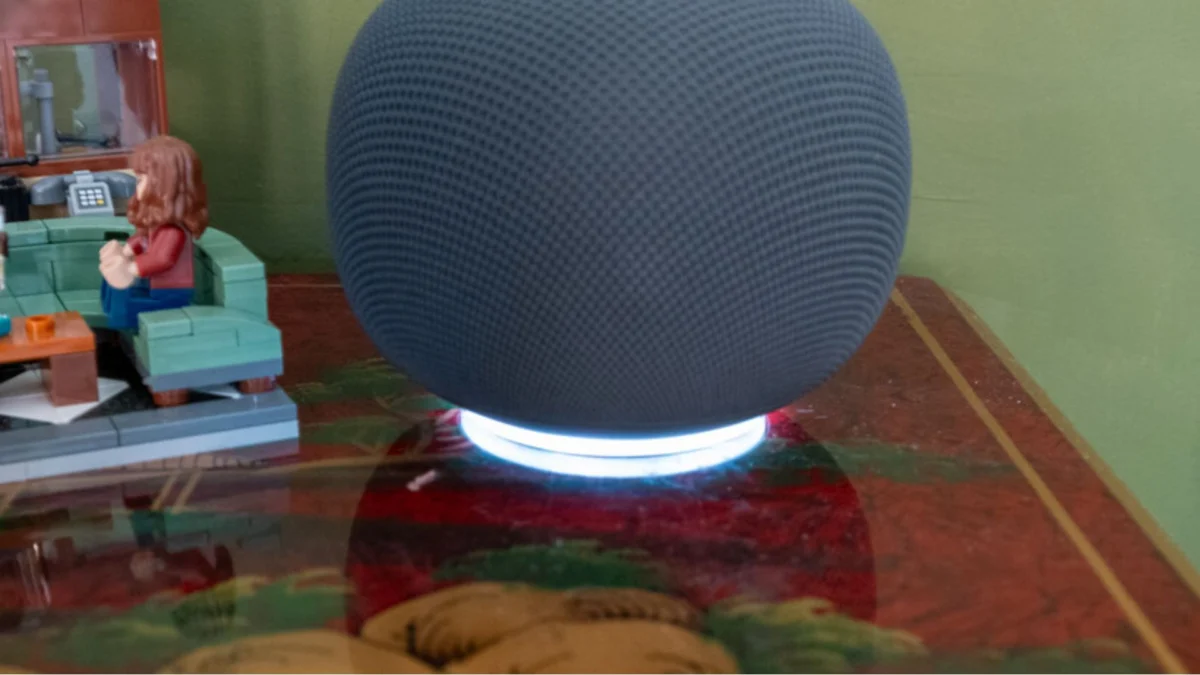
While Gemini may be receiving considerable attention, this update underscores Google’s ongoing commitment to its established hardware. Google Home and Nest speakers are set to benefit from smoother audio streaming, improved clarity at lower volume levels, and adjustments to what some users perceived as overly pronounced bass. These audio refinements are crucial for delivering an enjoyable listening experience, whether for music, podcasts, or ambient sound.
The update also tackles critical connectivity and stability issues. Fixes are in place to address disappearing speaker groups, a problem that could disrupt multi-room audio setups. Furthermore, issues related to Wi-Fi 7 connection failures and unexpected pauses during Bluetooth playback have been resolved, ensuring a more robust and seamless wireless audio experience.
Legacy Nest Cameras: Enhanced Reliability and Detection
Google has not overlooked its older Nest camera hardware. The update includes improvements to Wi-Fi reconnection capabilities, ensuring that cameras are more likely to re-establish stable connections after network interruptions. For first-generation Nest Cams, a fix addresses delayed activation of night vision, a crucial feature for round-the-clock surveillance.
Audio synchronization problems and unexpected restarts affecting the Nest Hello doorbell have also been resolved. These improvements are vital for the core functionality of security devices, ensuring that users can rely on them for accurate and continuous monitoring. Additionally, the Nest Hello doorbell receives enhancements to its person and Familiar Face detection algorithms, aiming to reduce false alerts and improve the accuracy of identifying individuals.
Network Infrastructure and Streaming Devices: Router and Chromecast Updates
Nest Wifi routers and points are receiving improvements to their mesh reliability, which should lead to a more stable and expansive Wi-Fi network coverage throughout the home. Enhancements to DNS fallback mechanisms are also included, potentially improving internet connectivity resilience in the event of primary DNS server issues.
Chromecast devices with Google TV (both HD and 4K models) are being updated with the August 2026 security patch, a testament to Google’s ongoing commitment to device security. Beyond security, these devices also receive streaming and connectivity fixes, aimed at ensuring smoother playback of content and more reliable network performance.
Background and Context: A Fortnightly Cadence of Improvement
Google’s approach to updating its smart home ecosystem is characterized by a consistent, bi-weekly release schedule. This methodology allows for rapid iteration and problem-solving, addressing user feedback and emerging technical challenges in a timely manner. The underlying infrastructure for these updates often involves pushing new firmware to devices and updating the associated mobile applications.
The introduction of Matter, the open-source smart home standard, has played a significant role in Google’s recent smart home strategy. By supporting Matter, Google aims to foster greater interoperability between devices from different manufacturers. This latest update reflects the ongoing integration and refinement of Matter support within the Google Home platform, as evidenced by the improved Matter device icons and controls within the app.
Timeline and Chronology of Smart Home Evolution
Google’s journey in the smart home space began with the introduction of Google Home smart speakers in 2016, followed by the Nest brand acquisition and the subsequent expansion of its hardware portfolio. The development of the Google Home app has been central to managing this ecosystem, evolving from a simple device control interface to a comprehensive hub for smart home automation and AI integration.
The rollout of Gemini into Google’s smart home offerings, starting with the integration into Nest Hub devices, marked a significant shift towards more advanced AI capabilities within the home environment. This update, therefore, represents a continuation of this trajectory, blending AI enhancements with foundational device stability. The specific release date of this update, while not explicitly stated in the provided text, falls within the typical fortnightly cycle, suggesting a recent deployment following the established pattern of Google’s software development.
Supporting Data and Implications: A Deeper Dive into User Experience
While specific user adoption rates for individual Google Home devices are not publicly disclosed, the sheer volume of smart home devices shipped globally provides a relevant backdrop. According to industry reports, the smart home market is projected to continue its growth, with billions of connected devices expected to be in use worldwide. This underscores the importance of reliable software and hardware for a positive consumer experience.
The implications of this update are multifaceted. For consumers, it translates to a more stable, responsive, and feature-rich smart home experience. The resolution of issues like silent alarms, connectivity failures, and audio glitches directly impacts the daily usability and trustworthiness of these devices. For Google, it signifies a strategic investment in maintaining customer satisfaction and loyalty within a competitive smart home market. By addressing the needs of users with existing hardware, Google reinforces its commitment to its product ecosystem, potentially mitigating the need for users to prematurely upgrade their devices.
Furthermore, the enhancements to Matter integration are crucial for the broader adoption of the standard. As more devices become seamlessly integrated and controllable through platforms like Google Home, the appeal of a unified smart home experience grows, benefiting both consumers and manufacturers involved in the Matter alliance. The focus on energy monitoring also aligns with a growing global awareness of sustainability and the desire for tools that help manage resource consumption.
Official Responses and Future Outlook
While direct quotes from Google representatives regarding this specific update are not provided in the original article, the nature of the release—a comprehensive set of fixes and improvements—suggests a proactive response to user feedback and internal testing. Google’s consistent release cadence and the detailed changelogs provided on their support pages indicate a transparent approach to communicating software updates.
The ongoing development of Gemini and its integration into the smart home ecosystem, coupled with this focus on device stability, points towards a future where AI and robust hardware performance are intrinsically linked. Users can likely expect continued advancements in AI-driven automation, predictive capabilities, and more naturalistic interactions with their smart home devices. The emphasis on security patches, such as the August 2026 update for Chromecast, also highlights Google’s long-term commitment to supporting its products and protecting users from emerging threats.
In conclusion, this latest Google Home update represents a significant effort to refine and stabilize its smart home offerings. By addressing a wide range of issues across its hardware and software, Google aims to enhance user experience, bolster device reliability, and pave the way for future innovations in the connected home. The update demonstrates that while AI advancements are crucial, the fundamental performance and stability of existing devices remain a paramount concern for the company.

