
The rapid integration of artificial intelligence, particularly large language models like ChatGPT, into consumer decision-making processes is creating new frontiers for e-commerce analytics. A common interaction within ChatGPT involves users seeking product recommendations or comparisons. In response, the AI typically generates lists of products, complete with their prices, key features, and crucially, direct links to purchase. This capability presents a significant, yet often under-analyzed, opportunity for online retailers to understand and capitalize on AI-influenced purchasing behavior. By meticulously tracking these referral links, businesses can gain invaluable insights into consumer intent and the effectiveness of AI as a sales channel.
The Mechanics of AI-Generated Product Referrals
When a user prompts ChatGPT with queries such as "Best headphones for running in 2026," the AI’s response is designed to be directly actionable. The example provided showcases ChatGPT recommending specific products like the Shokz OpenRun Pro 2 (priced at $179) and the Beats Powerbeats Pro 2 (priced at $239.99), detailing their respective features and drawbacks. The critical element for e-commerce tracking lies within the URLs appended to these recommendations. These links are often embedded with specific tracking parameters, most notably utm_source=chatgpt.com&utm_medium=feed.

These UTM parameters function as digital fingerprints, allowing website analytics tools to identify the origin of incoming traffic. For e-commerce companies, this means the ability to segment and analyze data specifically from users who were directed to their products via ChatGPT. This granular level of tracking moves beyond traditional referral sources like search engines or social media, offering a direct line of sight into the influence of conversational AI on consumer journeys.
Establishing a Data-Driven Approach: Leveraging Google Analytics
The implementation of a robust tracking strategy for ChatGPT referrals hinges on the effective use of web analytics platforms, with Google Analytics being a primary tool for many businesses. By configuring Google Analytics to recognize and isolate traffic from these specific UTM parameters, companies can begin to quantify the impact of AI recommendations.
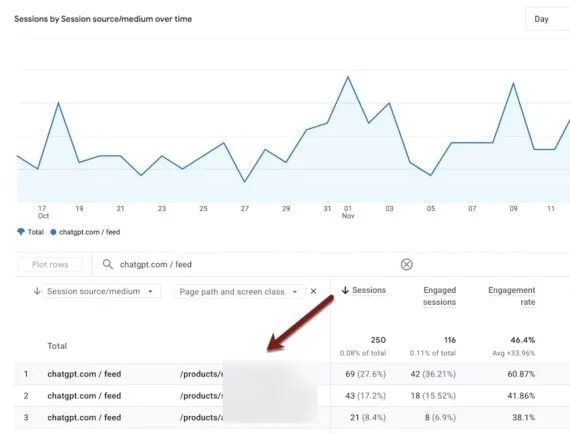
The process typically involves navigating to the "Traffic Acquisition" report within Google Analytics. Here, users can employ the search functionality to filter for sessions originating from "chatgpt.com / feed." This initial step is crucial for isolating all visitors who arrived at the website through ChatGPT’s recommendation links. This filtered view provides a foundational dataset, allowing businesses to see the overall volume of traffic driven by this emerging AI channel.

Deep Dive into Product-Specific Performance
Beyond understanding the aggregate traffic from ChatGPT, a more sophisticated analysis involves identifying which specific product pages are being referred and how they are performing. Once the initial filter for utm_source=chatgpt.com&utm_medium=feed is applied, users can then introduce a secondary dimension to the report. Expanding the "Page / screen" dimension and selecting "Page path and screen class" (or similar relevant metric depending on the GA version) allows for the examination of the exact URLs visited by these ChatGPT-referred users.
This level of detail is invaluable. It allows e-commerce managers to see, for instance, that ChatGPT recommendations are driving significant traffic to a particular model of running headphones, or perhaps a specific type of smart home device. The resulting report will display a list of product pages, ranked by the number of sessions originating from ChatGPT. This data can highlight which product categories or specific SKUs are gaining traction through AI recommendations, offering direct insights into consumer interest as curated by AI.
Analyzing Engagement and Conversion Metrics
The insights gleaned from tracking ChatGPT referrals extend beyond mere traffic volume. By examining engagement metrics such as bounce rate, time on page, and conversion rates for these specific traffic segments, businesses can assess the quality and intent of the traffic. A low bounce rate and high time on page for a product page referred by ChatGPT might indicate that the AI’s recommendation was highly relevant to the user’s needs, leading to deeper engagement. Conversely, a high bounce rate could suggest a mismatch between the recommendation and the user’s expectations, or perhaps issues with the product page itself.

The ultimate measure of success, of course, is conversion. By tracking e-commerce conversion rates for ChatGPT-referred traffic, businesses can directly attribute sales to AI recommendations. This data can inform marketing strategies, inventory management, and even product development by highlighting what resonates with consumers when guided by AI.
Understanding the Mobile vs. Web User Experience
A significant trend in AI usage is the prevalence of mobile devices. Many users interact with platforms like ChatGPT through their dedicated mobile applications. This distinction is critical for e-commerce analysis. By further segmenting the ChatGPT referral traffic by device type (mobile vs. web), businesses can gain a clearer understanding of user behavior across different platforms.
A report comparing mobile versus web traffic from ChatGPT can reveal that the majority of referrals originate from mobile devices. This finding has several implications:

- Mobile Optimization is Paramount: It underscores the critical importance of ensuring that product pages and the overall website experience are fully optimized for mobile users, including fast loading times, intuitive navigation, and easy checkout processes.
- App Integration Potential: It might also suggest opportunities for deeper integration or partnerships with AI platforms that are heavily used via mobile apps.
- User Context: Understanding that users might be seeking recommendations on the go can inform the type of information presented on product pages, emphasizing quick-glance benefits and ease of purchase.
Strategic Implications and Future Opportunities
The ability to track and analyze ChatGPT referral traffic opens up several strategic avenues for e-commerce businesses:
Optimizing Product Detail Pages (PDPs) Based on AI Curation
The data on which product pages perform best via ChatGPT recommendations offers a unique feedback loop for optimizing PDPs. If a particular product consistently ranks high in ChatGPT recommendations, it prompts an investigation into why.
- Search Engine Ranking: Does this product rank highly in organic search results, suggesting that ChatGPT’s algorithms might be influenced by existing SEO performance? This highlights the synergistic relationship between SEO and AI recommendation engines.
- Content Quality: Are the product descriptions exceptionally clear, comprehensive, and persuasive? Do they effectively address common user questions or use cases?
- User-Generated Content: Does the product benefit from a strong volume of positive reviews or detailed Q&A sections? These elements can provide the rich information that AI models leverage.
- Visual Appeal: High-quality imagery and video demonstrations on the PDP can significantly influence AI’s perception of a product’s desirability.
By dissecting the characteristics of top-performing PDPs, businesses can refine their content strategy to not only improve organic search visibility but also to make their products more appealing to AI recommendation systems. This iterative process can lead to a virtuous cycle of improved discoverability and increased sales.

Identifying Emerging Trends and Consumer Needs
The types of queries users make to ChatGPT and the products it subsequently recommends can serve as an early indicator of emerging consumer trends and unmet needs. If there’s a surge in recommendations for a particular niche product category, it might signal a growing consumer interest that is not yet fully captured by traditional market research.
For example, a sudden increase in ChatGPT-driven traffic for eco-friendly home cleaning supplies could point to a growing consumer shift towards sustainability. Businesses can leverage this foresight to adjust their product offerings, marketing messages, and inventory levels proactively. This preemptive approach allows them to capitalize on nascent trends before they become mainstream.
Enhancing Competitive Analysis
By observing which of their competitors’ products are frequently recommended by ChatGPT, businesses can gain valuable competitive intelligence. This information can inform pricing strategies, product feature development, and marketing differentiation efforts. Understanding what AI deems valuable in a competitor’s offering can provide clues about market gaps or successful product positioning strategies.

Refining Affiliate and Partnership Strategies
For businesses engaged in affiliate marketing or seeking partnerships, understanding the role of AI in driving traffic is crucial. If AI is a significant referrer for a particular product or category, exploring direct partnerships with AI platform providers or content creators who leverage these tools might become a strategic priority. The utm_source=chatgpt.com&utm_medium=feed parameter provides a quantifiable metric for assessing the value of such collaborations.
The Evolving Landscape of AI and E-commerce
The integration of AI into the consumer journey is not a fleeting trend but a fundamental shift in how people discover, evaluate, and purchase products. As AI models become more sophisticated and widely adopted, their influence on e-commerce is poised to grow exponentially.
Companies that proactively embrace the tools and methodologies to track and analyze AI-driven referral traffic will be best positioned to adapt and thrive in this evolving landscape. The ability to understand the intricate pathways through which consumers are guided by AI, and to translate those insights into actionable strategies, will be a key differentiator for success in the future of online retail. The data derived from tracking parameters like utm_source=chatgpt.com&utm_medium=feed is not merely analytical; it is a roadmap to understanding and influencing the next generation of consumer behavior.

