
The Unspoken Curriculum: Why Observational Learning Matters
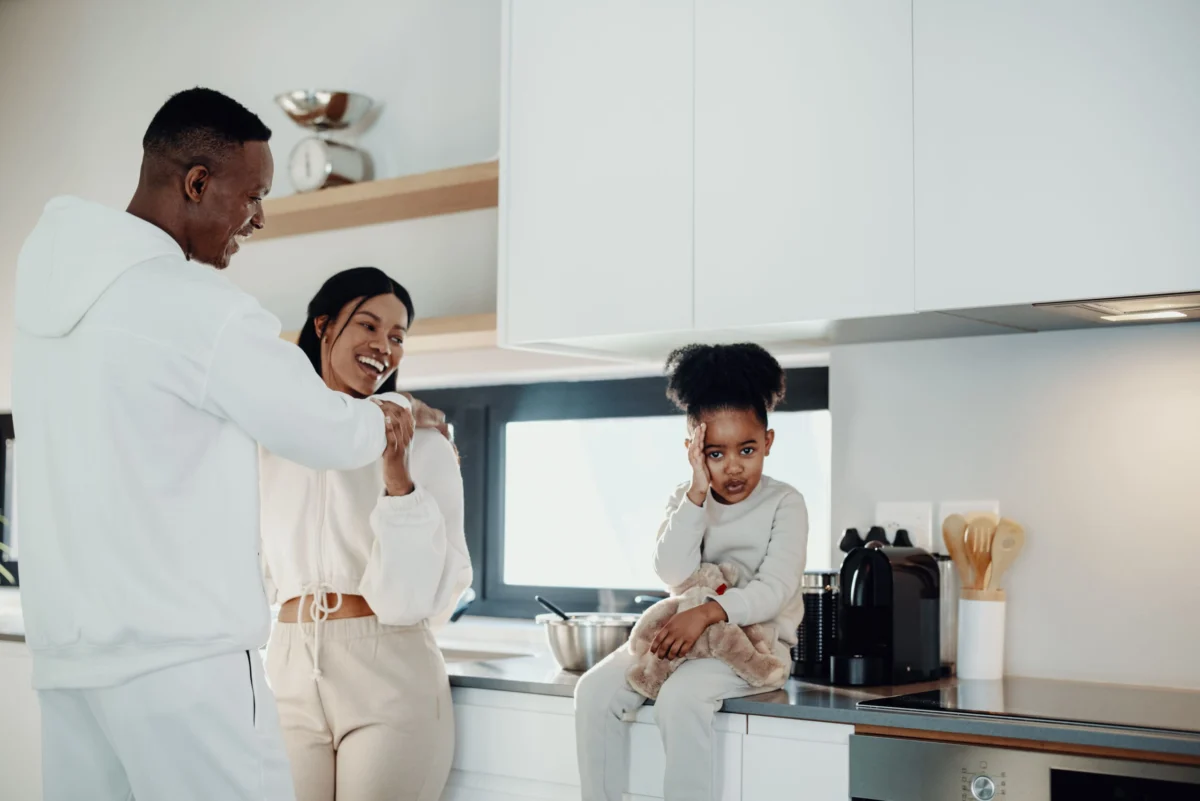
Child development specialists consistently highlight the power of observational learning, a concept deeply rooted in social learning theory. From infancy through adolescence, children process countless interactions, forming mental models of how relationships function. This is not merely about mimicking specific behaviors but internalizing underlying values, communication styles, and coping mechanisms. Psychologists note that children, even when seemingly engrossed in their own activities, are acutely attuned to parental non-verbal cues—a dismissive shrug, a subtle eye-roll, or a shared glance—interpreting these as significant data points about the health and nature of their parents’ bond. This continuous processing of marital interactions contributes significantly to a child’s relational script, influencing their expectations, fears, and behaviors in their own future partnerships.
Chronology of Influence: From Early Childhood to Adolescence
The impact of parental marriage evolves with a child’s cognitive and emotional development. In early childhood (ages 0-5), children primarily absorb the emotional climate of the home. They sense tension, affection, security, or instability. A consistent atmosphere of warmth and mutual respect between parents fosters a secure attachment style in children, providing a safe base from which to explore the world. Conversely, exposure to frequent, unresolved conflict or emotional distance can lead to insecurity and anxiety.
During middle childhood (ages 6-12), children begin to understand more complex social dynamics. They not only observe behaviors but also start to interpret their meaning. They notice how parents resolve disagreements, express affection, and manage shared responsibilities. This is a critical period for internalizing concepts of fairness, apology, and forgiveness within a relational context.
By adolescence (ages 13-18), children are capable of sophisticated analysis. They critically evaluate their parents’ relationship, often comparing it to peer relationships or idealized media portrayals. They consciously or unconsciously draw conclusions about what constitutes a "good" or "bad" marriage, what commitment entails, and how challenges are navigated. These conclusions become integral to their own emerging identity and their approach to romantic relationships. Longitudinal studies have indicated that patterns observed during these formative years can predict relationship satisfaction and stability in adulthood.
Modeling Conflict Resolution: Beyond the Absence of Discord
One of the most profound lessons children learn is how to navigate conflict. While a conflict-free marriage might seem ideal, experts argue that it is the management of conflict, rather than its absence, that provides invaluable lessons. Research by the Gottman Institute, for instance, has extensively documented the patterns of conflict resolution that distinguish stable, happy marriages from those that fail. Children who witness parents engage in constructive disagreements—characterized by active listening, empathy, validation, and a commitment to finding common ground—learn essential skills for their own future relationships.
Conversely, exposure to destructive conflict patterns, such as stonewalling, criticism, defensiveness, or contempt, can be deeply detrimental. Studies have shown that children exposed to high levels of parental conflict are at increased risk for emotional and behavioral problems, including anxiety, depression, and aggression. They may also internalize a belief that conflict is inherently threatening or that relationships are fragile. Ted emphasizes that allowing children to see parents cool off, return to discussions, and articulate their feelings without resorting to passive-aggressive behaviors or outright hostility, provides a realistic and healthy model for relationship repair. This demonstrates that disagreements are a natural part of relationships and can be overcome, fostering resilience rather than fear.
Cultivating Affection and Mutual Regard: The Emotional Blueprint
Beyond conflict, the everyday expressions of affection and mutual regard between spouses create the emotional blueprint for children. When children witness their parents genuinely enjoy each other’s company—through laughter, shared activities, physical affection, or simple gestures of care—they internalize the idea that marriage is a source of joy and companionship, not merely a functional arrangement. This contributes to a positive perception of intimacy and partnership.
Conversely, a marriage characterized by emotional distance, a lack of shared enjoyment, or a sense of duty rather than delight, can teach children that long-term relationships are devoid of passion or warmth. A 2017 study published in the Journal of Family Psychology highlighted that parental expressions of warmth and positive marital interactions were significant predictors of children’s social competence and emotional well-being. These subtle, consistent cues—a quick touch, a shared smile, genuine interest in each other’s day—communicate a deep liking and respect that transcends the functional aspects of co-parenting and household management. This modeling encourages children to seek out and cultivate relationships that are rich in affection and mutual enjoyment.
Partnership or Obligation: The Marital Framework Children Internalize
The operational dynamic between spouses—whether they function as a united team or as two individuals burdened by shared obligations—provides another critical lesson. When children observe parents treating each other as teammates, collaborating on decisions, supporting each other’s endeavors, and speaking respectfully about one another, they learn the value of partnership. This cooperative model fosters a sense of security and stability within the family unit. Children in such environments often develop stronger social skills and a more optimistic outlook on shared responsibilities.
Conversely, if parents consistently communicate through a lens of obligation, resentment, or competition, children may perceive marriage as a duty or a source of contention. The tone of parental interactions, whether it conveys gratitude for a partner’s contribution or a sense of martyrdom, sets a powerful expectation for children regarding what a marital commitment entails. Sociological research frequently points to the benefits of strong co-parenting alliances, which extend beyond parenting tasks to the overall marital relationship, influencing child development outcomes. Children who witness their parents navigating differences—be it in financial philosophy or daily routines—with a spirit of collaboration, are more likely to approach their own future partnerships with an understanding of shared effort and mutual respect, rather than a sense of individual burden.
The Art of Repair: Teaching Forgiveness and Accountability
The capacity for repair within a relationship, particularly after a misstep or disagreement, is a cornerstone of long-term marital health. Children observe whether their parents admit fault, offer genuine apologies, and extend forgiveness. This modeling of accountability and grace teaches children that relationships are resilient and that mistakes do not necessarily spell the end of a bond. When parents demonstrate the ability to say "I’m sorry" and genuinely work to make amends, they teach children the vital components of emotional intelligence: self-awareness, empathy, and conflict resolution.
A consistent pattern of unresolved conflict, lingering grudges, or a refusal to apologize can teach children a damaging lesson: that relationships are fragile, that admitting fault is a sign of weakness, or that forgiveness is unattainable. This can lead to a tendency to avoid conflict altogether or to hold onto resentment, both of which are detrimental to healthy relationships. The American Academy of Pediatrics has emphasized the importance of parents modeling healthy communication and problem-solving, including the crucial act of apology and reconciliation, as these behaviors contribute significantly to a child’s emotional regulation and interpersonal skills. Observing parents navigate the process of repair, demonstrating that relationships are strong enough to withstand imperfections and that healing is possible, instills a profound sense of hope and practicality about love and commitment.
Upholding Commitments: The Foundation of Trust
Promises, both explicit and implicit, form the fabric of relational trust. Children are keen observers of whether their parents’ words align with their actions. They notice consistency or inconsistency in how parents "show up" for each other, follow through on commitments, and prioritize their shared bond. This observation shapes their understanding of what it means to be reliable and trustworthy in a relationship. When parents consistently honor their marital vows through their daily conduct, children learn that commitments are meaningful and enduring. This builds a foundation of security and predictability within the family.
Conversely, if children observe a pattern of broken promises, unfulfilled expectations, or a casual approach to commitment, they may develop cynicism about the reliability of others and the stability of long-term relationships. This can manifest as difficulty trusting, fear of abandonment, or a reluctance to commit themselves. Studies in developmental psychology suggest that a secure sense of parental reliability is crucial for a child’s emotional and social development, fostering a belief in the dependability of relationships. The consistent demonstration of commitment, not just in grand gestures but in the everyday acts of faithfulness and prioritization, teaches children that enduring love is built on a foundation of trust and consistent effort.
Embracing Imperfection: The Reality of Enduring Love
Perhaps the most liberating lesson children can learn is that perfection is not the goal in marriage. No relationship is without its struggles, and striving for an unattainable ideal can be counterproductive. When children see their parents navigate challenges, make mistakes, and yet consistently choose to fight for their marriage and for each other, they learn a powerful lesson about resilience and realistic expectations. This teaches them that real love is not about flawless harmony but about persistent effort, forgiveness, and mutual growth through adversity.
Parents who are transparent (within appropriate boundaries) about their struggles and their commitment to overcoming them model authenticity. This contrasts sharply with the potentially damaging message of presenting a facade of perfection, which can leave children feeling inadequate or believing that their own future relationships must be flawless to be valid. The National Council on Family Relations highlights the importance of fostering realistic expectations about marriage, emphasizing that growth and adaptation are integral to long-term success. Children who witness their parents as human—experiencing highs and lows, but always returning to a place of mutual commitment and effort—are better equipped to approach their own relationships with grace, patience, and a healthy understanding that enduring love is a journey of continuous learning and choosing.
Long-Term Implications: Shaping Future Generations
The cumulative effect of these observational lessons extends far beyond the individual child. It contributes to the intergenerational transmission of relationship patterns. A child’s marital inheritance, therefore, is not merely genetic or material; it is a complex tapestry of learned behaviors, expectations, and values regarding intimate partnerships. This inheritance can profoundly influence their choice of partner, their communication style, their conflict resolution strategies, and their overall satisfaction in their own adult relationships.
Societal implications are also significant. A generation of individuals raised in homes where healthy marital dynamics were consistently modeled is likely to contribute to more stable families and stronger communities. Conversely, widespread exposure to dysfunctional marital patterns can perpetuate cycles of relational distress. Public health initiatives increasingly recognize the link between stable family environments and broader societal well-being, underscoring the importance of supporting healthy marriages.
Expert Perspectives and Recommendations
Leading family therapists and child development specialists consistently advocate for parents to be intentional about the relational environment they create. While perfection is unattainable, conscious effort to model positive behaviors is paramount. Key recommendations often include:
- Prioritizing Relational Health: Actively investing in the marital relationship, recognizing its foundational role in family well-being.
- Mindful Communication: Practicing respectful, open, and empathetic communication, especially during disagreements.
- Demonstrating Affection: Regularly expressing love and appreciation for one another, both verbally and non-verbally.
- Practicing Repair: Learning and modeling effective strategies for apology, forgiveness, and reconciliation.
- Fostering Teamwork: Presenting a united front in parenting and life decisions, demonstrating partnership.
- Embracing Authenticity: Allowing children to see the reality of marriage, including its challenges, alongside the commitment to navigate them together.
Ted, in his professional capacity, frequently reiterates these points, emphasizing that the most impactful lessons are often those taught inadvertently through consistent daily interactions.
Conclusion: The Lasting Marital Legacy
The profound influence of parental marriage on children is an undeniable aspect of human development. Every interaction, every glance, every conversation, contributes to a child’s evolving understanding of relationships. This "unspoken curriculum" shapes not only their immediate well-being but also their future relational trajectories. As children grow into adults, they carry with them the indelible lessons absorbed from their parents’ union. The question for every parent, therefore, is not whether their marriage will teach their children something, but rather, what invaluable inheritance of relational wisdom and resilience they wish to bestow upon the next generation. It is a legacy forged not in grand declarations, but in the quiet, consistent, and authentic daily choice to honor and nurture the marital bond.

