
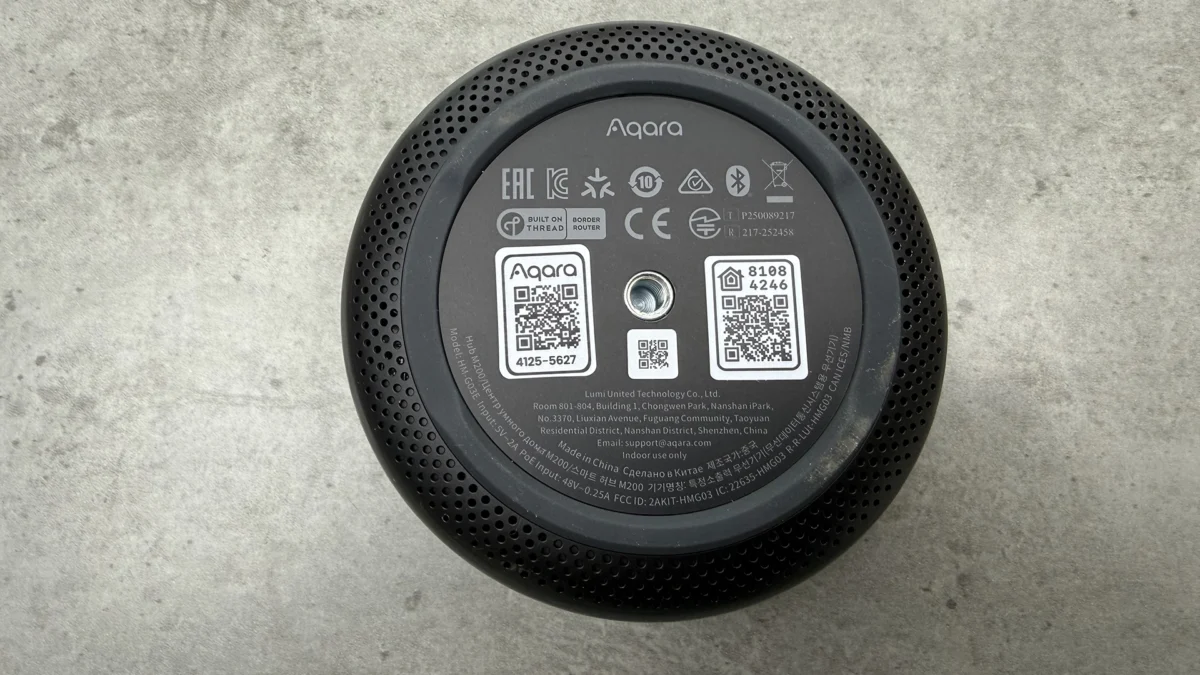
The evolution of the smart home hinges on the seamless integration and automated execution of tasks, from lights illuminating upon entry to climate control systems intelligently adjusting based on occupancy. This sophisticated automation relies fundamentally on devices communicating within a unified ecosystem, whether powered by established platforms like Amazon Alexa, Google Home, Homey, or Apple HomeKit. A significant and rapidly growing trend within this landscape is the adoption of Matter, a new connectivity standard designed for direct, local control of smart home devices. However, many existing devices continue to rely on cloud-based connections, raising a crucial question for consumers: which method offers the superior smart home experience? The answer, as is often the case in technology, depends on individual priorities and desired outcomes. For those embarking on the journey of outfitting their homes with the latest smart technology, a comprehensive guide to the best Matter-enabled smart home devices and controllers serves as an indispensable starting point.
Understanding the Matter Standard
Matter, a unified smart home standard, is the product of a collaborative effort involving industry giants such as Apple, Google, Amazon, Samsung, and a broad coalition of hundreds of device manufacturers. Its core principle is to enable smart home devices to communicate directly with a controller on the user’s home network. This controller can take various forms, including smart speakers, smart displays, Apple TV devices, or dedicated smart home hubs. Connectivity is facilitated through robust protocols like Wi-Fi, Ethernet, and Thread, a low-power, mesh networking technology specifically designed for the Internet of Things. Furthermore, Matter’s interoperability extends to legacy systems through bridges; for instance, integrating a Philips Hue Bridge into a Matter system allows all compatible Hue lights and controllers to become accessible within the Matter ecosystem.
The advantages offered by the Matter standard are multifaceted and address several long-standing pain points in the smart home arena. Foremost among these is the paradigm shift towards direct, local control. This means that even in the event of an internet outage, Matter-enabled devices and their associated automations can continue to function seamlessly. This resilience is a significant upgrade from cloud-dependent systems, which often falter when internet connectivity is compromised.
Another compelling benefit of Matter is its promise of enhanced speed and responsiveness. By eliminating the need for commands to traverse the internet to manufacturer servers and then back to the device, control requests are processed directly on the local network. This results in significantly faster reaction times for everyday actions, such as turning on lights or adjusting thermostats, contributing to a more fluid and intuitive user experience. The reduction in latency is particularly noticeable in time-sensitive automations.
However, Matter is not without its limitations, and understanding these is crucial for making informed purchasing decisions. A primary constraint is the adherence to prescribed device types. Matter defines standardized capabilities for each device category. For example, a Matter-certified light bulb is guaranteed to support basic on/off, brightness, color temperature, and color controls. However, manufacturer-specific advanced features or custom scenes, often accessible through proprietary apps, may not be directly controllable via Matter. This means that while core functionality is universally accessible, the full spectrum of a device’s capabilities might still require the manufacturer’s native application.
The process of adding Matter devices can also be more time-consuming compared to some existing cloud-based solutions. For instance, setting up a Tado X smart radiator valve system using Matter might involve individually pairing each valve. In contrast, older systems like Tado V3 allowed for the entire system to be connected and managed through a single cloud integration, simplifying the initial setup for multiple devices. Similarly, while Matter control for a Tado X system allows for basic functions like turning a radiator on or off and setting a target temperature, advanced features such as the Boost function or a system-wide "off" command may still be exclusively accessible through the Tado app, highlighting where cloud connectivity still offers a richer feature set.
The Enduring Role of Cloud Connections
In contrast to Matter’s local-first approach, cloud-connected smart home devices operate on a different architectural model. With a cloud connection, a device establishes a direct link to its manufacturer’s servers. When a user interacts with their smart home platform – for instance, by asking Alexa to turn on a light – the command originates from Amazon’s servers, then relays to the manufacturer’s servers, and finally travels back down to the device in the user’s home. This method has been the predominant mode of operation for smart home devices for many years, underpinning a vast and diverse ecosystem of products.
The primary advantage of cloud connections lies in their comprehensive feature access and broad compatibility. Users typically enjoy full access to every feature and setting available within the manufacturer’s dedicated mobile application. This often includes advanced functionalities, custom scene creation, and detailed device diagnostics that may not be part of the Matter standard’s current specifications. Furthermore, cloud-based devices often offer remote control capabilities without requiring a dedicated home hub, as the internet connection inherently provides the pathway for access from anywhere in the world. This has historically supported a vast array of products, from niche sensors to complex home automation systems.
However, the reliance on the internet and the manufacturer’s infrastructure introduces inherent vulnerabilities. The most significant downside is the complete dependency on an active internet connection and the continued operation of the manufacturer’s servers. If either the user’s broadband connection falters or the manufacturer experiences an outage, control of the smart home devices is lost. Automations that depend on cloud communication will cease to function. Moreover, users are beholden to the manufacturer’s business decisions. A device’s functionality can be altered, features removed, or even the device rendered inoperable if the company decides to change its service model, introduce subscription fees, or, in the worst-case scenario, discontinue its cloud services altogether. This creates a long-term risk of technological obsolescence or vendor lock-in.
Matter vs. Cloud: A Comparative Analysis
To provide a clearer picture of the distinctions, a direct comparison between Matter and cloud-based connectivity highlights their respective strengths and weaknesses across various critical aspects:
| Feature | Matter | Cloud |
|---|---|---|
| Operational Mechanism | Devices communicate directly with a local controller over the home network (Wi-Fi, Thread, or Ethernet). | Commands are routed through the manufacturer’s servers via the internet, often integrated with platforms like Alexa or Google Home. |
| Internet Dependency | Local control and automations continue to function without an internet connection (hub dependent). | Requires a stable internet connection; control and automations cease if the internet or manufacturer’s servers are unavailable. |
| Speed & Responsiveness | Fast and consistent due to local network processing; commands do not involve external server round trips. | Slower and less predictable as commands travel to external servers and back, introducing latency. |
| Cross-Platform Compatibility | Designed for universal compatibility across major ecosystems like Apple Home, Google Home, Alexa, SmartThings, and Home Assistant. | Compatibility is dependent on the manufacturer’s specific integrations and supported platforms, often requiring separate skills or links. |
| Simultaneous Ecosystem Use | Supports multi-admin functionality, allowing a device to be controlled by multiple Matter ecosystems concurrently (e.g., Apple Home and Alexa). | Possible, but each link to a different platform represents a separate cloud integration, which can become complex to manage. |
| Hub Requirement | Necessitates a Matter controller (e.g., smart speaker, smart display, Apple TV, or hub). Thread devices also require a Thread border router. | Typically does not require a separate hub, relying instead on the manufacturer’s app; some brands may use proprietary bridges. |
| Feature Access | Limited to features defined by the Matter standard for a given device type; advanced manufacturer-specific features may still require the native app. | Provides full access to all features and settings available within the manufacturer’s proprietary application. |
| Remote Access | Achieved through the user’s chosen smart home platform’s hub functionality. | Built directly into the manufacturer’s app, offering seamless remote access without additional configuration. |
| Setup Process | Simplified setup via QR code scanning or pairing code entry within any Matter-compatible application. | Requires creating an account within the manufacturer’s app and then linking it to each desired smart home platform. |
| Privacy Considerations | Control data remains within the user’s home network, enhancing privacy. | Usage data is transmitted to and processed by the manufacturer’s servers, introducing potential privacy concerns. |
| Long-Term Viability | High. Devices continue to function locally even if the manufacturer discontinues support or goes out of business. | Higher risk. Devices can become inoperable if the manufacturer ceases service, alters its integration policies, or introduces subscriptions. |
| Device Selection | Growing rapidly, but certain device categories and advanced features may still be limited or unavailable. | Extremely wide selection, encompassing older models, niche products, and devices with highly specialized functionalities. |
| Optimal Use Case | Prioritizes reliability, interoperability across different ecosystems, and future-proofing. | Ideal for accessing every available feature of a device or for smart home components that are not yet Matter-certified. |
Strategic Choices for Smart Home Integration
The decision between adopting Matter-enabled devices or continuing with cloud-connected solutions hinges on the user’s primary objectives for their smart home.
Opt for Matter if your priorities include:

- Enhanced Reliability and Resilience: For users who value a smart home that functions consistently, even when internet connectivity is disrupted, Matter’s local control is a significant advantage. This ensures that essential automations, like security lighting or climate control, remain operational.
- Speed and Responsiveness: If swift and immediate reactions from smart devices are a priority, Matter’s direct local communication offers a noticeable improvement in performance over cloud-dependent systems.
- Interoperability Across Ecosystems: Matter’s core design principle is to break down walled gardens. If you wish to integrate devices from various manufacturers and control them seamlessly through different platforms like Alexa, Google Home, and Apple HomeKit simultaneously, Matter is the clear choice.
- Future-Proofing Your Investment: As the smart home industry increasingly standardizes on Matter, investing in these devices ensures greater compatibility with future products and platforms, reducing the risk of obsolescence.
- Privacy-Conscious Operation: For individuals concerned about the privacy implications of their smart home data being routed through third-party servers, Matter’s local processing offers a more secure and private environment.
A cloud connection remains a sensible choice if you seek:
- Maximum Device Functionality: When accessing every advanced feature, custom scene, or unique setting offered by a particular device is paramount, cloud-based systems often provide a more complete experience, as these are typically managed through proprietary apps.
- Access to a Wider Range of Devices: For older smart home gadgets, specialized equipment, or devices that have not yet been updated to support Matter, cloud connectivity is currently the only viable option for integration into a broader smart home system.
- Simplicity for Standalone Devices: If you are using a smart device primarily through its manufacturer’s app and do not intend to integrate it deeply into a multi-platform ecosystem, a cloud connection offers a straightforward setup and remote access without the need for additional hub hardware.
- Remote Access Without a Hub: Many cloud-connected devices offer inherent remote access capabilities through their native apps, eliminating the need for a separate smart home hub for basic remote control.
In essence, Matter excels in providing a robust foundation for everyday smart home control, emphasizing reliability and interoperability. Conversely, cloud connections remain the preferred method for unlocking the full, often nuanced, feature set of individual devices and for accessing the broadest spectrum of available smart home products.
The Synergistic Future: Embracing Both Worlds
The dichotomy between Matter and cloud connectivity is not necessarily an either/or proposition. A growing number of smart home devices are being designed to support both Matter and their original cloud-based functionalities. This hybrid approach allows consumers to leverage the best of both worlds. Users can utilize Matter for fast, reliable local control and automations for everyday tasks, while retaining access to the manufacturer’s native app for advanced settings, firmware updates, and accessing features not yet standardized by Matter.
This trend is evident in platform updates and manufacturer strategies. For example, Philips Hue lights, a long-standing player in the smart lighting market, now offer local Matter control within Google Home, demonstrating a commitment to integrating new standards while maintaining their established cloud infrastructure. This dual support ensures that users benefit from the speed and privacy of local control for common operations while still having access to the full suite of features and potential for future enhancements provided by the manufacturer’s ecosystem. As the smart home landscape continues to mature, this integrated approach is likely to become the norm, offering a more flexible and comprehensive user experience.
Frequently Asked Questions
Do Matter devices work without the internet?
Yes, Matter devices can function for local control and automations within your home network even when the internet is down. However, certain features, such as remote access from outside your home, voice assistant commands that require cloud-based speech processing, and firmware updates, will still necessitate an internet connection.
Do I need a hub for Matter?
You require a Matter controller to manage your Matter devices. Fortunately, many modern smart speakers, smart displays, and streaming media devices now incorporate Matter controller capabilities, meaning you might already possess the necessary hardware. For devices utilizing the Thread protocol, a Thread border router is also required, which is often integrated into the same devices that act as Matter controllers.
Can a device use Matter and the cloud at the same time?
Absolutely. Many manufacturers are designing their devices to be compatible with both Matter and their existing cloud-based services. This allows users to add devices to their Matter ecosystem for local control while still retaining the ability to use the manufacturer’s app for advanced configurations and features. It is advisable to avoid adding the same device to a single platform through both Matter and a cloud integration simultaneously, as this can lead to duplicate device entries and management confusion.
Is Matter more secure than the cloud?
Matter employs robust security measures, including end-to-end encryption and device certification processes, to ensure secure communication. By keeping control operations within the user’s home network, Matter inherently reduces the amount of sensitive data that needs to traverse the public internet, thereby enhancing privacy and security. While cloud services can also implement strong security protocols, the reliance on third-party servers introduces additional potential points of vulnerability and data exposure compared to a localized Matter network.

