
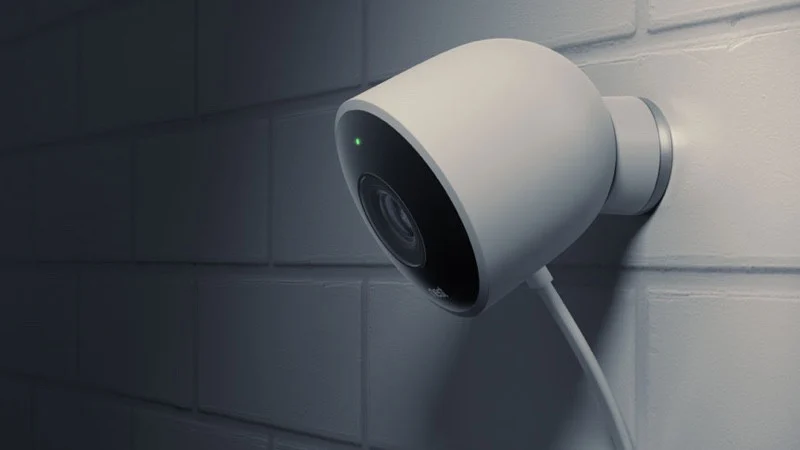
Google has implemented a significant price adjustment across a substantial portion of its Nest security product line in the United States, with cameras and video doorbells now commanding up to $50 more per unit. This shift, which became effective on August 31, has been attributed by Google to escalating costs associated with essential components. The move impacts five key Nest products, with most experiencing an approximate 11% increase in their retail price. This development is particularly pertinent for consumers actively researching or planning to purchase new smart home security devices from Google, as several models have seen their prices rise by $20 or $30, and one notable product has surged by $50.
The Nest Cam (indoor or outdoor, battery-powered) has seen its price climb from $179.99 to $199.99. Similarly, the Nest Cam Outdoor (wired, 2nd generation) has undergone a substantial increase, moving from $149.99 to $199.99. The Nest Cam Indoor (wired, 3rd generation) is now priced at $129.99, a rise from its previous $99.99 mark. Google has also extended these price adjustments to both iterations of its popular Nest Doorbell. The Nest Doorbell (wired, 3rd generation) and the Nest Doorbell (battery-powered) are now both retailing for $199.99, a notable increase from their prior $179.99 price point.
The most pronounced price escalation affects the Nest Cam Outdoor (wired, 2nd generation), which has experienced a $50 increase, making it considerably more expensive than it was prior to this recent price adjustment. The wired third-generation Nest Cam Indoor has also seen a significant $30 jump in its price. Meanwhile, the battery-powered Nest Cam and both models of the Nest Doorbell are now $20 more expensive for American consumers.
Interestingly, the Nest Cam with Floodlight bundle, a more comprehensive security solution, has thus far been spared from this round of price increases and remains listed at $279.99. Other smart home offerings from Google, including the Google Home Speaker, the fourth-generation Nest Learning Thermostat, the standard Nest Thermostat, and the second-generation Nest Hub, also continue to be available at their established price points, indicating a targeted adjustment within the security hardware segment.
The Economic Landscape Driving Price Adjustments
The recent price hikes by Google Nest are occurring against a backdrop of global economic pressures that have significantly impacted the technology manufacturing sector. Throughout the past several years, supply chain disruptions, exacerbated by geopolitical events and increased demand, have led to a surge in the cost of raw materials and electronic components. Semiconductors, the tiny yet crucial chips that power virtually all modern electronics, have been at the forefront of these cost increases. The automotive industry, consumer electronics, and even critical infrastructure have faced shortages and price volatility for these essential components.
For companies like Google, which rely on a complex global network of suppliers for the production of its hardware, these rising costs translate directly into increased manufacturing expenses. Components such as image sensors, processors, memory chips, and specialized connectivity modules, all integral to the functionality of smart cameras and doorbells, have seen their prices fluctuate upwards. Furthermore, the cost of logistics, shipping, and even labor has contributed to the overall expense of bringing these sophisticated devices to market.
Google’s stated reason – "rising component costs" – is a widely recognized phenomenon within the tech industry. Many other hardware manufacturers have similarly adjusted their pricing strategies or absorbed costs, impacting profit margins. The decision to pass these increased costs onto consumers is often a necessary step to maintain product quality, invest in research and development for future innovations, and ensure the long-term viability of product lines.
Timeline of Price Changes and Retailer Discrepancies
The immediate implementation of the new pricing structure on August 31 has created a dynamic retail environment. Currently, the enhanced prices are most prominently reflected on Google’s official online store. However, a notable divergence has emerged with some third-party retailers, who may still be listing affected Nest products at their previous, lower prices. This discrepancy presents a potential, albeit temporary, opportunity for consumers to acquire these devices at a reduced cost before these retailers update their inventory and pricing to align with Google’s new RRPs.
The timeline suggests a rapid rollout of the price adjustments by Google, with the expectation that all sales channels will eventually reflect the updated figures. The speed at which third-party retailers update their listings can vary based on their internal processes, inventory management, and contractual agreements with Google. Consumers keen on securing a Nest product at the pre-increase price are advised to act swiftly and compare prices across various online and physical retailers. This window of opportunity, while potentially brief, could lead to substantial savings for early adopters or those with flexible purchasing timelines.
Official Statement and Commitment to the Nest Ecosystem
In response to the price adjustments, Google provided a clear and concise statement to clarify the rationale behind the changes. A spokesperson for the company stated, "Due to rising component costs, we are adjusting the U.S. pricing of select Google Nest cameras, doorbells and Google TV streamer 4K, effective August 31." This official confirmation underscores the direct link between global economic factors and the company’s pricing decisions for its smart home hardware.
Beyond the pricing shift, Google also took the opportunity to reiterate its ongoing commitment to the Nest product ecosystem. The company emphasized its dedication to continuing the delivery of feature updates and advancements in smart home security for its Nest devices. This assurance aims to mitigate consumer concerns that price increases might signal a reduction in investment or support for the product line. By highlighting ongoing development, Google seeks to reinforce the long-term value proposition of its Nest security solutions, suggesting that the price adjustments are a necessary step to facilitate continued innovation and maintenance. This commitment is crucial for fostering consumer confidence in a competitive smart home market where product lifecycles can be dynamic.
Broader Implications for the Smart Home Security Market
The price increases across Google’s Nest security lineup have several implications for the broader smart home security market. Firstly, it signals a potential trend where other manufacturers may follow suit if similar component cost pressures persist. Consumers seeking to build or expand their smart home security systems may find themselves facing a higher entry point or increased investment for comparable devices. This could lead to a more cautious approach to purchasing decisions, with consumers prioritizing value, features, and long-term cost of ownership more intensely.
Secondly, the price adjustments could shift the competitive landscape. While Google Nest remains a prominent player, the increased cost might make competing products from other brands, which may not have implemented similar price hikes, more attractive to budget-conscious consumers. Brands that can maintain competitive pricing while offering comparable or superior functionality could gain market share. This dynamic encourages innovation and price competition among manufacturers, ultimately benefiting consumers in the long run through a wider array of choices and potentially better value propositions.
Furthermore, the emphasis on "rising component costs" highlights the inherent vulnerabilities of hardware manufacturing to global economic fluctuations. As the smart home market continues to mature, consumers and manufacturers alike are becoming more aware of the intricate supply chains and economic forces that influence product availability and pricing. This increased transparency can lead to greater consumer demand for products that offer clear value and durability, as well as a more informed approach to understanding the underlying costs of technology.
The Nest Cam with Floodlight bundle’s exemption from the price increase is an interesting point of contrast. This bundled product, often positioned as a premium security solution, may have different cost structures or profit margin targets that allow it to absorb current cost increases without immediate price adjustments. It could also represent a strategic decision by Google to maintain the attractiveness of its higher-end offerings during a period of price sensitivity.
The fact that other Google smart home products, such as thermostats and smart speakers, remain at their current prices suggests that the component cost increases are either more acutely affecting the specific technologies used in cameras and doorbells or that Google is strategically prioritizing which product categories absorb the price adjustments. This targeted approach indicates a nuanced understanding of market demand and competitive positioning for different segments of its smart home portfolio.
In conclusion, the recent price adjustments by Google Nest are a direct consequence of prevailing economic conditions impacting the electronics industry. While this presents a short-term challenge for consumers looking to purchase these devices, it also reflects the ongoing complexities of global manufacturing and supply chains. The company’s commitment to continued product development suggests that the Nest ecosystem remains a strategic priority, aiming to balance increased production costs with the delivery of advanced smart home security solutions. Consumers are advised to remain vigilant regarding pricing across different retailers to potentially capitalize on existing inventory before the new price structure becomes universally adopted. The long-term implications will likely involve a heightened consumer focus on value and a dynamic competitive environment within the rapidly evolving smart home security sector.

