
Apple is poised to significantly expand its presence in the smart home market with the impending launch of its HomeView smart display, a device that has been the subject of considerable anticipation and speculation within the tech industry. According to a detailed report from Bloomberg’s Mark Gurman, the Cupertino-based technology giant plans to release its much-anticipated smart display in mid-November, offering consumers two distinct form factors: a countertop model and a wall-mounted variant. This strategic move marks a direct challenge to established players like Amazon and Google, signaling Apple’s intent to solidify its position as a central hub for connected living.
The HomeView smart display is engineered to be a sophisticated command center for an Apple-powered smart home. At its core, the device leverages Siri, Apple’s virtual assistant, to manage a wide array of connected accessories. This integration of Siri as the primary interface underscores Apple’s commitment to its ecosystem and its belief in the power of voice commands for seamless home automation. The countertop version is described as featuring a premium metal speaker base, suggesting a focus on audio quality alongside its display capabilities. In contrast, the wall-mounted iteration is designed for discrete integration into a home’s architecture, utilizing a flat, square base that allows for secure fixation as a dedicated home control panel. This dual-pronged approach caters to diverse user preferences and installation scenarios, aiming to broaden the appeal of Apple’s smart home offerings.
Under the hood, both HomeView models will be powered by the A18 chip, a processor that first debuted in the iPhone 16. This choice of silicon indicates Apple’s commitment to delivering robust performance and advanced AI capabilities to its smart home devices, ensuring a fluid and responsive user experience. The integration of a high-performance chip suggests that HomeView will be capable of handling complex commands, multitasking, and potentially advanced on-device processing for enhanced privacy and speed. This is a significant step up from previous smart home hubs that often relied more heavily on cloud processing.
The strategic positioning of HomeView directly confronts Amazon’s Echo Show and Google’s Nest Hub lines. For years, these platforms have served as the central control points for their respective smart home ecosystems, offering a visual interface for managing lights, thermostats, security cameras, and other connected devices. Apple, on the other hand, has historically relied on its HomePod smart speakers and Apple TV set-top boxes to act as HomeKit hubs, facilitating communication between accessories. While these devices have played a crucial role, they have lacked the dedicated, intuitive visual interface that a smart display provides. The HomeView aims to bridge this gap, offering a more engaging and comprehensive control experience that is on par with, or potentially surpasses, its competitors.
Rumors surrounding Apple’s entry into the smart display market have been circulating for over a year, with early reports often referencing the product under the tentative name “HomePad.” The consistent reporting by Mark Gurman, a highly respected source for Apple product leaks and insights, lends significant credibility to the HomeView moniker and its imminent release. This protracted development cycle suggests that Apple has been meticulously refining its approach to this competitive market, aiming for a product that not only meets but exceeds consumer expectations and aligns seamlessly with its existing product strategy.
A Comprehensive Smart Home Offensive: Beyond the Display
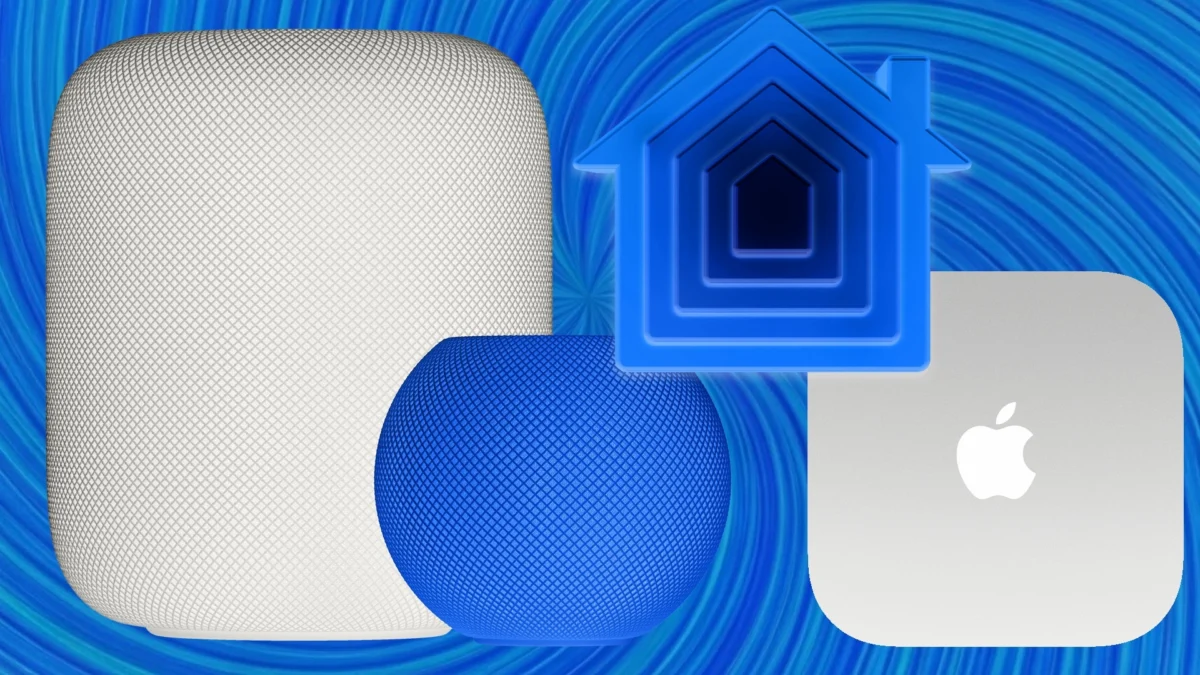
The launch of the HomeView smart display is not expected to be an isolated event. Gurman’s report also indicates that Apple plans to unveil a new Apple TV set-top box and an updated HomePod mini at the same product event. This suggests a coordinated effort to revitalize and expand Apple’s entire smart home portfolio.
The forthcoming Apple TV is anticipated to feature the even more powerful A19 chip, signaling an upgrade in processing capabilities for Apple’s media streaming device. This enhanced performance could translate to smoother app experiences, improved gaming capabilities, and potentially new features related to smart home integration or advanced media playback. The inclusion of a newer, more potent chip aligns with Apple’s strategy of leveraging its cutting-edge silicon across its device lineup, ensuring that users benefit from the latest technological advancements.
Complementing the new Apple TV and HomeView display will be an updated HomePod mini. This iteration is expected to run on the S10 chip, a processor that shares its lineage with the chips found in Apple Watch devices. The S10 chip’s inclusion in the HomePod mini suggests a focus on enhancing its performance for voice control, music playback, and other smart home functionalities. By equipping the smaller HomePod with a more capable processor, Apple aims to extend its voice control capabilities and ensure a more responsive and feature-rich experience for users seeking to manage their homes through audio commands. The HomePod mini, with its compact design and affordability, has already proven to be a popular entry point into Apple’s smart speaker ecosystem, and this update is likely to further solidify its appeal.
The “Welcome Home” Event: A Date with Destiny for Apple’s Smart Home Ambitions
The timing of these anticipated announcements is reportedly set for Apple’s “Welcome Home” event, scheduled for Tuesday, October 13th. Invitations for this event, featuring a distinctive rainbow-colored rendition of the Apple logo, were reportedly sent out the preceding Thursday. This branding choice could be interpreted as a nod to the company’s legacy and its expansive vision for the future of home technology, potentially hinting at a celebration of interconnectedness and user experience.
Following the official unveiling, consumers will not have to wait long to get their hands on the new hardware. HomeView shipments are slated to commence in mid-November, providing a clear post-launch timeline for the smart display. While Apple has historically been tight-lipped about pricing until official announcements, the company has not yet confirmed the cost for the HomeView display or its accompanying Apple TV and HomePod mini devices. Industry analysts will be closely watching these price points, as they will be a crucial factor in determining the market reception of these new products, especially in comparison to the competitive pricing offered by Amazon and Google.
Market Context and Competitive Landscape
The smart home market has seen robust growth in recent years, driven by increasing consumer adoption of connected devices and a growing demand for convenience and automation. According to Statista, the global smart home market is projected to generate revenue of over $137 billion by 2027, with a compound annual growth rate (CAGR) of 10.76% between 2023 and 2027. This expanding market presents a significant opportunity for Apple to capture a larger share.
Amazon, with its Echo line, has been a dominant force, leveraging its early market entry and extensive Alexa ecosystem. The Echo Show series, in particular, has established itself as a leading smart display, offering a wide range of functionalities and integrations. Google’s Nest Hub devices, powered by Google Assistant, have also carved out a substantial market presence, benefiting from Google’s strong software ecosystem and search capabilities.
Apple’s approach, historically focused on privacy and a tightly integrated ecosystem, has garnered a loyal customer base. The HomeView, by centralizing Siri as the primary control mechanism and integrating with HomeKit, aims to offer a more secure and cohesive smart home experience for existing Apple users. The emphasis on a dedicated visual interface is a strategic pivot designed to compete more directly with Amazon and Google in this rapidly evolving segment.
Analysis of Implications: Privacy, Ecosystem Lock-in, and the Future of Home Interaction
The introduction of HomeView has several significant implications for the smart home landscape and for Apple’s broader strategy.
-
Enhanced Privacy Focus: Apple has consistently emphasized user privacy as a core tenet of its product development. The integration of the A18 chip and potentially more on-device processing for Siri commands could translate to a more privacy-respecting smart display experience compared to some competitors, reducing reliance on cloud-based data processing for basic commands. This could be a key differentiator for privacy-conscious consumers.
-
Strengthening the Apple Ecosystem: The HomeView serves as a powerful new entry point into the Apple ecosystem. For users already invested in iPhones, iPads, and Macs, the HomeView offers a seamless way to extend that experience into their homes. This could further entrench users within Apple’s ecosystem, making it more challenging for them to switch to competing platforms.
-
Direct Competition and Market Share: This launch signals Apple’s serious intent to compete head-on with Amazon and Google in the lucrative smart display market. Success for HomeView could lead to a significant redistribution of market share, particularly among consumers who prioritize a unified and potentially more secure smart home experience.
-
Evolution of Home Interaction: The HomeView, alongside the updated Apple TV and HomePod mini, represents a continued evolution in how consumers interact with their homes. The convergence of voice, touch, and visual interfaces within a single, integrated system promises a more intuitive and sophisticated smart home experience. This could accelerate the adoption of smart home technology by making it more accessible and user-friendly.
-
Potential for New Use Cases: With a more powerful processor and a dedicated display, the HomeView could unlock new possibilities for smart home applications. This might include advanced home monitoring, personalized information dashboards, and more immersive entertainment experiences integrated with smart home controls.
The upcoming “Welcome Home” event promises to be a pivotal moment for Apple’s smart home ambitions. The HomeView smart display, bolstered by updates to the Apple TV and HomePod mini, signals a comprehensive strategy to solidify its position in a competitive market. As consumers increasingly embrace connected living, Apple’s latest offerings are poised to redefine the smart home experience, with a strong emphasis on performance, ecosystem integration, and, as is characteristic of Apple, a keen eye on user experience. The mid-November release date will be eagerly anticipated as the tech world watches to see how this new chapter in Apple’s smart home journey unfolds.

