
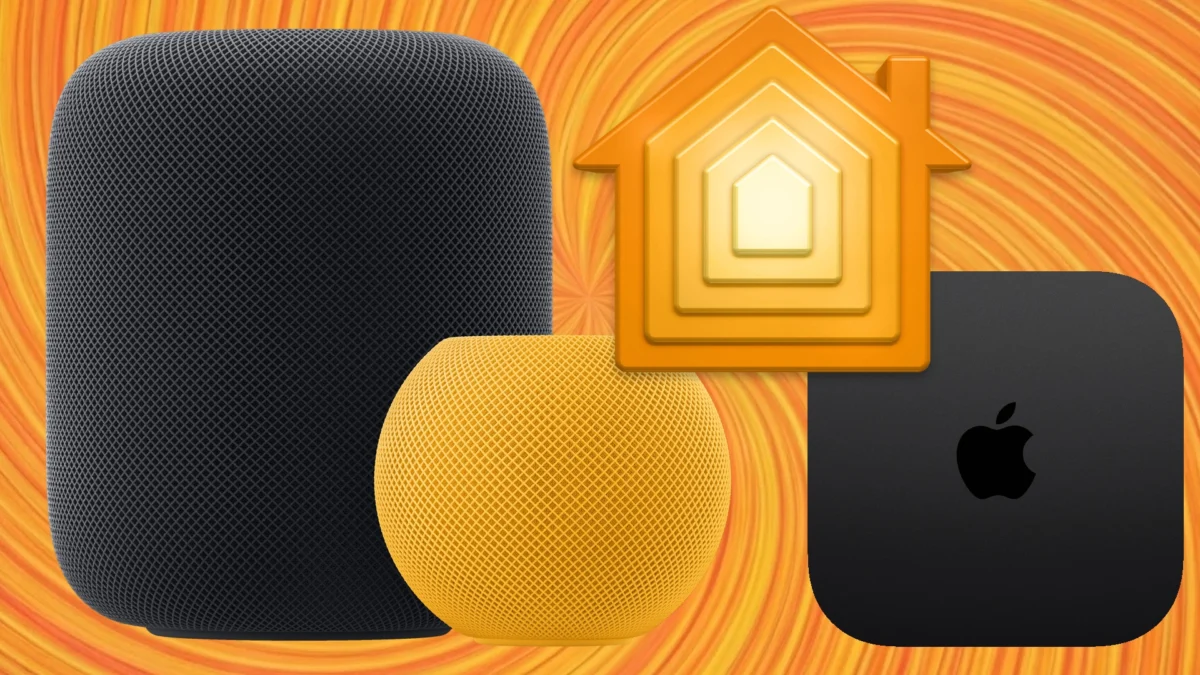
Apple’s strategic foray into the burgeoning smart home market is reportedly deepening, with persistent development efforts on its own proprietary security camera, even as the tech giant collaborates with LG on a suite of connected home devices. This dual-pronged approach suggests a comprehensive vision for Apple’s role in shaping the future of intelligent living spaces, aiming to offer both integrated hardware and strategic partnerships. The company’s long-rumoured "privacy-centric" home camera, codenamed J450, is reportedly still on track for a potential 2027 release, according to insider information from Bloomberg’s Mark Gurman. This development comes on the heels of separate reports detailing a significant collaboration with LG Electronics, which is expected to yield a range of smart home products, including indoor and outdoor security cameras, a floodlight camera, and a smart deadbolt.
A Tale of Two Camera Projects
Crucially, these two initiatives appear to be distinct endeavors, each serving a different facet of Apple’s smart home strategy. Gurman clarified in a post on X (formerly Twitter) that the cameras being developed in partnership with LG are unrelated to Apple’s in-house security camera project. This distinction is vital, as it highlights Apple’s intention to maintain tight control over its core privacy-focused offerings while leveraging external expertise for broader market penetration. The LG collaboration is anticipated to result in devices marketed under LG’s established brand, a model familiar to consumers through prior Apple-LG ventures, such as the LG UltraFine displays, which were co-developed by both companies. This arrangement allows Apple to influence product development and ecosystem integration without directly manufacturing and branding every smart home accessory.
Apple’s Vision for Privacy-Centric Home Monitoring
The in-house security camera, however, is envisioned as a more distinct and privacy-oriented offering, diverging from the conventional approach to home surveillance. While specific details remain under wraps, previous reports suggest the J450 will prioritize intelligent activity detection over continuous video recording. This "privacy-centric" approach is a cornerstone of Apple’s brand identity, emphasizing user data protection and minimal surveillance. Instead of simply capturing footage, the device is expected to leverage advanced artificial intelligence to monitor activity within and around the home.
The camera’s core functionality is reportedly focused on discerning presence and movement. It could intelligently detect when individuals enter or leave specific areas, using this data to automate connected devices within the Apple Home ecosystem. For instance, upon detecting someone entering a room, the system could seamlessly activate lighting, which would then automatically dim or switch off once the room is vacated. This proactive and context-aware automation aligns with Apple’s philosophy of creating intuitive and helpful user experiences.
Advanced AI and Unique Design
Further enhancing its capabilities, the J450 is rumored to incorporate sophisticated facial recognition technology, enabling it to distinguish between different household members. This would allow for personalized automation and alerts, differentiating between family members, guests, and potentially even identifying pets. The emphasis on AI-driven analysis, operating at a low frame rate, suggests a design that prioritizes efficiency and data minimization, thereby bolstering its privacy credentials. This approach stands in contrast to many existing smart home cameras that continuously stream high-definition video, raising potential privacy concerns for some users.
The physical design of Apple’s own camera is also reported to be unconventional. Gurman has previously described it as a cylindrical gadget with a form factor reminiscent of a large metal chapstick. This departure from the typical wall-mounted or discreet designs of existing security cameras could signal Apple’s intention to create a device that is both functional and aesthetically integrated into the home environment, perhaps designed to be a more visible, yet unobtrusive, part of the living space.
Expanding the Smart Home Ecosystem
The potential release of Apple’s in-house security camera coincides with broader speculation about the company’s commitment to its smart home platform. Whispers of a dedicated Home Hub device, designed to centralize control and enhance the functionality of the Apple Home ecosystem, have also been circulating. Such a hub could serve as the central nervous system for all Apple-connected devices, further solidifying the company’s presence in the smart home market. This integrated approach, combining hardware, software, and strategic partnerships, positions Apple to compete more effectively in a landscape currently dominated by players like Amazon’s Alexa and Google Assistant.
Market Context and Potential Impact
The smart home market has seen exponential growth in recent years, driven by increasing consumer demand for convenience, security, and energy efficiency. According to Statista, the global smart home market is projected to reach over $170 billion by 2027. Within this expanding market, home security has emerged as a significant segment. The increasing adoption of smart locks, doorbells, and surveillance cameras underscores a growing consumer comfort with connected home security solutions.
Apple’s entry into this space with its own hardware, particularly a security camera, represents a significant strategic move. The company’s established brand loyalty and its robust ecosystem of devices and services provide a strong foundation for success. By emphasizing privacy and intelligent automation, Apple aims to differentiate its offering from competitors that may not prioritize these aspects as highly.
The collaboration with LG, a well-established player in the consumer electronics industry, further strengthens Apple’s position. LG’s manufacturing prowess and market reach can accelerate the development and distribution of a wider range of smart home products, catering to diverse consumer needs and preferences. This partnership could also allow Apple to explore different price points and feature sets without diluting its core brand identity.
The Chronology of Smart Home Ambitions
Apple’s interest in the smart home is not new. The company first introduced HomeKit in 2014, a framework that allows third-party accessories to communicate with Apple devices. However, the pace of hardware development from Apple itself has been relatively slow compared to some of its rivals.
- 2014: Apple introduces HomeKit, its framework for smart home accessories.
- 2018: The HomePod smart speaker is launched, marking Apple’s first significant hardware entry into the smart home.
- 2020: The HomePod mini is released, offering a more affordable entry point into Apple’s smart speaker lineup.
- Ongoing: Reports of Apple’s internal development of a smart security camera begin to surface, often under codenames.
- Late 2023/Early 2024: Increased speculation and reports emerge regarding a partnership between Apple and LG for a range of smart home devices.
- Early 2024 (Present): Mark Gurman’s reports clarify the distinct nature of Apple’s in-house camera development versus the LG partnership, with the former reportedly targeting a 2027 release.
This timeline illustrates a gradual but persistent expansion of Apple’s smart home ambitions, moving from software frameworks to audio devices and now, potentially, to more integrated security and automation hardware.
Analyzing the Broader Impact
The success of these initiatives could have several significant implications for the smart home market and for consumers:
- Increased Competition: Apple’s direct involvement with its own security camera will undoubtedly intensify competition, potentially driving innovation and pushing other manufacturers to enhance their privacy features and AI capabilities.
- Enhanced Ecosystem Integration: If Apple’s camera and the LG-developed devices integrate seamlessly with the Apple Home app, it could offer a more cohesive and user-friendly experience for Apple device owners, further locking them into the Apple ecosystem.
- Privacy Standards: Apple’s strong emphasis on privacy could set new benchmarks for the industry. As consumers become more aware of data security, companies that prioritize privacy may gain a competitive advantage.
- Diversification of Product Offerings: The LG partnership suggests a strategy to offer a broader spectrum of smart home products, potentially catering to a wider demographic and price range than Apple’s typically premium offerings.
Official Silence Amidst Growing Speculation
As is customary with Apple’s product development, neither the company nor LG has officially confirmed any of the reported camera plans or their specific release timelines. This silence is characteristic of Apple’s approach to new product launches, preferring to maintain an element of surprise and control over product announcements. However, the consistent reporting from reputable sources like Bloomberg, coupled with the logical progression of Apple’s smart home strategy, lends significant credibility to these ongoing developments.
If these reports prove accurate, Apple’s presence in the smart home is poised for a substantial expansion. The combination of its own meticulously designed, privacy-focused hardware and strategic collaborations with established industry players like LG could reshape the landscape of connected living, offering consumers new choices and potentially higher standards for intelligent home technology. The coming years will likely reveal the full extent of Apple’s vision for the smart home, as it continues to weave its technology more deeply into the fabric of daily life.

