
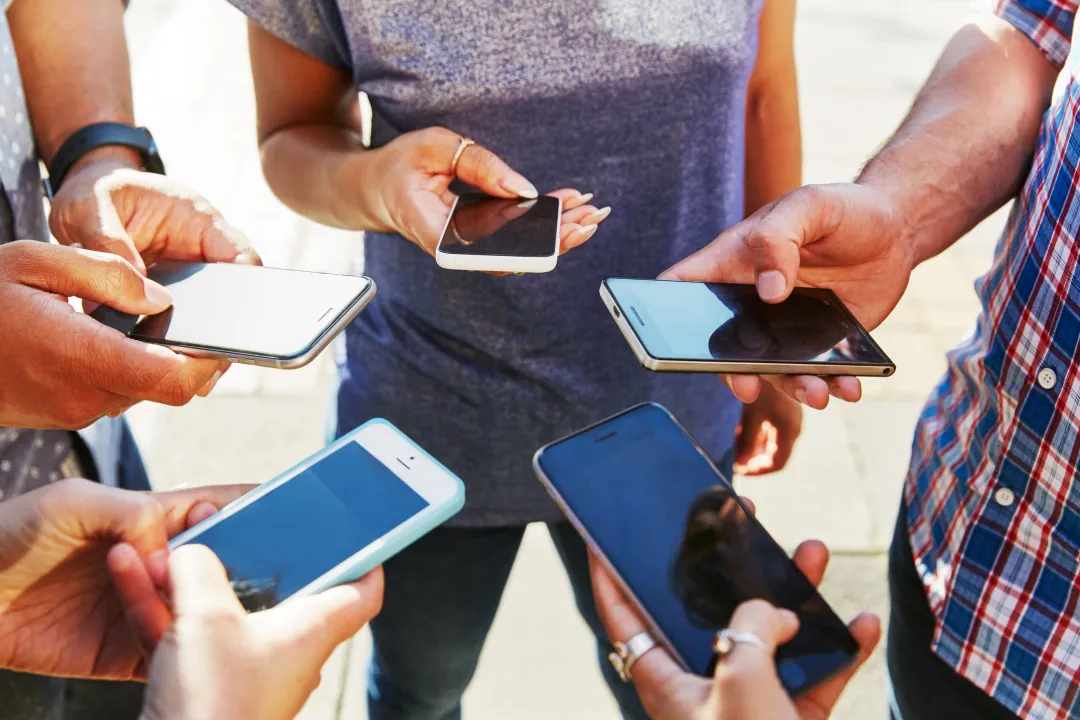
In recent years, a profound societal shift has seen individuals increasingly seeking innovative avenues to forge platonic connections, a direct response to the escalating prevalence of loneliness and social isolation across demographics. This burgeoning crisis prompted the U.S. Surgeon General in 2023 to issue a stark warning, officially designating loneliness as a public health emergency. The ramifications of this widespread isolation are felt keenly by diverse segments of the population, including remote workers who lament the absence of spontaneous daily interactions once commonplace in traditional office environments, and younger generations actively striving to cultivate robust adult social circles anchored in shared interests and passions.
The Genesis of a Crisis: Understanding the Drivers of Modern Loneliness

The declaration by the U.S. Surgeon General, Dr. Vivek Murthy, was a pivotal moment, drawing parallels between the health risks of chronic loneliness and those of smoking 15 cigarettes a day. This assessment highlighted the significant impact of social disconnection on both physical and mental well-being, contributing to increased risks of heart disease, stroke, dementia, depression, and anxiety. Several factors underpin this growing crisis. The shift towards remote and hybrid work models, accelerated by the COVID-19 pandemic, has fundamentally altered daily social structures for millions, severing casual but meaningful workplace ties. Concurrently, younger adults, navigating new cities post-education or seeking to define their identities, often struggle to replicate the built-in social networks of school or university. Furthermore, the pervasive influence of digital communication, while connecting people across distances, can sometimes paradoxically lead to a decline in face-to-face interactions, fostering a sense of superficial connection rather than deep belonging. The rise of single-person households and reduced participation in community organizations also contribute to the erosion of traditional social fabric.
The Digital Solution: From Dating to Deep Connections
The internet, which some argue contributes to social isolation, is now also offering a powerful antidote. The initial skepticism surrounding online dating has largely dissipated, with apps like Tinder and Bumble normalizing digital matchmaking and demonstrating the efficacy of technology in facilitating personal connections. This cultural shift has paved the way for a new generation of digital platforms specifically engineered to foster friendships and cultivate local communities, effectively destigmatizing the act of seeking platonic connections online.

The market response has been swift and substantial. According to recent estimates from Appfigures, over a dozen local-focused friendship apps have collectively generated approximately $16 million in consumer spending in the U.S. so far this year. This financial success underscores a significant and unmet demand for these services. Furthermore, these platforms have garnered an impressive 4.3 million downloads thus far in 2025, signaling rapid user adoption and a burgeoning ecosystem. These apps are designed to offer a structured, less intimidating alternative to traditional methods of meeting new people, such as attempting to strike up a conversation with a stranger at a gym or local café. By clearly articulating that all users are on the platform for the explicit purpose of friendship—and not romance—these applications significantly lower the barrier to initiating conversations, making the process of forming new bonds feel more accessible and less awkward.
Key Players in the Friendship App Landscape: A Deep Dive
The burgeoning market for friendship apps features a diverse array of platforms, ranging from long-standing community organizers to innovative newcomers leveraging advanced technology. Each offers a unique approach to connecting individuals, catering to various preferences and demographics.

222: Curated Social Events for iOS Users
222 is an iOS-exclusive social events platform that streamlines in-person meetups by carefully pairing groups of strangers based on their personality test results. The app sends tailored invitations to nearby public social events, such as intimate wine bar gatherings or engaging comedy club nights. A subsequent vetting process ensures compatibility, with selected participants receiving notifications on the day of the event. A thoughtful feature for those who may experience social anxiety is the allowance for a plus-one, easing the initial step into new social situations. This curated experience comes with a $22.22 curation fee or is accessible via a monthly subscription of the same price, reflecting a premium model for personalized social matching.
Bumble BFF: Expanding Beyond Romance

Dating industry behemoth Bumble recognized the growing need for platonic connections early on, launching its friend-finding feature in 2016. This feature has since evolved into a dedicated, stand-alone app, Bumble BFF, in 2023. The platform recently underwent a significant redesign, placing an amplified emphasis on facilitating group meetups to cater to users’ desires for expanding their social circles in a more collective manner. Bumble BFF leverages its established user base and brand recognition to provide a familiar and trusted environment for forming friendships. The app is available for free download on both iOS and Android devices, making it widely accessible. Its redesign and focus on group interactions reflect a strategic understanding of how modern friendships often form and thrive.
Clyx: Hyperlocal Event Discovery and Social Integration
Clyx is an emerging app that prioritizes group-based social networking through a strong focus on discovering local events. This innovative social platform integrates data from major event ticketing platforms like Ticketmaster and popular social media channels like TikTok to help users find community gatherings tailored to their interests. A unique feature of Clyx allows users to upload their contact lists, enabling them to see which events their existing friends plan to attend, thus facilitating pre-planned group outings. The app further enhances social connections by recommending other users to connect with at these events, bridging the gap between digital discovery and real-world interaction. Currently, Clyx operates exclusively in Miami and London but has ambitious expansion plans, with New York City and São Paulo next on its roadmap. It is available on both the App Store and Google Play Store, signaling its intent for broader reach.

Crowdier: Group-to-Group Connections
Crowdier introduces a novel approach to social networking by enabling existing friend groups to connect with other groups. Users can create a group of 2-5 friends and then browse other similar groups, with the aim of arranging in-person hangouts. The matching mechanism involves a "Wave" feature: if a group "Waves" at another, and the second group reciprocates, a shared chat is initiated. A match requires a majority consensus from both groups (e.g., 2 out of 4 members agreeing), ensuring mutual interest before proceeding. This innovative model addresses the desire for collective social expansion, making it easier for individuals to navigate new social landscapes with the comfort of their existing friends. Crowdier is available for free on iOS and Android devices, reflecting an accessible entry point for users.
Les Amis: Empowering Women and LGBTQ+ Individuals

Les Amis is a friendship app specifically tailored for women, transgender, and LGBTQ+ individuals, aiming to create a safe and inclusive space for connection. It employs AI to match users based on similar interests and actively encourages participation in local events such as pottery classes, book clubs, and wine tastings. Matches are generated weekly on Mondays, allowing users ample time to chat and plan meetups later in the week. This structured approach helps build anticipation and commitment. Available on iOS and Android, Les Amis has a strong presence across Europe (Amsterdam, Barcelona, Berlin, Madrid, Paris, Stockholm) and is expanding in the U.S. (Austin, New York, with plans for Boston, Miami, and Los Angeles). The app operates on a paid membership model, with fees varying by city (e.g., $70 in New York, €55 in Amsterdam), suggesting a focus on a dedicated, quality user base willing to invest in curated social experiences.
Meetup: The Enduring Pioneer of Local Connections
Meetup, a venerable platform in the realm of local event discovery, has been facilitating connections among millions of users who share similar interests since its inception in 2002. It stands as a testament to the enduring appeal of interest-based community building. Users can easily RSVP to a vast array of events, join groups dedicated to diverse hobbies, professions, or social causes, and even initiate their own groups and events. The platform also enables direct communication among group members and the sharing of updates and photos from gatherings, fostering a sense of continuous engagement and community. Meetup’s longevity and global reach underscore its effectiveness in addressing the human need for belonging through shared experiences.

Meet5: Bridging Generations for Social Engagement
Meet5, a European community-building app, recently extended its reach to the U.S. market, specifically targeting users over 40. This demographic focus aims to cater to individuals seeking to meet new people in their area and participate in group activities such such as picnics, concerts, and hiking. The app’s rapid traction in the U.S. is notable, with approximately 777,000 downloads across the App Store and Google Play Store since its launch, according to Appfigures estimates. This success highlights a significant demand for social platforms tailored to older adults, often overlooked by more youth-centric apps. Meet5’s emphasis on group activities provides a comfortable and engaging environment for forming new connections.
Pie: AI-Driven Compatibility for Group Events

Pie represents the newer wave of social apps, distinguishing itself with an AI-driven quiz designed to predict user compatibility. When users RSVP to a Pie event, they complete a brief personality assessment. The algorithm then intelligently organizes attendees into small groups of six, who are subsequently added to a group chat within the Pie app. This pre-event interaction allows participants to get acquainted before meeting in person, enhancing comfort and facilitating smoother interactions. Currently, Pie is available in select U.S. cities, including Austin, Chicago, and San Francisco, indicating a strategic rollout. Users can download Pie from both the App Store and Google Play Store, tapping into a tech-savvy audience.
Timeleft: The Mystery Dinner Experience
Timeleft is a relatively new and intriguing platform that orchestrates weekly dinner dates with groups of strangers. Its unique algorithm matches users based on age, gender, and personality, creating diverse yet compatible groups of five individuals. A element of suspense is built into the experience, as users only receive minor details about their fellow diners—such as occupations and zodiac signs—the night before the event. Dinners typically unfold at a pre-selected restaurant on Wednesday evenings at 7:00 p.m. To facilitate conversation and ease potential awkwardness, the app provides a game with conversation starters. The experience often culminates with an optional after-party at a local bar, extending the social opportunity. Booking is available online or via the app, with pricing varying by country and restaurant. Users cover their own dinner and drinks, emphasizing a shared, authentic experience.

Washed Up: Event Discovery and Group Meetups in Los Angeles
Launched in early 2026, Washed Up is a social event discovery app specifically designed for residents of the Los Angeles area, offering an intuitive way to find activities and meet new people. The app helps users explore local events, including concerts, trivia nights, and comedy shows, while providing a seamless mechanism to connect with others planning to attend. Instead of arriving at events alone, users can create or join "plans"—small group meetups linked to specific events. This feature allows users to browse existing plans, request to join a group, chat with members, and add new friends, thereby simplifying the process of attending events with companions. It is currently available for download on the App Store, focusing on a major metropolitan market.
Wyzr Friends: Activity-Based Friendships for the 40+ Demographic

Wyzr Friends is an activity-based friendship app specifically catering to adults aged 40 and older, a demographic often seeking new social connections after life changes such as empty-nesting or divorce. The app facilitates connections with like-minded individuals through a simple "thumbs up or down" mechanism for potential friends. It encourages the arrangement of in-person activities based on shared interests, ranging from going to the movies to hiking. Wyzr Friends aims to provide a comfortable and relevant platform for mature adults to rebuild or expand their social networks. It is available on iOS and Android devices across multiple countries, including the U.S., Canada, Australia, Ireland, the Philippines, Singapore, and Mexico, demonstrating a broad international reach for this underserved demographic.
Mmotion: Location-Based Social Discovery in NYC
Mmotion is a newly launched friendship app that innovatively combines location tracking with social discovery, enabling users to connect with people nearby and explore new bars and restaurants in their area. Upon joining, users can engage in interest-based groups covering activities like hiking, basketball, or art. The app features a map displaying active users, allowing for direct messaging to those in close proximity. Mmotion also highlights new venues on the map, encouraging exploration and spontaneous meetups. Currently, Mmotion is exclusively available to users in New York City on iOS and Android devices, operating with an application-based admission process to ensure a curated and engaged community. This exclusivity and vetting process suggest a focus on quality over sheer volume.

Synchrony: Tailored for Neurodivergent Adults
Launched in March 2026, Synchrony is a groundbreaking social app explicitly tailored for neurodivergent adults. Founded by a mother whose son is on the autism spectrum, Synchrony aims to cultivate a supportive and understanding community. Its features include interest-based matching and a rigorous two-step identity verification process, requiring both user and a trusted person to verify personal details and a photo ID during registration. This stringent process is designed to ensure a safe and authentic environment. A standout innovation is "Jesse," an optional AI communication tool. Jesse assists users in navigating conversations by providing editable prompts to articulate thoughts, clarifying exchanges, and offering suggestions for setting boundaries. While the integration of AI in social interaction might raise questions, Synchrony has implemented guardrails to prevent Jesse from offering medical advice, maintaining its role as a communication aid. Users access Synchrony through a monthly subscription of $44.99 after a 30-day free trial, indicating a commitment to a premium, specialized service. It is available on iOS and Android devices.
Broader Implications and the Future of Friendship

The rapid expansion and diversification of friendship apps underscore a significant societal shift in how individuals approach social connection. These platforms offer a powerful tool in combating the widespread loneliness crisis, providing structured, intentional pathways to meet like-minded people. The success metrics, from millions in consumer spending to widespread downloads, validate the market’s hunger for these solutions.
However, the rise of digital friendship also presents its own set of challenges and implications. Questions of authenticity, the potential for superficial connections, and the ever-present concerns around online safety remain paramount. While these apps facilitate initial introductions, the onus ultimately falls on individuals to cultivate genuine, lasting relationships through sustained effort and in-person engagement. The monetization models, whether subscription-based or through event fees, also shape the user experience and accessibility.
Looking ahead, the friendship app market is poised for continued innovation. We can anticipate more sophisticated AI-driven matching algorithms, enhanced integration with real-world events and local businesses, and specialized platforms catering to even more niche demographics and interests. As societal norms around digital interaction continue to evolve, these apps will play an increasingly vital role in helping individuals forge meaningful platonic bonds, transforming the landscape of social connection in the digital age. The goal remains not just to connect people, but to foster resilient communities that mitigate the profound health and social impacts of loneliness.

