
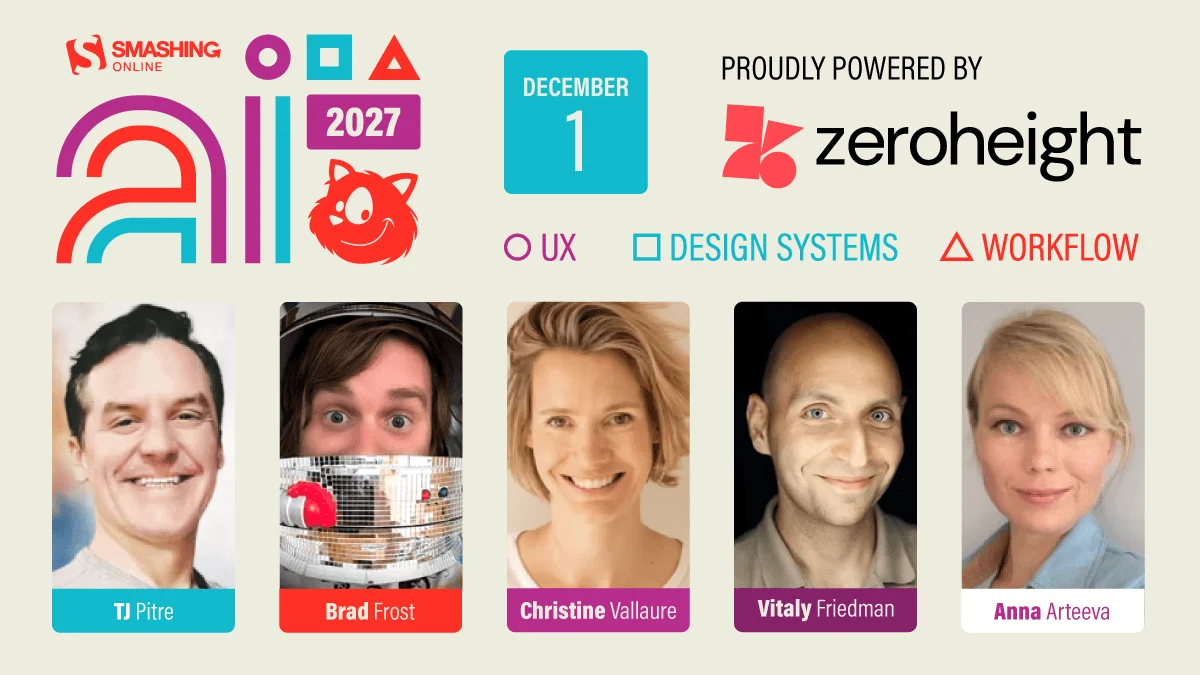
The rapid integration of artificial intelligence into the design and engineering sectors has reached a pivotal juncture, prompting industry leaders to shift their focus from theoretical potential to practical application. SmashingConf has officially announced the AI 2027 Conference, a specialized online event scheduled for December 1, 2026. This half-day conference is designed to provide UX designers, design system engineers, and front-end developers with a roadmap for the technological landscape of 2027. By prioritizing "showing over telling," the event seeks to dismantle the hype surrounding generative AI and replace it with actionable workflows that address the specific needs of modern product teams.
The conference arrives at a time when the design industry is grappling with the transition from basic AI-assisted tooling to "agentic" systems—autonomous or semi-autonomous AI agents capable of executing complex design and coding tasks. As the industry prepares for the 2027 fiscal year, the SmashingConf initiative aims to bridge the gap between current capabilities and the emerging standards of highly automated design environments.
The Evolution of AI in Design: A Contextual Background
To understand the significance of the AI 2027 Conference, one must examine the trajectory of design technology over the past three years. In 2023 and 2024, the primary focus of AI in design was centered on generative image creation and basic text-to-UI prompts. However, by 2025, the industry shifted toward more sophisticated integrations, such as AI-powered design tokens and automated accessibility auditing.
As 2026 draws to a close, the professional landscape is defined by a need for "AI-ready" infrastructure. Design systems are no longer merely libraries of static components; they are increasingly serving as the "source of truth" for AI agents that generate production-ready code. According to industry data, teams that have successfully integrated AI into their design systems report a significant reduction in time-to-market for new features, yet many organizations still struggle with the implementation phase. SmashingConf’s event is positioned as a response to this implementation gap, focusing on the "how" rather than the "why" of AI adoption.
Conference Chronology and Technical Agenda
The AI 2027 Conference is structured as a condensed, high-impact half-day event. The schedule is meticulously planned to cover the full spectrum of the AI-driven design lifecycle, from initial prototyping to the long-term maintenance of design systems.
The proceedings will begin at 8:10 AM with a session titled "Designing AI Experiences in 2027." This opening segment will address the shifting user expectations in an era where interfaces are increasingly dynamic and personalized by AI in real-time. Following this, at 8:45 AM, the focus will shift to "Prototyping AI Functionality," a session dedicated to the tools and methods required to test AI-driven features before they enter the development pipeline.
At 9:20 AM, Luke Murphy, Principal Design Advocate at zeroheight, will present "Nobody Will Read Your Documentation." This talk is expected to be a highlight of the event, addressing the critical shift in how documentation is consumed. In 2027, the primary "readers" of design system documentation are often coding agents rather than human developers. Murphy will explore how to structure documentation so that it is optimized for machine consumption, ensuring that AI agents can accurately implement brand guidelines and component logic.
The mid-morning sessions will delve into the technical specifics of platform integration. At 9:40 AM, the conference will cover "Design Systems and Figma MCPs (Model Context Protocols)." This reflects the growing importance of Figma as a centralized hub for AI workflows. The final segments, "Alternative Workflows for AI and Design Systems" (10:15 AM) and "Real-World AI & Design Systems Workflow" (10:50 AM), will provide case studies on how teams are currently navigating these changes. The event will conclude with moderated breakout rooms, allowing attendees to engage directly with experts to solve specific organizational challenges.
Expert Contributions and Industry Perspectives
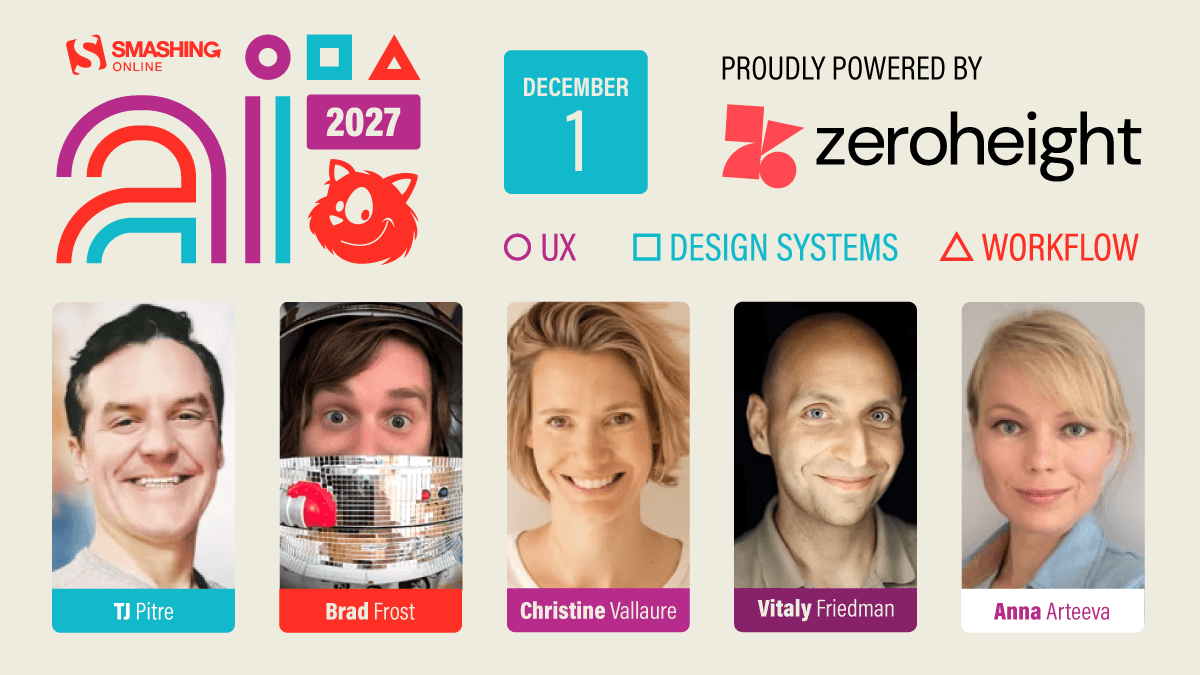
The speaker lineup for AI 2027 consists of six recognized authorities who represent the intersection of design, engineering, and AI research. Each speaker brings a specific technical focus to the event:
Vitaly Friedman, the host and a prominent figure in the UX community, has spent the last several years conducting workshops on AI design patterns. Friedman’s involvement signals a commitment to usability and performance, ensuring that AI implementations do not come at the expense of the user experience. He has noted that the current industry climate is characterized by a demand for "practical tips and clever tricks" that can be put into action immediately.
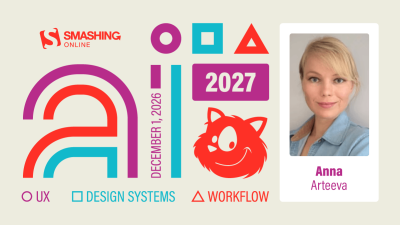
Anna Arteeva, a product design leader and agentic coding instructor, represents the new breed of "design-engineers." Her work focuses on helping designers move beyond "one-shot prototypes" to develop technical fluency with coding agents. Her presence at the conference underscores the necessity for designers to understand the underlying logic of the code their AI tools are generating.
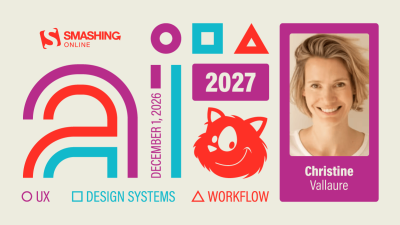
Christine Vallaure, founder of Moonlearning.io, will contribute insights on blurring the lines between design and code. With two decades of experience, Vallaure’s perspective is grounded in the evolution of professional workflows, focusing on what designers specifically need to extract from the "developer’s weeds" to stay relevant.
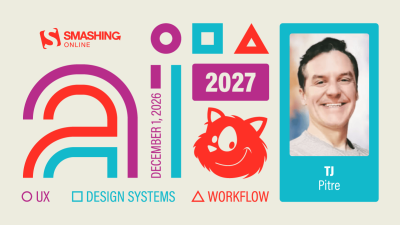
TJ Pitre, Product Architect for AI and Design Systems at Figma, provides a direct link to the industry’s most widely used design tool. His work involves creating the structured context and modern tooling that allow design systems to function within an AI-driven ecosystem. His insights will likely focus on the future of Figma as an AI-orchestration platform.
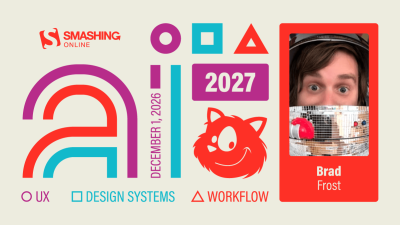
Brad Frost, the author of Atomic Design, brings a foundational perspective to the event. Frost’s methodology has governed design system architecture for a decade; his current focus on "AI & Design Systems" explores how the principles of atomicity apply when components are being assembled by algorithms rather than human hands.
Strategic Partnership with zeroheight
The conference is supported by zeroheight, a leading platform for design system documentation. This partnership is significant because it highlights the changing role of documentation in the AI era. zeroheight has recently focused on how design systems can serve as the "brain" for AI agents.
Luke Murphy’s participation reflects a broader industry trend: the realization that if an AI cannot "understand" a design system’s documentation, it cannot reliably build products that adhere to that system. The collaboration between SmashingConf and zeroheight suggests that the future of design systems lies in "machine-readable" standards that facilitate seamless handoffs between human designers and AI developers.
Broader Impact and Industry Implications
The AI 2027 Conference is more than a gathering of professionals; it is a reflection of a fundamental shift in the digital economy. As AI matures, the role of the UX designer is evolving from a creator of static layouts to a curator of design logic and intent.
1. The Shift to Intent-Based Design
The sessions at AI 2027 suggest a future where designers define the "intent" and "constraints" of a system, while AI handles the execution. This requires a higher level of systems thinking and a deeper understanding of how data structures influence visual output.
2. The Standardization of AI Workflows
By focusing on "what works and what doesn’t," the conference aims to establish a set of best practices for AI integration. Currently, many teams are using AI in a fragmented, ad-hoc manner. The move toward "AI-ready design systems" represents an effort to standardize these workflows, making them scalable and repeatable across large organizations.
3. The Economic Imperative
Data from recent industry surveys indicates that organizations failing to adopt AI-driven workflows risk falling behind in terms of operational efficiency. However, the "hype" mentioned by Friedman often leads to wasted investment in tools that do not provide long-term value. The practical focus of this conference is intended to help firms make informed decisions about their technology stacks heading into 2027.
4. Educational Adaptation
The presence of educators like Anna Arteeva and Christine Vallaure highlights a growing need for a new curriculum in design education. Traditional design skills remain vital, but they must now be supplemented with "technical fluency" in AI orchestration and agentic coding.
Conclusion
The SmashingConf AI 2027 Conference represents a proactive attempt to define the professional standards of the near future. By assembling a cohort of experts from Figma, zeroheight, and the broader design community, the event provides a comprehensive look at how AI is being integrated into the actual "plumbing" of digital product development. For design and engineering teams, the transition to 2027 will likely be defined by the move away from experimental AI usage toward the establishment of robust, AI-native design systems that prioritize efficiency, consistency, and machine-readability.
As the doors open on December 1, 2026, the focus will remain squarely on the practicalities of this transition, providing the industry with the tools and insights necessary to navigate the next phase of the technological revolution.

