
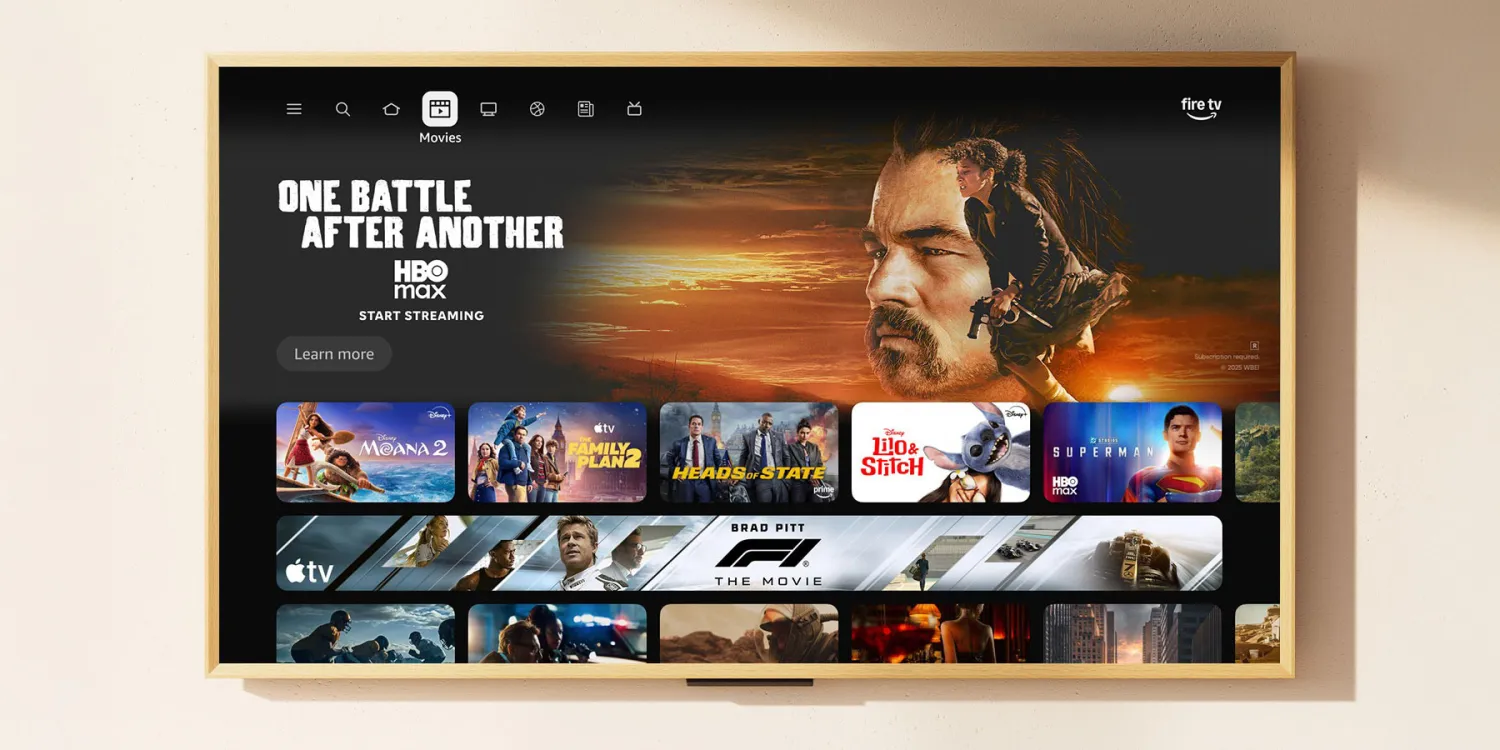
Amazon has initiated the rollout of a significant redesign for its Fire TV interface in the United States, a move that strikingly mirrors the user experience offered by Google TV. The overhaul, first announced at CES 2026, is now reaching select devices, including the Fire TV Stick 4K Plus, Fire TV Stick 4K Max (2nd Gen), and Fire TV Omni Series Mini-LED TVs. Amazon has confirmed that other compatible models will receive the update throughout the spring season, signaling a broad strategic shift in its streaming platform’s presentation.
A New Look, Familiar Navigation
The most prominent characteristic of the redesigned Fire TV interface is its top-centric navigation bar, a feature that immediately evokes the design language of Google TV. This navigational structure places key categories and settings at the apex of the screen, facilitating quicker access for users. Below this, a prominent section is dedicated to featured content, designed to highlight trending shows, new releases, and personalized recommendations. Further down, users will encounter a curated stream of content suggestions, followed by a horizontally scrolling list of their installed applications. This layout is remarkably similar to Google TV’s approach, aiming to create a sense of familiarity for a wider audience and to directly compete with its primary rival in the smart TV operating system market.
Amazon’s stated objective for this redesign was to deliver an experience that is "cleaner, faster, and better organized." Early user feedback, where available, suggests a largely positive reception, indicating that the company has achieved its goals in enhancing usability and streamlining the overall user journey. The visual aesthetic has been significantly refined, moving towards a more minimalist and intuitive design that prioritizes content discovery and accessibility. By placing featured content at the forefront and simplifying app management, Amazon appears to be addressing past criticisms regarding interface clutter and navigation complexity.
Strategic Alignment with Market Trends
The adoption of a user interface reminiscent of Google TV is a strategic maneuver designed to capitalize on existing user preferences and familiarity within the streaming ecosystem. Many consumers have grown accustomed to the layout and functionality of Google’s platform, and by offering a similar experience, Amazon aims to reduce the learning curve for new users and retain existing ones who may have considered switching to competing devices. This strategic alignment is crucial in the highly competitive landscape of streaming devices, where user interface and content discovery are key differentiators.
This significant shift underscores Amazon’s commitment to evolving its Fire TV platform to meet the dynamic demands of the digital entertainment market. While the underlying Fire TV ecosystem and its deep integration with Alexa remain intact, the visual and navigational parallels to Google TV are undeniable. Essentially, US-based Fire TV users are now presented with a design language that closely resembles that of Google’s offering, effectively blurring the lines between these two dominant streaming giants.
Chronology of the Fire TV Interface Evolution
The development and rollout of this redesign represent a culmination of Amazon’s ongoing efforts to refine its streaming experience. The initial announcement at CES 2026 provided a roadmap for the changes, generating anticipation within the tech and consumer electronics communities. CES, held annually in Las Vegas, serves as a global stage for companies to unveil their latest innovations. For Amazon, using this platform to debut a fundamental redesign of its Fire TV interface signaled the importance of this update.
The subsequent rollout, beginning in early 2026, has been phased to ensure a stable transition. The initial wave of devices receiving the update includes those positioned at the higher end of Amazon’s Fire TV product line, suggesting a focus on early adopters and enthusiasts. This approach allows Amazon to gather initial feedback and address any potential technical issues before a broader release. The confirmation that other models will receive the update throughout the spring indicates a methodical and widespread deployment plan, aiming to cover a significant portion of the Fire TV user base within the United States. This phased approach is common for major software updates across large device ecosystems, allowing for more controlled testing and support.
Supporting Data and Market Context
The streaming device market is a fiercely competitive arena, with various players vying for consumer attention. Amazon’s Fire TV platform has consistently been a significant contender, often ranking among the top choices for consumers seeking affordable and versatile streaming solutions. According to industry reports from late 2025, Fire TV held a substantial market share, often competing closely with Roku and Google’s Chromecast-based devices. This redesign can be seen as a proactive measure to maintain and potentially grow this market share in the face of evolving consumer expectations and increasing competition from rivals like Apple TV and the burgeoning smart TV operating systems from manufacturers themselves.
The global smart TV market, which directly influences the adoption of streaming devices and interfaces, has seen consistent growth. Projections for 2026 indicated a continued upward trend, driven by increasing internet penetration, the proliferation of high-definition content, and the demand for integrated entertainment solutions. Within this context, the user interface plays a critical role in how consumers interact with their devices and discover content. A cluttered or inefficient interface can lead to user frustration and a preference for alternatives. Therefore, Amazon’s investment in a cleaner, more organized design is not merely an aesthetic upgrade but a fundamental business strategy to enhance user engagement and satisfaction.
Official Statements and Rationale
During the initial announcement at CES 2026, Amazon representatives emphasized the user-centric nature of the redesign. The company highlighted extensive user research and feedback that informed the development process. The stated goal was to create a more intuitive and personalized content discovery experience. "We listened to our customers and focused on delivering a Fire TV experience that is not only visually appealing but also incredibly easy to navigate," stated a spokesperson for Amazon’s devices division. "Our aim is to help users find the movies and shows they love faster and more efficiently, reducing friction and enhancing the overall enjoyment of their entertainment."
The emphasis on "cleaner, faster, and better organized" suggests a deliberate attempt to address specific pain points identified in previous versions of the Fire TV interface. Anecdotal evidence and user reviews of earlier Fire TV iterations often pointed to a sometimes overwhelming array of content and a less direct path to accessing personal apps and settings. By adopting a layout that prioritizes visual clarity and logical grouping of content and applications, Amazon is aiming to alleviate these concerns. The integration of a prominent featured content section, coupled with personalized recommendations, is a testament to the industry-wide trend of leveraging AI and machine learning to curate user experiences.
Broader Implications for the Streaming Landscape
The strategic adoption of a Google TV-like interface by Amazon has several significant implications for the broader streaming device market. Firstly, it signals a growing convergence in user interface design for smart TV platforms. As competition intensifies, companies are increasingly looking to established and successful design paradigms to appeal to a wider audience. This could lead to a homogenization of user experiences across different platforms, making the choice for consumers more about content libraries and ecosystem integration rather than radical interface differences.
Secondly, this move underscores the importance of content discovery as a critical battleground. With the sheer volume of content available across numerous streaming services, helping users find what they want to watch is paramount. Amazon’s redesign, by placing featured content and recommendations at the forefront, aims to optimize this discovery process. This approach could put further pressure on competitors to innovate in their own content recommendation algorithms and interface design to ensure users remain engaged with their platforms.
Thirdly, the continued evolution of Fire TV, even with its borrowed design elements, reinforces Amazon’s commitment to its hardware and software ecosystem. Despite the visual similarities, Fire TV retains its distinct Amazon identity through deep Alexa integration, which provides voice control capabilities and access to Amazon’s vast array of services. This dual approach—adopting familiar interface elements while maintaining unique platform features—is likely to be a key strategy for Amazon as it navigates the complex and rapidly evolving digital entertainment landscape. The success of this redesign will be closely watched, as it could influence future interface development across the entire smart TV and streaming device industry.

