
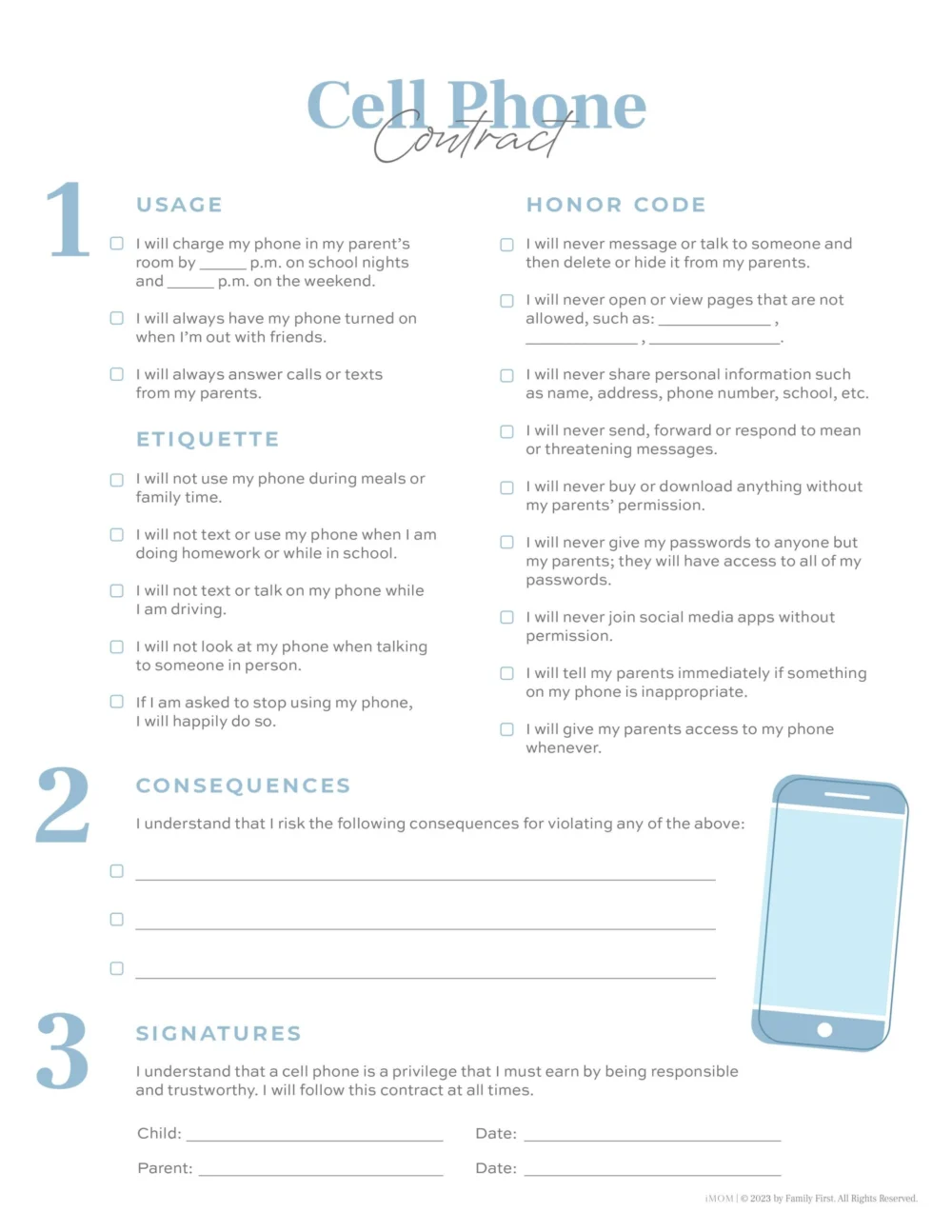
The pervasive integration of digital technology into daily life has underscored the critical need for a comprehensive understanding and application of digital etiquette, or netiquette, particularly among younger generations. As Generation Alpha, individuals born from the mid-2010s to the mid-2020s, comes of age in an environment saturated with screens and constant connectivity, the challenges of fostering respectful and responsible online interactions have become a paramount concern for parents, educators, and society at large. The initial, often informal, attempts by families to manage device usage, such as setting rules about phones at the dinner table, quickly evolve into more complex requirements for teaching fundamental digital manners that extend far beyond mere presence or absence of a device.
The Ubiquitous Digital Landscape of Generation Alpha
Generation Alpha represents the first cohort to be entirely immersed in a digital-first world from birth. Unlike previous generations who adopted technology as it emerged, Gen Alpha has never known a world without smartphones, tablets, high-speed internet, and social media platforms. This innate familiarity with digital tools, while conferring certain advantages in terms of technological fluency, also presents unique challenges in developing social and emotional intelligence within online environments. Data consistently indicates high levels of screen time among children and adolescents, with reports from organizations like Common Sense Media showing that tweens (ages 8-12) spend an average of 4-6 hours a day on screens, and teens (ages 13-18) average 7-9 hours, excluding schoolwork. These figures highlight not just the volume of digital engagement but also the necessity for structured guidance on how to navigate these interactions constructively. Beyond technical internet safety protocols, the imperative lies in cultivating kindness, respect, and empathy in a landscape dominated by texts, group chats, and public postings. The foundation for sound digital citizenship must be laid early, ideally before the age of 13, to equip young people with the skills to thrive responsibly online.
Defining Digital Decorum: What Constitutes Netiquette?
Netiquette, a portmanteau of "internet etiquette," is simply the application of good manners and respectful behavior within the digital realm. It serves as the social code for online interactions, encompassing everything from textual communication to visual content sharing and engagement on various platforms. Much like traditional etiquette guides face-to-face interactions, netiquette provides a framework for considerate conduct when communicating through screens. It demands thoughtfulness in what one says and shares, consideration for the feelings of others, and a constant awareness that every digital interaction involves a real person with emotions and perspectives. In essence, netiquette is about extending the principles of politeness, empathy, and respect that govern offline relationships into the digital sphere, recognizing the unique nuances and potential for misinterpretation inherent in screen-based communication.
The Indispensable Importance of Netiquette Education
The significance of teaching netiquette cannot be overstated, given that a substantial portion of young people’s lives will be spent communicating, learning, and socializing through digital channels. The consequences of poor digital manners can range from minor social faux pas to severe psychological harm and long-term reputational damage.
- Impact on Social Development: A single careless text message can rupture a friendship, and an ill-considered post can cause lasting emotional distress. Without the benefit of non-verbal cues, digital communication is prone to misinterpretation, making explicit instruction in netiquette crucial for fostering healthy peer relationships.
- Mental Health Implications: The digital world, while offering connection, also presents avenues for cyberbullying, social exclusion, and heightened anxiety. Research from organizations like the Pew Research Center indicates that a significant percentage of teenagers have experienced cyberbullying, underscoring the direct link between online conduct and mental well-being. Teaching netiquette helps mitigate these risks by promoting respectful interactions and discouraging harmful behaviors.
- Academic and Professional Trajectories: The digital footprint of young individuals is increasingly scrutinized by academic institutions and prospective employers. College admissions officers and recruiters often review social media profiles to assess character and judgment. A history of inappropriate online behavior can have significant negative implications for future opportunities. Netiquette education prepares young people to present themselves professionally and responsibly in all digital contexts.
- Personal Safety and Privacy: Beyond social interactions, netiquette encompasses responsible sharing of personal information. Understanding what to keep private and how to manage privacy settings is fundamental to personal safety online, protecting against risks such as identity theft, online predation, and harassment.
- Empathy Building: At its core, netiquette is about empathy – understanding how one’s digital actions affect others. By teaching children to "think before they type," educators and parents foster a sense of responsibility and consideration that extends beyond the screen, strengthening their capacity for empathy in all aspects of life.
A Chronology of Digital Etiquette Challenges and Societal Responses
The concept of netiquette has evolved alongside technological advancements, reflecting the changing landscape of digital communication:
- Early Internet Era (1990s – Early 2000s): In the nascent days of the internet, netiquette primarily focused on email communication, online forums, and chat rooms. Rules centered on avoiding "flaming" (sending angry messages), using clear subject lines, not typing in all caps (perceived as shouting), and respecting intellectual property. The user base was relatively smaller, and interactions were predominantly text-based and asynchronous.
- The Social Media Boom (Mid-2000s – 2010s): The advent of platforms like MySpace, Facebook, and Twitter introduced new complexities. Photo sharing, public profiles, and the ability to instantly broadcast information to a wide audience brought forth challenges related to privacy settings, appropriate content sharing, tagging etiquette, and managing one’s online reputation. Cyberbullying began to emerge as a significant concern, prompting early discussions about digital citizenship in schools.
- Smartphone and Mobile Connectivity Era (2010s – Present): The widespread adoption of smartphones and ubiquitous mobile internet connectivity fundamentally transformed digital interactions. Instant messaging, ephemeral content (Snapchat, Instagram Stories), group chats, and video-sharing platforms (TikTok, YouTube) accelerated the pace and intensity of online communication. This era saw the rise of "ghosting," "phubbing," and the constant pressure to be online and responsive. Generation Alpha is growing up entirely within this highly connected and visually driven environment, necessitating a more comprehensive and nuanced approach to netiquette.
- Parental and Educational Responses: In response to these evolving challenges, parents increasingly implemented "phone contracts" and family digital rules. Schools began developing formal digital citizenship curricula, often integrating lessons on internet safety, cyberbullying prevention, and responsible social media use. Organizations dedicated to child safety and digital literacy emerged, providing resources and guidelines for families and educators.
- Legislative and Platform Developments: Governments and regulatory bodies have also stepped in, with legislation like the Children’s Online Privacy Protection Act (COPPA) in the US and the General Data Protection Regulation (GDPR) in Europe aiming to protect children’s online privacy. Social media platforms themselves have introduced features like parental controls, reporting mechanisms, and age restrictions, though enforcement remains a continuous challenge.
Ten Essential Digital Manners for Young People by Age 13
To navigate this complex digital landscape effectively, children should internalize these ten foundational digital manners by their early teenage years:
-
Thoughtful Communication: The "Pause Before You Post" Principle:
Digital communication lacks the benefit of tone of voice, facial expressions, or body language, making misinterpretation common. A simple phrase like "That’s fine" can be perceived as passive-aggressive or dismissive depending on punctuation and context. Young people must be taught to critically evaluate their messages before sending them. A crucial heuristic is the "front-face test": "Would I say this to their face?" If the answer is no, the message should be rephrased or reconsidered. Role-playing various scenarios, emphasizing how emojis, punctuation, and wording alter perception, helps build this critical thinking skill. This also extends to the permanence of online content; once something is posted, it can be difficult, if not impossible, to fully retract. -
Prioritizing In-Person Presence: Device-Free Interactions:
The act of staring at a screen while someone is speaking, often referred to as "phubbing" (phone snubbing), conveys a profound lack of respect and can make the speaker feel unimportant or invisible. This simple act undermines face-to-face communication, which is vital for developing strong interpersonal skills and empathy. Families can establish a "phone face-down" rule during conversations, meals, or shared activities. Gentle reminders to make eye contact when engaged in dialogue can reinforce the importance of active listening and showing respect, whether interacting with family members, friends, or service staff.
-
Cultivating Empathetic Messaging: Beyond the Abrupt Reply:
Abbreviated responses like "K" or a standalone thumbs-up emoji, while efficient, can inadvertently convey indifference or dismissiveness. In the absence of other cues, brevity can be misinterpreted as a lack of interest or even annoyance. Encouraging young people to add a touch of warmth and detail, such as "Sounds good! See you then," fosters more positive and meaningful digital interactions. Asking children to consider, "How do you think that message will make your friend feel?" before sending helps to cultivate empathy and promote more considerate communication habits. -
Respecting Digital Privacy: The Permission Protocol:
Sharing digital content, whether photos, videos, private messages, or tagging others, without explicit permission is a breach of trust and can have significant social and ethical implications. What one person considers harmless, another might find embarrassing or a violation of their privacy. This rule extends to screenshotting private conversations. Parents should model this behavior by always asking for consent before posting photos of their children and reinforcing the practice whenever their child wishes to share content involving others. This practice builds respect for individual autonomy and digital boundaries. -
Fostering Inclusivity: Avoiding Digital Exclusion:
The public nature of many online platforms can inadvertently lead to social exclusion. Posting about a social event that some friends were not invited to, or engaging in group chats filled with inside jokes that exclude others, can cause significant emotional pain and feelings of being left out. The kindest choice often involves keeping certain special moments private or sharing them directly only with those involved. Encouraging children to reflect, "If I weren’t in this photo, how would I feel seeing it?" can help them understand the impact of their public posts and promote more inclusive online behavior. -
Prompt and Respectful Responses: Combating "Ghosting":
Leaving someone "on read" indefinitely, particularly in close relationships, is the digital equivalent of abruptly walking away mid-conversation. This can cause the sender to feel ignored, worried, or even question their relationship. While instant replies are not always feasible, a quick message indicating unavailability, such as "Can’t talk now, will respond later," demonstrates respect and acknowledges the other person’s message. It’s also important to teach children that response expectations vary by relationship; family members might expect quicker replies than casual acquaintances. -
De-escalating Online Conflict: Taking Disagreements Offline:
Text-based arguments are notorious for rapid escalation. The lack of non-verbal cues means sarcasm, humor, or frustration can be easily misinterpreted, turning minor misunderstandings into major conflicts that can jeopardize friendships. Teaching young people to recognize the warning signs of an escalating online argument – such as an elevated heart rate, the urge to type in all caps, or repeatedly re-reading and retyping messages – is crucial. At such points, the best netiquette is to suggest taking the conversation offline: "Hey, can we talk about this in person?" -
Respecting Digital Boundaries: Avoiding Message Overload:
Bombarding someone’s phone with multiple follow-up messages or incessant "????" when awaiting a response can be perceived as aggressive and disrespectful of their time and digital space. Unless it is an urgent matter or an emergency, which warrants a phone call, patience is a key component of good digital manners. Encouraging a waiting period (e.g., 30 minutes) before sending a follow-up text teaches respect for others’ schedules and recognizes that delayed replies are often due to the recipient being busy, rather than a personal slight. -
Upholding Intellectual Property: The Importance of Attribution:
In an age of endless content creation and sharing, teaching children to properly credit sources and creators is paramount. Taking someone’s content – be it a photo, a meme, or an idea – without attribution can lead to hurt feelings, damage relationships, and, in some cases, result in issues of plagiarism or copyright infringement. Instilling the habit of asking, "I love this! Can I share it and tag you?" demonstrates respect for creativity and intellectual property, fostering integrity in their digital interactions. -
Safeguarding Personal Information: Digital Security Awareness:
Protecting personal safety information, including passwords, addresses, precise location data, and other sensitive details, is a non-negotiable aspect of digital responsibility. Sharing such information indiscriminately can expose individuals and their families to risks ranging from identity theft and financial fraud to online harassment and even physical danger. Using analogies, such as comparing personal information to a house key, can help children understand the gravity of what they share. Regularly reviewing privacy settings on apps and social media platforms, and discussing what constitutes "personal information," are vital preventative measures.
The Collaborative Effort: Roles of Stakeholders in Fostering Netiquette
Cultivating a generation of digitally responsible citizens requires a concerted effort from multiple stakeholders:
- Parents: They serve as the primary educators and role models. Establishing clear family rules, utilizing tools like phone contracts, engaging in open and continuous dialogue about online experiences, and actively demonstrating good netiquette themselves are crucial.
- Educators: Schools play a vital role in formalizing netiquette education through comprehensive digital citizenship curricula. This includes lessons on cyberbullying prevention, media literacy, critical thinking about online content, and responsible social media use. Schools are also responsible for establishing and enforcing policies that promote a safe and respectful online learning environment.
- Technology Companies: The developers of digital platforms have a significant responsibility to design user-friendly interfaces that prioritize safety and privacy, implement robust parental controls, provide clear reporting mechanisms for inappropriate content, and offer educational resources on responsible usage. Their design choices can profoundly influence user behavior.
- Psychologists and Child Development Experts: These professionals provide valuable insights into the developmental stages of children and adolescents, helping to tailor netiquette education to be age-appropriate and effective. They emphasize the link between online behavior and mental well-being, advocating for approaches that foster emotional regulation, empathy, and resilience in the digital sphere.
Implications for a Harmonious Digital Society
The proactive teaching of netiquette to Generation Alpha carries profound implications for the future of digital society. By instilling these values early, society can expect:
- Reduced Online Harassment: A more empathetic and respectful online environment can significantly decrease incidents of cyberbullying, hate speech, and online harassment, making digital spaces safer and more inclusive for everyone.
- Enhanced Interpersonal Relationships: Children who learn good netiquette are better equipped to navigate complex social dynamics online and offline, fostering stronger, more resilient friendships and family bonds.
- Preparation for Future Success: A strong foundation in digital manners prepares young individuals for success in academic pursuits, future careers, and responsible civic engagement in an increasingly interconnected world. Their positive digital footprint will open doors rather than close them.
- Promotion of Ethical Digital Citizenship: Ultimately, netiquette education cultivates ethical digital citizens who understand their rights and responsibilities online, contributing to a more civil, empathetic, and productive global digital community.
In conclusion, as Generation Alpha continues to define its identity within an ever-evolving digital ecosystem, the deliberate and comprehensive teaching of netiquette is not merely a suggestion but an absolute necessity. It is a continuous process that demands adaptability, open dialogue, and a collaborative spirit from all segments of society. By empowering young people with the skills and understanding to interact kindly, respectfully, and responsibly online, we are investing in a future where digital spaces serve as platforms for connection, growth, and positive engagement, rather than sources of conflict and distress. The goal is to ensure that the inherent benefits of digital connectivity are fully realized, without sacrificing the fundamental human values of empathy and respect.

