
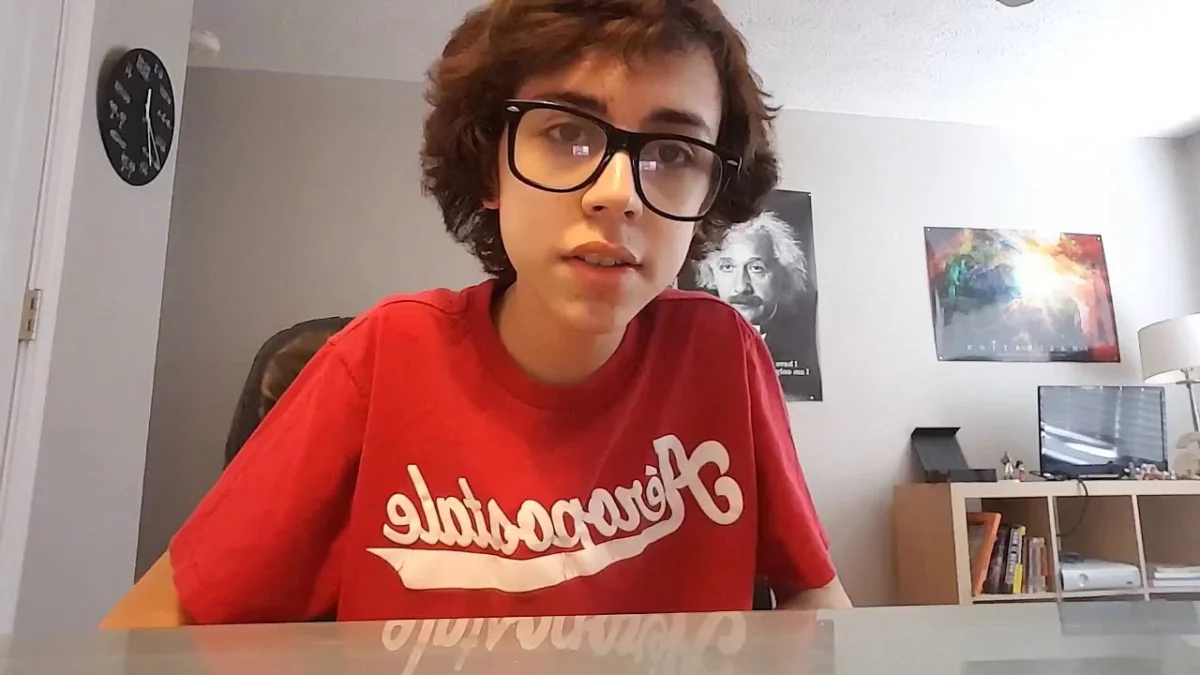
The Genesis of a Digital Persona
The digital footprint of Sammy Zenith began on April 19, 2013, with the upload of "SammyClassicSonicFan’s Top Ten Sonic Games." At the time of its release, Zenith was an unknown adolescent navigating the burgeoning landscape of YouTube’s gaming community. His initial content followed the standard tropes of the era: list-based videos and subjective critiques of software titles. However, it was Zenith’s unique delivery—marked by intense sincerity and escalating vocal volume—that caught the attention of internet subcultures.
As his videos began to circulate on aggregate sites like Reddit and imageboards like 4chan, Zenith’s persona was quickly adopted into the "cringe" genre of internet media. This genre often focused on young creators whose unbridled enthusiasm or social awkwardness was mined for entertainment by older audiences. Despite the often-mocking nature of this attention, Zenith continued to produce content, unaware that he was on the precipice of becoming a central figure in the "Sonic Fanbase" discourse.
The Viral Catalyst: Stop Hating On Sonic
The defining moment of Zenith’s online career occurred on July 15, 2013, with the publication of "Stop Hating On Sonic." In this video, Zenith addressed the widespread criticism directed toward the Sonic the Hedgehog franchise, which at the time was struggling with a series of poorly received titles and a fractured public image. Zenith’s passionate defense—featuring the iconic plea for critics to "stop hating" because the series "occasionally has bad games"—became an instant viral sensation.
The video’s impact was magnified when it was discovered by major influencers, most notably PewDiePie, who at the time was the most-subscribed individual creator on YouTube. The endorsement and subsequent reaction videos by PewDiePie, Chadtronic, and Balrogthemaster propelled Zenith into the mainstream digital consciousness. While the original video was eventually lost due to channel termination, reuploads on "The SammyClassicSonicFan Archive" have since surpassed 2.6 million views, cementing its status as a foundational text of 2010s internet history.
Creative Diversification and Narrative Ventures
Following his initial viral success, Zenith sought to expand his creative output beyond simple rants. He established the "MultiMariosonic" channel and delved into scripted, narrative-driven content. On July 26, 2013, he released "SammyClassicSonicFan’s Adventure," a short film centered on a quest to retrieve a "Fire Mario Backpack." This project demonstrated Zenith’s desire to move beyond the "rage kid" archetype and engage in world-building and physical comedy.
This was followed by "SammyClassicSonicFan’s Adventure 2: Who’s That Imposter?", a meta-commentary on his own fame. The plot involved Zenith discovering a parody channel named "SammyClassicSanicFan" and engaging in a manhunt for the "imposter." These videos, while still maintaining the high-energy delivery that made him famous, showcased a nascent understanding of YouTube’s potential for storytelling and character-based entertainment. Archive data shows these narrative videos continue to hold significant viewership, with the sequel alone maintaining over 150,000 views on preservation channels.
Institutional Friction and the 2014 Hiatus
The rapid ascent of Sammy Zenith was not without real-world consequences. In 2014, Zenith’s parents reportedly discovered his YouTube presence. Concerned by the nature of the comments and the scale of his visibility, they mandated the termination of his original channel. This period marked the first major disappearance of Zenith from the public eye, highlighting the tension between minor creators and parental oversight in the early days of the "influencer" era.
Zenith remained offline for nearly a year, during which time his videos continued to circulate as memes, further decoupling his digital persona from his actual identity. This period of absence only served to increase his "mythological" status within the Sonic community and the broader gaming world.
The 2015 Revamp and the Shift in Content Strategy
On March 15, 2015, Zenith made a surprise return to the platform with an update video outlining his future plans. This return was characterized by a deliberate attempt to distance himself from the screaming persona that had defined his early adolescence. On August 4, 2015, he launched a revamped channel featuring more relaxed, analytical commentaries on the Sonic series.
This "mature" phase of Zenith’s career saw him attempting to build a legitimate fanbase based on his insights rather than his outbursts. While many of his original "meme-seeking" viewers were disappointed by the lack of screaming, a new segment of fans emerged who appreciated his genuine knowledge of gaming history. However, this phase was short-lived. After releasing only three episodes of his new series, Zenith again fell into obscurity in late 2015.
Mental Health and the Final Departure
In February 2016, Zenith released what would become his most poignant and somber update. In a vlog reuploaded to the archive channel, he spoke candidly about his struggles with clinical depression, which he noted had been an ongoing battle since early 2015. He explained that his mental health had stripped him of the motivation to pursue his passions, including content creation.
Zenith’s final video was a stark departure from the energetic youth of 2013. He expressed deep gratitude to his fanbase—a fanbase he admitted he felt he "never deserved"—while simultaneously signaling the end of the "SammyClassicSonicFan" era. Shortly after the video’s release, his channel was terminated once more. This exit provided a rare, sobering look at the human cost of viral fame on a minor, moving the conversation from mockery to empathy within the community.
Digital Preservation and the Archive Era
Recognizing the historical value of his work to the internet’s collective memory, "The SammyClassicSonicFan Archive" channel was established to preserve his original uploads. Since 2016, this channel has served as the primary repository for Zenith’s work, while also hosting occasional new content, including vlogs and livestreams. This transition from active creator to archived figure reflects a broader trend in internet culture where "legacy" creators maintain relevance through preservation rather than constant production.
Chronology of Key Events
- April 19, 2013: Initial upload of "Top Ten Sonic Games."
- July 15, 2013: Release of "Stop Hating On Sonic," leading to viral status.
- July 26, 2013: Premiere of "SammyClassicSonicFan’s Adventure."
- Early 2014: Parental intervention leads to channel termination and first hiatus.
- March 15, 2015: Return to YouTube with an update on future content.
- August 4, 2015: Launch of the "Revamped" channel with a mature tone.
- February 19, 2016: Final update video discussing depression and the end of the persona.
- 2016–Present: Maintenance of the Archive Channel and occasional livestreams.
Broader Impact and Cultural Implications
The story of Sammy Zenith is emblematic of the "first generation" of viral children on the social web. His experience highlights several critical themes in modern media studies:
- The Ethics of Cringe Culture: Zenith’s fame was largely built on a foundation of mockery. His story forced many viewers and larger creators to reckon with the ethics of laughing at the sincere passions of minors.
- The "Sonic" Subculture: Zenith became the face of a very specific type of fandom. His defense of the franchise mirrored the internal struggles of a fanbase that felt constantly besieged by mainstream gaming media.
- Mental Health in the Creator Economy: Zenith was one of the first major "meme" figures to openly discuss the link between his online presence and his mental health, predating the modern discourse on creator burnout by several years.
- Digital Archivism: The existence of the SammyClassicSonicFan Archive underscores the importance of "internet historians" who seek to preserve transient digital media that would otherwise be lost to platform deletions and terms of service violations.
Sammy Zenith remains a significant figure in the history of YouTube. While he may no longer be the "screaming rage kid" that defined a million memes, his influence persists in the way the internet discusses fandom, protects young creators, and remembers its own chaotic, loud, and deeply sincere past.

