
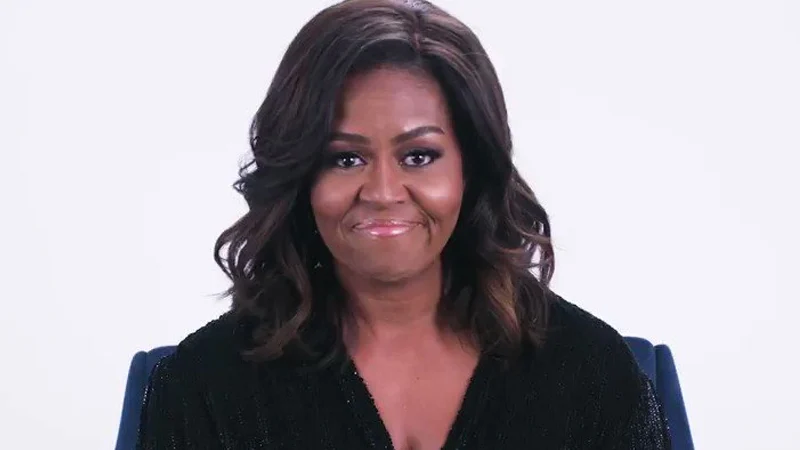
The intersection of political influence, celebrity culture, and digital vernacular reached a significant milestone in April 2019 when former First Lady Michelle Obama released a brief video message congratulating global superstar Beyoncé Knowles-Carter on the release of her Netflix documentary, Homecoming. What began as a sincere gesture of friendship and admiration between two of the world’s most influential Black women rapidly transformed into a versatile internet phenomenon. Known colloquially as the Hey Queen meme, the video has since become a cornerstone of digital communication, utilized by millions to express both genuine adulation and satirical self-deprecation. This transition from a private-public tribute to a ubiquitous cultural shorthand offers a profound look into the mechanics of viral media and the evolving nature of the "reaction video" genre.
The Catalyst: Beyoncé’s Homecoming and the 2018 Coachella Performance
To understand the weight of Michelle Obama’s video, one must first examine the cultural gravity of the project it celebrated. On April 17, 2019, Beyoncé released Homecoming: A Film by Beyoncé on Netflix. The documentary chronicled her 2018 headlining performance at the Coachella Valley Music and Arts Festival, a set that was historic for being the first time a Black woman headlined the festival.
The performance was a massive tribute to Historically Black Colleges and Universities (HBCUs), featuring a full marching band, step dancing, and a repertoire that spanned the history of Black musical excellence. The documentary provided a rare, intimate look at the grueling rehearsal process and the philosophy behind the performance. Given the documentary’s focus on Black excellence, education, and female empowerment—themes central to Michelle Obama’s own platform during and after her tenure in the White House—the First Lady’s public endorsement carried significant weight.
Chronology of the Viral Moment
On April 18, 2019, exactly one day after the documentary’s global premiere, Michelle Obama took to Twitter to share her thoughts. Her tweet read: "So proud of my girl! The Queen has done it again. @Beyonce, thank you for always living your truth. #Homecoming." Attached to the tweet was a 30-second video recorded in what appeared to be a dressing room or office during her "Becoming" book tour.
In the video, Obama looks directly into the camera and delivers the lines that would soon be etched into internet history: "Hey, queen! Girl, you have done it again, constantly raising the bar for all of us and doing it flawlessly. I’d say I’m surprised, but I know who you are. I’ve seen it up close and personal. Girl, you make me so proud, and I love you."
The response was instantaneous. Within the first 24 hours, the video garnered millions of views. By the end of the year, the original post had surpassed 2.5 million views, 167,000 likes, and 37,000 retweets. However, the true reach of the video was found in its secondary life as a "reaction clip," where users stripped the video from the original context to apply it to their own lives and the achievements of others.
The Mechanics of "Stan Twitter" and the Spread of the Meme
The primary driver behind the video’s transformation into a meme was "Stan Twitter," a highly active subculture of social media users who are intensely devoted to specific celebrities. For fans of Beyoncé (the BeyHive) and Michelle Obama, the clip was the ultimate crossover event.
On April 24, 2019, the account @ReactionVideos_ posted a high-definition cut of the clip with the caption: "Hey queen. Girl, you have done it again, constantly raising the bar for us all. And doing it flawlessly." This specific tweet served as a digital "template," allowing users to easily quote-tweet or download the video for their own purposes. This single post eventually amassed over 8.3 million views, significantly outperforming the original reach of the First Lady’s tweet and demonstrating the power of curated meme accounts in the digital ecosystem.
Linguistic Analysis: The Power of "Hey Queen"
The phrase "Hey Queen" and the accompanying praise resonate because they utilize a specific dialect and tone rooted in African American Vernacular English (AAVE) and LGBTQ+ ballroom culture, which have long used the term "Queen" to denote excellence, resilience, and high status.
When Michelle Obama—a figure often associated with formal, Ivy League-educated poise—adopted this more casual, sisterly vernacular, it created a sense of "relatability" that humanized her while simultaneously elevating the person she was addressing. The cadence of the delivery—"constantly raising the bar for all of us and doing it flawlessly"—provided a rhythmic, aspirational quote that was easily applicable to any situation involving a high level of achievement.
From Sincerity to Satire: The Evolution of Usage
The "Hey Queen" meme is unique in its versatility. In the months following its debut, the usage patterns shifted through three distinct phases:
1. Sincere Adulation
Initially, the video was used exactly as intended: to praise high-achieving women. When Megan Thee Stallion and Nicki Minaj released the hit song "Hot Girl Summer" in August 2019, the music platform Genius used the Obama clip as a reaction. This usage reinforced the original sentiment of Black women supporting other Black women in their professional triumphs.
2. Relatable Self-Correction
As the meme matured, users began applying the video to mundane or minor accomplishments, creating a humorous contrast between Obama’s grand praise and the smallness of the act. A popular example included a Twitter user sharing the video with the caption: "Me giving myself a pep talk in the bathroom at the bar so my friends don’t think I’m as drunk as I am." Here, the "Queen" being congratulated is the user themselves, and the "raising of the bar" is simply the act of standing upright.
3. Institutional and Corporate Adoption
The meme eventually reached a level of ubiquity where institutions began using it to signal cultural awareness. From school accounts praising graduating seniors to brands celebrating product launches, the "Hey Queen" clip became a safe, universally understood symbol of a "job well done."
Statistical Impact and Digital Engagement
Data from social media analytics tools suggest that the "Hey Queen" video remains one of the most frequently used reaction GIFs and clips involving a political figure. Unlike many memes that have a "shelf life" of only a few weeks, the Obama-Beyoncé interaction has seen recurring spikes in search interest.
- Peak Interest: The initial peak occurred in April 2019.
- Secondary Spikes: Interest resurfaced during the 2020 Grammy Awards, the release of Beyoncé’s Black Is King in 2020, and the various stops of the Renaissance World Tour in 2023.
- Cross-Platform Reach: While the meme originated on Twitter, it migrated heavily to TikTok, where the audio was used in thousands of "transformation" videos, and to Instagram, where it remains a staple in "Stories" as a sticker or GIF.
Broader Implications: The "Memeification" of Political Figures
The "Hey Queen" phenomenon represents a broader shift in how the public interacts with political figures in the post-Obama era. Traditionally, First Ladies were viewed through a lens of formal dignity and distance. However, Michelle Obama’s savvy use of social media and her willingness to engage in popular culture created a new blueprint for public figures.
By participating in the cultural conversation surrounding Beyoncé, Obama positioned herself not just as a former government official, but as a cultural tastemaker. This "memeification" allows political figures to maintain relevance and affinity with younger demographics (Gen Z and Millennials) who communicate primarily through visual media and humor.
Conclusion: A Lasting Cultural Artifact
The "Michelle Obama Congratulates Beyoncé" video is more than a fleeting moment of internet humor; it is a cultural artifact that captures a specific intersection of race, gender, and digital power in the late 2010s. It stands as a testament to the friendship between two of the most powerful women in modern history and illustrates how the internet can take a moment of sincere celebration and turn it into a universal language of encouragement.
Whether it is being used to celebrate a historic musical achievement or to joke about successfully finishing a difficult workday, the "Hey Queen" meme continues to raise the bar for how we express digital praise. In the fast-moving world of social media, where content is often discarded as quickly as it is consumed, Michelle Obama’s flawlessly delivered tribute has proven to have remarkable staying power, remaining a go-to tool for anyone looking to crown a "queen" in their own life.

