
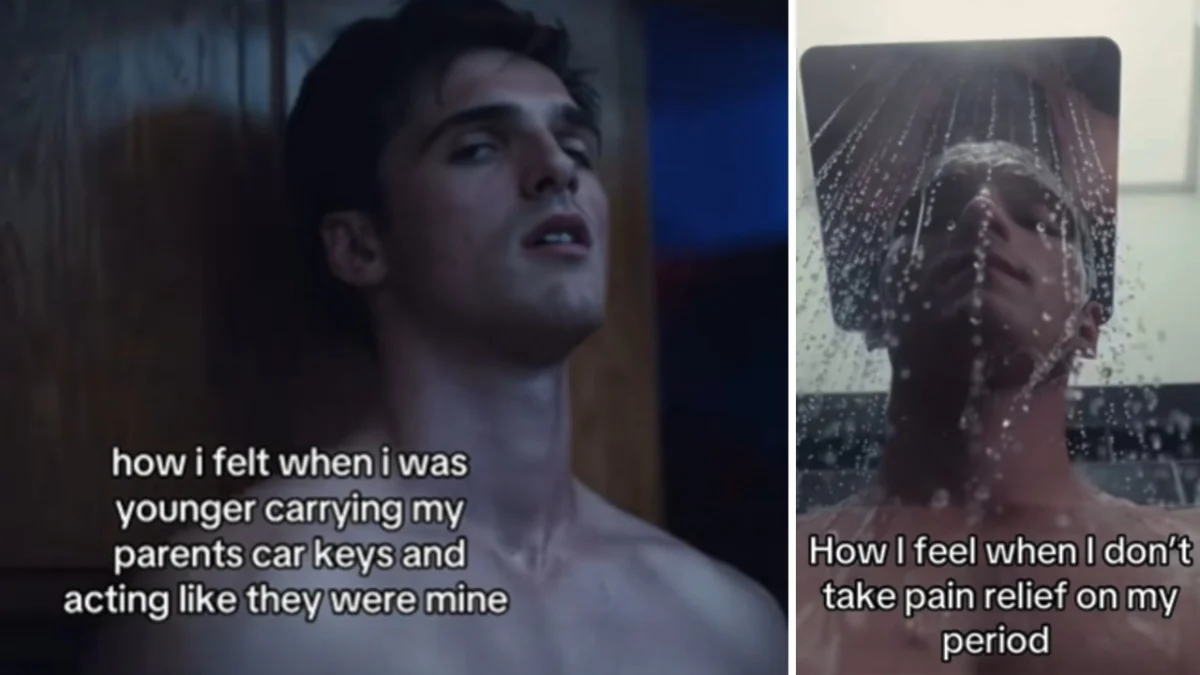
The Nate Jacobs "How I Feel" meme emerged in early 2026 as a dominant cultural phenomenon on TikTok, utilizing high-intensity video edits of the primary antagonist from the HBO series Euphoria to satirize moments of minor social defiance or self-perceived "badassery." Characterized by a juxtaposition between the dramatic, often menacing cinematography of the television show and the mundane nature of the captions provided by users, the trend has garnered tens of millions of views, signaling a shift in how digital audiences engage with "villain" archetypes in popular media. By late March 2026, the meme had transitioned from a niche fan-edit format into a broad template for relatable comedy, driven by the visual performance of actor Jacob Elordi and the atmospheric production of the Labrinth-produced soundtrack.
The Genesis and Initial Viral Traction
The origin of the Nate Jacobs "How I Feel" trend is traced back to February 23, 2026, when TikTok user @cxrf.letgo7_ uploaded a stylized compilation of Nate Jacobs. The video featured the character in various states of intense focus and dramatic posing, set to the song "Mount Everest" by Labrinth—a track synonymous with the Euphoria aesthetic. The original caption, written in Spanish, translated to: "How I feel after putting my phone on ‘do not disturb’ when the only notification I got was the weather one." This specific iteration struck a chord with the platform’s algorithm, amassing over 12 million views within its first month of publication.
The success of the initial post relied heavily on the irony of the situation. Nate Jacobs is portrayed in Euphoria as a complex, often violent, and highly manipulative figure. By using his "villainous" presence to describe a trivial action like ignoring a weather notification, the creator established a blueprint for "low-stakes villainy." This format allowed users to project a sense of dark, cinematic importance onto everyday behaviors that are technically "rude" or "anti-social" but ultimately harmless.
Chronological Expansion and Content Evolution
Following the success of the late February post, the trend saw a rapid diversification of themes throughout March 2026. As the template moved into the English-speaking "POV" (Point of View) community, the captions became increasingly specific and relatable.
On March 13, 2026, TikToker @pera.lovesqueen adapted the meme to address the common social anxiety of ghosting. The caption, "How I feel after ignoring everyone’s texts all day knowing damn well that I spent the entire day playing Roblox," highlighted the contrast between the character’s perceived power and the user’s actual, unproductive reality. This post secured over 230,000 views in just ten days, demonstrating the meme’s versatility across different subcultures, from gaming to general social commentary.
A significant surge in the trend’s popularity occurred on March 17, 2026, when user @i3tsukki posted a version centered on childhood nostalgia. The caption read: "how I felt when I was younger carrying my parents car keys and acting like they were mine." This iteration broadened the meme’s reach by tapping into universal experiences of feigned maturity and authority. The video gained 5.1 million views in less than a week, proving that the Nate Jacobs imagery could be used to represent not just "evil" feelings, but also the "ego-boost" associated with childhood roleplay.
By March 21, the meme had entered the educational sphere. TikToker @moviediary67 posted a version captioned, "how I feel when the sub gets my name wrong but the class corrects her." This version, which earned 1.8 million views in 48 hours, focused on the "social capital" one feels when defended by peers. In this context, the Nate Jacobs edit represented a sense of smug satisfaction and social dominance.
Technical Elements: The Role of Sound and Cinematography
The Nate Jacobs "How I Feel" meme is technically defined by its reliance on "edits"—short, highly processed video clips that utilize color grading, slow motion, and synchronized transitions. The choice of Nate Jacobs as the subject is intentional; Jacob Elordi’s portrayal of the character emphasizes a "darkly handsome" but "deeply troubled" aesthetic that fits the modern internet’s fascination with "preppy-villain" tropes.
Central to the trend’s impact is the audio: "Mount Everest" by Labrinth. The lyrics—specifically the lines "Mount Everest ain’t got shit on me"—reinforce the theme of supreme confidence and ego. Labrinth, who composed the score for Euphoria, created a soundscape for the show that is both ethereal and intimidating. When paired with clips of Nate Jacobs staring intensely into the camera or adjusting his clothing, the music elevates the user’s mundane caption into a moment of cinematic triumph. The audio-visual synergy is a key driver of the high retention rates observed in these videos, as the "drop" in the music often coincides with the most dramatic visual of the character.
Psychological and Cultural Analysis: The "Villain Era"
Social media analysts suggest that the Nate Jacobs meme is a byproduct of the "Villain Era" cultural movement. This digital trope involves individuals setting boundaries, prioritizing their own needs, or engaging in mildly disruptive behavior as a form of self-empowerment. By identifying with a character like Nate Jacobs—who represents the ultimate, albeit toxic, "main character"—users are able to jokingly embrace their own "dark side."
The meme functions as a form of "performative ego." In an era where social media often demands vulnerability or perfection, the Nate Jacobs trend allows for a third option: the humorous embrace of being "the problem." Whether it is not answering a text or feeling superior because of a substitute teacher’s mistake, the meme provides a safe, satirical outlet for the human desire to feel powerful or untouchable.
Furthermore, the meme highlights the "meme-ification" of antagonists. Despite the character’s horrific actions within the narrative of Euphoria, the internet has detached the visual of the actor from the context of the plot. This allows the character to serve as a visual shorthand for "intensity" rather than a literal endorsement of his fictional crimes.
Market Impact and Platform Data
The Nate Jacobs trend has had a measurable impact on the digital footprint of Euphoria, even years after the peak of its initial broadcast. Data from social listening tools indicates a significant spike in searches for "Nate Jacobs edit" and "Jacob Elordi Euphoria" during the first three weeks of March 2026. This secondary wave of interest demonstrates how meme culture can sustain the relevance of intellectual property (IP) long after the release of new episodes.
On TikTok, the hashtag #natejacobs saw a resurgence, with billions of cumulative views, while #euphoria continued to trend in the "entertainment" category. The engagement metrics for these videos—averaging a high ratio of shares to likes—suggest that the content is highly "relatable," a key metric for viral longevity. The trend has also benefited the music industry; "Mount Everest" saw a notable increase in streaming numbers on platforms like Spotify and Apple Music, as users sought out the full track after hearing snippets on their "For You" pages.
Broader Implications for Digital Storytelling
The Nate Jacobs "How I Feel" meme represents a broader shift in how Gen Z and Alpha audiences consume and repurpose television content. Rather than engaging with the show solely as a linear narrative, viewers treat the footage as a library of emotional assets. A single scene of a character looking into a mirror becomes a "reaction" for a specific internal feeling.
This modular approach to content creation means that actors like Jacob Elordi become "templates" for digital expression. The actor’s physical presence—tall, athletic, and stern—becomes a tool for users to communicate a specific brand of "masculine intensity" or "smugness" that transcends the original script.
Conclusion: The Longevity of the "How I Feel" Format
As of late March 2026, the Nate Jacobs "How I Feel" meme remains a staple of TikTok’s cultural landscape. While trends on the platform are often fleeting, the "How I Feel" format is historically resilient because it is based on a flexible template: [Dramatic Visual] + [Mundane/Relatable Action]. By using Nate Jacobs as the visual anchor, creators have tapped into a specific aesthetic that balances high-production value with low-stakes humor.
The trend’s evolution from Spanish-language TikTok to a global phenomenon underscores the universal nature of the "main character" impulse. Whether it is through the lens of a villain or a hero, social media users continue to seek out ways to narrate their lives with cinematic flair. As long as there are minor social rules to break and "villainous" characters to emulate, the Nate Jacobs "How I Feel" meme—and its subsequent iterations—will likely continue to influence the digital zeitgeist.

