
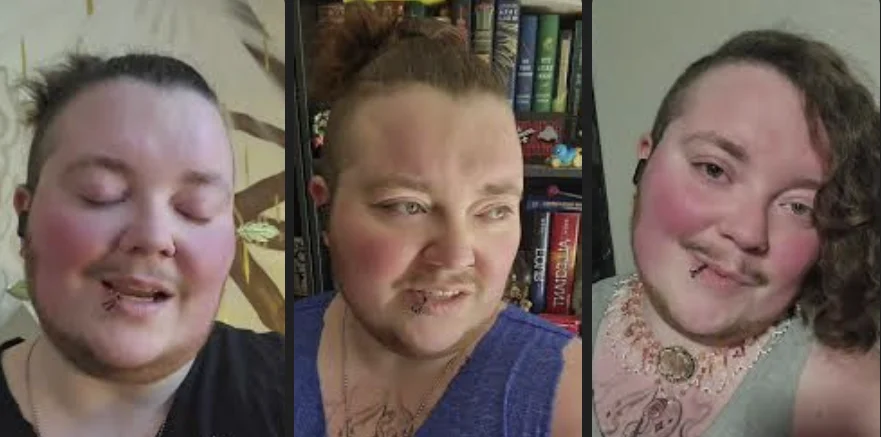
The digital landscape of early 2026 has seen the emergence of a new figure in the pantheon of internet "lolcows," a term used to describe individuals whose online behavior is perceived as eccentric or socially unaware and is subsequently "milked" for amusement by a wider audience. Tyler Catastrophe, a TikTok creator who first began posting in 2023, has transitioned from a niche content creator to a subject of intense platform-wide scrutiny. This shift was precipitated by a series of viral videos, most notably an unsolicited audition for the indie rock band Lovejoy and a series of claims regarding his physical resemblance to the subject of Dolly Parton’s classic song, "Jolene." As his digital footprint is dissected by millions, the case of Tyler Catastrophe offers a glimpse into the modern mechanisms of "cringe culture," the volatility of parasocial relationships, and the specific dynamics of TikTok’s algorithm-driven infamy.
The Genesis of a Digital Persona
Tyler Catastrophe’s presence on TikTok began in relative obscurity. His first video, uploaded to the handle @tylercatastrophe on March 27, 2023, garnered minimal engagement, typical of new users on the platform. Early content largely focused on personal anecdotes, his jewelry-making business, and general lifestyle vlogging. For nearly two years, Tyler maintained a modest following, occasionally reaching a broader audience, as seen in an April 2023 video that amassed over 2.3 million views. Despite this sporadic success, he remained largely separate from the broader "drama" ecosystem of TikTok until early 2025.
The nature of his content—characterized by high-energy mannerisms, stylized speech, and a penchant for "emo" or "indie" aesthetics—eventually caught the attention of subcultures dedicated to identifying and documenting "cringe." On the internet, "cringe" refers to content that causes secondhand embarrassment, often because the creator appears to lack self-awareness regarding how they are being perceived. For Tyler, this perception would become the bedrock of his online reputation.
The Lovejoy Audition and the Wilbur Soot Connection
The catalyst for Tyler’s widespread notoriety occurred on April 20, 2025, when he posted a video titled as an "audition" to become the "second vocalist" for Lovejoy. Lovejoy is a prominent English indie rock band fronted by William Gold, better known as Wilbur Soot. At the time of the video’s posting, the band and Gold were already subjects of significant controversy. In 2024, Gold had been the target of serious allegations of physical and emotional abuse by a former partner, Shelby Shubble. These allegations led to a fractured fanbase and a significant decline in Gold’s public standing within the YouTube and gaming communities.
Tyler’s audition video, which featured him singing over Lovejoy’s tracks and addressing the band members directly, was met with immediate derision. Critics pointed to the unsolicited nature of the audition and Tyler’s seemingly earnest belief that he could join a professional, established touring act via a TikTok tag. The video quickly surpassed 1.5 million views, but the comments were overwhelmingly negative, ranging from mockery of his vocal ability to criticism of his continued support for Gold.
The situation intensified in February 2026, when Tyler posted a video detailing what he described as a long-standing crush on "Will Gold." In the video, Tyler recounted meeting Gold after a concert, calling him "adorable," and suggesting there was a "non-zero chance" they would eventually enter a romantic relationship. This behavior was widely classified by viewers as a "parasocial relationship"—a one-sided emotional bond where a fan believes they have a personal connection with a celebrity who does not know they exist. Given the serious nature of the allegations against Gold, Tyler’s public pining was viewed by many as not only "cringe" but ethically questionable, leading to a surge in "hate-watching" and the formal labeling of Tyler as a "lolcow."
The "Jolene" Controversy and the Search for Past Content
As the TikTok community’s interest in Tyler grew, users began an "archaeological" dig into his posting history. This led to the resurfacing of a deleted video in which Tyler claimed that, prior to his gender transition, strangers would frequently approach him to tell him he was the literal embodiment of "Jolene," the titular character from Dolly Parton’s 1973 hit.
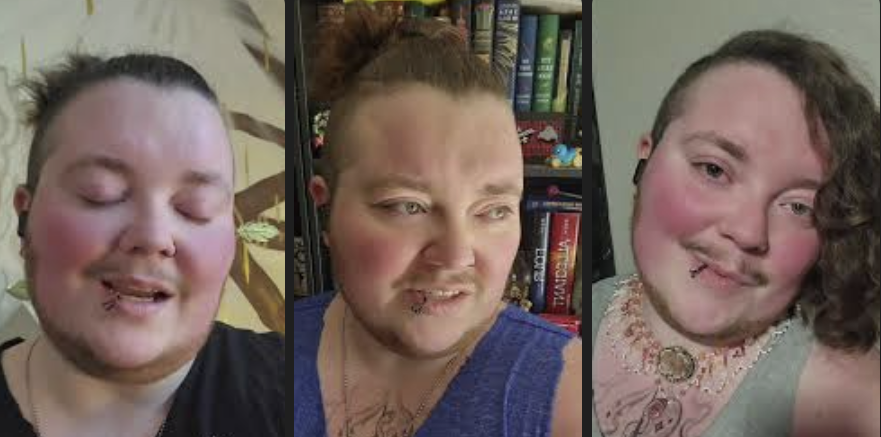
The lyrics of "Jolene" describe a woman of incomparable beauty: "With flaming locks of auburn hair / With ivory skin and eyes of emerald green / Your smile is like a breath of spring / Your skin is soft like summer rain." The claim that strangers would use such specific, poetic imagery to describe a random passerby was met with skepticism and became a recurring joke across the platform. By mid-April 2026, the "Jolene" claim had become a meme in its own right, with users flooding Tyler’s comments section with sarcastic compliments comparing him to the song’s description. This phenomenon illustrates how specific, easily mocked details can become the "lore" of an internet personality, further entrenching their status as a figure of ridicule.
Chronology of Key Events
To understand the velocity of Tyler Catastrophe’s rise to infamy, a timeline of his digital activity and the subsequent community response is essential:
- March 27, 2023: First video posted to @tylercatastrophe.
- April 22, 2023: First viral success with a video gaining 2.3 million views, though it did not lead to sustained infamy.
- April 20, 2025: The "Lovejoy Audition" video is posted, marking the beginning of his association with Wilbur Soot’s fanbase and the start of widespread mockery.
- February 27, 2026: Tyler posts about his "non-zero chance" with Wilbur Soot, sparking intense discourse on parasocial relationships.
- April 9–11, 2026: Users discover and circulate the "Jolene" claim. Other creators, such as @jessx.vw and @jc17389028, begin posting commentary videos that garner millions of views.
- April 10, 2026: Tyler posts a response video addressing the "smear campaign" and expressing exhaustion over the backlash. The video receives 1 million views within three days, but the reception remains largely hostile.
- April 12, 2026: YouTube commentator Katiclyzm uploads "The Tyler Catastrophe Situation Is Deranged," signaling the transition of the story from TikTok-specific drama to the broader YouTube commentary sphere.
Analytical Perspective: The Psychology of the Lolcow
The emergence of Tyler Catastrophe as a "lolcow" is not an isolated incident but part of a broader trend in social media consumption. Figures like Tyler provide a focal point for collective social policing. By mocking "cringe" behavior, participants in the discourse reinforce their own understanding of social norms and boundaries.
The term "lolcow" itself has roots in older internet forums like Kiwi Farms and 4chan, but its migration to TikTok has changed the dynamic. On TikTok, the algorithm can propel a person to millions of viewers who have no context for their behavior, leading to a rapid-fire cycle of discovery, mockery, and eventual "cancellation" or abandonment. In Tyler’s case, his perceived lack of self-awareness acts as the primary "bait" for the audience. When he responds to critics—as he did on April 10, 2026—it often provides more material for mockery, creating a self-sustaining loop of engagement.
Furthermore, the discourse has touched on identity politics. Creator @cherubug_ noted in a viral post that Tyler is perhaps the first "transmasc lolcow" to achieve this level of mainstream TikTok infamy. This observation sparked a secondary discussion about whether the mockery of Tyler is rooted in transphobia or if his behavior is being judged independently of his gender identity. The consensus among many commentators is that while his identity is a part of his profile, the primary driver of the backlash is his parasocial fixation on a controversial figure and his perceived narcissism.
Broader Impact and Digital Implications
The Tyler Catastrophe situation serves as a cautionary tale regarding the permanence and visibility of digital content. In the current era, a video posted in earnest in 2023 or 2025 can be weaponized in 2026 to construct a narrative of a creator’s character. For Tyler, the "audition" and the "Jolene" claims have become the defining features of his public identity, overshadowing his actual work as a jewelry maker or his personal transition journey.
From a platform perspective, the situation highlights the power of TikTok’s "Stitch" and "Duet" features, as well as the comment section, to shape the reputation of a creator. Unlike traditional celebrities, "lolcows" often do not have PR teams to manage their image, leading to raw, unfiltered responses that only deepen the controversy.
As of late April 2026, Tyler Catastrophe remains active on the platform, though his engagement is almost entirely driven by critics and "trolls." The long-term impact on his mental health and his ability to maintain a digital presence remains to be seen. However, the trajectory of his online career reflects a burgeoning reality of the 2020s: the line between "creator" and "subject of interest" is increasingly thin, and once an individual is categorized as a "lolcow" by the collective internet, reclaiming a standard reputation is an almost impossible task.

