
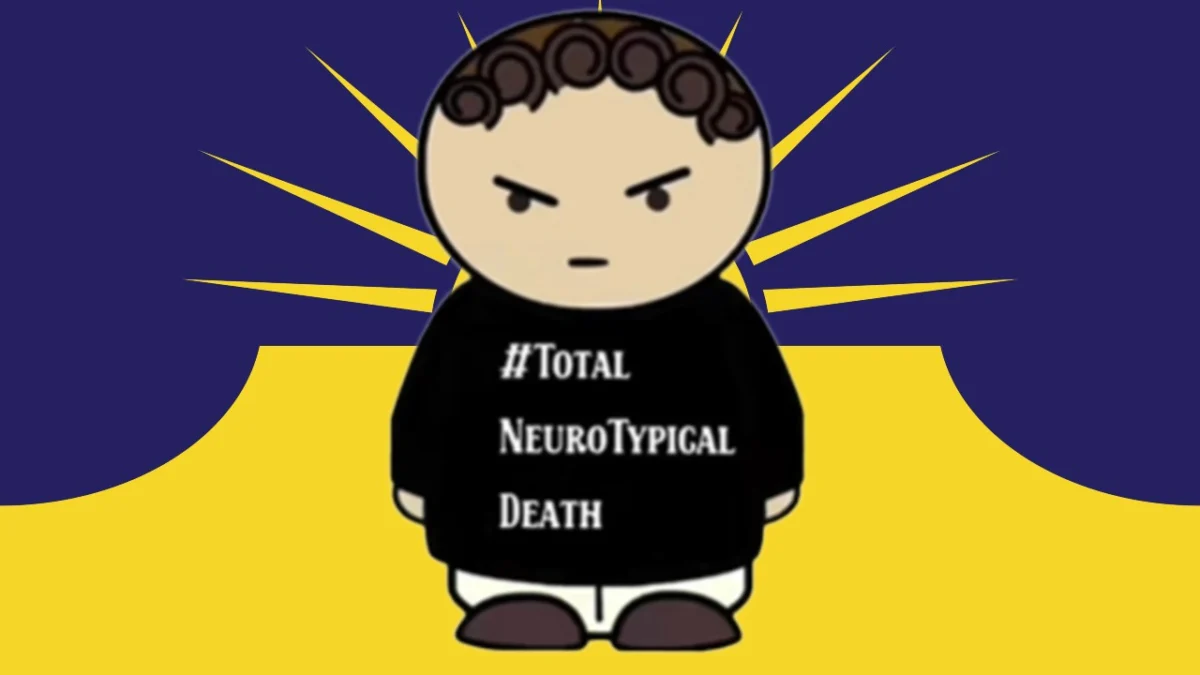
The digital landscape of April 2026 has been marked by the rapid proliferation of a contentious new acronym, TNTD, which stands for Total Neurotypical Death. Emerging primarily on short-form video platforms such as TikTok and microblogging sites like X (formerly Twitter), the term has ignited a complex debate regarding the boundaries of ironic humor, the radicalization of identity-based advocacy, and the appropriation of hate speech aesthetics. While proponents argue the term is a satirical response to the systemic marginalization of neurodivergent individuals, critics and digital safety experts warn that its linguistic roots in white supremacist rhetoric present significant risks for online discourse and community safety.
TNTD serves as a linguistic mirror to the hate-speech acronym TND, or Total N-word Death, a term classified by the Anti-Defamation League (ADL) as a white supremacist hate symbol. By replacing the racial slur with "neurotypical"—a term used to describe individuals whose neurological development and functioning are considered standard—users of the TNTD acronym have created a subculture centered on the concept of neurodivergent supremacy. This movement, while largely performative and steeped in layers of internet irony, posits a world where only those with conditions such as autism or ADHD remain, while neurotypical people are eradicated or marginalized.
Historical Context and the Genesis of the Trend
The earliest documented instance of the TNTD acronym in its current viral form appeared on April 2, 2026. A TikTok user operating under the handle @jebidiahjoshua70 uploaded a video featuring a stylized illustration of a character wearing a garment emblazoned with the hashtag #totalneurotypicaldeath. The video, which garnered over 110,000 views within its first two weeks, was accompanied by captions suggesting that neurodivergent (ND) individuals "must rise again." The post also utilized hashtags such as #highiqpost, signaling an association with "intellectual elitism" subcultures often found in fringe digital spaces.
The trend gained significant momentum on April 3, 2026, when the same creator posted an animated sequence featuring the official flag of Mesa, Arizona. This specific imagery is not incidental; Mesa was designated as the first "autism-certified city" in the United States in 2019 by the International Board of Credentialing and Continuing Education Standards (IBCCES). In the context of the TNTD meme, the Mesa flag has been recontextualized as a symbolic capital or a "homeland" for the burgeoning neurodivergent supremacy movement. This video alone reached over half a million views, cementing the visual vocabulary of the trend.
Chronology of Viral Expansion
Throughout the first two weeks of April 2026, the TNTD acronym transitioned from a niche reference to a widespread meme format. On April 7, the creator @deceized introduced a softer variation of the trend, posting an animation of a dancing cat wearing a shirt that read "total ND love." While ostensibly more positive, the video retained the aesthetic markers of the original meme, garnering nearly 500,000 views and demonstrating how the trend was beginning to fragment into different ideological tiers.
By April 8, the meme had evolved to include educational or "advocacy" elements, albeit delivered through the same edgy framework. TikTok user @popeyes.biscuit_ shared a compilation that juxtaposed the TNTD acronym with a list of positive traits associated with autism, such as creativity and pattern recognition. This post, which earned 228,000 views, highlighted the tension at the heart of the trend: the use of violent-sounding rhetoric to express pride in a marginalized identity.
The trend reached a peak of cross-platform visibility on April 9 and 10. On X, the user @deagle_irl reposted animations from TikTok, reaching an audience of over 840,000 viewers. Simultaneously, more abstract versions of the meme began to appear, such as a video by @rmorozovs featuring a person dancing under a large "TNTD" caption, which suggested that the acronym had become a shorthand for a specific "vibe" or subcultural affiliation rather than a literal call for violence.
Linguistic Roots and Hate Speech Parallels
The most controversial aspect of TNTD is its structural reliance on the TND acronym. TND originated in the darker corners of imageboards like 4chan and was popularized through "Kill, Behead, Roundhouse" memes, which are explicit in their calls for racial violence. The ADL notes that such acronyms are frequently used by extremist groups to bypass automated content moderation filters on social media platforms.
The decision by neurodivergent creators to adopt this specific template is viewed by many as an attempt to "reclaim" the shock value associated with extremist rhetoric. However, digital sociologists point out that this form of parody is a double-edged sword. While it may provide a sense of transgressive power to a group that often feels powerless in a "neurotypical" world, it simultaneously normalizes the syntax of hate speech. This phenomenon, often referred to as "ironic radicalization," can blur the lines between satirical venting and genuine hostility.
The Mesa Arizona Connection: From Certification to Symbolism
The involvement of Mesa, Arizona, in the TNTD mythos provides a unique case study in how civic initiatives can be co-opted by internet subcultures. In 2019, Mesa’s city council and local businesses underwent extensive training to better accommodate individuals on the autism spectrum. The goal was to foster inclusivity and economic growth by making the city a premier destination for neurodivergent families.
In the world of TNTD memes, however, Mesa is portrayed not as a model of inclusive urban planning, but as the "ground zero" for a neurodivergent takeover. The use of the Mesa flag in these videos serves as a dog whistle, signaling a level of "in-the-know" awareness of autism-related news while subverting the city’s message of peaceful integration into one of separatist triumph.
Community Reactions and Internal Dissent
The neurodivergent community is far from a monolith, and the reaction to TNTD has been sharply divided. On one side are younger users who view the meme as a harmless, if edgy, way to express frustration with a society that is often unaccommodating to their needs. These users argue that because neurodivergent people are not a dominant power group, their "supremacy" memes cannot be equated with the systemic harm of white supremacy.
Conversely, many neurodivergent advocates have voiced strong opposition to the trend. On April 10, TikToker @cats4brains posted a widely shared critique, stating that using "4chan terms" makes the community look like "Nazis." She argued that wishing death or eradication upon any group, even ironically, is inherently harmful and alienating. This internal pushback highlights a generational or subcultural divide between those who prioritize social integration and those who gravitate toward "alt" or "counter-culture" identities.
Platform Moderation and Digital Safety Challenges
The rise of TNTD poses a significant challenge for social media moderators. Platforms like TikTok and X have policies against "hateful behavior" and "violent extremism," but these policies are often difficult to apply to coded language and acronyms. Because TNTD is a play on an existing hate symbol rather than a direct slur itself, it often evades automated detection systems.
Furthermore, the "ironic" defense used by many creators provides a layer of plausible deniability. Moderators must weigh the intent of the user—which may be satirical or self-empowering—against the potential for the content to incite real-world harassment or to desensitize users to violent rhetoric. As of mid-April 2026, many of the original TNTD videos remain active, though some have begun to carry "sensitive content" warnings or have had their comments sections restricted.
Analysis of Sociological Implications
The TNTD phenomenon can be analyzed through the lens of the "social model of disability," which posits that people are disabled by barriers in society rather than by their physical or mental differences. When these barriers become overwhelming, marginalized groups may resort to "inverted hierarchies" as a psychological defense mechanism. By claiming "supremacy," neurodivergent individuals in the TNTD subculture are essentially rejecting the "medical model" that views them as needing to be "fixed" to fit into a neurotypical world.
However, the choice of a violent template for this rejection is significant. It reflects a broader trend in the 2020s where digital discourse has become increasingly polarized and "edgy." The "Sigma" and "High IQ" tropes frequently cited in TNTD posts suggest an intersection with "manosphere" aesthetics and other online movements that value dominance and exclusivity. This suggests that TNTD is not just about neurodiversity, but about a specific, internet-native way of performing identity through aggression and exclusion.
Conclusion and Future Outlook
As the TNTD meme continues to circulate, its long-term impact on the neurodivergent rights movement remains uncertain. While it has undoubtedly increased the visibility of certain discussions surrounding neurodiversity, it has done so by tethering the community to a vocabulary of hate. The transition from "Autism Acceptance" to "Total Neurotypical Death," even if intended as a joke, represents a radical shift in how identity-based advocacy is conducted in digital spaces.
The coming months will likely see a continued tug-of-war between creators pushing the boundaries of "ironic" speech and platforms attempting to maintain civil discourse. For the city of Mesa, Arizona, and the various advocacy groups whose symbols have been co-opted, the challenge will be to reclaim their message of inclusion from a meme that thrives on the rhetoric of eradication. Ultimately, TNTD serves as a potent reminder of how quickly the language of the "fringe" can become the language of the "viral," and the complex responsibilities that come with navigating identity in a hyper-connected, meme-driven world.

