
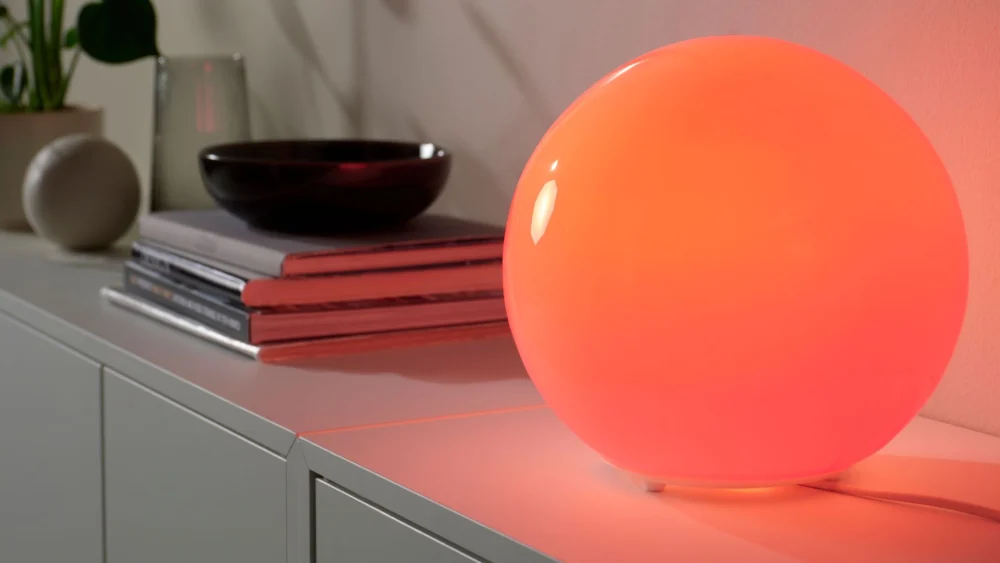
The much-anticipated arrival of IKEA’s Matter-compatible smart bulbs in the United States marks a significant milestone for the Swedish furniture giant and the broader smart home industry. This launch, occurring months after the initial announcement of its next generation of connected lighting, signals IKEA’s deepening commitment to the burgeoning Matter ecosystem, a standard designed to simplify and unify smart home device communication. The new TRÅDFRI-branded bulbs, now available through IKEA’s online store and across its extensive network of physical retail locations nationwide, promise a more seamless and integrated smart home experience for consumers.
The Promise of Matter and Thread Connectivity
The cornerstone of this new IKEA lighting lineup is its native support for Matter over Thread. Matter, an open-source connectivity standard championed by industry leaders like Apple, Google, and Amazon, aims to break down the silos that have historically plagued smart home adoption. By establishing a common language for smart devices, Matter ensures that products from different manufacturers can communicate with each other, regardless of their underlying platform. Thread, a low-power, IP-based wireless networking protocol, acts as the robust backbone for Matter, enabling devices to form a secure and reliable mesh network. This architecture offers several key advantages:
- Enhanced Interoperability: Consumers can now expect IKEA’s smart bulbs to integrate more readily with popular smart home platforms such as Apple HomeKit, Amazon Alexa, and Google Home. This means users can control their IKEA lights alongside devices from other brands using their preferred voice assistant or app, eliminating the need for multiple, disparate control systems.
- Improved Reliability and Responsiveness: Thread’s mesh networking capabilities mean that each connected device acts as a repeater, extending the network’s range and resilience. If one device goes offline, the network can reroute communication, ensuring a more stable and responsive smart home experience. This is particularly beneficial for lighting, where immediate responsiveness is crucial.
- Reduced Latency: The direct communication facilitated by Thread, rather than relying solely on cloud-based intermediaries, can lead to faster response times for commands, enhancing the user experience.
- Low Power Consumption: Thread is designed for energy efficiency, which is vital for battery-powered devices and contributes to a more sustainable smart home.
This shift to Matter over Thread represents a strategic move by IKEA to position its smart home offerings at the forefront of industry innovation. Historically, IKEA has carved out a niche in the smart home market by offering affordable yet functional solutions. Their previous TRÅDFRI line, while popular, often required a dedicated IKEA gateway and was limited in its cross-platform compatibility. The integration of Matter addresses these limitations, bringing IKEA’s value proposition into a more connected and future-proof smart home landscape.
A Phased Rollout and Evolving Smart Home Strategy
The journey to these Matter-enabled bulbs has been a gradual one, reflecting IKEA’s evolving approach to smart home technology. The company first announced its intention to embrace Matter late last year, unveiling a suite of 21 new smart home products designed to work with the standard. This broader strategy underscores IKEA’s recognition of the growing consumer demand for interoperable smart home devices.
The initial announcement had generated considerable excitement among tech enthusiasts and IKEA loyalists alike, eager to see how the brand would translate its affordable design ethos into the Matter ecosystem. The delay in the US launch, however, allowed IKEA to refine its offerings and address potential challenges. This phased rollout, common in the consumer electronics industry, often serves to ensure product readiness and gather initial market feedback.
Affordable Innovation: Pricing and Product Variety
A core tenet of IKEA’s brand identity is accessibility, and this principle extends to its smart lighting solutions. The new Matter-compatible bulbs continue this tradition, offering competitive pricing that aims to democratize smart home technology.
The pricing structure is designed to be attractive to a wide range of consumers:
- Kajplats E26 Smart White Bulb (450 lumens): Starting at an accessible $5.99, this model provides basic smart white lighting functionality, making it an excellent entry point for those looking to dip their toes into smart home automation.
- Higher Brightness Variants: For consumers seeking more illumination or specific lighting moods, IKEA offers bulbs with higher lumen outputs, such as the 1,600-lumen model, priced at $13.99. This range caters to various room sizes and lighting needs.
- Fitting Options: The bulbs are available in both E26 (standard screw base) and E12 (candelabra base) fittings, ensuring compatibility with a broad spectrum of existing light fixtures.
- Spectrum Options: Consumers can choose between simple white spectrum bulbs, ideal for general illumination, and full-color spectrum bulbs, which allow for a vast array of colors to create specific ambiances for entertainment, relaxation, or productivity.
- Starter Kits: To further simplify the setup process, IKEA is offering starter kits that include a Matter-enabled bulb bundled with its Bilresa wireless remote. These kits begin at $9.99, providing a convenient all-in-one solution for immediate smart lighting control.
This pricing strategy positions IKEA’s Matter bulbs as a compelling alternative to established premium brands like Philips Hue, which often carry a higher price tag. By offering comparable functionality at a more affordable cost, IKEA is poised to attract a significant segment of the market seeking value and performance in their smart home investments.
Addressing Early Adoption Challenges: Firmware Updates and User Experience
Despite the promising technology and competitive pricing, the launch of IKEA’s Matter-enabled smart bulbs has not been entirely without its hurdles. Reports from early adopters have highlighted some connectivity issues, particularly concerning the onboarding process when attempting to connect the bulbs to IKEA’s own Dirigera smart home hub, as well as to other Matter-compatible platforms.
These initial challenges are not uncommon for new smart home technologies, especially those relying on nascent standards like Matter. The complexity of integrating devices across different manufacturers and ecosystems can sometimes lead to unforeseen interoperability issues.
In response to these user-reported problems, IKEA has proactively acknowledged the difficulties and has already released a firmware update. This update is specifically aimed at enhancing what the company describes as "Matter onboarding stability." Such rapid firmware patches are indicative of a commitment to user satisfaction and a willingness to iterate on product performance.
The effectiveness of this update in fully resolving the connectivity hiccups remains to be seen. However, the swift action taken by IKEA demonstrates a dedication to refining the user experience and ensuring that their smart home products meet the high expectations set by the Matter standard. The long-term success of these bulbs will undoubtedly hinge on their ability to provide a consistently reliable and user-friendly experience for a broad range of consumers.
Broader Implications for the Smart Home Market
The successful integration of IKEA’s Matter-compatible smart bulbs into the US market carries significant implications for the broader smart home landscape:
- Accelerated Matter Adoption: IKEA’s substantial global presence and loyal customer base mean that its adoption of Matter can act as a powerful catalyst for broader consumer acceptance of the standard. As more consumers purchase and integrate these affordable, interoperable devices, the network effect of Matter will strengthen, encouraging more manufacturers to develop Matter-certified products.
- Increased Competition and Innovation: By entering the Matter-enabled smart lighting space with competitive pricing, IKEA is intensifying competition. This will likely pressure other brands to innovate and potentially lower their own prices, ultimately benefiting consumers with a wider selection of more affordable and interconnected smart home devices.
- Democratization of Advanced Smart Home Features: The availability of full-color spectrum bulbs at accessible price points means that advanced smart lighting features, once considered a luxury, are becoming attainable for a larger demographic. This democratizes the ability to personalize home environments and enhance well-being through intelligent lighting.
- Simplified Smart Home Ecosystems: The promise of Matter is to simplify the smart home. As more brands like IKEA embrace it, consumers will face fewer compatibility headaches, leading to less frustration and a more enjoyable experience with their connected devices. This ease of use is crucial for driving mainstream adoption.
- IKEA’s Strategic Positioning: This move solidifies IKEA’s position as a key player in the evolving smart home market. By aligning with a future-proof standard like Matter, IKEA is not just selling smart bulbs; it is offering a pathway for consumers to build an integrated and adaptable smart home ecosystem that can grow and evolve with their needs.
The journey of IKEA’s Matter-compatible smart bulbs from announcement to widespread availability in the US is a testament to the dynamic nature of the smart home industry. As consumers increasingly seek connected, convenient, and interoperable living spaces, IKEA’s latest offerings, despite initial teething problems, represent a significant step forward in making sophisticated smart home technology more accessible and user-friendly than ever before. The continued development and refinement of these products, alongside IKEA’s broader smart home strategy, will be closely watched as they shape the future of connected living.

