

The contemporary landscape presents a unique challenge for parents aiming to instill gratitude and contentment in their children, particularly amidst the omnipresent culture of immediate gratification and readily available material possessions. This societal shift, largely fueled by the exponential growth of e-commerce and pervasive digital advertising, often fosters an environment where children equate happiness with continuous acquisition. A vivid illustration of this challenge comes from a mother of three young boys who, reflecting on the daily arrival of packages, sought alternative methods to foster appreciation. Her spontaneous creation of a "spa bath" experience for her sons – complete with cucumber water, dim lighting, and a calming playlist – unexpectedly captivated them, overshadowing a basket of expensive bath toys. This seemingly simple event underscored a profound insight: children often derive greater value and enjoyment from experiences than from material goods. This observation serves as a micro-example of a macro-trend, highlighting the growing imperative for parents to actively teach gratitude, differentiate between needs and wants, and guide their children towards a deeper sense of contentment beyond consumerism.
The Evolving Landscape of Childhood and Consumerism
The digital age has fundamentally reshaped the environment in which children grow up. The advent of e-commerce giants like Amazon has normalized the concept of instant acquisition, making goods readily available with minimal effort. This contrasts sharply with previous generations where purchases often involved a deliberate trip to a physical store, fostering a sense of anticipation and a clearer understanding of the transactional process. Today, children are exposed to a constant stream of advertising, often tailored through sophisticated algorithms, creating an insatiable desire for the "next big thing." This pervasive marketing, coupled with social media influences that often highlight material wealth, cultivates a belief that happiness is perpetually just one more purchase away.
This cultural backdrop creates a significant hurdle for parents endeavoring to nurture values such as patience, appreciation, and intrinsic satisfaction. A 2021 study by Common Sense Media indicated that children aged 8-12 spend an average of 4 hours and 44 minutes per day on screen media, much of which involves exposure to advertisements and influencer content promoting consumer goods. This constant bombardment normalizes a materialistic worldview, making the concept of contentment, which often involves appreciating what one has rather than desiring what one lacks, increasingly abstract for young minds. The challenge, therefore, lies not in restricting access entirely, but in equipping children with the emotional and cognitive tools to navigate this environment discerningly.
The Psychological Imperative of Contentment Education
Teaching children contentment is not merely about fostering good manners; it is a critical component of developing essential emotional regulation skills. Contentment enables children to acknowledge a feeling or desire without allowing it to dictate their immediate actions. This capacity for an "inner pause" is fundamental. It empowers them to manage disappointment constructively, delay gratification, and resist impulsive demands. Without this foundational skill, children are more susceptible to the "I want it, therefore I need it" mentality, which can lead to frustration, anxiety, and an inability to cope with life’s inevitable setbacks.
Developmental psychologists emphasize that the ability to delay gratification is a cornerstone of executive function, a set of cognitive skills vital for planning, problem-solving, and self-control. The seminal Stanford Marshmallow Experiment, conducted by Walter Mischel in the late 1960s and early 1970s, famously demonstrated the long-term benefits of this skill. Children who were able to resist the immediate temptation of one marshmallow for the promise of two later exhibited higher SAT scores, better academic performance, greater stress tolerance, and lower rates of obesity in adulthood. These longitudinal findings underscore that the capacity for delayed gratification, a direct byproduct of cultivating contentment, provides children with robust emotional and cognitive tools that serve them throughout their lives, from navigating playground conflicts to managing professional pressures decades later. By fostering contentment early, parents are essentially building a resilient psychological framework for their children’s future well-being.
Prioritizing Experiences Over Material Possessions
In a society that frequently equates happiness with accumulating more possessions, empirical research consistently demonstrates that experiences, rather than material goods, yield more enduring joy and satisfaction. A significant study published in the Journal of Personality and Social Psychology highlighted that experiential purchases lead to greater happiness than material purchases because they are less prone to social comparison. When a child receives a new toy or item of clothing, it is often immediately subject to comparison with peers’ possessions, leading to potential feelings of inadequacy or the desire for an "even better" version. In contrast, every experience – a family hike, a shared meal, a trip to the museum – is inherently unique and personal. These experiences create lasting memories, foster social bonds, and contribute to personal identity in ways that material items rarely can. They are less about what one has and more about who one is and what one does.
Parents serve as primary role models in this paradigm shift. When children observe their parents expressing genuine excitement for a shared family activity over a new purchase, or articulating gratitude for time spent together ("I’m so grateful we got to spend the afternoon together"), they internalize these values. This consistent modeling reinforces the idea that true contentment stems from relationships, shared moments, and personal growth, rather than from consumer acquisition.
Actionable Strategies for Fostering Experiential Value:
- Gift Experiences, Not Just Toys: For birthdays and holidays, shift the focus from material gifts to experiential ones. This could involve wrapping movie tickets in a decorative box, presenting "coupons" for dedicated one-on-one time (e.g., "Mom-and-Me Baking Session," "Dad-and-Me Fishing Trip"), or creating a personalized note promising an adventurous outing like geocaching or a visit to a new park. This strategy directly communicates that relationships and shared adventures hold greater value than tangible objects.
- Cultivate Reflective Conversations: Implement practices that encourage daily reflection on gratitude. A "gratitude journal" or "From Me to You" notebook can be an effective tool. Parents can initiate by writing a question such as "What are you grateful for today?" and children can write their responses, expanding beyond simple lists to include why something brings them happiness (e.g., "I’m grateful for our cozy living room because it’s where we snuggle and read stories"). This practice helps children articulate and deeply appreciate the simple comforts and relationships in their lives.
Distinguishing Needs from Wants: A Foundation for Financial Literacy and Self-Control
Teaching children the crucial distinction between needs and wants is fundamental to developing financial literacy, self-control, and long-term contentment. This lesson empowers them to pause before acting on impulse, transforming waiting into an integral part of the reward. The concept of delayed gratification, as highlighted by the Stanford Marshmallow Experiment, is central to this. Children who learn to defer immediate desires for a greater future benefit are better equipped for success in various life domains.
This skill is not merely about resisting temptation; it’s about developing foresight, planning, and a realistic understanding of resources. In a world where credit and instant purchasing are readily available, equipping children with this discernment is more vital than ever. It helps them build resilience against the constant pull of consumer culture and lays the groundwork for responsible financial habits in adulthood.
Practical Approaches to Differentiate Needs and Wants:
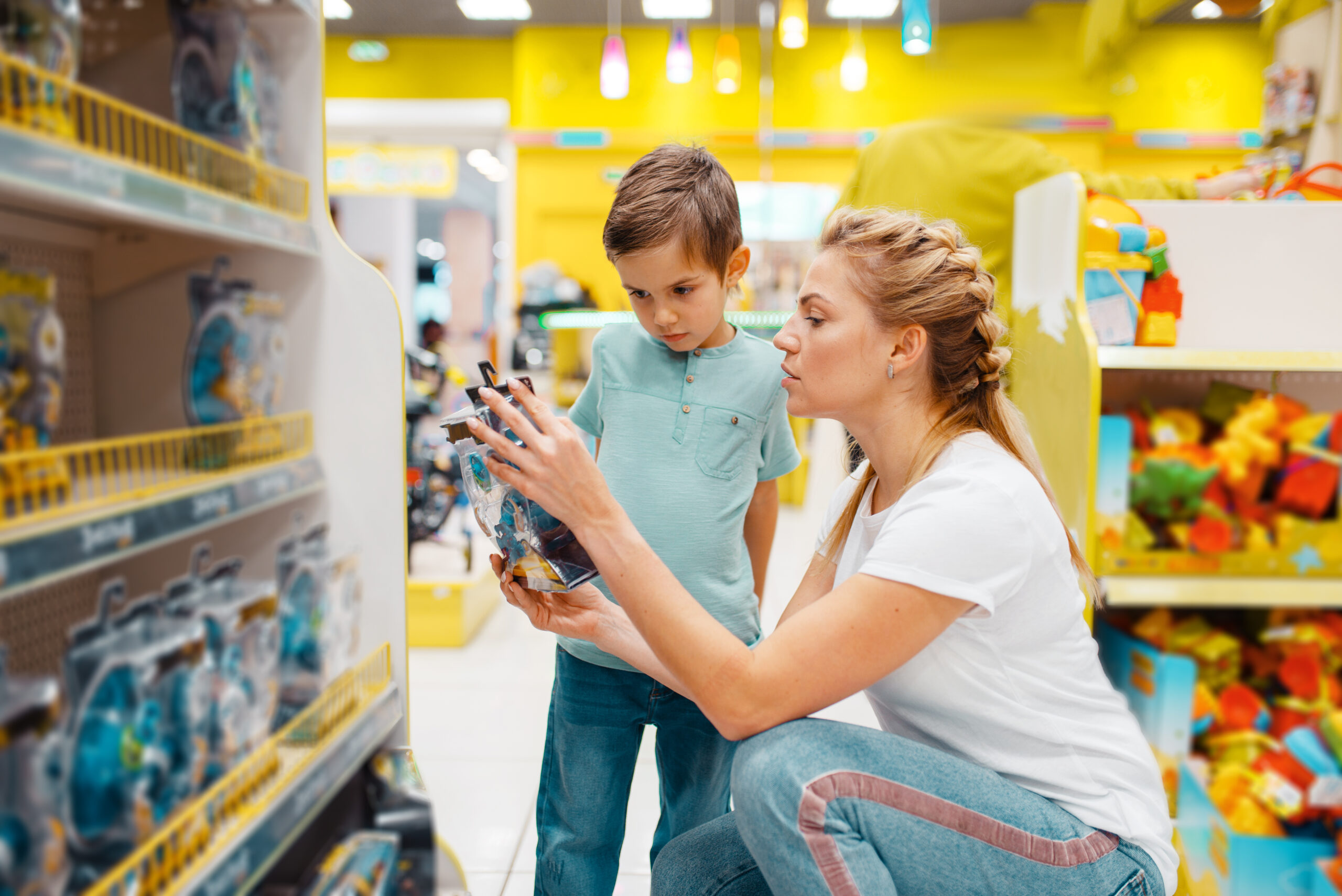
- The "Need or Want" Shopping Game: Before entering a store, establish a clear rule: every request must be categorized as either a "need" (essential for health, safety, or comfort) or a "want" (a fun extra). Instead of immediate denials, engage the child in the categorization process. For example, if a child asks for a new toy, prompt them: "Is that a need or a want? Why?" This fosters critical thinking and empowers them to make reasoned judgments about their desires.
- The 3-Day Rule: When a child expresses a desire for something non-essential, suggest writing it down together and agreeing to revisit the request in three days. This simple waiting period often reveals the fleeting nature of many wants. If the desire persists after three days, it opens a discussion about how to achieve it, such as saving money, earning it through chores, or waiting for a special occasion. This method builds patience and an understanding of value.
- The Earn and Save System: Implement an age-appropriate chore system where children can earn money. This directly links effort to reward and provides a tangible means for them to save for their "wants." This system not only teaches delayed gratification but also instills an understanding of the value of money, the effort required to earn it, and the satisfaction of purchasing something with their own accumulated funds. This integrates financial education with the development of patience and responsibility.
The Transformative Power of Giving
Beyond personal contentment, teaching children the joy of giving is paramount for fostering empathy, compassion, and a broader sense of community. While it might seem counterintuitive to link giving with gratitude, research consistently shows that altruistic behavior significantly enhances personal well-being. A study from the University of Oregon, utilizing fMRI scans, found that voluntary participation in charitable giving activates reward centers in the brain associated with happiness, mirroring the neurological responses to receiving gifts. This phenomenon, often dubbed the "helper’s high," demonstrates that generosity is intrinsically rewarding, cultivating a positive feedback loop that encourages further giving.
Many parents, in an effort to declutter, might discreetly bag up old toys for donation. However, this approach often deprives children of the valuable experience of conscious giving. By actively involving them in the process, parents enable them to connect their actions directly to the positive impact on others. This engagement transforms a passive act into an active lesson in empathy and social responsibility.
Strategies for Cultivating Generosity and Empathy:
- The Monthly Donation Box: Designate a specific box or bin and make it a monthly ritual to fill it with items for donation. Crucially, involve children in selecting items they no longer use or have outgrown, including toys they still "like" but rarely play with. Frame the conversation around the impact of their generosity: "Remember how excited you were when you got this? Let’s give another kid that same happy feeling." This teaches children to consider the needs and feelings of others and to understand that their possessions can bring joy to someone else.
- Care Bags and Service Projects: Encourage proactive giving by preparing "care bags" to keep in the car, filled with essential items like snacks, socks, and toiletries, to offer to individuals experiencing homelessness. Alternatively, engage in age-appropriate service projects, such as visiting a nursing home to interact with residents, assisting an elderly neighbor with yard work, or participating in a community clean-up. When children witness the direct, positive impact of their generosity, giving transcends an abstract concept and becomes an ingrained part of their character and identity. These experiences build empathy and reinforce the idea that contributing to the well-being of others is a deeply satisfying endeavor.
Broader Impact and Implications
The deliberate effort to raise grateful and contented children extends far beyond individual family units. It represents an investment in the emotional intelligence and resilience of future generations, with significant societal implications. Children who learn contentment are better equipped to navigate the complexities of modern life, resist the pressures of consumerism, and develop into individuals who prioritize relationships, experiences, and community welfare over material accumulation.
This shift has the potential to foster a more mindful and sustainable society. By valuing intrinsic satisfaction and appreciating what they already possess, these children may grow into adults who are less susceptible to the "hedonic treadmill" – the cycle of seeking happiness through ever-increasing consumption. Instead, they are more likely to find joy in simple moments, appreciate the natural world, engage meaningfully with their communities, and contribute positively to collective well-being. Raising grateful kids, therefore, is not merely a parenting strategy; it is a foundational endeavor that shapes hearts, cultivates character, and ultimately contributes to a more compassionate, balanced, and sustainable future for all.

