
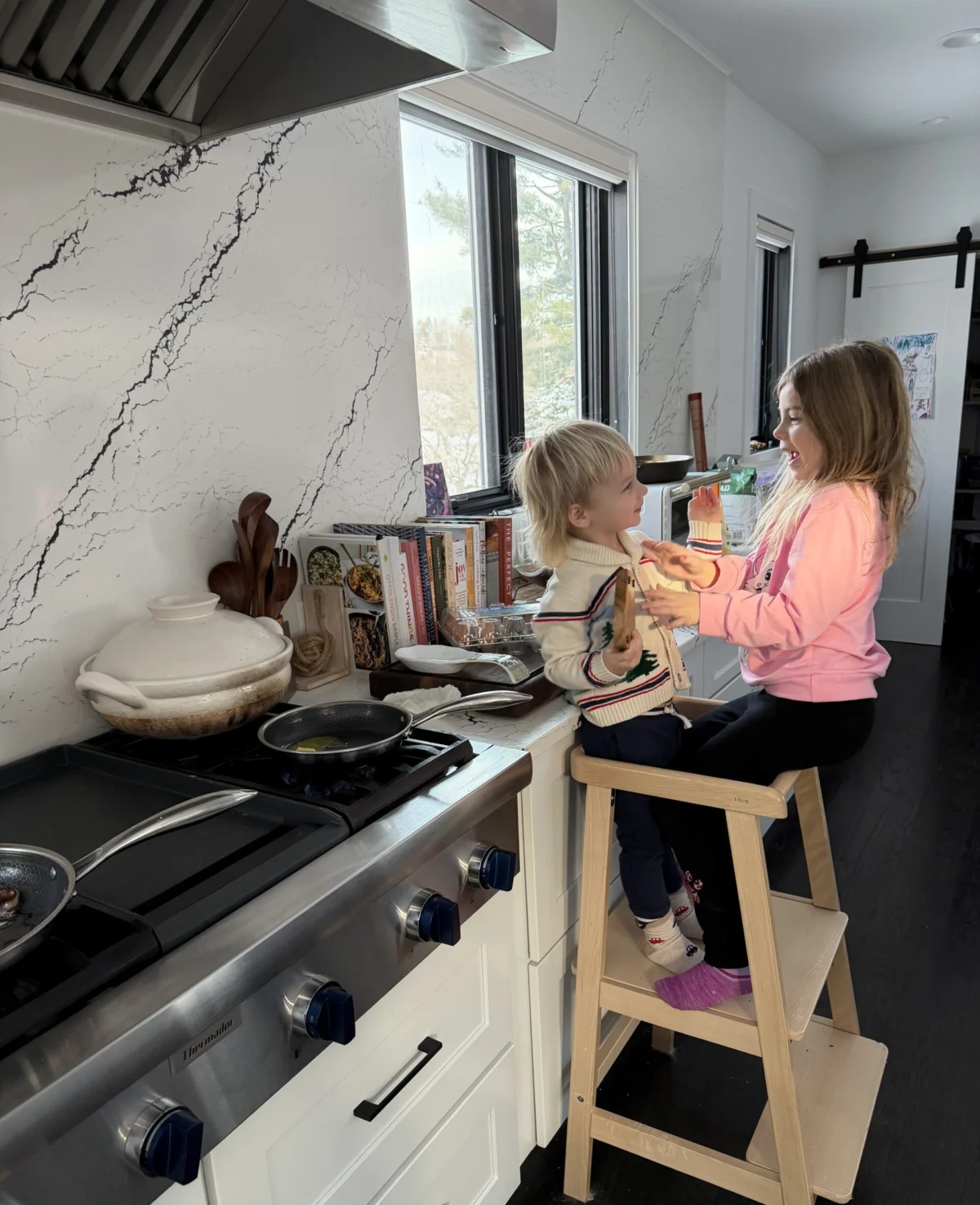
The kitchen, often viewed primarily as a space for preparing sustenance, is increasingly recognized by developmental experts, educators, and parents alike as a dynamic environment for fostering crucial life skills, promoting healthy eating habits, and strengthening family connections. This shift in perspective highlights the profound benefits of integrating children into cooking activities, transforming mundane tasks into enriching learning experiences. Among prominent voices advocating for this approach is ESPN anchor Laura Rutledge, who has publicly shared her family’s embrace of the kitchen as a central hub for growth and bonding, underscoring that the perceived chaos of cooking with children is a worthwhile investment in their development and family well-being.
The concept of children participating in household chores, including food preparation, is not novel. Historically, children were integral to daily domestic life, learning practical skills from a young age out of necessity. The industrial revolution and subsequent societal changes, however, gradually shifted this dynamic, moving food production largely outside the home and reducing the direct involvement of children in culinary processes. In recent decades, a growing awareness of childhood obesity, the importance of food literacy, and the desire for quality family time has sparked a renewed interest in reintroducing children to the kitchen. This resurgence is supported by educational philosophies like Montessori, which emphasize practical life skills as fundamental to a child’s holistic development, and by nutritional science that links early food exposure and preparation to healthier eating patterns later in life. Modern parents, often juggling demanding careers, are finding that shared culinary endeavors offer a unique opportunity to combine necessity with developmental enrichment, creating a natural setting for informal learning and interaction.
Cultivating Essential Life Skills Through Culinary Engagement
One of the most significant advantages of involving children in cooking is the organic development of a wide array of practical and cognitive skills. Far beyond simply learning to cook, children acquire foundational abilities that are transferable to numerous aspects of their lives.
Cognitive and Academic Development: The kitchen serves as an inadvertent laboratory for STEM education. Measuring ingredients introduces basic mathematical concepts such as fractions, volume, and weight. Following a recipe develops sequencing skills, logical thinking, and problem-solving, as children learn to understand instructions, anticipate outcomes, and adapt when things don’t go exactly as planned. Reading recipes also enhances literacy skills, while understanding the transformation of ingredients through heat or mixing provides rudimentary lessons in chemistry and physics. For instance, the simple act of baking a cake involves precise measurements, understanding chemical reactions (leavening agents), and observing physical changes (dough rising, batter solidifying).
Fine Motor Skills and Coordination: Tasks such as stirring, pouring, kneading, chopping (with age-appropriate tools), and decorating require precision and dexterity. These activities refine fine motor skills, hand-eye coordination, and bilateral coordination, which are crucial for handwriting, artistic endeavors, and many other daily activities. The careful handling of fragile ingredients like eggs, as noted by Rutledge with her son Jack, teaches gentleness and control, even if initial attempts are imperfect.
Responsibility and Independence: Assigning children specific roles, from washing vegetables to setting the table, instills a sense of responsibility and contributes to their growing independence. When children are empowered to complete a task, even a small one, they learn to trust their abilities and take ownership of their contributions, fostering self-reliance.
Promoting Healthier Eating Habits and Food Literacy
A compelling body of research suggests a strong correlation between children’s involvement in food preparation and their willingness to try and consume a wider variety of foods, particularly fruits and vegetables. This phenomenon, often termed "ownership," transforms mealtime dynamics.
Overcoming Picky Eating: Child psychologists and nutritionists explain that when children actively participate in preparing a meal, they develop a sense of investment and pride in the final product. This direct involvement can significantly reduce food neophobia – the reluctance to try new foods – as familiarity with ingredients and the cooking process makes them less intimidating. Studies published in journals like the Journal of Nutrition Education and Behavior have demonstrated that children who cook are more likely to eat healthier, consume more fruits and vegetables, and express greater enjoyment of meals. For instance, a child who helps chop carrots for a soup is more likely to taste and enjoy that soup than one who is simply presented with it.
Developing Food Literacy: Beyond mere consumption, cooking teaches children about where food comes from, how it’s prepared, and the nutritional value of different ingredients. This foundational food literacy is critical in an era where processed foods are ubiquitous and understanding healthy eating choices is paramount for combating rising rates of childhood obesity and related health issues. Learning to identify ingredients, understand basic cooking methods, and make informed choices about what goes into their bodies equips children with lifelong skills for maintaining a balanced diet.
Cultivating Quality Family Time and Communication
In an increasingly fast-paced world, dedicated family time can be challenging to secure. The kitchen offers a unique, natural setting for unpressured interaction and communication.
Strengthening Family Bonds: As articulated by many parents, including Rutledge, shared cooking experiences create an informal atmosphere where conversation flows naturally. Without the pressure of a structured activity or a specific agenda, children often open up about their day, their thoughts, and their experiences. This side-by-side activity, whether it’s stirring a pot or measuring flour, fosters a sense of togetherness and collaboration that strengthens familial bonds. It moves beyond passive consumption of a meal to active creation, transforming meal preparation into a shared journey.
Mindfulness and Stress Reduction: For adults, especially those in demanding professions like Rutledge, the act of cooking with children can serve as a powerful antidote to the pressures of modern life. It forces a deceleration, a focus on the present moment, and an appreciation for small, incremental achievements. The deliberate pace of a child spooning ingredients, for example, compels adults to slow down and be present. This mindfulness can reduce parental stress and enhance the enjoyment of the interaction, shifting focus from external pressures to the immediate, tangible experience with their children. This shared presence, free from digital distractions, cultivates a deeper emotional connection.
Building Confidence and a Sense of Contribution
Allowing children to contribute meaningfully to household tasks is pivotal for their self-esteem and sense of belonging. The kitchen provides tangible opportunities for this.
Empowerment Through Real Responsibility: When children are given genuine tasks, rather than mere pretend play, they experience the satisfaction of making a real contribution. The pride of serving a dish they helped prepare, even if it’s "slightly overcooked scrambled eggs," as Rutledge notes, is immense. This feeling of being a valued member of the family unit, capable of contributing to a shared goal, builds profound confidence and reinforces their identity as capable individuals. This is distinct from symbolic tasks; it’s about seeing the direct impact of their efforts on the family meal.
Developing Resilience and Problem-Solving: Cooking inevitably involves minor mishaps – a spilled ingredient, an imperfect chop. These moments, when approached with patience and guidance, offer valuable lessons in resilience, problem-solving, and accepting imperfections. Children learn that mistakes are part of the process and that persistence leads to success.
Practical Considerations and Expert Recommendations
To maximize the benefits and ensure a positive experience, certain practical considerations are essential when involving children in the kitchen.
Safety First: Prioritizing safety is paramount. This includes using age-appropriate tools such as kid-safe knives, sturdy step stools for reaching counters, and ensuring constant supervision around hot surfaces, sharp objects, and electrical appliances. Educators and safety organizations recommend teaching children about kitchen hazards from an early age in a calm, instructional manner rather than instilling fear.
Age-Appropriate Tasks: Tailoring tasks to a child’s developmental stage is crucial for engagement and success. Toddlers can wash vegetables, stir ingredients, or tear lettuce. Preschoolers can measure, pour, and knead dough. Older children can handle more complex tasks like chopping, grating, and following multi-step recipes, gradually increasing their autonomy as their skills develop.
Embracing the Mess and Imperfection: One of the most common deterrents for parents is the inevitable mess. However, experts advise that embracing the mess as part of the learning process is key. The focus should be on the experience and skill development, not on achieving a perfect, restaurant-quality meal. A relaxed attitude from the parent translates into a more enjoyable and less stressful experience for the child. As Rutledge aptly describes, the process "is chaos. It’s a mess. But it’s so dang fun."
Investing in the Right Tools: As Rutledge points out, having the right tools can make a significant difference. Kid-friendly utensils are designed to be safe and easy for small hands to use, reducing frustration and increasing a child’s ability to contribute effectively. Examples include blunt-tipped knives, ergonomic mixing bowls, and child-sized aprons.
Broader Impact and Implications
The growing emphasis on involving children in the kitchen reflects a broader societal recognition of the importance of holistic child development and strengthening family units. As modern life often pulls families in different directions, shared activities like cooking provide a fundamental anchor. This trend not only benefits individual children by equipping them with essential life skills, promoting healthier habits, and fostering confidence, but it also contributes to the creation of more cohesive and resilient families.
Furthermore, the encouragement of home cooking, especially with children, has implications for public health initiatives aimed at combating diet-related diseases and improving overall nutritional literacy within communities. By fostering a positive relationship with food from a young age, societies can cultivate generations that are more informed about their dietary choices and more capable of preparing nutritious meals, reducing reliance on less healthy, convenience-oriented options. The kitchen, therefore, transcends its functional purpose to become a vibrant classroom, a sanctuary for family connection, and a foundational space for building capable, confident, and healthy individuals. The simple act of cooking with a child, messy and slow as it may be, is an investment with profound and lasting returns.

