
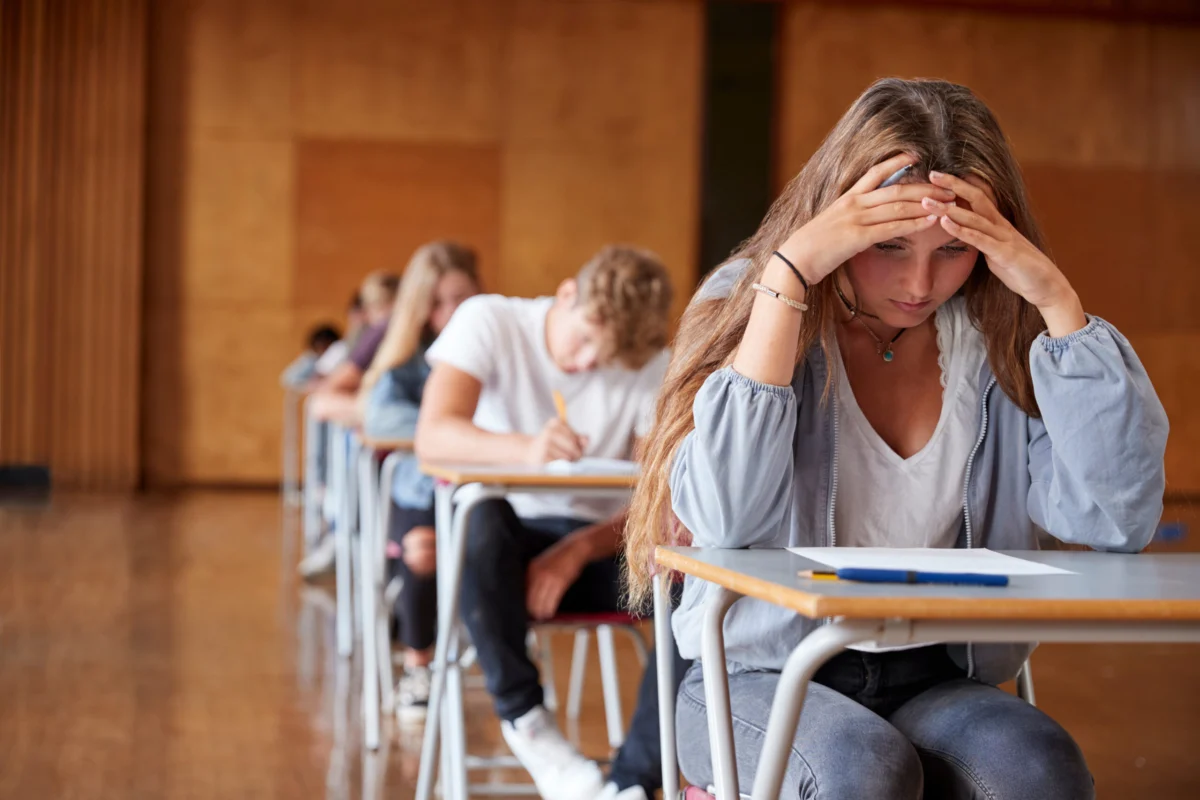
The landscape of adolescent mental health has seen a significant shift, with school-related anxiety emerging as a pervasive and multifaceted challenge for teenagers globally. What manifests as a defiant outburst in one teen might appear as quiet withdrawal in another, highlighting the diverse ways young individuals grapple with the pressures of their academic and social environments. Understanding the nuances of these anxieties—academic, social, and performance-based—is crucial for parents, educators, and mental health professionals striving to provide effective support. The escalating rates of reported stress among youth necessitate a comprehensive approach that recognizes the signs, validates the experiences, and equips teens with robust coping mechanisms.
The Escalating Tide of Adolescent Anxiety: A Modern Phenomenon
The past two decades have witnessed a notable increase in mental health concerns among adolescents, with anxiety disorders being particularly prevalent. While stress has always been a component of the academic journey, the intensity and scope of pressures facing today’s teens appear to be unprecedented. Researchers and clinicians point to a confluence of factors contributing to this trend, including heightened academic expectations, the pervasive influence of social media, economic uncertainties, and a globalized, hyper-competitive environment. This shift underscores the need to move beyond dismissing teenage angst as a transient phase and instead recognize it as a serious public health issue requiring concerted attention.
Recognizing the Manifestations of School Stress
Identifying school-related anxiety in teenagers often requires attentive observation, as symptoms can vary widely and sometimes present indirectly. While some teens may explicitly articulate feelings of being "stressed" or "overwhelmed," others might exhibit behaviors that are misinterpreted as defiance, laziness, or apathy. Early recognition is paramount for timely intervention and support.
Common indicators of school-related stress include:
- Behavioral Changes: Increased irritability, withdrawal from activities previously enjoyed, changes in sleep patterns (insomnia or excessive sleeping), poor attendance or school refusal, procrastination, perfectionism, or sudden drops in academic performance.
- Emotional Shifts: Persistent worry, feelings of hopelessness or sadness, heightened emotional sensitivity, difficulty concentrating, panic attacks, or expressions of self-doubt.
- Physical Symptoms: Frequent headaches, stomachaches, nausea, fatigue, muscle tension, or other unexplained physical complaints, particularly before school or during stressful periods like exams or presentations.
These signs serve as critical alerts, signaling that a teen may be struggling to cope with the demands placed upon them. Understanding the underlying type of anxiety—academic, social, or performance—is the next step in tailoring effective strategies.
A Chronology of Rising Pressures: From Traditional Classrooms to Digital Arenas
The trajectory of adolescent stress has evolved significantly over recent decades. In the mid-to-late 20th century, academic pressures were primarily confined to classroom performance and standardized tests. However, the turn of the millennium introduced new layers of complexity.
- Early 2000s: The emphasis on standardized testing and college readiness intensified, leading to increased academic competition. The nascent internet began to introduce new social dynamics, but its impact was still relatively contained.
- 2007-2010 (Rise of Smartphones and Social Media): The widespread adoption of smartphones and the explosion of social media platforms like Facebook, Twitter, and Instagram fundamentally altered the social landscape for teenagers. This period marked the beginning of "always-on" connectivity, bringing with it new forms of social pressure, comparison, and cyberbullying.
- 2010s (Accelerated Competition and Digital Immersion): Academic competition for university admissions became fiercer, with extracurricular achievements and perfect grades becoming almost prerequisites. Social media platforms matured, leading to more sophisticated algorithms that fueled comparison and the fear of missing out (FOMO). Studies from this period began to show a noticeable uptick in reported anxiety and depression among youth.
- 2020s (Pandemic and Post-Pandemic Impact): The COVID-19 pandemic introduced unprecedented disruption, leading to remote learning, social isolation, and significant uncertainty. This period further exacerbated existing mental health challenges, with many teens experiencing increased anxiety, depression, and learning gaps upon returning to in-person schooling. The mental health crisis among youth gained wider recognition as a result.
This timeline illustrates a clear progression where traditional academic pressures have been compounded by the pervasive influence of digital technologies and significant global events, creating a more complex and demanding environment for adolescent development.
Supporting Data: The Statistical Reality of Teen Anxiety
The subjective experience of anxiety is powerfully reinforced by objective data and research findings:
- Pew Research Center Data: A significant report by the Pew Research Center indicated that 68% of teens feel substantial pressure to achieve good grades. This figure highlights the pervasive nature of academic stress, positioning it as a primary concern for a vast majority of adolescents. This pressure often stems from internal desires for success, external parental and societal expectations, and the competitive culture within educational institutions.
- Academic Anxiety and Perfectionism: Research published in the Journal of Child and Adolescent Psychiatry frequently links high academic pressure to perfectionistic tendencies, which, while seemingly positive, can lead to chronic stress, burnout, and an intense fear of failure. This fear can paralyze students, leading to procrastination or avoidance behaviors despite their desire to excel.
- Social Media and Mental Health: A study published in ScienceDirect explicitly demonstrates that passive scrolling and constant online comparison significantly increase anxiety levels in teenagers. The curated, often idealized, portrayals of others’ lives on social media can foster feelings of inadequacy, exclusion, and intense self-consciousness, contributing to social anxiety. A 2023 report by the American Psychological Association (APA) further highlighted that social media use is associated with poor mental health outcomes, including anxiety and depression, particularly for adolescent girls.
- Prevalence of Anxiety Disorders: The National Institute of Mental Health (NIMH) reports that an estimated 31.9% of adolescents aged 13-18 have an anxiety disorder. These statistics underscore that anxiety is not merely a phase but a clinical condition affecting a substantial portion of the youth population.
These data points collectively paint a sobering picture of the mental health landscape for contemporary adolescents, emphasizing the urgent need for targeted interventions and supportive environments.
Dissecting the Three Core Types of School-Related Anxiety
While interconnected, school-related anxieties can be broadly categorized into three distinct types, each requiring tailored understanding and support strategies.
1. Academic School Stress: The Weight of Expectations
Academic stress manifests when the pressure to perform well outweighs the intrinsic motivation to learn and achieve. This often presents as perfectionism, intense fear of failure, procrastination due to overwhelming feelings, or physical symptoms like headaches, stomachaches, or sleep disturbances before tests or major assignments. It is fueled by high expectations from parents, teachers, and themselves, coupled with a highly competitive school culture.
Expert Recommendations for Academic Stress:
- Shift Focus from Outcomes to Effort: Parents and educators should emphasize the process of learning and effort rather than solely focusing on grades or results. Statements like, "You put in the time and studied well," reinforce diligent work, while "What did you learn from this process?" encourages growth mindset.
- Reality-Check Fears: Engage teens in conversations that challenge catastrophic thinking. Asking, "What’s the worst that could happen?" and collaboratively brainstorming solutions can demystify anxieties and reduce their perceived power, a technique supported by cognitive behavioral therapy principles.
- Promote a Relaxed Mindset: Encourage self-compassion and realistic expectations. Reminders such as, "You know more than you think; start with what you know and go from there," can help calm test-taking jitters and foster confidence.
- Implement Practical Coping Skills:
- Task Breakdown: Teach teens to break down large assignments into smaller, manageable steps. This reduces feelings of overwhelm and provides a clearer path to completion.
- Model Resilience: Share personal experiences of overcoming challenges and emphasize that mistakes are opportunities for learning. This normalizes struggle and builds a resilient mindset.
- Prioritization Techniques: Guide teens in using planners or digital tools to prioritize tasks, manage their time effectively, and avoid last-minute cramming, which exacerbates stress.
- Mindfulness and Breaks: Encourage short breaks, deep breathing exercises, or brief physical activity during study sessions to prevent mental fatigue and maintain focus.
2. Social Anxiety School Stress: Navigating the Peer Landscape
Social anxiety in a school context involves intense fear of being judged, rejected, or embarrassed by peers. It can lead to avoidance of group activities, obsessive worrying about social interactions, excessive phone-checking (often a compensatory behavior for social insecurity), and emotional exhaustion from constantly trying to appear "okay." The school environment, with its inherent social dynamics, can be a minefield for socially anxious teens.
Expert Recommendations for Social Stress:
- Empathetic Validation: Begin by validating your teen’s feelings without minimizing them. Phrases like, "It sounds like that conversation really upset you," convey understanding. Avoid dismissive statements such as, "You won’t even remember this in a few years," which invalidate their current emotional experience.
- Offer Choices and Empowerment: Instead of directing, empower teens by asking, "Do you want to talk about it, or take some space first?" or "What could make things better next time?" This approach fosters autonomy and helps them develop problem-solving skills.
- Build Social Confidence Incrementally:
- Low-Stakes Social Risks: Encourage participation in activities that offer controlled social exposure, such as joining a club, initiating a study group, or inviting a friend for a casual outing. These small steps build confidence without overwhelming them.
- Manage Online Spaces: Help teens critically evaluate their social media consumption. Discuss which accounts trigger negative self-perception and explore the impact of unfollowing or taking digital breaks. This curation helps mitigate the negative effects of online comparison and fosters a healthier digital environment.
- Role-Playing Social Scenarios: Practice potential social interactions or difficult conversations in a safe environment to build confidence and prepare for real-life situations.
3. Performance Anxiety School Stress: The Spotlight Effect
Performance anxiety arises when the fear of being judged during a public display of skill or talent takes over. This could be a presentation, a sporting event, a musical performance, or a debate. Signs include a sudden desire to quit activities previously loved, obsessive practice that borders on self-punishment, or experiencing panic attacks before a performance. The pressure to excel publicly can be crippling.
Expert Recommendations for Performance Anxiety:
- Balance Encouragement with Reality: Offer realistic encouragement that acknowledges effort while normalizing potential imperfections. "You’ve put in the work. You’re ready. If something unexpected happens, you’ll handle it," is more reassuring than an unqualified "You’ll do great," which can create an unrealistic expectation of perfection.
- Normalize Nerves: Remind teens that even seasoned professionals experience pre-performance jitters. This normalizes the physiological response to stress and reduces feelings of isolation or inadequacy.
- Effective Coping Skills for Performance:
- Visualization: Guide teens through mental rehearsals of successful performances. Encourage them to visualize the entire process, including handling minor setbacks, to build mental resilience and confidence.
- Strategic Practice: Emphasize deliberate, focused practice rather than excessive, anxiety-driven repetition. Encourage breaking down practice sessions and integrating rest, ensuring preparation is effective, not just exhaustive.
- Breathing Techniques: Teach simple deep breathing or box breathing exercises to activate the parasympathetic nervous system, calming the body’s fight-or-flight response before and during a performance.
- Focus on the Process, Not Just the Outcome: Encourage teens to immerse themselves in the joy of the activity itself rather than fixating solely on the end result or external validation.
Official Responses and Broader Implications
Addressing teen school anxiety requires a multi-pronged approach involving various stakeholders:
- Educational Institutions: Schools are increasingly recognizing their role in student mental well-being. This includes implementing Social-Emotional Learning (SEL) curricula, providing access to school counselors and psychologists, offering stress management workshops, and fostering a supportive, inclusive school culture that de-emphasizes hyper-competition. Some progressive schools are reviewing grading policies and homework loads to reduce undue pressure.
- Parents and Guardians: Parents are on the front lines, tasked with creating a supportive home environment, teaching coping skills, and advocating for their children. Parent education programs on adolescent mental health are becoming more common, equipping families with the tools to recognize and respond to anxiety.
- Healthcare Professionals: Pediatricians are increasingly screening for mental health concerns during routine check-ups. Mental health professionals, including therapists and psychiatrists, offer specialized interventions such as Cognitive Behavioral Therapy (CBT), Dialectical Behavior Therapy (DBT), and, in some cases, medication to manage severe anxiety disorders.
- Policy Makers: There is a growing call for policy changes to support youth mental health, including increased funding for school-based mental health services, national campaigns to destigmatize mental illness, and regulations concerning social media use and its impact on minors.
When Professional Help Becomes Essential
While parental support and school interventions are crucial, there are clear indicators that professional help is warranted. Seeking expert guidance is not a sign of failure but a responsible step towards ensuring a child’s long-term well-being. These indicators include:
- Interference with Daily Functioning: When anxiety significantly disrupts school attendance, academic performance, social relationships, or family life.
- Persistent Physical Symptoms: Chronic and unexplained physical complaints that do not improve with typical remedies.
- Thoughts of Self-Harm: Any mention or indication of self-harm or suicidal ideation requires immediate professional intervention.
- Lack of Improvement: If anxiety symptoms persist or worsen despite consistent parental and school support strategies.
Understanding how to help a child with anxiety about school ultimately includes knowing when to transition from personal support to professional guidance, ensuring teens receive the comprehensive care they need to navigate their challenges successfully. The collective effort of families, educators, and healthcare systems is paramount in fostering a generation of resilient, emotionally healthy individuals capable of thriving in an increasingly complex world.

