
The conventional paradigm of education, often characterized by structured lessons and rote memorization, is increasingly being supplemented by approaches that acknowledge the profound impact of a child’s inherent interests on their learning journey. Recognizing that children thrive when engaged and excited, educators and developmental psychologists are advocating for the strategic integration of academic concepts into activities children already love, transforming routine play into powerful educational opportunities. This method not only fosters deeper understanding and retention but also cultivates a lifelong love for learning, moving beyond the traditional classroom walls into the everyday lives of families.
The foundational premise of this pedagogical shift is that intrinsic motivation is a more potent driver of learning than external compulsion. When a child’s passion—whether it be the intricate worlds of video games, the imaginative narratives of animated films, or the tactile experience of building with blocks—becomes the conduit for acquiring new knowledge, the learning process becomes organic, joyful, and significantly more effective. This article explores five key strategies for seamlessly embedding educational content into children’s beloved activities, supported by contemporary research and practical applications.
The Scientific Basis of Play-Based Learning
The concept of learning through play is not novel, but its scientific underpinnings have gained considerable traction in recent decades. Research in cognitive psychology and neuroscience indicates that play is fundamental to healthy brain development, facilitating the formation of neural connections essential for problem-solving, creativity, and social-emotional intelligence. When children are deeply immersed in play, their brains are highly active, engaging multiple regions simultaneously, which enhances memory encoding and retrieval.
Developmental psychologists, such as Lev Vygotsky, emphasized the role of play in advancing children’s cognitive abilities, particularly through imaginative play where children operate within their "zone of proximal development"—the space between what a learner can do independently and what they can do with guidance. Modern educational frameworks, including constructivism, further support the idea that children actively construct their understanding of the world through experience and interaction, making play an ideal environment for meaningful learning.
Strategy 1: Bridging Screen Time and Literacy Development
In an era dominated by digital media, concerns about excessive screen time are prevalent among parents and educators. However, a growing body of research suggests that not all screen time is equal, and strategic engagement with digital content can serve as a powerful springboard for literacy development. By consciously connecting a child’s favorite movies, television shows, or video games to related literary materials, parents can transform passive consumption into an active learning experience.
For instance, a child’s fascination with an animated film featuring anthropomorphic vehicles, as exemplified by the popular "Cars" franchise, can be leveraged to introduce books on engineering, geography, or even social dynamics. If a child is captivated by a game like Minecraft, offering books on architecture, coding principles, geology (exploring real-world mining concepts), or even historical structures can significantly broaden their knowledge base. Similarly, beloved characters from shows like "Bluey" or "Peppa Pig" can lead to discussions and readings about friendship, family values, and emotional intelligence.
This approach builds a crucial bridge between entertainment and education. When children encounter familiar characters or themes in a book, their prior engagement with the screen content provides a context that enhances comprehension and makes the reading experience more appealing. Studies from organizations like the National Literacy Trust have highlighted that children who engage with digital media are often more motivated to read books related to their screen interests. Public libraries and national literacy initiatives, such as Florida’s New Worlds Reading Initiative, actively support this strategy by curating interest-based book selections, often delivered directly to homes, ensuring that reading materials align with a child’s individual fascinations. Parents can facilitate this by keeping themed books readily accessible near screens or making library visits a collaborative exploration of their child’s media interests.
Strategy 2: Harnessing the Protégé Effect – Learning by Teaching
The "protégé effect" is a robust psychological phenomenon where individuals learn more effectively and deeply when they anticipate teaching or actually teach others. This principle holds significant implications for child development, suggesting that empowering children to "be the teacher" about their obsessions can dramatically enhance their retention and understanding of a subject.
Research published in journals such as Child Development and Instructional Science has consistently demonstrated that students who prepare to teach, or actively teach, exhibit superior engagement in tasks like reading, reviewing, and problem-solving compared to those learning solely for personal retention. The act of explaining a concept to someone else necessitates a deeper level of processing, requiring the child to organize information logically, articulate it clearly, and anticipate potential questions. This metacognitive process solidifies their own understanding. Furthermore, the sense of responsibility associated with teaching acts as a powerful motivator, encouraging greater diligence and sustained effort.
Parents can readily implement this strategy by demonstrating genuine curiosity about their child’s interests. Asking specific, open-ended questions like, "What makes an Allosaurus different from a T. rex?" or "Could you explain the rules of this Pokémon game to me?" encourages the child to retrieve, synthesize, and explain information. This not only reinforces their knowledge but also develops their communication skills, critical thinking, and confidence. Children can even be encouraged to assign "homework" to their parents, such as watching a specific video or reading a related article, creating a collaborative learning environment that respects the child’s expertise. This reciprocal learning dynamic fosters a positive attitude towards knowledge acquisition and strengthens the parent-child bond.
Strategy 3: Cultivating Curiosity Through Everyday Questions
Children are inherently curious beings, often inundating adults with a barrage of "why" and "how" questions. Far from being trivial interruptions, these inquiries represent prime opportunities for spontaneous, impactful learning. Each question is a window into a child’s evolving understanding of the world, and by engaging with these moments thoughtfully, parents can transform everyday interactions into rich educational experiences.

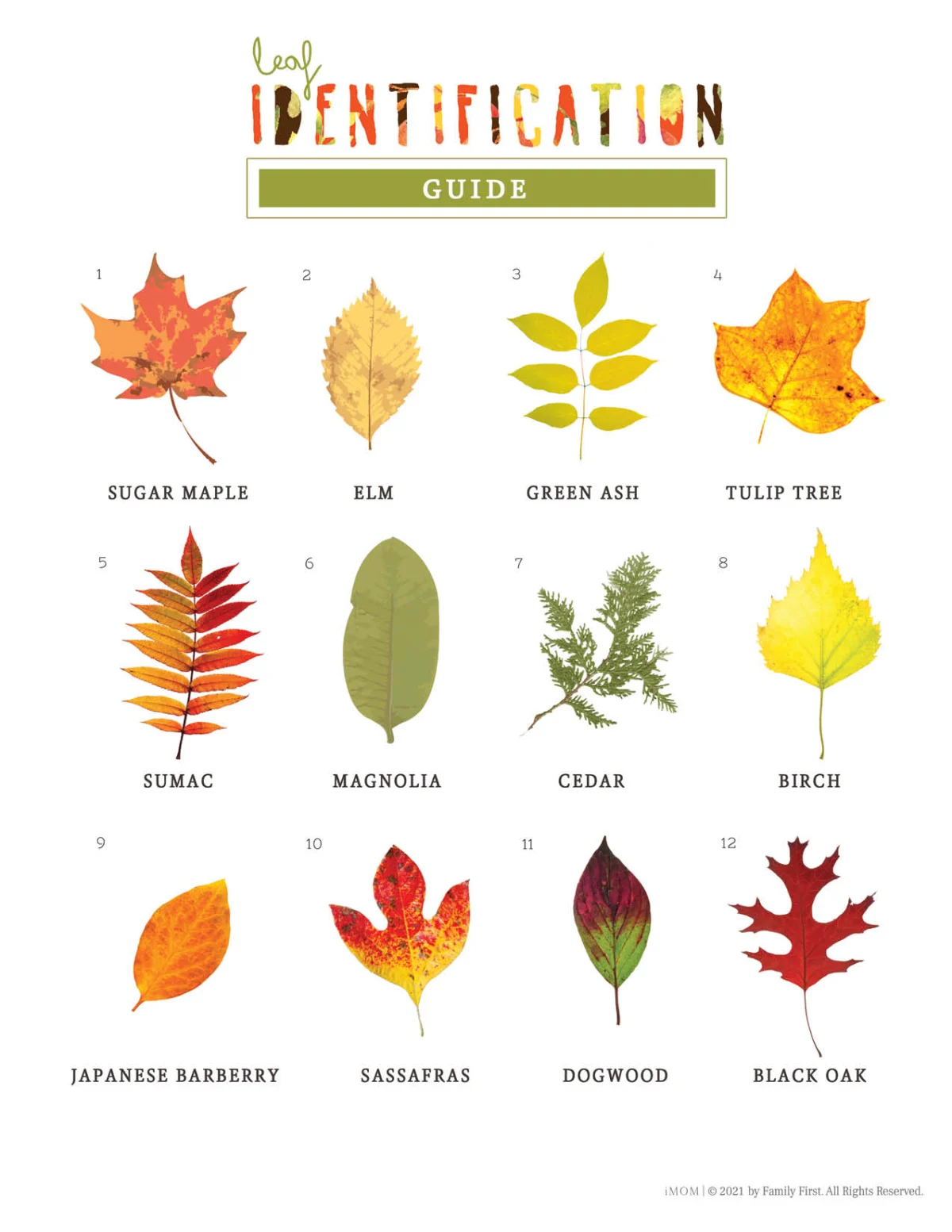
Consider a child’s question about why their stomach growls when hungry. This simple inquiry can lead to an impromptu lesson in basic human biology, potentially using age-appropriate apps or books about the digestive system. Similarly, a question about the relative strength of Pokémon cards can become a practical exercise in mathematics, involving addition, subtraction, comparison of numerical values, and even basic probability or strategic thinking. A child’s query about a particular leaf found during a walk can initiate an exploration into botany, taxonomy, and local ecosystems, turning a casual stroll into a scientific expedition.
This strategy emphasizes the role of the parent as a co-explorer rather than a sole fount of knowledge. By wondering aloud with the child ("That’s a great question! How do you think it works?"), and actively seeking answers together, parents model intellectual curiosity and the process of inquiry. This collaborative investigation fosters critical thinking skills, encourages problem-solving, and teaches children how to seek out information effectively. It demonstrates that learning is an ongoing process of discovery, driven by genuine interest, rather than a passive reception of facts.
Strategy 4: Transforming Playtime into Project-Based Learning
The transition from spontaneous curiosity to structured projects represents an advanced stage of integrated learning, where children can delve deeply into their passions through hands-on creation and problem-solving. Project-Based Learning (PBL) is an educational methodology where students gain knowledge and skills by working for an extended period to investigate and respond to an authentic, engaging, and complex question, problem, or challenge. When rooted in a child’s intrinsic interests, PBL becomes a powerful engine for holistic development.
When children embark on projects inspired by their passions, they are actively testing hypotheses, iterating on designs, learning from both successes and failures, and developing resilience. For a child obsessed with building LEGO castles, the project could extend beyond construction to creating a "tour guide" video, requiring scripting, historical research, and presentation skills. A budding young chef, enamored with pretend cooking, can transition to real culinary endeavors using a simple cookbook, learning about measurements, fractions, chemical reactions in food, and following sequential instructions. A child fascinated by video games can be encouraged to design their own board game, a process that involves conceptualizing rules, balancing mechanics, creating scorecards, and understanding system design—all while engaging literacy, numeracy, and creative problem-solving skills.
The beauty of project-based learning in this context is that children perceive it as an extension of their play. They are intrinsically motivated to overcome challenges, refine their creations, and share their achievements. This process develops executive functions, planning skills, perseverance, and the ability to apply academic knowledge in practical, meaningful ways. Educational institutions increasingly incorporate PBL into curricula, recognizing its effectiveness in fostering 21st-century skills such as critical thinking, collaboration, communication, and creativity.
Strategy 5: Expanding the Definition of "Books" – Diverse Literacy Formats
In a rapidly evolving media landscape, the concept of "reading" has expanded beyond traditional print books to encompass a wider array of formats that cater to diverse learning styles and preferences. For children who may find conventional books daunting or unengaging, alternative literacy formats such as comic books, graphic novels, audiobooks, and educational podcasts offer accessible and highly effective pathways to literacy development.
Graphic novels, for instance, are increasingly recognized for their pedagogical value. By combining compelling narratives with visual imagery, they help children build vocabulary, enhance comprehension, and understand complex plot structures in a way that can be particularly appealing to visual learners or reluctant readers. The visual cues often provide context for unfamiliar words, aiding vocabulary acquisition and making the reading experience less intimidating. Research from organizations like the National Council of Teachers of English (NCTE) supports the use of graphic novels for improving literacy skills.
Audiobooks and podcasts similarly contribute significantly to literacy and cognitive development. Audiobooks foster listening comprehension, introduce children to rich vocabulary and complex sentence structures, and spark interest in stories they might not otherwise access through print. For struggling readers, audiobooks remove the decoding barrier, allowing them to engage with narrative content and develop a deeper appreciation for storytelling. Studies, including those by the UK’s National Literacy Trust, indicate that audiobooks can boost reading enjoyment and engagement, particularly for children who struggle with traditional reading. Educational podcasts, tailored for young audiences, can introduce a wide range of subjects from science and history to ethics, enhancing critical listening skills, factual recall, and imaginative engagement. Programs like New Worlds Reading acknowledge this by offering interest-based books in multiple formats, including graphic novel-style stories.
Parents can leverage these resources by incorporating audiobooks into road trips or quiet after-school periods, and by exploring age-appropriate podcasts together. This not only broadens a child’s exposure to diverse narratives and information but also validates their individual preferences for how they engage with content, fostering a more inclusive and enjoyable approach to literacy.
Broader Implications and Educational Philosophy
The intentional integration of learning into children’s passions signifies a broader shift in educational philosophy, moving towards a more child-centered, holistic, and developmentally appropriate approach. This paradigm recognizes that children are not empty vessels to be filled with knowledge but active participants in their own learning, driven by innate curiosity and personal interests.
The implications of this approach are far-reaching:
- Enhanced Cognitive Development: By engaging multiple senses and cognitive functions, integrated learning fosters deeper neural pathways, leading to improved memory, problem-solving abilities, and critical thinking.
- Cultivation of Intrinsic Motivation: When learning is linked to joy and personal interest, children develop an intrinsic motivation to explore, question, and master new concepts, fostering a lifelong love for learning rather than viewing it as a chore.
- Development of 21st-Century Skills: These strategies naturally promote skills deemed essential for success in the modern world: creativity, collaboration, communication, critical thinking, and adaptability.
- Strengthened Parent-Child Bonds: Engaging in shared learning experiences, where parents act as facilitators and co-learners, strengthens familial relationships and establishes parents as vital partners in their children’s educational journey.
- Informed Educational Policy: The success of these integrated approaches provides valuable data for educators and policymakers, advocating for more flexible curricula, diverse learning resources, and professional development that equips teachers to embrace play-based and interest-driven pedagogies.
In conclusion, the practice of weaving academic learning into the fabric of children’s passions is more than a pedagogical trick; it is a profound recognition of how children naturally learn and thrive. By embracing this approach, parents and educators can unlock a child’s full potential, transforming the educational landscape into a vibrant, engaging, and deeply personal adventure, ensuring that the seeds of curiosity planted in early childhood blossom into a rich harvest of knowledge and wisdom throughout life.

