
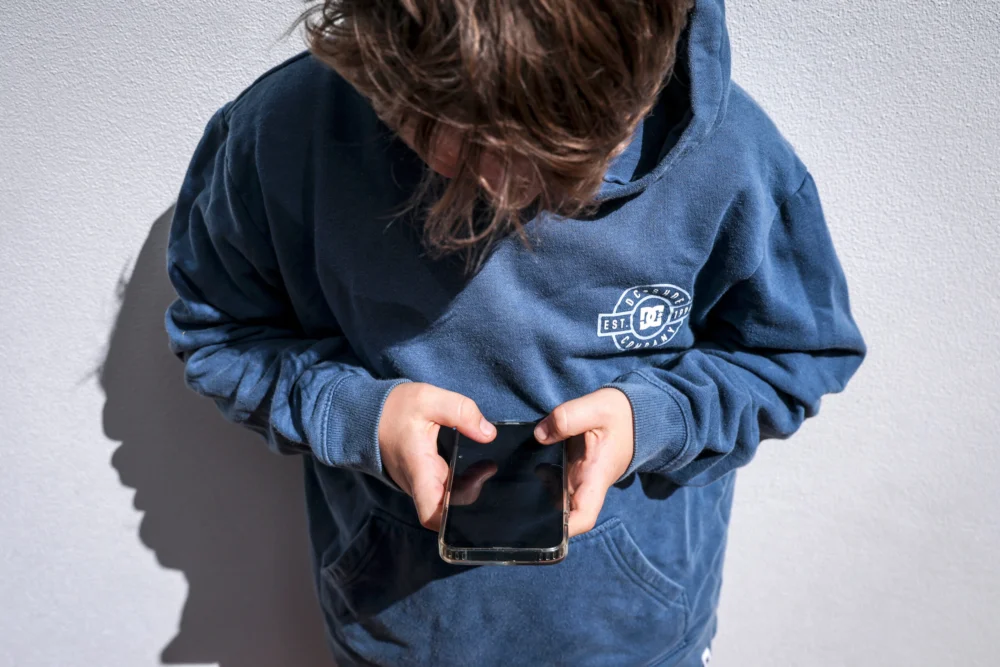
Over the past few months, a significant global shift has emerged, with numerous countries announcing and implementing plans to restrict social media access for children and teenagers. This movement underscores a growing international concern regarding the profound impact of digital platforms on youth development, mental health, and safety. Australia, at the close of 2025, notably became the first nation to enact such sweeping measures, establishing a precedent that is now being closely scrutinized by governments worldwide.
The Genesis of a Global Concern: Safeguarding the Digital Generation
The impetus behind these unprecedented legislative actions stems from an increasingly vocal chorus of parents, educators, medical professionals, and child advocacy groups highlighting the detrimental effects of unregulated social media engagement on young users. While social media platforms offer avenues for connection and self-expression, they also present a complex array of pressures and risks. These include the pervasive threat of cyberbullying, the addictive nature of algorithm-driven content, a documented rise in mental health issues such as anxiety, depression, and body image disorders, and the ever-present danger of exposure to inappropriate content or predatory individuals.
Recent research has consistently illuminated these concerns. A 2024 report by the World Health Organization, for instance, indicated a worrying trend of increased screen time correlating with higher rates of psychological distress among adolescents in several developed nations. Similarly, studies from institutions like the American Psychological Association have detailed how the constant pursuit of validation through likes and comments can foster a fragile self-esteem, while exposure to curated, often unrealistic, portrayals of life can exacerbate feelings of inadequacy and social comparison. The gamified design of many platforms, employing endless scrolling and notification systems, is also frequently cited by child development experts as contributing to addictive behaviors, disrupting sleep patterns, and diverting attention from academic pursuits and real-world interactions.
This confluence of scientific evidence, anecdotal reports, and mounting public pressure has spurred governments to reconsider the largely self-regulated environment in which tech companies have operated. The debate is not without its complexities, however, as concerns about individual privacy, the efficacy of age verification technologies, and the potential for excessive government intervention loom large. Critics, including organizations like Amnesty Tech, have voiced skepticism, arguing that outright bans are often "ineffective quick fixes" that fail to address the deeper issues of online harm and overlook the fundamental role social media plays in the lives of contemporary younger generations. Despite these reservations, the momentum for legislative action appears to be accelerating, with many nations actively pursuing or implementing new laws.
A Chronology of Restrictive Measures: The Global Rollout
The movement to regulate youth social media access has gained significant traction in a relatively short period, illustrating a concerted international effort to address what many perceive as a public health crisis for minors.
Australia: The Pioneer
In a landmark move, Australia became the world’s first country to officially ban social media for children under 16 in December 2025. The comprehensive ban encompasses major platforms such as Facebook, Instagram, Snapchat, Threads, TikTok, X (formerly Twitter), YouTube (main platform), Reddit, Twitch, and Kick. Notably, the legislation carves out exceptions for communication apps like WhatsApp and child-specific platforms like YouTube Kids, acknowledging their distinct nature and typically more controlled environments. The Australian government has placed the onus squarely on social media companies, mandating that they implement robust measures to prevent underage access. Non-compliance carries substantial penalties, with fines reaching up to $49.5 million AUD (approximately $34.4 million USD). Crucially, the government has explicitly stated that platforms cannot rely solely on users self-declaring their age, necessitating the adoption of multiple, verifiable age assurance methods to ensure adherence.
Denmark: A Nordic Approach to Digital Safety
Denmark is poised to follow Australia’s lead, with plans to ban social media platforms for children under 15. In November 2025, the Danish government announced it had secured broad political support for the ban, drawing backing from three governing coalition parties and two opposition parties in parliament. This bipartisan consensus signals a strong commitment to the initiative, with the proposed legislation expected to become law as early as mid-2026. Further demonstrating its proactive stance, the Danish digital affairs ministry is developing a "digital evidence" app. This innovative tool is intended to incorporate advanced age verification capabilities, which could play a pivotal role in the enforcement of the impending ban.
France: Protecting the Youngest Citizens
In late January 2026, French lawmakers took a decisive step, passing a bill that would prohibit social media access for children under 15. The measure has garnered strong support from President Emmanuel Macron, who has consistently championed it as a vital means to shield children from excessive screen time and the associated risks. The legislative process is ongoing, with the bill still requiring approval from the country’s Senate before it proceeds to a final vote in the lower house. This demonstrates a strategic, multi-stage approach to enacting significant digital policy.
Germany: Deliberation Amidst Diverse Views
Germany, a key economic and political player in Europe, began its internal discussions on social media restrictions in early February 2026. Chancellor Friedrich Merz’s conservative bloc proposed barring children under 16 from using social media platforms. However, initial reports indicated some hesitation from his center-left coalition partners, suggesting a more nuanced debate within the government regarding the scope and implementation of such a ban. This highlights the political complexities and differing philosophies that can arise even when the core objective of child protection is shared.
Greece: Nearing an Announcement
Reuters reported in early February 2026 that Greece is close to formally announcing a social media ban for children under 15. While specific details of the proposed legislation are yet to be fully disclosed, the anticipation of an imminent announcement underscores the accelerating pace at which European nations are confronting this issue.
Indonesia: Asia’s Significant Move
In early March 2026, Indonesia, a nation with one of the world’s largest online populations, declared its intention to ban children under the age of 16 from using social media and other popular online platforms. The proposed ban targets a broad spectrum of services, including global giants like YouTube, TikTok, Facebook, Instagram, Threads, and X, alongside other platforms such as Bigo Live and Roblox. This move by Indonesia signals a strong commitment from a major Asian economy to protect its youth in the digital realm, potentially influencing other countries in the region.
Malaysia: Set for Implementation This Year
The Malaysian government announced in November 2025 its plans to implement a social media ban for children under 16, with the enforcement slated to begin within the current year. This swift timeline indicates a determined effort to quickly address the perceived harms of social media on its youth population.
Slovenia: Drafting Comprehensive Legislation
Slovenia is actively drafting legislation aimed at prohibiting children under 15 from accessing social media. The country’s deputy prime minister revealed this initiative in early February 2026, emphasizing the government’s focus on regulating social networks where content sharing is a primary function, specifically mentioning platforms like TikTok, Snapchat, and Instagram. The move reflects a European trend of targeted regulatory action.
Spain: Executive Accountability and Youth Protection
Spain’s prime minister announced in early February 2026 the country’s plans to ban social media for children under the age of 16. This significant policy shift still requires parliamentary approval to become law. In a notable addition, the Spanish government is also pursuing legislation that would hold social media executives personally accountable for illegal and hateful content disseminated on their platforms. This dual approach aims to both protect minors from direct exposure and compel platform operators to take greater responsibility for content moderation.
United Kingdom: A Consultative Approach
The United Kingdom is actively weighing a ban on social media for children under 16. Demonstrating a methodical approach, the government has committed to extensive consultation with a wide array of stakeholders, including parents, young people themselves, and civil society organizations. This consultative process aims to gather diverse perspectives and thoroughly assess the potential efficacy and unintended consequences of such a ban. Beyond an outright prohibition, the UK is also exploring alternative or complementary measures, such as requiring social media companies to limit or remove design features known to drive compulsive use, like endless scrolling and incessant notifications. This holistic consideration reflects a deeper dive into the architectural mechanics of digital addiction.
The Technological Conundrum: Age Verification and Privacy
A central challenge in implementing these bans lies in the realm of age verification. Governments are grappling with how to effectively enforce age restrictions without infringing upon privacy rights or creating overly burdensome systems. Australia’s mandate for "multiple verification methods" beyond simple self-declaration highlights this complexity. Potential solutions under discussion include using AI-powered facial recognition, biometric data analysis, government-issued digital IDs, or third-party age verification services that cross-reference public records.
However, each proposed method comes with its own set of concerns. Privacy advocates warn that invasive age verification technologies could lead to vast databases of biometric or personal information, making individuals vulnerable to data breaches and surveillance. The technical sophistication required for foolproof age verification is immense, and the potential for circumvention by tech-savvy minors using VPNs, fake IDs, or older siblings’ accounts remains a significant hurdle. The "digital evidence" app proposed by Denmark represents an attempt to innovate in this space, seeking a balance between robust verification and user convenience, though its long-term effectiveness and privacy implications are yet to be fully understood. The tech industry, while often stating a commitment to child safety, frequently points to the substantial technical and financial investments required to implement such systems across their vast global user bases, potentially leading to increased operational costs and design complexities.
Reactions and Debates: A Complex Equation of Rights and Responsibilities
The global push for social media bans has ignited fervent debates, pitting child protection against individual freedoms and technological realities.
Advocates for Bans:
Proponents, largely comprising governments, child advocacy groups, and a segment of the medical community, emphasize the imperative to protect vulnerable youth. They argue that the potential long-term health and developmental benefits of reduced social media exposure far outweigh the perceived infringements on minor autonomy. Many call for greater corporate responsibility from tech giants, asserting that the industry has historically prioritized engagement and profit over user well-being. A common sentiment is that these bans are a necessary step to "reclaim childhoods from the digital wild west," providing a much-needed respite for young minds to develop without the constant pressures of online performance and comparison.
Critics and Skeptics:
On the other side, a diverse coalition including privacy advocates, youth rights organizations, certain educators, and the tech industry itself raises significant concerns. Amnesty Tech, for instance, argues that such bans are "quick fixes that fail to address the root causes of online harms," which often stem from broader societal issues, content moderation failures, and inadequate digital literacy education. They contend that a blanket ban could infringe upon fundamental rights to freedom of expression and access to information, potentially isolating young people who rely on social media for community, support networks, and identity formation, especially those from marginalized groups.
Privacy concerns are paramount for critics, who fear that extensive age verification systems could lead to unprecedented levels of data collection on minors, creating new vulnerabilities and expanding government surveillance capabilities. There is also skepticism regarding the effectiveness of bans, with many predicting that determined minors will find ways to circumvent restrictions, potentially pushing their online activities into less visible and less regulated corners of the internet, making them even harder to monitor and protect. Instead, critics often advocate for alternative solutions such as enhanced digital literacy education, stronger parental controls, platform design changes (like those being considered in the UK to limit compulsive use), and increased investment in mental health support services tailored for young people.
Broader Implications and Future Outlook
The wave of social media bans for minors carries profound implications across legal, economic, and social spheres. Legally, these measures could face challenges from civil liberties groups or even tech companies themselves, potentially leading to protracted court battles over constitutional rights or trade regulations. Economically, social media giants may see impacts on their user growth metrics and advertising revenues, potentially spurring innovation in "kid-safe" platform designs or driving investments into alternative engagement models.
Socially, the bans could reshape youth interaction patterns, forcing a return to more traditional forms of social engagement or fostering new, potentially unregulated, online spaces. They will also place a renewed emphasis on parental roles in guiding children’s digital lives and necessitate a re-evaluation of digital literacy curricula in schools. A critical question remains whether these bans will truly mitigate online harms or merely displace them into less visible domains.
Looking ahead, the next few years will be crucial in observing the efficacy and unintended consequences of these policies. The fragmented global approach, with varying age limits and enforcement mechanisms, might eventually push for a degree of international harmonization. The UK’s consultative model, along with its focus on platform design features that drive compulsive use, offers a nuanced perspective that could inform future policy. As the digital landscape continues to evolve, the delicate balance between protecting the young and preserving their digital freedoms will remain a central challenge for policymakers worldwide.

