
April 2026 presents a rich tapestry of potential content marketing themes for ecommerce businesses, ranging from groundbreaking technological milestones to universally appealing culinary traditions. Content marketing, the strategic creation, distribution, and promotion of valuable media such as articles, videos, and podcasts, aims to attract, engage, and ultimately retain customers. As businesses navigate the digital landscape, leveraging timely and relevant events can significantly amplify their marketing efforts. This article explores five compelling content marketing ideas for April 2026, offering businesses actionable strategies to connect with their audiences.
Apple’s Golden Jubilee: 50 Years of Innovation and Cultural Impact
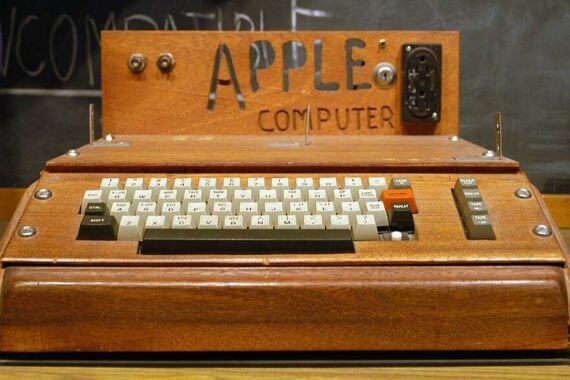
April 1, 2026, marks a monumental occasion: the 50th anniversary of Apple Computer’s founding. Established in 1976 in a humble garage by Steve Jobs and Steve Wozniak, Apple has transcended its origins to become a global titan, profoundly influencing personal computing, mobile technology, and even broader cultural paradigms. Its iconic status is undeniable, with its products and brand ethos resonating across demographics worldwide.
The company’s journey began with the Apple I, a rudimentary personal computer kit that laid the groundwork for a revolution. Over the ensuing decades, Apple introduced groundbreaking devices like the Apple II, Macintosh, iPod, iPhone, and iPad, each reshaping industries and consumer behavior. The Macintosh, launched in 1984, introduced the graphical user interface (GUI) to the mainstream, democratizing computing. The iPod, introduced in 2001, revolutionized music consumption, and the iPhone, launched in 2007, redefined the mobile phone and ushered in the era of the smartphone.
In April 2026, news outlets and tech enthusiasts will undoubtedly be inundated with retrospectives, biographical pieces on Steve Jobs, and analyses of Apple’s enduring legacy. This widespread attention creates a fertile ground for content marketers to engage with their audiences. Businesses can capitalize on this by developing content that aligns with their brand while tapping into the Apple narrative.
For example, an ecommerce business selling accessories for Apple products could create a series of articles detailing the evolution of Apple devices and the accompanying accessories that have defined each era. This could include visually engaging timelines showcasing the design changes of iPhones or Macs and how accessory markets adapted. A company specializing in vintage electronics or collectibles might curate content around the history of early Apple computers, perhaps featuring interviews with collectors or showcasing rare artifacts.
Furthermore, businesses in the technology sector could explore the broader implications of Apple’s innovation on society. This might involve content discussing the ethical considerations of technology, the future of artificial intelligence as pioneered by companies like Apple, or the impact of digital devices on education and work. The 50-year milestone provides a perfect opportunity to reflect on how technology has transformed our lives and what the next 50 years might hold.

A potential content strategy could involve a "Then and Now" comparison, showcasing how early Apple products have evolved into today’s sophisticated devices and how this evolution has impacted daily life. This could be presented through blog posts, infographics, or short documentary-style videos. For businesses selling productivity tools or software, content could focus on how Apple’s ecosystem has fostered new ways of working and collaborating. The key is to connect Apple’s significant anniversary to the products or services the business offers, demonstrating relevance and understanding of technological progress. The sheer volume of conversation surrounding Apple’s anniversary will ensure a built-in audience for well-crafted, informative content.
National Burrito Day: A Culinary Celebration with Global Appeal
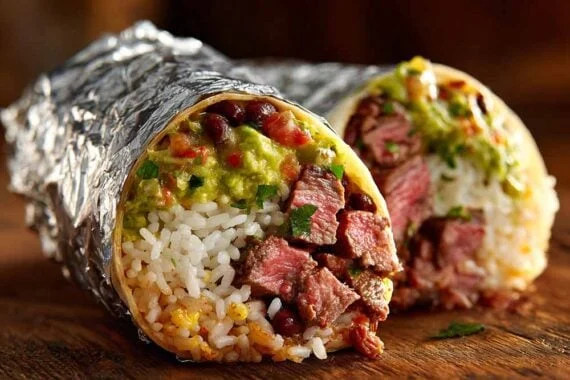
The first Thursday in April, which falls on April 2nd in 2026, is designated as National Burrito Day. This unofficial holiday celebrates a dish that has journeyed from humble Mexican origins to become a beloved staple across the globe. The burrito, translating to "little donkey" in Spanish, is a testament to culinary adaptability and portability.
The origins of the burrito are often traced back to the northern Mexican states of Sonora or Chihuahua. The advent of pliable wheat flour tortillas was instrumental in its development, allowing for ingredients like beans, meats, and vegetables to be conveniently wrapped into a portable meal. This innovation made it an ideal food for laborers who needed a substantial and easily transportable lunch.
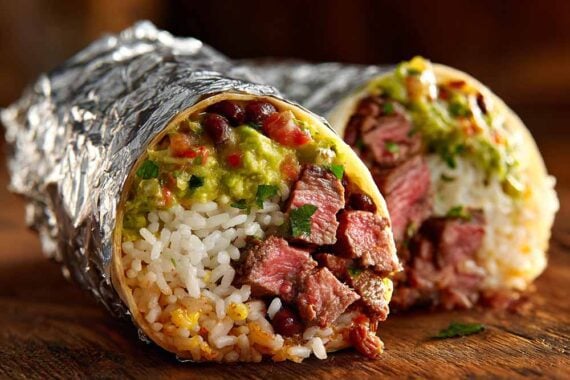
The migration of Mexican workers to the United States in the early 1900s brought the burrito with them. By 1930, El Cholo Spanish Café in Los Angeles is credited with being one of the first restaurants to feature the burrito on its menu, marking its entry into American dining culture. From there, the burrito continued to evolve, with significant developments occurring in the mid-20th century. In 1956, Duane R. Roberts is noted for inventing the first frozen burrito, making the dish accessible for home consumption on a wider scale. A pivotal moment in its culinary evolution came in 1961 when El Faro, another Los Angeles establishment, introduced the "mission-style" burrito – a larger, foil-wrapped creation that has become a distinct and popular variation. Further regional adaptations, such as the "California burrito" stuffed with carne asada, French fries, cheese, guacamole, and sour cream, underscore the dish’s versatility.
For ecommerce businesses, the adaptable nature of the burrito makes it a surprisingly versatile content hook, suitable for a wide array of merchants. Food-related businesses, naturally, have a direct avenue. A restaurant or catering service could offer special burrito deals, create recipe videos, or host contests for the best homemade burrito. However, the reach extends far beyond food.
Consider a business selling kitchenware. Content could focus on the "art of the perfect tortilla roll," offering tips and showcasing tools like tortilla presses or specialized rolling mats. A company that sells insulated bags or lunch containers could create content highlighting the portability and convenience of burritos for busy professionals or students, positioning their products as essential for enjoying a burrito on the go.
For businesses in the apparel or lifestyle sectors, content could explore the cultural significance of Mexican cuisine and its influence on global food trends. This might involve articles about the history of Mexican food, the cultural importance of shared meals, or even fashion inspired by vibrant Mexican textiles and culinary aesthetics. A travel company could create guides to the best burrito destinations in Mexico and the United States, linking culinary tourism with travel planning.
Even businesses in seemingly unrelated fields can find connections. For example, a company selling home goods might create content around "creating the ultimate fiesta at home," including decorations, music, and, of course, a guide to making delicious burritos. The key is to creatively link the universal appeal of a popular food item to the core offerings of the business, demonstrating how everyday pleasures can be enhanced by their products or services. The widespread recognition of National Burrito Day ensures that a relevant content piece is likely to capture attention.
Google Discover: Optimizing for an Emerging Traffic Source
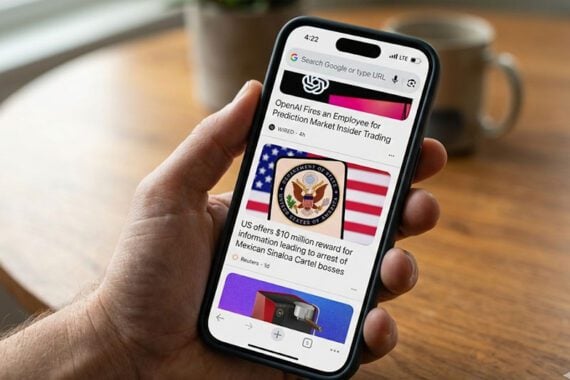
Google Discover represents a significant shift in how users consume online content, moving away from explicit search queries towards a more personalized, interest-driven experience. Unlike traditional search engines that respond to direct user input, Discover proactively surfaces content based on an individual’s browsing history, interests, and engagement patterns. This platform favors content that is fresh, visually compelling, authoritative, and engaging.
The implications for ecommerce content marketers are substantial. By understanding the dynamics of Google Discover, businesses can tap into a valuable source of organic traffic. The emphasis on strong visuals, topical authority, and user engagement means that content needs to be not only informative but also aesthetically pleasing and demonstrably expert within its niche.
April 2026 presents an opportune moment for businesses to experiment with and optimize their content for Google Discover. A practical approach involves leveraging tools like Google Search Console. Marketers can access reports detailing pages that have driven traffic from Discover, allowing them to identify patterns. Analyzing this data can reveal common themes, topics, or content formats that resonate with the Discover audience.
For instance, if a business notices that a particular type of lifestyle article or a product review with high-quality imagery has performed well on Discover, they can replicate this success. This might involve creating more in-depth guides, visually rich product showcases, or trend analyses relevant to their industry. The use of AI models, such as ChatGPT or Gemini, can further enhance this analysis. By feeding the content of successful Discover-referred pages into these AI tools, marketers can gain insights into recurring topics, writing styles, or keyword usage that contribute to visibility.
Businesses selling fashion, for example, might find that visual trend reports or "how-to-style" guides perform well on Discover. Those in the home decor sector could see success with visually appealing room makeovers or DIY project tutorials. The key is to move beyond transactional content and focus on providing valuable, engaging, and visually appealing information that aligns with user interests.
Furthermore, topical authority is crucial. This means consistently publishing high-quality content on a specific subject, establishing the business as a credible source. April’s content calendar can be strategically used to build this authority. For a business selling outdoor gear, this might involve creating a series of articles on different types of hiking trails, camping tips, or gear reviews, all with high-quality photography. The goal is to become a go-to resource for enthusiasts in that niche, making it more likely for Google Discover to feature the content.
The implications of successfully integrating with Google Discover are significant for ecommerce. It offers a pathway to reaching potential customers who may not be actively searching for specific products but are nonetheless interested in related topics. This can lead to increased brand awareness, higher website traffic, and ultimately, more conversions. April provides a timely opportunity to initiate or refine these Discover optimization efforts, potentially yielding substantial returns throughout the year.
National Beer Day: A Toast to Versatility in Content
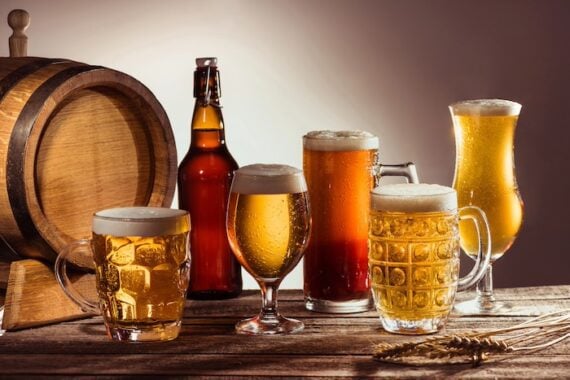
April 7th marks National Beer Day, a commemoration that traces its roots back to 1933. On this day, the Cullen-Harrison Act was signed into law, legalizing the sale of beer with an alcohol content of 3.2% and serving as a significant step towards the eventual repeal of Prohibition in the United States. This legislation marked a pivotal moment, allowing Americans to legally enjoy beer once more after a long period of restriction.
Since the end of Prohibition, beer has evolved into one of America’s most cherished and consumed beverages. Its popularity extends far beyond mere consumption; beer has become deeply intertwined with culture, identity, and personal taste. The sheer diversity of beer styles, from the crisp, light lagers enjoyed at sporting events to the complex, high-alcohol craft IPAs savored by connoisseurs, reflects this broad appeal. Beer culture is intrinsically linked with numerous aspects of life, including sports, travel, culinary experiences, and broader lifestyle choices. This inherent versatility makes National Beer Day an exceptionally adaptable theme for ecommerce content marketers.
For businesses operating within or adjacent to the beverage industry, National Beer Day is an obvious and direct opportunity. Breweries can highlight new releases, share the history of their brewing traditions, or offer tasting notes and pairing suggestions. Retailers specializing in beer can curate special collections, offer discounts, or create educational content about different beer styles and regions.
However, the content potential extends far beyond alcohol-specific businesses. For companies selling food products, the focus can be on beer and food pairings. This could range from simple snack suggestions for casual beer enjoyment to more sophisticated culinary pairings for craft beers. For instance, a gourmet food retailer could develop content showcasing how specific cheeses, charcuterie, or even desserts complement various beer styles.
Businesses in the home goods or entertaining sectors can leverage National Beer Day to promote products related to hosting and social gatherings. This might include articles or videos on "creating the perfect backyard beer garden," featuring outdoor furniture, grilling accessories, or stylish glassware. For those selling barware, it’s an ideal time to showcase cocktail shakers (for beer-based cocktails), unique beer glasses, or home brewing kits.
The travel industry can also capitalize on this occasion. Content could explore destinations renowned for their beer culture, such as Germany, Belgium, or specific craft beer regions within the United States. This could inspire travel plans and promote relevant travel packages or accessories like portable coolers or travel guides.
Even businesses in the apparel or accessories market can find connections. This could involve designing limited-edition t-shirts with beer-themed graphics, promoting comfortable loungewear perfect for enjoying a cold beverage, or even creating content around the lifestyle associated with beer appreciation. The underlying principle is to connect the celebratory and social aspects of beer with the products or services offered, making the content engaging and relevant to a broad audience. By framing beer as a catalyst for social connection, culinary exploration, or lifestyle enjoyment, businesses can effectively integrate this theme into their marketing strategies.
National Zipper Day: Celebrating an Everyday Innovation
April 29th commemorates National Zipper Day, a date that honors the patenting of the "Hookless Fastener No. 2" by American engineer Gideon Sundback in 1913. While seemingly a mundane object, the zipper represents a significant and transformative innovation that has profoundly impacted countless aspects of modern life. Initially conceived for clothing, its applications have expanded exponentially, becoming integral to luggage, footwear, outdoor gear, and numerous other products. The zipper’s success lies in its elegant solution to a practical problem: providing a secure, durable, and easily operable fastening mechanism.
The development of the modern zipper was not an overnight success. Early attempts at mechanical fasteners faced challenges with reliability and ease of use. Gideon Sundback’s breakthrough involved improving upon earlier designs, creating a more robust and interlocking system of teeth, along with a slider mechanism that operated smoothly. His patent laid the foundation for the ubiquitous zipper we know today. Its adoption was gradual, initially finding its way into boots and tobacco pouches before becoming a standard feature in garments by the mid-20th century. The impact was revolutionary, simplifying the process of dressing and undressing, and enabling more streamlined and secure designs for various products.
For content marketers with relevant product lines, National Zipper Day offers a unique opportunity to highlight craftsmanship, durability, and the engineering behind everyday items. Businesses that manufacture or sell apparel, bags, outdoor equipment, or even footwear can leverage this occasion.
Content could focus on the history and evolution of the zipper, detailing its journey from an industrial novelty to an essential component of modern life. This could be presented as an engaging blog post or a visually appealing infographic. For brands that use high-quality zippers in their products, this day provides a platform to emphasize the superior materials and construction they employ. For example, a company selling durable luggage could create content that specifically highlights the robust nature of the zippers used, explaining why they are essential for travel security and longevity.
Outdoor gear companies can create content around the importance of reliable zippers in tents, sleeping bags, and backpacks, explaining how they withstand harsh weather conditions and extensive use. This could involve testimonials from adventurers or technical explanations of zipper construction and materials. Similarly, fashion brands can explore how zippers have influenced clothing design, from utilitarian workwear to high-fashion statement pieces.
The concept of "solving a problem with elegant engineering" can be a central theme. Content could explore how the zipper’s design addressed specific needs, such as creating more form-fitting garments or more secure closures for bags. This narrative can resonate with consumers who appreciate thoughtful design and functional innovation.
Furthermore, National Zipper Day can be an occasion to discuss maintenance and care for products that feature zippers. Tips on cleaning, lubricating, and repairing zippers can provide practical value to customers and demonstrate a commitment to product longevity. This can be presented as short video tutorials or comprehensive care guides.
The broader implication of National Zipper Day for content marketing is its ability to draw attention to the often-overlooked details that contribute to product quality and user experience. By celebrating this seemingly small innovation, businesses can showcase their appreciation for quality components and the engineering that underpins their offerings, fostering a deeper connection with consumers who value durability and thoughtful design.

