
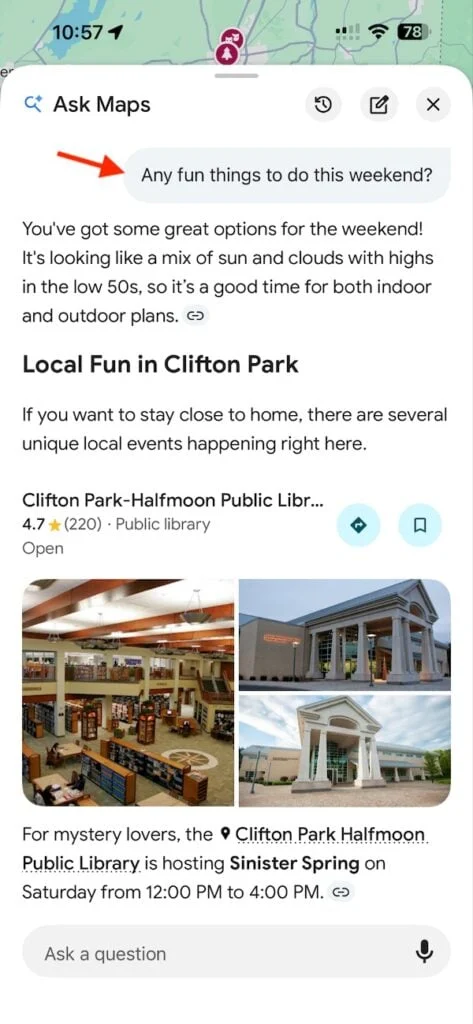
Google Maps has recently unveiled an innovative artificial intelligence (AI)-driven feature, dubbed "Ask Maps," which promises to revolutionize how consumers discover local businesses and activities. This new functionality allows users to engage in conversational queries, receiving instant, tailored recommendations for shopping, dining, and entertainment options within their vicinity. The implications for local businesses, particularly those striving to compete with larger, more established brands, are substantial, offering a powerful new avenue to capture consumer attention and drive foot traffic.
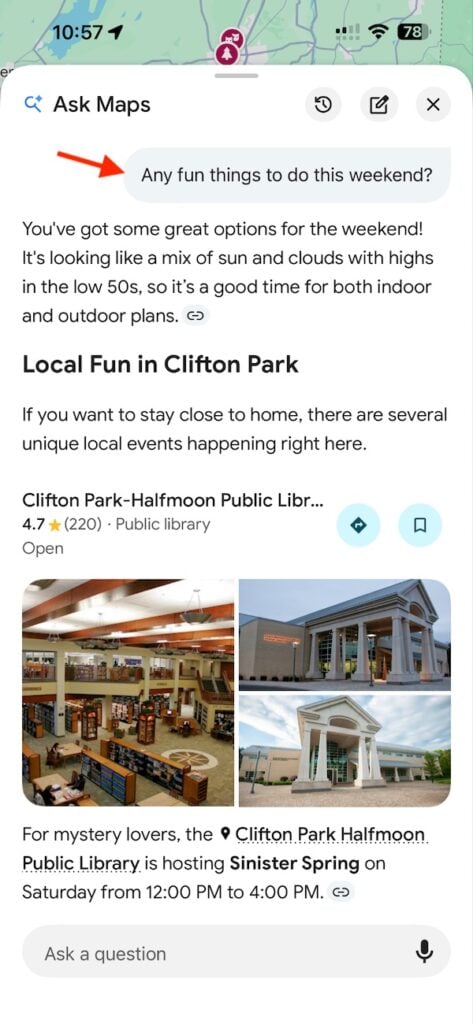
The "Ask Maps" feature operates by processing natural language queries, much like a personal assistant. For instance, a user might ask, "Any fun things to do this weekend?" and the AI can then return a curated list of local workshops, farmers’ markets, live music venues, or pop-up events. This ability to respond to broad, low-intent queries is a game-changer. Consumers who are not actively searching for a specific business but are instead exploring possibilities can now be serendipitously connected with local establishments they might not have otherwise discovered. This directly addresses a key challenge for small businesses: making their offerings visible to a wider audience, especially when potential customers are still in the initial stages of their decision-making process.
The Mechanics of "Ask Maps" and How Businesses Can Leverage It
At its core, "Ask Maps" functions by intelligently aggregating and interpreting data from various sources. The most critical of these, and the primary conduit for businesses to ensure their inclusion, is their Google Business Profile. Google’s AI meticulously scours these profiles for comprehensive and up-to-date information. Therefore, businesses are strongly encouraged to invest time in meticulously detailing every aspect of their operations within their Google Business Profile. This includes, but is not limited to:
- Accurate and comprehensive business details: Ensuring that hours of operation, physical address, contact information, and website URLs are consistently up-to-date is fundamental.
- Accessibility information: Details regarding wheelchair accessibility, parking availability, and any other relevant accessibility features can be crucial for a significant segment of consumers.
- Service and product offerings: A clear and detailed description of the services provided or the types of products sold is essential for the AI to accurately match queries.
- Expertise and unique selling propositions: Highlighting what makes a business stand out, whether it’s specialized knowledge, unique craftsmanship, or a particular niche, can help it be recommended for specific queries.
- Social media integration: Linking to social media profiles can provide the AI with additional context about a business’s community engagement and recent activities.
Beyond the core profile information, the "Updates" feature within Google Business Profile plays a vital role. This allows businesses to proactively announce time-sensitive events, promotions, new product launches, or special offers. For example, a local bakery could post an update about a weekend-long artisanal bread sale, or a craft store could announce an upcoming pottery workshop. These updates are actively monitored by the "Ask Maps" AI and can be surfaced in response to relevant user queries, effectively acting as a direct line to engaged local shoppers.

Enhancing On-Site Data for AI Comprehension
While Google Business Profile is paramount, the information available on a business’s own website also significantly influences its visibility within "Ask Maps" responses. The AI is designed to understand and extract data from web pages to provide the most comprehensive answers. This necessitates that businesses ensure their websites are rich with detailed information that directly addresses potential consumer inquiries. Key elements to include on a website are:
- Product and service specifics: Detailed descriptions of products, including materials, dimensions, colors, pricing, and available sizes, are invaluable. For services, outlining the scope of work, pricing structures, and any included guarantees or warranties is crucial.
- Use cases and benefits: Explaining how a product or service can solve a consumer’s problem or enhance their life provides context that the AI can leverage.
- Availability and inventory: Real-time or frequently updated information on product availability can help the AI recommend items that are actually in stock.
- Customer testimonials and reviews: Positive feedback from existing customers can be a strong indicator of quality and service, which the AI may incorporate into its recommendations.
- Warranties and return policies: Transparent information about warranties and return policies can build consumer confidence and inform the AI’s suggestions.
Furthermore, publishing content that addresses common consumer needs and problems can significantly boost a business’s discoverability. This might involve creating blog posts, FAQs, or guides that offer solutions or advice related to the business’s offerings. For example, a local hardware store could publish a guide on common DIY home repair issues, naturally integrating mentions of the products and expertise available at their store. This not only aids the AI in understanding the business’s value proposition but also positions the business as a helpful resource, fostering trust and encouraging engagement.
The Power of Market Events and Community Engagement
The "Ask Maps" feature is particularly adept at identifying and recommending unique local events. Seasonal promotions, workshops, pop-up markets, and community gatherings can serve as powerful magnets, attracting consumers who may not be familiar with a particular business but are drawn to the experience. Beyond leveraging the "Updates" feature on Google Business Profile, businesses can enhance their event visibility through:
- Eventbrite and other ticketing platforms: Ensuring that event details are published on popular event listing sites that Google’s AI can crawl.
- Local community calendars and news outlets: Submitting event information to local publications and online community calendars can broaden reach and provide additional data points for the AI.
- Social media promotion: Actively promoting events across social media platforms, using relevant hashtags and geo-tagging, can generate buzz and signal to the AI that an event is active and of interest.
- Collaborations with other local businesses: Partnering with complementary businesses for joint events or promotions can create synergistic visibility and attract a wider audience.
By actively participating in and promoting local events, businesses can create engaging experiences that draw in new customers. The "Ask Maps" feature then acts as a powerful amplifier, connecting these event-seekers with the businesses hosting or participating in them, even if the users initially had no specific business in mind.
Broader Implications for Local Economies
The introduction of "Ask Maps" represents a significant boon for local businesses navigating an increasingly competitive landscape. In an era where consumers often default to large e-commerce platforms or well-known national chains, this AI-powered tool democratizes visibility. It levels the playing field by providing a mechanism for smaller, independent businesses to be discovered by a local audience actively seeking experiences and products.
This development is particularly timely, as data suggests a growing consumer preference for supporting local economies. A recent survey by CivicScience indicated that a majority of consumers prefer to shop at local businesses when possible, citing factors like unique products, personalized service, and community impact. However, the challenge has always been discoverability. "Ask Maps" directly addresses this by integrating local discovery into a platform already used by billions worldwide.
The AI’s ability to interpret nuanced, conversational queries means that businesses no longer need to rely solely on precise keyword matching. Instead, the focus shifts to providing rich, descriptive content that reflects the actual needs and interests of consumers. This encourages a more authentic and informative approach to online business presence, benefiting both businesses and consumers.
From a broader economic perspective, increased visibility for local businesses can translate into job creation, community development, and a more vibrant local economy. By making it easier for consumers to find and patronize local establishments, "Ask Maps" has the potential to foster a stronger sense of community and support the unique character of neighborhoods. As the AI continues to learn and evolve, its capacity to connect consumers with the perfect local offering will only grow, solidifying its role as an indispensable tool for small business success in the digital age. The proactive adoption of these strategies by local businesses is not just recommended; it is becoming essential for sustained growth and relevance.

