
The digital marketing landscape is in a state of perpetual evolution, driven by shifts in consumer behavior and algorithmic changes across major platforms. A significant development, unfolding with a phased rollout and now widely available, is the integration of social media profile analytics directly within Google Search Console. This new functionality allows businesses to track the organic search performance of their YouTube, TikTok, X (formerly Twitter), and Instagram professional accounts, a move that directly addresses the challenges posed by declining organic search traffic on traditional websites and the increasing reliance on social media for brand awareness and sales generation.
For years, marketers have relied on the native analytics provided by social media platforms themselves. While these tools offer valuable insights into follower growth, engagement rates, and content performance within their respective ecosystems, they have historically been siloed. Crucially, they have failed to provide a comprehensive view of how these social profiles and their content are discovered and interacted with through general organic search engines like Google. This lack of cross-platform visibility has been a persistent pain point, especially as businesses seek to understand the full impact of their social media efforts on their overall online presence and customer acquisition strategies.
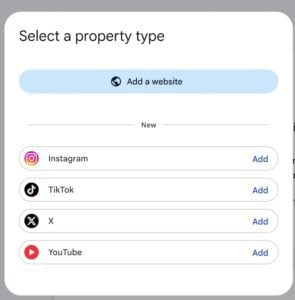
The introduction of "platform properties" within Google Search Console marks a significant departure from this siloed approach. By treating social media profiles with the same gravitas as traditional websites, Google is enabling a more unified and data-driven approach to digital marketing. The process for adding a social media profile as a property is straightforward. Users can navigate to the "Add property" option within the top-left drop-down menu in Search Console and follow a series of authentication steps specific to each social platform. Once authenticated, data typically begins to populate within a 36-hour window, offering near real-time insights into organic search performance.
A New Era of Social Media Analytics in Search Console
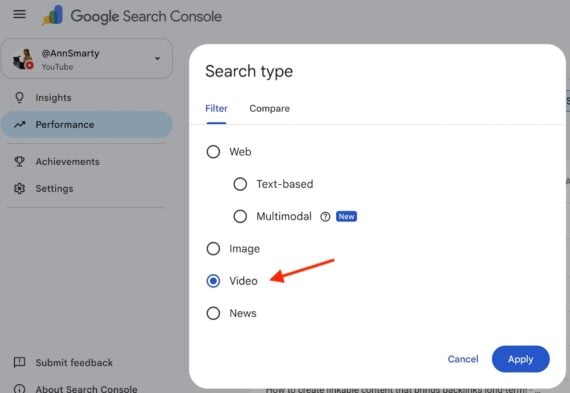
The newly integrated social media dashboard within Search Console is currently structured around two core components: the "Insights" tab and the "Performance" section. While the "Insights" tab provides a general overview, it is the "Performance" section that offers granular data on organic search activity. Within Performance, users can filter metrics by various search types, including general text or multimodal web search, image search, video search, and news. Furthermore, the dashboard incorporates visibility within Google Discover, a personalized content discovery platform that has become increasingly influential in driving traffic.
Unlocking the Power of Video SEO
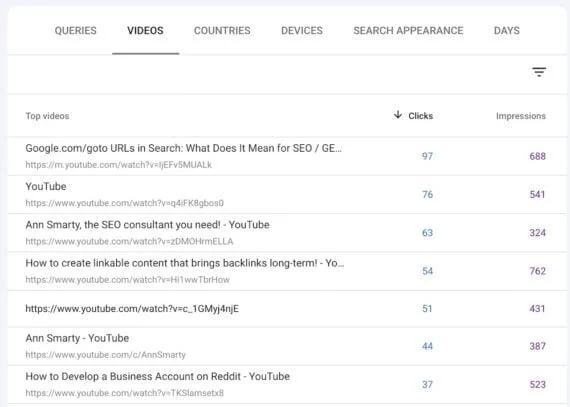
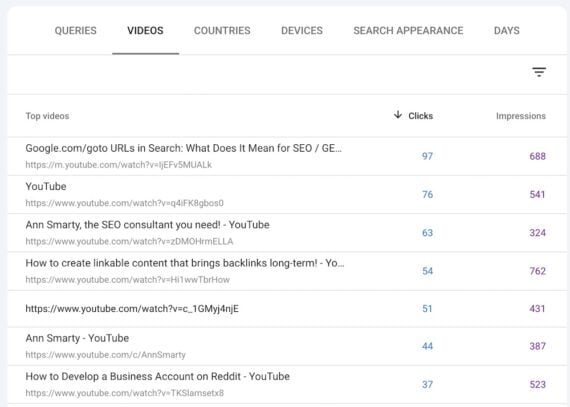
One of the most impactful aspects of this new integration is the enhanced visibility it provides for video content, particularly from YouTube. YouTube videos have long demonstrated a strong propensity to rank well in Google Search results and are now playing a pivotal role in AI-generated summaries, AI Overviews, and Google’s Gemini AI. Previously, tracking the organic search performance of individual YouTube videos and understanding which queries were driving traffic to them was a cumbersome and often manual process.
The "Video" search type filter within the YouTube property dashboard in Search Console is a game-changer for video SEO. After linking a YouTube channel as a property, marketers can access the Performance section and select "Videos" to identify which of their uploaded content is appearing in Google Search and consequently generating clicks. The true value lies in the ability to drill down into each individual video listing. By clicking on a specific video, users can then see the precise search queries for which that video is ranking. This granular data empowers creators to refine their content strategy, optimize video titles, descriptions, and tags to better align with search intent, and ultimately improve their video’s discoverability.
Traditional video SEO tactics can now be more effectively applied and measured. For instance, businesses can identify queries that are generating a high number of impressions but a low click-through rate, especially when the average search position is below the top four. Including these high-potential queries in video titles can significantly boost click-through rates. Similarly, by analyzing the top-ranking queries for successful videos, marketers can experiment with variations in titles and descriptions to capture even more organic traffic. The integration of this data within Search Console provides the empirical evidence needed to justify and guide these optimization efforts, moving beyond guesswork to data-informed decision-making.
Implications for E-commerce and Visual Content
For e-commerce businesses, the integration of Instagram professional accounts offers new avenues for understanding how visual product content performs in organic search. By selecting the "Multimodal search" performance filter for an Instagram property, businesses can ascertain whether their product photos are appearing in image search results. This insight is crucial for optimizing product imagery and understanding the visual search landscape, a growing area of consumer interest.
While the new social media metrics do not currently include a dedicated "Branded search" filter, users can manually filter queries to identify instances where their social profiles and specific updates are being searched for by name. This allows for a more nuanced understanding of brand recognition and how potential customers are seeking out information directly related to the brand.
Elevating Cross-Channel Marketing Strategies
The overarching implication of this Search Console update is the significant elevation of cross-channel marketing strategies. Previously, a business might publish an article on their website, create a complementary video on YouTube, and share product images on Instagram, all without a clear, unified understanding of how these disparate pieces of content were contributing to their organic search visibility.
Now, a marketer can strategically plan and execute campaigns across multiple platforms and track their collective impact. For example, a merchant can publish an in-depth blog post, produce a YouTube video elaborating on the topic, and then showcase relevant product images on Instagram. By annotating Search Console with the launch dates of each asset, they can meticulously track the organic search performance of each piece of content. This holistic view allows for a more informed allocation of resources and a deeper understanding of which content formats and platforms are most effective in driving organic traffic and, consequently, conversions.
Furthermore, the data gleaned from the YouTube video performance within Search Console is likely to reveal previously untapped target keywords. As AI Overviews and AI-powered search become more prevalent, the way users query information is evolving. By analyzing the queries that drive traffic to YouTube videos, businesses can gain early insights into emerging search trends and adapt their content strategies accordingly, ensuring they remain relevant and discoverable in the evolving search ecosystem.
Background and Context: The Evolving Search Landscape
This integration arrives at a critical juncture for digital marketers. Over the past decade, the dominance of social media platforms as primary discovery engines for consumers has grown exponentially. Simultaneously, Google has itself integrated more social-like features and rich media into its search results, blurring the lines between traditional web pages and social content. The persistent challenge for businesses has been to bridge the data gap between their owned web properties and their presence on third-party social platforms, particularly when it comes to organic search performance.
The initial rollout of this feature was observed to be gradual, with early adopters reporting its availability in their Search Console accounts over a period of months. This phased approach is typical for Google, allowing for testing, refinement, and scalability before a full public release. The decision to include major platforms like YouTube, TikTok, X, and Instagram signifies Google’s recognition of their immense influence and the growing need for businesses to understand their interconnectedness with Google Search.
Analysis of Implications and Future Outlook
The implications of this update are far-reaching. For small businesses and individual creators who may not have the resources for sophisticated third-party analytics tools, this free integration within Search Console democratizes access to valuable performance data. It empowers them to compete more effectively by understanding how their content is being found.
For larger enterprises, this provides a crucial layer of unified reporting. It allows for the validation of social media marketing ROI by directly linking social efforts to organic search visibility, a metric that historically has been difficult to attribute accurately. The ability to track video performance in search, especially in the context of AI-driven search summaries, is particularly significant. As AI increasingly synthesizes information from various sources, ensuring that your video content is discoverable and relevant in these summaries will be paramount.
The inclusion of "platform properties" suggests a potential expansion of this functionality in the future. One can anticipate further refinements to the dashboard, potentially including more detailed engagement metrics or deeper integration with other Google products. The evolution of Search Console from a website-centric tool to a broader digital asset management hub is a clear indication of Google’s commitment to providing a more comprehensive understanding of a business’s online footprint.
In conclusion, the integration of social media profiles as "platform properties" within Google Search Console represents a significant advancement in digital marketing analytics. By bridging the gap between social media engagement and organic search discovery, Google is providing businesses with the tools they need to navigate the increasingly complex digital landscape, optimize their cross-channel strategies, and ultimately achieve greater online visibility and success. The ability to track the organic search performance of content across YouTube, TikTok, X, and Instagram directly within Search Console marks a pivotal moment, empowering marketers with data-driven insights that were previously elusive.

