
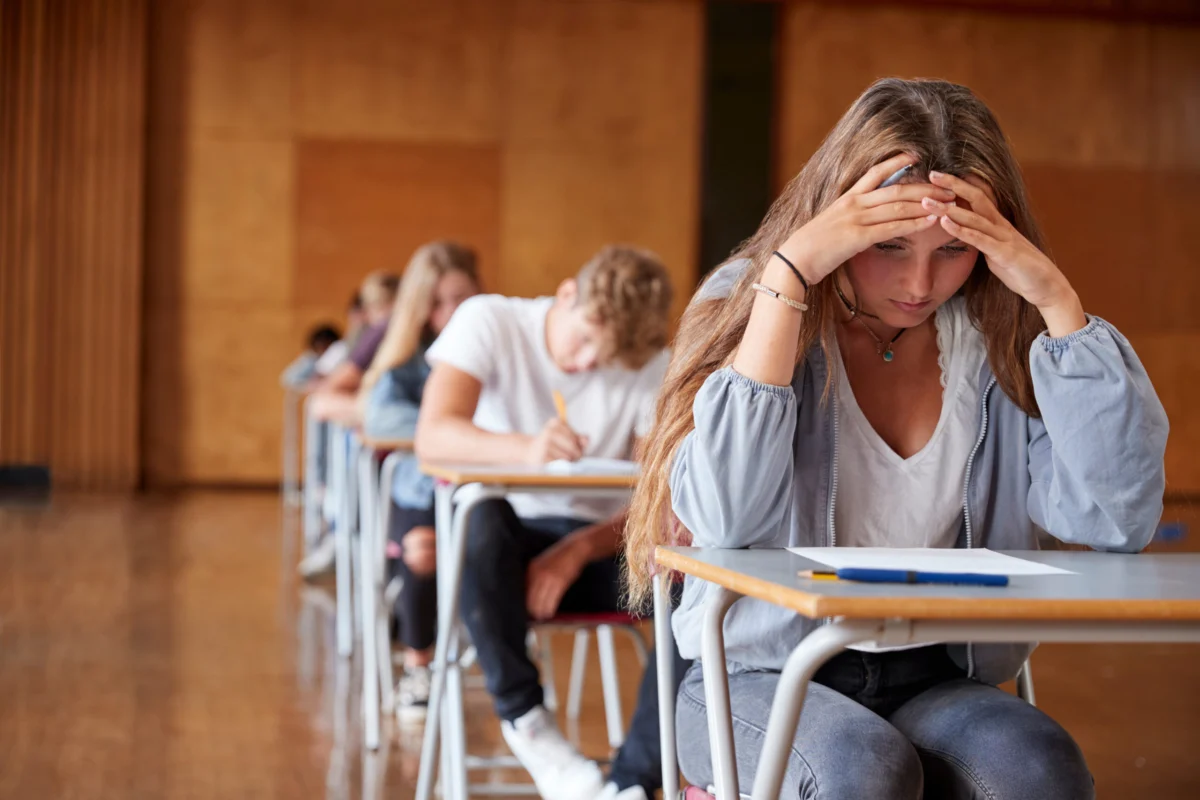
The modern educational environment, coupled with pervasive societal pressures, has significantly amplified the prevalence of school-related anxiety among teenagers, transforming it into a critical concern for parents, educators, and public health officials alike. What was once considered typical adolescent angst is increasingly manifesting as debilitating anxiety, impacting academic performance, social development, and overall well-being. This complex phenomenon requires a nuanced understanding of its various forms—academic, social, and performance anxiety—and a concerted effort to implement effective support strategies, from individual coping mechanisms to systemic educational reforms.
The Evolving Landscape of Adolescent Stress: A Deeper Dive into Causes
The pressures faced by today’s teenagers are multifaceted, evolving beyond the traditional anxieties of academic achievement. While previous generations contended with school stress, the current cohort navigates an unprecedented blend of academic rigor, digital social complexities, and global uncertainties. This confluence creates a fertile ground for anxiety to take root and flourish.
Historical Context and Modern Intensification: Historically, school-related stress largely centered on academic performance and peer acceptance. However, the dawn of the 21st century has introduced several intensifiers. The rise of standardized testing, an increasingly competitive landscape for higher education, and the perceived necessity of a robust extracurricular resume have ratcheted up the stakes. Furthermore, the globalized economy and rapidly changing job market instill a profound sense of uncertainty about future prospects, contributing to a generalized feeling of pressure to excel at all costs.
Academic Pressures and the Culture of Achievement: A significant driver of teen anxiety stems from academic demands. The Pew Research Center, in a 2025 study, reported that an overwhelming 68 percent of teenagers feel substantial pressure to achieve high grades. This pressure is not merely internal; it is often fueled by parental expectations, peer competition, and a broader "toxic achievement culture" within educational institutions. This culture can inadvertently prioritize outcomes over learning, fostering a fear of failure rather than a love for knowledge. The constant evaluation, coupled with heavy workloads and the need to balance multiple advanced courses, can lead to perfectionism, procrastination, and a profound sense of overwhelm.
Social Dynamics in the Digital Age: The advent of social media has fundamentally reshaped adolescent social landscapes, introducing new vectors for anxiety. Platforms designed for connection can paradoxically foster isolation and intense social pressure. Teenagers are subjected to constant comparison with curated online personas, leading to feelings of inadequacy, fear of missing out (FOMO), and obsessive preoccupation with their digital image. Cyberbullying, a persistent threat in online spaces, adds another layer of vulnerability, making school environments, once a primary site for in-person social interaction, now an extension of online anxieties. Research published in ScienceDirect indicates that passive scrolling and online comparison significantly contribute to increased anxiety levels in teens, highlighting the detrimental impact of unmanaged digital engagement on self-esteem and mental health.
Developmental Factors and Biological Predispositions: Adolescence is a period of profound neurobiological change. The prefrontal cortex, responsible for executive functions like impulse control and emotional regulation, is still developing. This makes teenagers particularly susceptible to emotional volatility and less equipped to cope with high-stress situations. Hormonal fluctuations further contribute to emotional sensitivities. For some, there may also be a genetic predisposition to anxiety disorders, which can be triggered or exacerbated by environmental stressors like school.
Broader Societal and Global Factors: Beyond the immediate school environment, teenagers are growing up in an era characterized by global uncertainties. Concerns about climate change, political instability, economic fluctuations, and the lingering mental health aftermath of global pandemics (like COVID-19) contribute to a generalized sense of unease. These macro-level stressors can amplify personal anxieties, making the immediate pressures of school feel even more formidable.
Identifying the Manifestations: Recognizing Signs of School-Related Anxiety
Recognizing school-related anxiety in teenagers is the critical first step toward intervention. Unlike overt physical ailments, anxiety often manifests through a spectrum of behavioral, emotional, and physical changes that can be subtle or easily misinterpreted. Parents and educators must be attuned to these indicators, understanding that what appears as defiance, laziness, or disinterest may, in fact, be a cry for help.
Behavioral Changes: A stressed teen might exhibit withdrawal from social activities they once enjoyed, increased irritability, or defiance towards authority. Procrastination, avoidance of schoolwork, or a sudden disinterest in academic pursuits can be tell-tale signs. Changes in sleep patterns (insomnia or excessive sleeping), altered eating habits (overeating or loss of appetite), and a general lack of motivation are also common. They might spend an unusual amount of time on their phone, not for social connection, but as a coping mechanism to disengage or constantly check for social validation.
Emotional Indicators: Emotionally, teens struggling with anxiety may express persistent worry, sadness, hopelessness, or anger outbursts that seem disproportionate to the situation. They might admit to feeling "stressed" or "overwhelmed," but often, the deeper anxieties remain unarticulated. A diminished ability to enjoy activities, frequent mood swings, and an increased sensitivity to criticism are further indicators.
Physical Symptoms: The mind-body connection is particularly strong in anxiety. Teenagers may experience recurrent headaches, stomachaches, nausea, or muscle tension without any underlying medical cause. Panic attacks, characterized by a rapid heart rate, shortness of breath, dizziness, and a feeling of impending doom, are severe manifestations that require immediate attention. These physical symptoms are not fabricated; they are genuine physiological responses to chronic stress. Dr. Anya Sharma, a pediatric psychologist, notes, "Physical symptoms are often the body’s alarm system. When a teen consistently complains of headaches or stomachaches before school or tests, it’s crucial to rule out medical issues, but also to consider anxiety as a primary cause."
Academic Impact: Anxiety can significantly impair academic functioning. Difficulty concentrating, memory problems, and a reduced capacity for problem-solving are common. This can lead to a decline in grades, missed assignments, or an inability to perform during tests, creating a vicious cycle where poor performance exacerbates anxiety.
Categorizing Anxiety: Academic, Social, and Performance Pressures
To effectively address school-related anxiety, it is crucial to differentiate between its primary manifestations. While these categories often overlap, understanding the specific trigger helps tailor appropriate interventions.
1. Academic School Stress:
This form of anxiety centers on scholastic achievement and the fear of academic failure. It is often fueled by internal perfectionistic tendencies, external pressures to succeed, and the competitive educational environment.
- Description: Academic stress can manifest as debilitating test anxiety, leading to mental blocks during exams despite adequate preparation. It can drive perfectionism, where a teen spends an excessive amount of time on tasks, fearing anything less than flawless execution. Conversely, it can also lead to procrastination, as the fear of not meeting high standards paralyzes the teen into inaction. Physical symptoms like headaches or stomach upset before tests are common.
- Data and Expert View: The aforementioned Pew Research Center data underscores the pervasive nature of academic pressure. Educational psychologists emphasize that fostering a growth mindset—focusing on effort and learning rather than solely on grades—is paramount. Dr. Emily Carter, an educational psychologist, states, "When academic pressure becomes overwhelming, it shifts from motivation to a threat. We see students whose self-worth becomes inextricably linked to their GPA, making every assignment a high-stakes event."
2. Social Anxiety School Stress:
This category of anxiety pertains to fears related to social interactions and peer perception within the school environment.
- Description: Social anxiety in teens often presents as an intense fear of being judged, rejected, or embarrassed by peers. This can lead to avoidance of group hangouts, reluctance to participate in class, and obsessive worry about what others think. The constant effort to appear "okay" or "normal" throughout the school day is emotionally exhausting, leaving teens drained and withdrawn by the time they return home. Obsessive phone-checking, often to monitor social media for perceived slights or to seek validation, is a common coping mechanism that paradoxically exacerbates the anxiety.
- Data and Expert View: As highlighted by research, the curated and often idealized nature of social media feeds can intensify feelings of inadequacy and foster a fear of not measuring up. School counselors report an increase in students struggling with social anxieties, particularly post-pandemic, where opportunities for natural social skill development were curtailed. "Social anxiety isn’t just shyness," explains Mr. David Chen, a high school counselor. "It’s a persistent, often irrational fear of negative evaluation that can prevent teens from forming crucial peer relationships and participating in vital social learning experiences."
3. Performance Anxiety School Stress:
Performance anxiety is a specific type of stress related to situations where a teen’s abilities are publicly evaluated, distinct from general academic or social pressures.
- Description: This form of anxiety emerges when a teenager faces situations requiring public demonstration of skill or talent, such as giving a presentation, competing in a sporting event, performing in a school play, or even speaking up in class. Signs include wanting to quit activities they once loved, practicing obsessively to an unhealthy degree, or experiencing acute panic attacks before or during the performance. The fear of failure, making a mistake, or public humiliation can be overwhelming.
- Data and Expert View: While precise statistics for performance anxiety across all school activities are challenging to compile, surveys of student-athletes and performing arts students often indicate high levels of stress related to competition and public scrutiny. Sports psychologists and performing arts educators frequently address this issue. Dr. Sarah Jenkins, a specialist in youth performance, notes, "Performance anxiety isn’t about lack of talent or preparation; it’s about the fear of judgment hijacking one’s ability to execute. Helping teens understand that nerves are normal, but can be managed, is key."
Effective Interventions: Strategies for Parents, Educators, and Teens
Addressing school-related anxiety requires a multi-pronged approach involving supportive parenting, proactive school initiatives, and the development of robust coping skills in teenagers themselves.
Parental Support: Fostering Resilience and Open Communication:
Parents play a pivotal role in creating a home environment that mitigates stress and fosters resilience.
- Empathetic Communication and Validation: Instead of minimizing a teen’s feelings with phrases like, "You’ll get over it," parents should validate their emotions. Statements such as, "It sounds like that conversation really upset you. Do you want to talk about it, or take some space first?" demonstrate empathy and offer autonomy. Engaging in "reality-checking" fears by asking, "What’s the worst that could happen?" and brainstorming solutions can help reduce anxiety, a technique therapists often employ.
- Focus on Effort Over Outcomes: For academic stress, shifting the focus from grades to effort is crucial. Instead of "Do your best," try, "You put in the time and studied well." This reinforces intrinsic motivation and reduces the pressure for perfection.
- Skill Building and Modeling: Parents can model resilience by demonstrating healthy coping mechanisms in their own lives. They can help teens break down large tasks into smaller, manageable steps, prioritize responsibilities, and encourage a relaxed mindset with reminders like, "You know more than you think. Start with what you know and go from there."
- Managing Digital Exposure: Actively engaging teens in curating their online experiences is vital. Questions like, "Which accounts make you feel worse about yourself? What would happen if you unfollowed them for a week?" empower teens to manage online spaces that negatively impact their self-esteem.
School-Based Initiatives: Creating a Supportive Educational Ecosystem:
Schools are uniquely positioned to implement systemic changes that support teen mental health.
- Accessible Counseling Services: Ensuring that school counselors and psychologists are readily available and integrated into the school community can destigmatize seeking help.
- Stress Reduction Programs: Introducing mindfulness practices, relaxation techniques, and social-emotional learning (SEL) into the curriculum can equip students with tools to manage stress proactively.
- Teacher Training: Educating teachers on the signs of anxiety and effective classroom strategies for supporting anxious students is essential. This includes creating flexible learning environments and understanding that some behaviors stem from anxiety, not defiance.
- Curriculum Adjustments: Re-evaluating workload, homework policies, and the emphasis on standardized testing can alleviate some academic pressures.
Teen-Led Coping Mechanisms: Empowering Self-Management:
Equipping teenagers with personal strategies is fundamental to long-term resilience.
- Mindfulness and Breathing Techniques: Simple breathing exercises (e.g., box breathing) can be powerful tools for immediate stress reduction. Visualization techniques can help rehearse success for performance anxiety, building confidence.
- Time Management and Organization: Learning to prioritize tasks, create schedules, and break down assignments into smaller parts can make overwhelming workloads feel manageable.
- Strategic Practice and Social Risks: For performance anxiety, strategic practice without overdoing it is key. For social anxiety, encouraging low-stakes social risks—like joining a club, initiating a study group, or inviting a friend for coffee—can gradually build social confidence.
- Physical Activity and Healthy Habits: Regular exercise, adequate sleep, and a balanced diet are foundational for mental well-being and can significantly reduce anxiety symptoms.
The Critical Juncture: When Professional Help Becomes Essential
While parental and school support is invaluable, there are instances when a teenager’s anxiety exceeds the scope of informal interventions, necessitating professional psychological or medical assistance. Recognizing these warning signs is crucial for preventing chronic mental health issues.
Warning Signs for Professional Intervention: Parents and guardians should seek professional help if a teen’s anxiety:
- Interferes significantly with daily functioning: This includes an inability to attend school, maintain friendships, or participate in family activities.
- Causes persistent physical symptoms: Chronic headaches, stomachaches, or other unexplained physical ailments that do not resolve with general support.
- Includes thoughts of self-harm or suicide: Any mention or indication of self-harm requires immediate professional intervention.
- Does not improve or worsens despite consistent parental and school support: If strategies are not yielding positive changes over time, it’s a sign that more specialized help is needed.
Types of Professionals and Importance of Early Intervention: Mental health professionals who can assist include therapists specializing in cognitive behavioral therapy (CBT) or dialectical behavior therapy (DBT), child and adolescent psychiatrists who can evaluate for medication if appropriate, and school psychologists who can offer in-school support plans. Early intervention is paramount, as untreated anxiety in adolescence can lead to more severe mental health disorders in adulthood, including depression, substance abuse, and chronic anxiety conditions. Destigmatizing mental health care by normalizing the need for professional support is a collective responsibility of families, schools, and the broader community.
Broader Implications and Future Outlook
The rising tide of school-related anxiety among teenagers carries significant implications, not only for individual well-being but also for educational outcomes and public health. Unaddressed, it can contribute to higher dropout rates, academic underperformance, and a generation of young adults ill-equipped to navigate the complexities of adulthood.
Impact on Educational Outcomes and Long-term Health: Chronically anxious students are less likely to engage fully in their education, potentially limiting their academic and career trajectories. Furthermore, adolescent anxiety is a strong predictor of adult anxiety disorders, depression, and other mental health challenges, placing a substantial burden on healthcare systems and individual productivity.
Societal Costs and Policy Recommendations: The societal costs associated with untreated youth mental health issues are considerable, encompassing healthcare expenditures, lost productivity, and diminished overall societal well-being. Addressing this crisis requires a holistic, policy-driven approach. This includes increased funding for school mental health services, a review of educational curricula to prioritize well-being alongside academic rigor, and public awareness campaigns to reduce the stigma associated with mental health struggles. Promoting a culture of empathy, resilience, and support within schools and communities is not merely an educational goal; it is a societal imperative.
In conclusion, understanding and actively addressing the diverse forms of school-related anxiety in teenagers is more critical than ever. By combining empathetic parental support, proactive school initiatives, empowering teens with effective coping skills, and knowing when to seek professional help, society can work towards nurturing a generation that is not only academically competent but also emotionally resilient and well-equipped to thrive in an increasingly complex world.

