
The landscape of modern education is undergoing a significant paradigm shift, moving beyond traditional rote memorization to embrace methodologies that deeply engage children through their innate interests and passions. This strategic integration of a child’s natural inclinations into their learning journey is increasingly recognized by educators and developmental psychologists as a powerful catalyst for fostering intrinsic motivation, deeper cognitive processing, and ultimately, a lifelong love of learning. Rather than viewing play and personal interests as distractions, contemporary educational thought positions them as potent tools for academic and personal development, providing a fertile ground where learning organically blossoms.
The Foundational Theories of Play and Learning
The concept of play as a fundamental component of learning is not novel; it boasts a rich historical and theoretical lineage. Pioneering educationalists such as Friedrich Froebel, the founder of the kindergarten concept, emphasized play as the highest expression of human development in childhood, allowing children to explore and understand the world around them. Maria Montessori similarly advocated for self-directed activity, hands-on learning, and collaborative play, recognizing that children learn best through active engagement with their environment and materials that captivate their attention.
Swiss psychologist Jean Piaget’s theory of cognitive development posited that children construct their understanding of the world through interaction with their environment, with play serving as a crucial mechanism for assimilating new information and accommodating existing schemas. Lev Vygotsky, a Soviet psychologist, introduced the concept of the Zone of Proximal Development (ZPD), highlighting the importance of social interaction and collaborative play in learning. He argued that children learn significantly through playful interactions with more knowledgeable peers or adults, internalizing skills and knowledge that are just beyond their independent grasp. These foundational theories collectively underscore that play is not merely recreation but a vital cognitive and social process that underpins effective learning.
Psychologically, interest-driven learning taps into the brain’s reward system, particularly the release of dopamine. When an activity is intrinsically motivating—meaning it is pursued for its inherent satisfaction rather than external rewards—the brain registers pleasure, reinforcing the behavior and making the learning experience more enjoyable and memorable. This cognitive engagement leads to deeper processing of information, improved memory retention, and the development of stronger neural pathways associated with the learned material. In essence, when a child is excited about what they are doing, their brain is optimally primed for learning.
Data Supporting Engaged Learning
Research consistently demonstrates the profound benefits of interest-driven and play-based learning. Studies published in journals like Early Childhood Research Quarterly show that children engaged in play-based learning environments exhibit higher levels of motivation, greater problem-solving skills, and better social-emotional development compared to those in more didactic settings. A meta-analysis published in the Review of Educational Research found a positive correlation between play-based learning and improved literacy, numeracy, and social skills in early childhood education.
The challenge of screen time, a pervasive aspect of modern childhood, offers a unique opportunity for strategic integration. While concerns about excessive screen time are valid, particularly regarding passive consumption, data indicates that the average child spends a significant portion of their day interacting with digital media. According to a 2021 Common Sense Media report, children aged 8-12 spend an average of 4 hours and 44 minutes on screens daily for entertainment, excluding schoolwork. Instead of viewing this as a pure impediment, educators and parents are increasingly exploring how to leverage these digital interests to spark curiosity and extend learning beyond the screen. This involves guiding children towards educational content, encouraging critical engagement, and using screen-based interests as springboards for offline learning activities.
Strategic Pillars for Integrating Interests into Education
To effectively harness a child’s passions for educational gain, several strategic approaches can be employed, transforming everyday activities into rich learning experiences.
A. Bridging Digital Entertainment and Literacy Development
One of the most accessible avenues for interest-driven learning lies in extending a child’s engagement with digital media into literacy development. If a child is captivated by a particular movie, video game, or animated series, this fascination can serve as a powerful bridge to reading. For instance, a child engrossed in the narrative of Disney’s Cars might develop an interest in mechanics, racing, or geography, making books on these subjects far more appealing than a generic story. Similarly, a child passionate about Minecraft could be introduced to books on architecture, engineering, coding, or even geology, connecting their virtual building endeavors to real-world principles and expanding their vocabulary related to these fields.
This approach emphasizes media literacy, teaching children to critically engage with content and explore its broader implications. It encourages "transmedia storytelling," where a narrative or theme extends across different platforms, from screen to print. The role of parents and educators here is to act as facilitators, curating relevant reading materials that align with the child’s screen-based interests. Public libraries are invaluable resources, with librarians expertly guiding families to age-appropriate and interest-matched books. Programs like the New Worlds Reading Initiative in Florida exemplify institutional support for this strategy, providing free, interest-based books directly to children’s homes, making reading feel like a personalized gift rather than a chore. Educational psychologists highlight that this seamless connection between entertainment and learning reduces resistance and enhances comprehension, as the child already possesses a foundational context and emotional investment in the subject matter.
B. The Protégé Effect: Empowering Children as Teachers
A remarkably effective pedagogical strategy, supported by robust psychological research, is the "protégé effect"—the phenomenon where teaching others enhances one’s own learning. When children are given the opportunity to "be the teacher," explaining concepts or demonstrating skills related to their interests, they process information on a deeper cognitive level. A study published in the Journal of Experimental Psychology: Learning, Memory, and Cognition demonstrated that individuals expecting to teach information subsequently performed better on tests of that material, indicating that the act of preparing to teach leads to more active and thorough learning strategies, such as organizing information, identifying key points, and generating examples.
This process compels the child to clarify their understanding, identify gaps in their knowledge, and articulate concepts in a coherent manner, all of which strengthen memory consolidation and metacognitive skills. Furthermore, the sense of responsibility and perceived expertise fosters self-efficacy and intrinsic motivation. Parents can leverage this by genuinely expressing curiosity about their child’s obsessions. Questions like, "Can you explain to me how this Pokémon card works?" or "What’s the difference between a T-Rex and an Allosaurus?" not only provide learning opportunities but also validate the child’s interests and knowledge, boosting their confidence. Assigning "homework," such as asking the child to find a video or book to explain a concept, further solidifies their role as an expert.

C. Cultivating Curiosity through Inquiry-Based Approaches
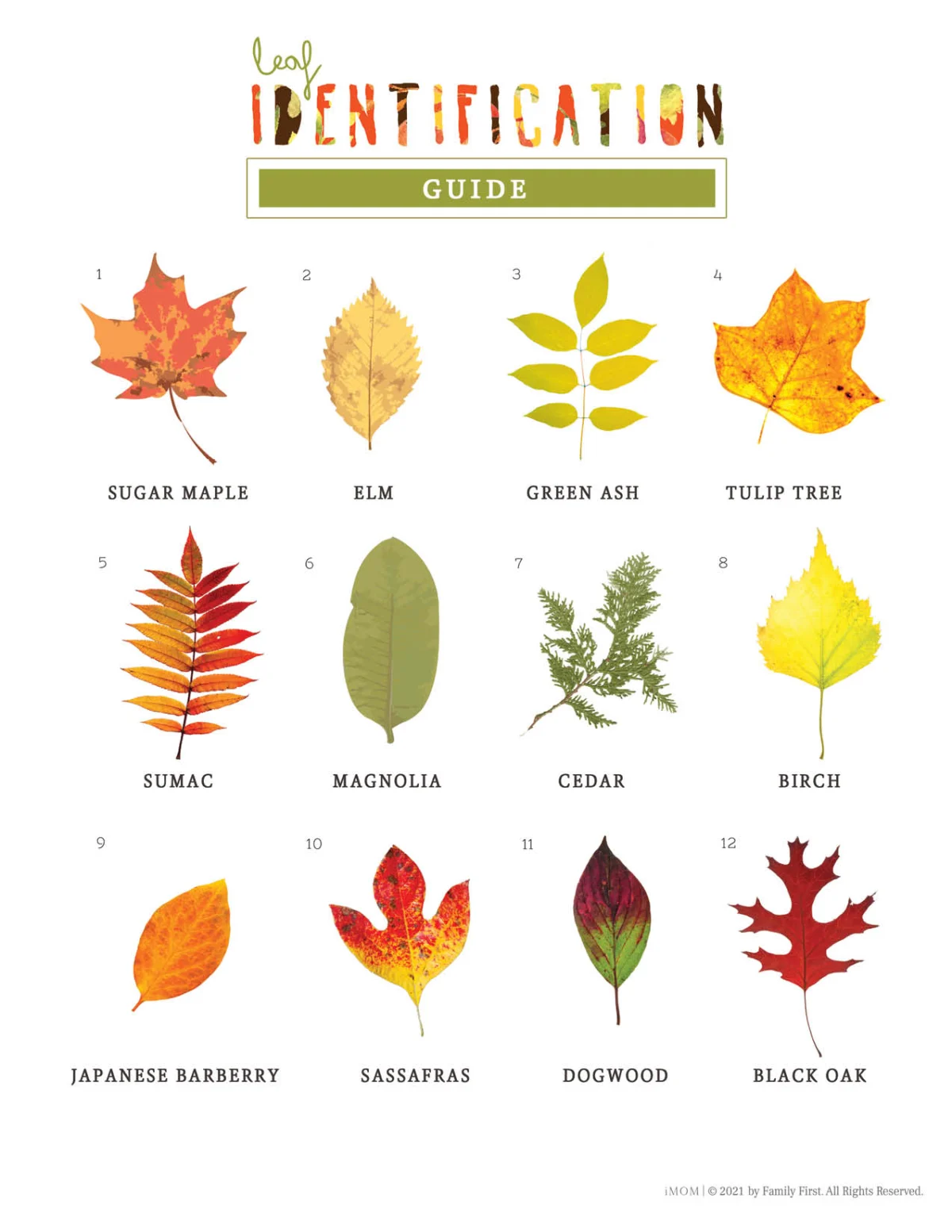
Young children are inherently curious, constantly asking "why" and "how." These everyday questions represent prime opportunities for inquiry-based learning, transforming fleeting moments of curiosity into meaningful educational explorations. For instance, a child’s question about why their stomach growls when hungry can lead to an impromptu biology lesson on the digestive system, perhaps augmented by an educational app or a simple diagram. Similarly, a question about the strength of a Pokémon card becomes a practical math exercise involving addition, subtraction, and comparison of numerical values. Identifying a specific leaf during a walk transforms into a mini-botany lesson, utilizing field guides or online resources.
This approach aligns with the principles of constructivism, where learners actively build their own understanding. By wondering aloud with the child and exploring answers together, parents and educators model scientific inquiry and critical thinking. Asking open-ended questions like, "Where else have you seen something like this?" or "Why do you think it works that way?" encourages deeper reflection and connection-making. The collaborative nature of this exploration reinforces the idea that learning is a shared, ongoing process, not merely the transmission of facts from adult to child. Research in developmental psychology indicates that fostering a child’s natural curiosity is crucial for developing problem-solving skills and a proactive approach to learning throughout their lives.
D. Project-Based Learning: From Playtime to Purposeful Creation
Moving beyond spontaneous questions, a child’s sustained interests can be channeled into more structured project-based learning (PBL). PBL is an instructional approach where students learn by actively engaging in real-world and personally meaningful projects. When children embark on projects inspired by their passions, they are not merely playing; they are testing hypotheses, problem-solving, iterating, and learning from both successes and failures—all while perceiving the activity as enjoyable play.
For a child obsessed with building LEGO castles, the project could evolve from simple construction to designing a "tour guide" video for their creation, requiring scriptwriting, narrative sequencing, and presentation skills. A budding chef who enjoys pretend cooking can transition to using a simple cookbook to prepare real recipes, learning about measurements, ingredients, nutrition, and following instructions. A gamer might be encouraged to design their own board game, a process that involves conceptualization, rule-setting, graphic design, and balancing mechanics—skills transferable to various academic disciplines. The integration of science, technology, engineering, arts, and mathematics (STEAM) naturally occurs within these projects. Educational research consistently shows that PBL enhances critical thinking, collaboration, communication, and creativity—the so-called 21st-century skills essential for future success.
E. Expanding Literacy Beyond Traditional Texts
Not all children are drawn to traditional books, yet literacy development remains paramount. Recognizing this, educators are increasingly advocating for multimodal literacy, incorporating diverse media formats that cater to different learning styles and preferences. Comic books and graphic novels, often dismissed as less rigorous, are powerful tools for literacy acquisition. Studies, such as those cited by the National Literacy Trust, demonstrate that graphic novels can significantly improve vocabulary, comprehension, and narrative understanding by pairing engaging visuals with text, making complex ideas more accessible and memorable, particularly for visual learners and struggling readers.
Audiobooks and podcasts offer another valuable pathway to literacy. For auditory learners or those who find decoding text challenging, audiobooks provide access to rich narratives, complex vocabulary, and sophisticated sentence structures that might otherwise be intimidating. A 2024 report by the National Literacy Trust indicated that nearly 40% of children who listen to audiobooks develop an increased interest in reading print books. Podcasts, especially those designed for children, can foster critical listening skills, introduce new concepts, and spark discussions, making learning a dynamic and interactive experience, even during passive activities like car rides. Programs like New Worlds Reading acknowledge this by offering interest-based books in various formats, including graphic novels, ensuring that literacy resources are accessible and appealing to a broad spectrum of young learners.
Official Responses and Expert Perspectives
Educational bodies and developmental psychologists widely endorse the principles of play-based and interest-driven learning. The American Academy of Pediatrics, in its 2018 clinical report on "The Power of Play," emphasized that play is fundamental to healthy child development, fostering cognitive, social, emotional, and physical well-being. Dr. Kenneth Ginsburg, a pediatrician specializing in adolescent medicine, often highlights that play is crucial for developing resilience and coping skills, beyond its academic benefits.
Leaders of literacy initiatives, such as the New Worlds Reading Initiative, frequently articulate their alignment with these pedagogical principles. They emphasize that providing children with books that genuinely resonate with their interests is a key strategy for overcoming reading reluctance and building strong literacy foundations. The overarching consensus from the educational community is that by honoring children’s intrinsic motivations and individual interests, we can create more engaging, effective, and joyful learning environments.
Broader Implications and Future Outlook
The strategic integration of children’s passions into educational frameworks carries profound implications for their long-term development and societal progress. By fostering a learning environment where curiosity is celebrated and personal interests are leveraged, we cultivate not just knowledgeable individuals, but lifelong learners who possess adaptability, creativity, and critical thinking skills—qualities essential for navigating an ever-evolving world.
This approach helps children develop a growth mindset, understanding that learning is an ongoing journey of exploration and discovery rather than a fixed destination. It empowers them to become active participants in their own education, fostering self-direction and resilience in the face of challenges. Furthermore, by addressing diverse learning needs and styles through varied methods and media, it promotes inclusivity and can help bridge achievement gaps.
The role of parents and educators in this evolving landscape transforms from mere instructors to facilitators and co-learners, guiding children, curating resources, and modeling curiosity. As educational research continues to shed light on the intricacies of cognitive development and motivation, the emphasis on personalized, interest-driven learning is poised to become an even more central tenet of effective pedagogy, preparing future generations not just for academic success, but for a fulfilling and engaged life.

