
The landscape of metabolic medicine is undergoing its most significant transformation in decades as glucagon-like peptide-1 (GLP-1) receptor agonists move from niche diabetes treatments to mainstream weight management solutions. While these medications have demonstrated unprecedented efficacy in reducing body weight, medical experts are increasingly raising alarms regarding the quality of that weight loss. As millions of patients achieve rapid reductions in their body mass index (BMI), a silent secondary crisis is emerging: the potential for a widespread epidemic of sarcopenia, a condition characterized by the pathological loss of skeletal muscle mass and function.
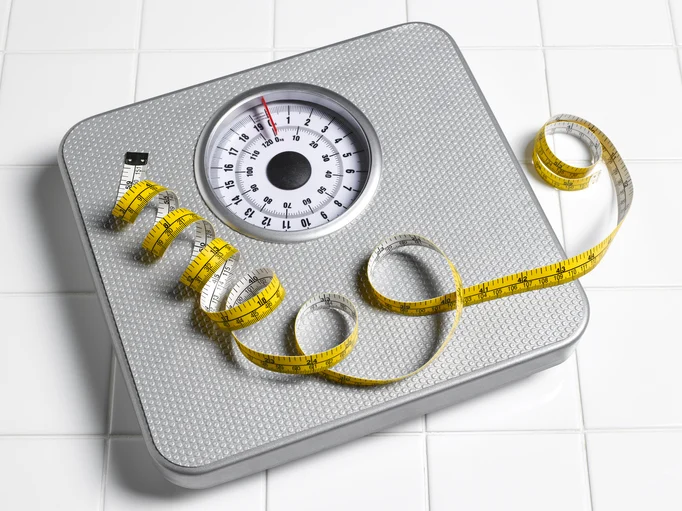
For over a quarter of a century, the medical community has grappled with the complexities of obesity, often mistakenly categorizing it as a failure of willpower rather than a chronic, multi-factorial disease. The advent of GLP-1 drugs like semaglutide and tirzepatide has finally validated the biological nature of obesity, offering a pharmaceutical intervention that addresses the hormonal and genetic drivers of weight gain. However, the reliance on traditional metrics—specifically the bathroom scale and BMI—is proving insufficient for the nuances of modern pharmacotherapy. Without a shift toward measuring body composition rather than just total mass, the healthcare system risks trading the complications of obesity for the frailty of premature muscle and bone loss.
The Evolution of GLP-1 Therapy: From Diabetes to Global Weight Management
The journey of GLP-1 receptor agonists began long before they became a cultural phenomenon. The underlying science dates back to the 1980s, when researchers discovered the role of the GLP-1 hormone in stimulating insulin secretion. The first GLP-1 drug, exenatide, derived from the venom of the Gila monster, was approved by the U.S. Food and Drug Administration (FDA) in 2005 for the treatment of Type 2 diabetes.
The trajectory changed dramatically with the development of semaglutide. Approved as Ozempic for diabetes in 2017 and later as Wegovy for chronic weight management in 2021, the drug demonstrated that high-dose GLP-1 receptor agonists could produce weight loss results previously only seen with bariatric surgery. By 2024, data from the Kaiser Family Foundation (KFF) indicated that 12% of all U.S. adults had used a GLP-1 agonist. Usage is particularly high among the 50-to-64 age demographic, where 22% of adults report taking the medication. This specific age group is of particular concern to clinicians, as it represents the biological window where muscle preservation becomes critical for long-term mobility and independence.
The Hidden Threat: Quantifying Lean Mass Loss
The primary concern regarding rapid weight loss via GLP-1 medications is the ratio of fat loss to lean mass loss. In a healthy weight loss scenario achieved through gradual caloric deficit and exercise, some muscle loss is expected, but it is generally minimized. However, the sheer speed and magnitude of weight loss associated with GLP-1s have altered this dynamic.
A comprehensive review and meta-analysis of 22 randomized controlled trials published in early 2025 estimated that approximately 25% of the weight lost during GLP-1 therapy is lean mass. Some clinical trials have reported even more concerning figures, with lean mass loss accounting for 40% to 60% of total weight reduction in certain cohorts.
To put these figures into a clinical perspective, consider a patient who loses 50 pounds on a semaglutide regimen. On the surface, the patient appears to be a medical success story. However, based on the high end of clinical data, that 50-pound loss could include up to 30 pounds of skeletal muscle. While the patient’s BMI has improved, their metabolic rate may have plummeted, and their functional strength may be significantly compromised. This phenomenon is often referred to as "sarcopenic obesity" when it occurs in the context of high body fat, but as weight drops, it simply becomes clinical sarcopenia.
The Biological Importance of Skeletal Muscle and Bone Health
The medical community’s concern over muscle loss is not merely aesthetic; it is rooted in the fundamental role that skeletal muscle plays in metabolic and physical health. Skeletal muscle is the body’s primary site for glucose disposal, accounting for up to 80% of insulin-mediated glucose uptake. When a patient loses significant muscle mass, they may experience impaired glycemic control and reduced insulin sensitivity, potentially undermining the very metabolic benefits the GLP-1 drugs were intended to provide.
Furthermore, muscle acts as a protective shield for the skeletal system. The loss of muscle mass is frequently accompanied by a decrease in bone mineral density. For older populations, this combination is particularly dangerous. According to the Centers for Disease Control and Prevention (CDC), falls are the leading cause of injury-related deaths among adults aged 65 and older. Sarcopenia accelerates the decline in physical function, increasing the risk of frailty, falls, and catastrophic fractures. If the healthcare system prioritizes "thinness" over "strength," it may inadvertently increase the mortality and morbidity rates associated with geriatric falls even as it reduces the rates of heart disease and diabetes.
The Limitations of the Scale and the BMI Paradigm
For decades, the Body Mass Index (BMI) has served as the gold standard for assessing health risks related to weight. However, BMI is a blunt instrument that cannot distinguish between adipose tissue (fat), muscle, and bone. It fails to account for the distribution of fat—specifically the difference between subcutaneous fat and visceral adipose tissue (VAT), the latter of which is highly inflammatory and linked to cardiovascular disease.
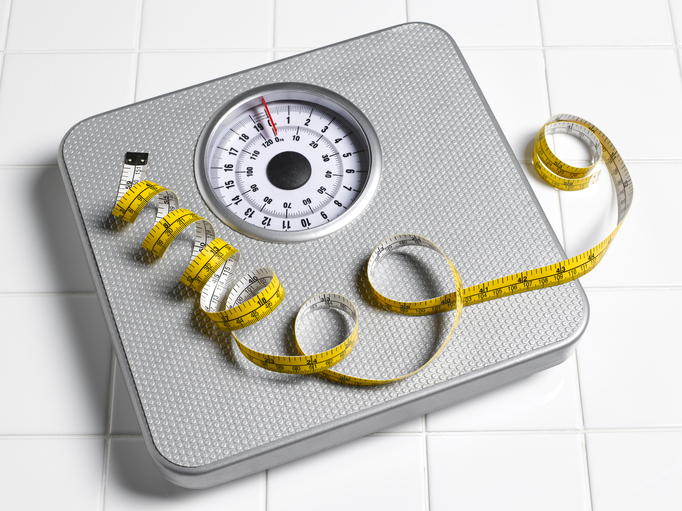
In the GLP-1 era, the scale’s inability to differentiate between "good" weight loss and "bad" weight loss has become a liability. A patient who maintains their weight while increasing muscle and decreasing fat is a clinical success, yet the scale would label them a failure. Conversely, a patient losing weight primarily from their muscle stores would be celebrated by traditional metrics despite their deteriorating health.
Clinicians are now calling for a "body recomposition" model of success, where the goal is not the lowest possible number on the scale, but the optimal ratio of lean mass to fat mass. To achieve this, the medical industry must pivot toward more sophisticated diagnostic tools that provide a granular view of the human body.
The Shift Toward DEXA: The New Gold Standard in Body Composition
As the limitations of smart scales and BMI become more apparent, medical-grade imaging technology is stepping into the void. Dual-Energy X-ray Absorptiometry (DEXA) scans, traditionally used to diagnose osteoporosis, are emerging as the essential tool for monitoring patients on GLP-1 therapy.
Unlike a standard scale, a DEXA scan provides a three-compartment model of the body, measuring bone mineral content, fat mass, and lean soft tissue. This technology offers several critical metrics that are vital for managing weight loss patients:
- Appendicular Lean Mass Index (ALMI): This measures the amount of muscle in the limbs relative to height. It is the clinical standard for diagnosing sarcopenia and assessing functional strength.
- Visceral Adipose Tissue (VAT): DEXA can quantify the deep abdominal fat that surrounds internal organs. Reducing VAT is a primary goal for improving cardiometabolic health.
- Symmetry and Distribution: DEXA allows clinicians to see where fat is being lost and where muscle is being maintained, providing a map for targeted physical therapy or exercise interventions.
By utilizing regular DEXA measurements, physicians can move beyond guesswork. If a scan reveals that a patient is losing muscle at an unsustainable rate, the care plan can be adjusted in real-time. This might involve increasing protein intake, prescribing resistance training, slowing the dose escalation of the GLP-1 medication, or referring the patient to physical therapy.
Official Responses and Clinical Adjustments
The medical community is beginning to react to these findings. Professional organizations specializing in obesity and endocrinology are increasingly emphasizing the importance of "muscle-sparing" weight loss. Emerging clinical guidelines suggest that GLP-1 prescriptions should be accompanied by mandatory nutritional counseling and strength-training protocols.
Pharmaceutical companies are also taking note. Several biotech firms are currently investigating "add-on" therapies—such as myostatin inhibitors—that could be taken alongside GLP-1s to prevent muscle wasting. The goal of the next generation of weight loss drugs will likely be the selective targeting of fat tissue while leaving muscle mass untouched.
In the interim, practicing physicians are being urged to treat muscle as a vital organ. The consensus among longevity experts is that the success of a weight loss intervention should be measured by its impact on "healthspan"—the period of life spent in good health—rather than just the reduction of body volume.
Broader Impact and the Future of Obesity Care
The rise of GLP-1s represents a paradigm shift in public health, but it also demands a paradigm shift in how we monitor patient progress. If the healthcare system fails to integrate body composition monitoring into standard care, the long-term economic and social costs could be staggering. An aging population that is "thin but frail" will require significant resources for the management of falls, fractures, and long-term disability.
The definition of success in obesity treatment is being rewritten. It is no longer enough to be smaller; patients must also be stronger and more resilient. This requires a move away from the "willpower" narrative of the past and the "scale-only" narrative of the present.
As DEXA scans and other medical-grade imaging become more accessible and widespread, they will provide the data necessary to deliver high-quality, patient-centered care. The GLP-1 era has provided medicine with a powerful tool to combat the obesity epidemic. However, the responsible use of that tool requires a commitment to measuring what truly matters: the preservation of human function and the promotion of metabolic resilience. The path forward lies in recognizing that not all weight loss is created equal, and the real victory in healthcare is found in the balance between losing what is harmful and keeping what is essential.

