
In the crowded digital landscape, many bloggers meticulously craft content, optimize for search engines, and master their publishing platforms, yet struggle to achieve significant traction. The missing ingredient, often the differentiator between fleeting attention and lasting engagement, is personality. This article delves into how ten prominent bloggers infuse their online presence with unique characteristics, transforming their blogs from mere information repositories into compelling platforms that resonate deeply with their readers.
The Power of Personality in Content Creation
The digital age has democratized content creation, leading to an explosion of blogs covering virtually every conceivable topic. While technical proficiency in writing and SEO is crucial, it is the human element – the authentic voice, the distinct perspective, and the relatable narrative – that truly captivates an audience. A blog that lacks personality, however well-researched or technically sound, risks becoming indistinguishable from the masses, failing to foster the loyalty and connection that drive sustained readership and influence.
The challenge for many bloggers lies in translating their individual essence into their online persona. This is not about superficial embellishments, but about authentically reflecting who they are and what they stand for. The following case studies illustrate diverse yet effective strategies for embedding personality into a blog, offering valuable lessons for any content creator aiming to build a more impactful and memorable brand.
Illustrative Strategies from Leading Bloggers
1. YTravel Blog: The Visual Storytelling of Caz and Craig
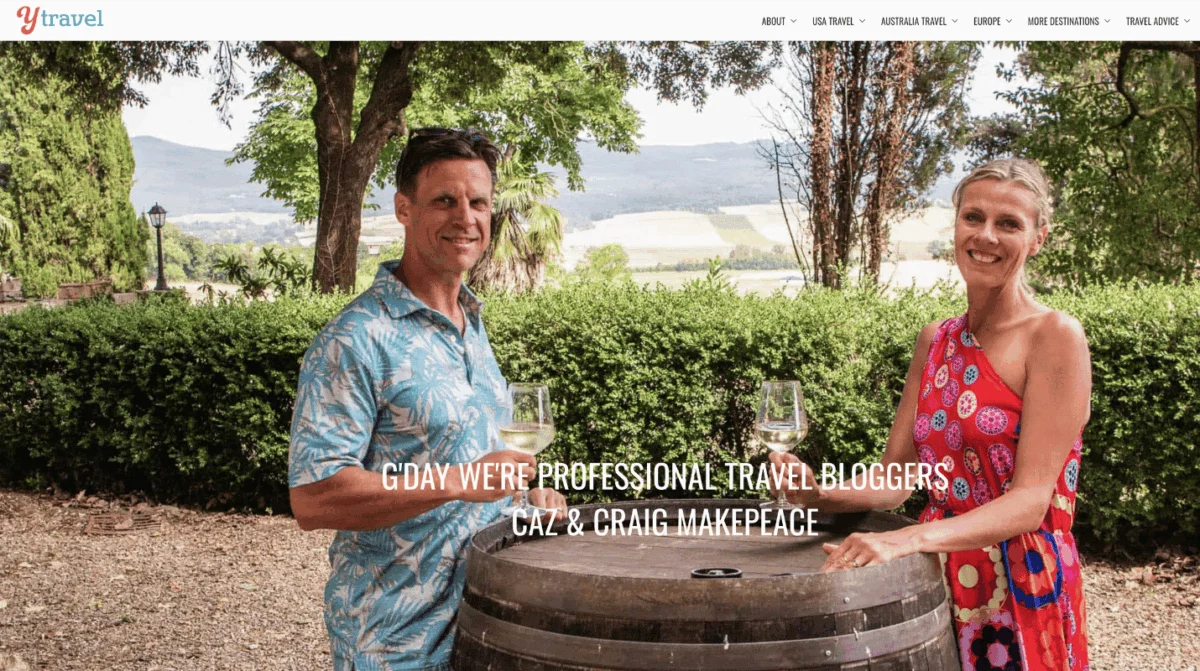
For travel bloggers Caz and Craig of YTravel, visual content is paramount. Their blog, dedicated to family travel, thrives on high-quality photography that not only showcases destinations but also captures the joy and experiences of their family adventures. Their approach goes beyond mere documentation; they weave personal narratives through their images. Whether it’s candid snapshots of their children experiencing new cultures or more posed family portraits against iconic backdrops, their photographs inject warmth and relatability into their travelogues.

For instance, in their post "17 Tips for Flying With Kids to Keep You Calm and Happy," the inclusion of genuine, unscripted family moments visually reinforces the practical advice offered. Similarly, "Getting Settled in the USA + Where to Next" features images that convey a sense of exploration and familial connection. This visual strategy is particularly effective for niche blogs where shared experiences and aspirational lifestyles are key drivers of engagement. Data suggests that posts with compelling imagery receive significantly higher engagement rates. A study by Skyword found that articles with relevant images received 94% more views than those without.
2. Smart Passive Income: Pat Flynn’s Engaging and Quirky Brand
Pat Flynn, the driving force behind Smart Passive Income, exemplifies how a distinctive tone and personality can define a brand. From the moment a visitor lands on his site, they are greeted with a bold declaration of his identity – "father, husband, serial entrepreneur" – and a touch of lighthearted humor, such as his self-proclaimed title as "protector of baby yoda." This immediate introduction establishes a friendly, approachable, and somewhat unconventional persona.

Flynn’s blog design and content reflect this personality. His use of vibrant colors, engaging graphics, and a conversational writing style create an inviting atmosphere. He doesn’t shy away from sharing personal anecdotes and challenges, which fosters a sense of authenticity and trust. This approach has cultivated a loyal community that values his transparency and relatable journey in online business. The consistency in his messaging and branding across all his platforms further solidifies his unique identity, making him instantly recognizable to his audience.
3. Shannon Kelly White: Embracing a Bold and Unapologetic Voice
Shannon Kelly White’s blog operates on the principle that strong opinions and a distinct voice, even if polarizing, can be a powerful tool for connection. Her willingness to use explicit language, as noted in her tagline and navigation, immediately signals her unfiltered approach. This strategy, while not suitable for every brand, effectively attracts a specific demographic that appreciates directness and authenticity, even if it involves profanity.

Her unapologetic tone creates a clear differentiator in a space often characterized by more reserved communication. For readers who resonate with her style, it fosters a strong sense of camaraderie and loyalty. This approach highlights the importance of understanding one’s target audience and embracing a communication style that authentically reflects the blogger’s personality and values. While controversial, this strategy demonstrates that sometimes, alienating a portion of the audience can be a deliberate choice to strengthen the connection with the intended readership.
4. Blog Tyrant: Ramsey’s Iconic Visual Identity
Ramsey, the creator of Blog Tyrant, has established a memorable brand through the consistent use of a custom illustration: a blogging superhero in a red shirt. This avatar appears prominently in the site’s banner and is frequently used in featured images for his posts. This visual element serves as an instant identifier, making his content instantly recognizable across the web.

The "superhero" motif aligns with the blog’s focus on empowering readers to become successful bloggers. This consistent visual branding not only enhances recognition but also reinforces the blog’s core message and value proposition. Custom illustrations, as demonstrated by Ramsey, can be a highly effective way to personalize a blog, offering a unique visual signature that sets it apart from competitors relying on generic stock imagery.
5. A Beautiful Mess: The ‘About Page’ as a Personal Gateway
Elsie and Emma, the sister duo behind A Beautiful Mess, understand the critical role of the "About Page" in building reader connections. Recognizing that new visitors often seek to understand the person behind the content, they have crafted an About page that is both informative and aesthetically aligned with their brand.

Their page features a vibrant, high-quality photograph of the sisters and a concise, engaging introduction that quickly conveys their passion and purpose. This personal gateway allows readers to quickly grasp who they are, what they offer, and why they should care. The stylish presentation reinforces their brand identity as creative and approachable. This focus on a well-executed About page is a strategic move, ensuring that first-time visitors feel an immediate connection and are encouraged to explore further.
6. Chris Ducker: Seamless Cross-Platform Branding Consistency
Chris Ducker exemplifies the power of consistent branding across all online touchpoints. He utilizes the same professional headshots on his blog posts, his About page, and his social media profiles (Twitter, Facebook, LinkedIn). This visual uniformity creates an immediate sense of recognition and professionalism.

By maintaining a consistent visual identity, Ducker ensures that his audience can easily identify his content regardless of the platform. This creates a cohesive brand experience, fostering trust and familiarity. Such consistency is crucial in today’s multi-platform digital environment, where readers often encounter content through various channels.
7. Jadah Sellner: Leveraging Color to Enhance Brand Identity
Jadah Sellner’s blog demonstrates the impactful role of color in personalizing a brand. Upon visiting her site, users are immediately drawn to a cohesive and appealing color scheme. The colors used in her clothing, which often feature in her blog imagery, are intentionally selected to complement the overall website design.

This deliberate use of color creates a harmonious and memorable aesthetic. It evokes a specific mood and reinforces her brand identity, which appears to lean towards warmth and natural beauty, reminiscent of earthy makeup palettes. Color psychology plays a significant role in brand perception, and Sellner’s strategic application of it effectively personalizes her online presence, making it instantly recognizable and emotionally resonant.
8. SuperFastBusiness: James Schramko’s Direct Brand Statement
James Schramko, the voice behind SuperFastBusiness, employs a direct and impactful brand statement on his website. The initial prominent display of his business coaching services and the specific audience they serve immediately clarifies his niche and value proposition.

This upfront declaration ensures that visitors understand precisely what his blog is about and who it is intended for. Such clarity is essential for attracting and retaining the right audience. By clearly defining his target market and the solutions he offers, Schramko effectively personalizes his blog by speaking directly to the needs and aspirations of his ideal readers, setting expectations and fostering immediate relevance.
9. Kelly Exeter: The Power of a Clear Tagline and Call to Action
Kelly Exeter’s blog highlights the effectiveness of a concise and direct tagline that clearly articulates her role and target audience. Her approach, encapsulated as: "(Your name) is a (what you do) who helps (your ideal reader)… (do what you offer)," provides an immediate understanding of her services.

Furthermore, Exeter emphasizes the importance of a strong call to action (CTA). She advocates for making it easy for readers to take the next step, suggesting direct buttons like "FIND OUT HERE" rather than complex email subscription processes. This no-nonsense approach streamlines the reader’s journey, demonstrating a clear understanding of user intent and prioritizing conversion. This directness fosters trust and efficiency, personalizing the experience by respecting the reader’s time and intent.
10. Puttylike: Defining and Engaging the "Multipotentialite" Audience
Emily, the creator of Puttylike, has masterfully personalized her blog by identifying and catering to a specific audience: "Multipotentialites." Her TED Talk on this topic and her blog’s focus have helped to define and popularize this identity.

A key strategy employed on her homepage is a quiz, "Are You a Multipotentialite?", which serves as a powerful lead magnet. This interactive element not only helps visitors self-identify with her concept but also converts them into engaged readers and subscribers. By creating a niche identity and providing tools for self-discovery within that niche, Emily fosters a strong sense of belonging and loyalty among her audience, demonstrating a profound understanding of her readers’ needs and aspirations.
Broader Implications for the Blogging Landscape
The success of these bloggers underscores a fundamental shift in online content consumption. Readers are no longer satisfied with generic information; they seek connection, authenticity, and a sense of belonging. The strategies employed by these individuals – from visual storytelling and distinctive tones to consistent branding and audience-specific definitions – offer a roadmap for any blogger aiming to cultivate a more engaged and loyal readership.
The data consistently shows that personalized content drives higher engagement. For instance, a report by HubSpot indicated that personalized calls-to-action convert 20% better than non-personalized ones. Similarly, studies by Neil Patel have highlighted that blogs with a strong personal brand tend to attract more traffic and generate higher conversion rates. In an era saturated with content, personality is not just an optional add-on; it is a strategic imperative for building a thriving online presence and forging lasting relationships with an audience. The future of blogging belongs to those who can authentically share their voice and connect with their readers on a deeply personal level.

