

The e-commerce landscape is in constant flux, driven by technological advancements and evolving consumer expectations. This past week has seen a significant surge in new services and platform updates aimed at empowering merchants to navigate this dynamic environment. From sophisticated AI-driven marketing tools and autonomous commerce agents to streamlined cross-border payment solutions and robust sales tax compliance platforms, businesses are being equipped with an expanded arsenal to enhance efficiency, reach new markets, and deepen customer engagement.
The recent wave of product releases underscores a pivotal shift towards intelligent automation and personalized commerce experiences. Merchants are no longer just seeking tools to manage their operations; they are looking for intelligent partners that can proactively identify opportunities, optimize processes, and drive tangible results. This evolution is particularly evident in the growing prominence of "agentic" AI, which moves beyond simple task automation to perform complex decision-making and execute actions on behalf of the merchant.
AI and Agentic Capabilities Take Center Stage
Artificial intelligence continues to be a dominant force shaping the future of e-commerce, with numerous platforms now integrating AI-powered features designed to simplify and enhance various aspects of merchant operations. Lightspeed Commerce, a prominent player in the point-of-sale and payment solutions sector, has announced the introduction of new "agentic capabilities" within its platform. This advancement signifies a move beyond basic AI functionalities, enabling Lightspeed AI to not only analyze a retailer’s catalog, inventory, sales, and purchasing data but also to proactively recommend actionable steps. The system is designed to prepare these actions for the retailer’s review and approval, streamlining decision-making processes within a conversational interface. This opt-in beta program for select customers signals a significant step towards more intelligent and autonomous retail management.

Complementing this trend, Marklo has secured $5 million in seed funding to launch its agentic marketing platform specifically for Shopify brands. The platform aims to provide a comprehensive solution that understands business operations, identifies revenue-generating opportunities, and proposes marketing campaigns for review. By analyzing sales, inventory, and calendar data weekly, Marklo delivers proposed campaigns and reports directly to marketers via Slack or email, aiming to automate much of the strategic planning and execution in marketing.
Miracly, a new AI-focused marketing platform, has also garnered significant attention, raising $2.42 million in pre-seed funding. Initially focused on analytics and content generation to help businesses refine how AI tools describe their brands, Miracly is expanding into a comprehensive platform that incorporates performance marketing, public relations, and analytics. At its core is Mira, Miracly’s proprietary marketing agent, highlighting the increasing reliance on AI agents for multifaceted marketing strategies.
ShopBack has launched SparkHub, an AI-powered creator tool designed to bridge the gap between influencer content and trackable sales. This platform aims to empower brands to collaborate effectively with creators, particularly targeting Gen Z and college-age shoppers. SparkHub facilitates the entire campaign process, from brief to post-campaign analysis, allowing brands to discover creators, approve content, and monitor sales generated through dedicated ShopBack links. This initiative reflects the growing importance of social commerce and the need for robust tools to measure its impact.
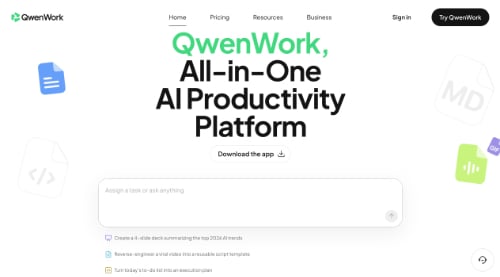
Further illustrating the widespread adoption of agentic AI, Alibaba’s QwenWork has unveiled an invite-only beta for QwenWork E-Commerce in China. This AI productivity tool aims to boost efficiency for merchants by applying agentic AI across the entire workflow, from planning and marketing to content creation and cross-platform advertising. The ability to manage stores across multiple platforms with a single click through its E-Commerce Operations mode signifies a significant leap in operational efficiency for Chinese merchants.

Siteimprove is also advancing its agentic content intelligence platform with new features designed to streamline content compliance and accessibility. The introduction of CMS Remediation Agent and PDF Policies, along with expansions to its PDF Remediation Agent and Conversational Analytics Agent, allows for direct fixing of accessibility issues within popular CMS platforms like WordPress and Drupal. This move aims to ensure PDFs meet the same accessibility standards as web pages and allows for natural language configuration of analytics, making complex tasks more manageable for content teams.
Finally, Loops has raised $3.5 million in seed funding to develop an "AI operating system" for commerce. This platform is designed to understand shopper goals, surface relevant products, and guide purchasing decisions without requiring merchants to integrate multiple AI solutions. The funding will be used to scale its AI platform, enhance customer deployment capabilities, and support international expansion, positioning Loops as a key player in the future of integrated AI commerce solutions.
Streamlining Cross-Border and International Commerce
The global nature of e-commerce necessitates robust solutions for international transactions and market expansion. Fiserv has launched Commerce Hub, a comprehensive platform designed to orchestrate and simplify cross-border commerce. This single integration point for onboarding, APIs, reporting, and operational controls aims to streamline Fiserv’s merchant services globally. Merchants can leverage Commerce Hub for local payment methods, settlement options, integrated payment optimization, fraud protection, and support for emerging payment methods, a critical development for businesses looking to expand their international reach efficiently.
Mastercard, in collaboration with BVNK, has introduced the Mastercard Global Money Platform. This innovative service integrates traditional currencies and stablecoins through a single API, combining Mastercard’s extensive payment network with BVNK’s stablecoin technology. The platform simplifies access to and management of diverse forms of money across international payment systems, supporting multi-currency accounts, real-time foreign exchange conversions, stablecoin-linked payment cards, and local bank transfers via Mastercard Move. This initiative is particularly significant as it signals a growing acceptance and integration of digital currencies within mainstream financial infrastructure, potentially reducing transaction costs and settlement times for global businesses.
In a move to expand market access for retailers, EasyShop has launched a multi-category marketplace across 21 European countries. Unlike traditional retail-led marketplaces, EasyShop operates as a platform that connects retailers directly with consumers without holding inventory or selling its own products. This model ensures that every sale generated on the platform directly benefits the participating retailer. Retailers can access shoppers in 21 markets through a single account, with automatic VAT calculation simplifying compliance. This expansion, powered by OnCommerce, offers a significant opportunity for European retailers to broaden their customer base and streamline international sales.
TopDawg has enhanced its multichannel distribution hub, specifically targeting U.S. suppliers. This platform is designed to help suppliers, manufacturers, wholesalers, and brands expand their reach across various online retail and e-commerce sales channels through a centralized system. The TopDawg Supplier Portal allows for the management of wholesale product catalogs, inventory synchronization, order processing, and access to new distribution opportunities, all while offering free supplier registration and participation in their retailer distribution network. This initiative aims to democratize access to multichannel sales for U.S.-based suppliers.
Enhancing Discovery, Returns, and Sales Tax Compliance
Improving product discovery and managing customer returns are critical for both customer satisfaction and operational efficiency. Algolia has launched a native Shopify B2B integration, bringing account-specific search and discovery to wholesale retail. This allows retailers, brands, wholesalers, and distributors on Shopify B2B to offer personalized search experiences. When a business buyer logs in, Algolia’s search results will dynamically display only the products authorized for their company, at negotiated prices, and subject to their specific quantity rules, significantly improving the wholesale purchasing experience.
Appriss Retail has released Engage Insights, a new analytics tool designed to provide retailers with a consolidated view of cross-channel returns and claims data. This platform aims to replace fragmented reporting with a unified dashboard that covers returns across channels, customers, product SKUs, and associates. By consolidating this information, Engage Insights helps teams investigate fraud and abuse, align on strategies to reduce loss, and gain insights into return trends from an organizational level down to individual consumer behavior. This comprehensive approach to returns management is crucial for mitigating financial losses and improving customer retention.

In the realm of sales tax compliance, FinStackk has launched SalesTaxx, an end-to-end platform for U.S. businesses. SalesTaxx provides clarity on which states a business owes tax to, the amounts due, and filing deadlines. The platform offers alerts for approaching state thresholds and ensures that every figure is traceable to the company’s accounting records, thereby eliminating surprises during tax filing. SalesTaxx integrates with popular accounting software such as QuickBooks, Xero, and Zoho Books, as well as e-commerce platforms like Stripe and Shopify, and supports data uploads via Excel and CSV, aiming to simplify complex tax obligations.
Evolving Payment and Shopping Experiences
Google has rolled out its Universal Cart feature across Google Search and the Gemini app in the U.S. This intelligent shopping cart, built on Google’s extensive Shopping Graph of over 60 billion product listings, aims to enhance the online shopping journey. The Universal Cart can send notifications about price drops or product availability and understands card perks to assist shoppers in selecting payment methods. Users can complete purchases directly through Google Pay or transfer items to a merchant’s own cart, representing a significant step towards a more unified and intelligent shopping ecosystem.
Oracle NetSuite has introduced QuickStart, a free AI-first financial platform designed for early-stage technology startups. This platform aims to help founders establish a strong financial foundation quickly by automating key financial processes such as accounting, banking, accounts receivable, accounts payable, and subscription management through embedded AI and AI agents. This offering lowers the barrier to entry for new businesses, providing them with essential financial tools from the outset.
Square has unveiled its new Kiosk, a self-service platform for restaurants that features an agentic voice layer. This innovative solution combines AI-powered software, voice capabilities, and a large touch display to reimagine the customer ordering experience. The conversational voice layer is designed to understand menus and respond in real-time, offering a more intuitive and efficient self-service option. Square is also introducing new capabilities to facilitate easier operational management for fast-food franchises across multiple locations.
The collective release of these new services and platform updates signals a robust period of innovation in the e-commerce sector. Merchants are being presented with increasingly sophisticated tools that leverage AI, automation, and global connectivity to drive growth, enhance efficiency, and deliver superior customer experiences. As these technologies mature, their impact on how businesses operate and how consumers shop is expected to be profound, shaping the future of retail on a global scale.

