
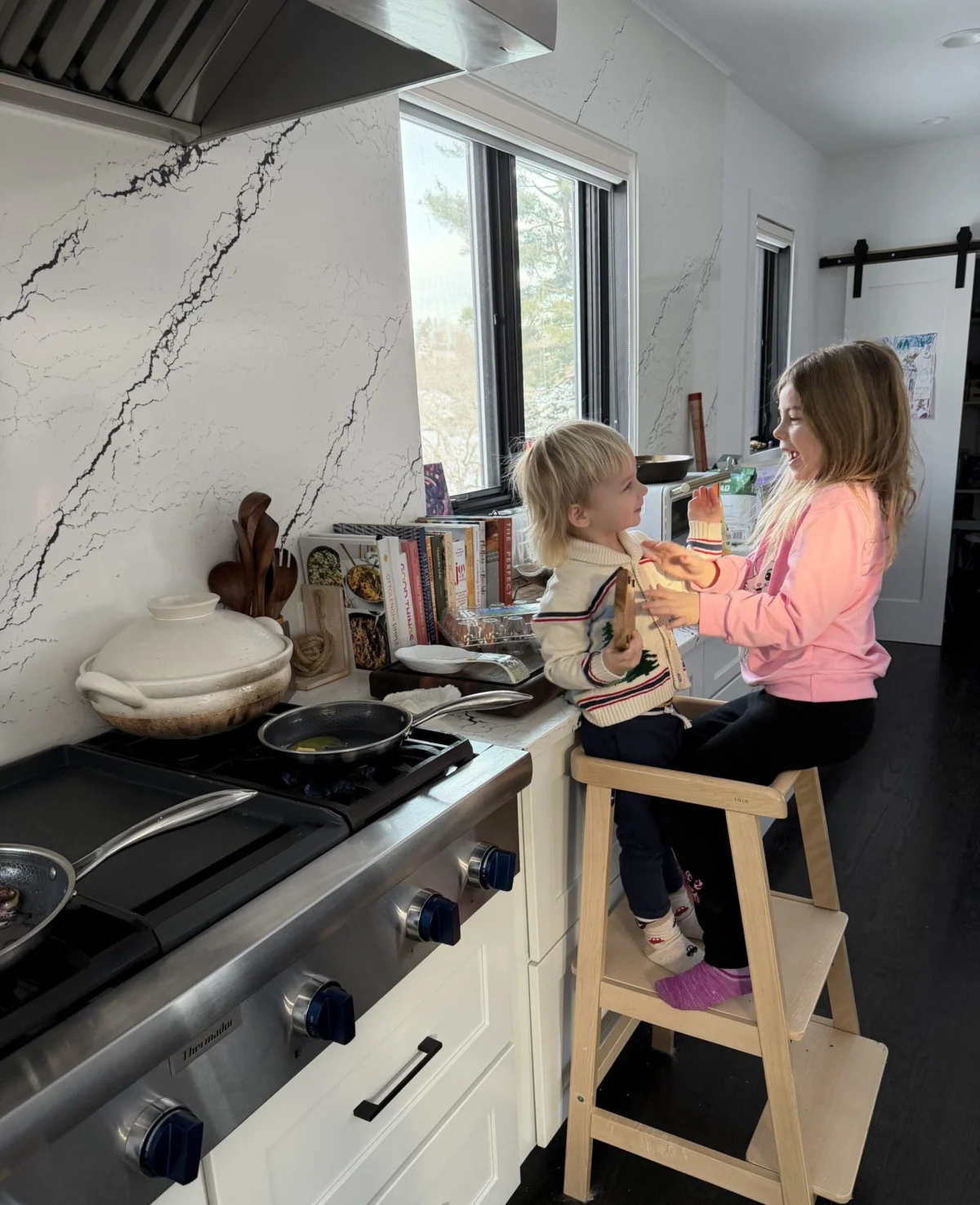
The act of preparing meals within the family kitchen, long considered a mundane domestic chore, is increasingly being recognized by child development experts, nutritionists, and educators as a powerful catalyst for fostering essential life skills, strengthening family bonds, and cultivating healthy habits in children. Far from merely a means to an end, engaging children in culinary activities from an early age offers a rich, multi-sensory learning environment that contributes significantly to their cognitive, emotional, and social development. This approach transforms everyday meal preparation into an invaluable educational experience, demonstrating benefits that extend far beyond the dinner table.
The Evolving Landscape of Family Mealtime and the Return to the Kitchen
Historically, children often played a role in household chores, including food preparation, as part of their upbringing. However, the latter half of the 20th century saw a significant shift, driven by factors such as increased parental work hours, the rise of convenience foods, and a cultural emphasis on structured extracurricular activities. Family meal preparation became more efficient, often at the expense of child involvement. In recent decades, however, there has been a growing movement advocating for a return to the kitchen as a shared family space. This resurgence is fueled by concerns over childhood nutrition, increasing screen time, and a desire to foster deeper family connections in a fast-paced world. Organizations dedicated to family wellness and child development have begun to highlight empirical evidence suggesting that children who regularly participate in meal preparation tend to exhibit better eating habits, improved academic performance in subjects like math and science, and enhanced self-esteem.
Fostering Communication and Connection Through Shared Culinary Experiences
One of the most immediate and profound benefits of involving children in cooking is the creation of natural, unstructured quality time. Unlike scheduled activities or formal lessons, the kitchen provides a relaxed backdrop for spontaneous conversation and connection. As children stand alongside a parent or caregiver, perhaps on a step stool to reach the counter, the shared task of measuring ingredients, stirring a pot, or kneading dough naturally opens avenues for dialogue. Child psychologists emphasize that these unpressured moments are crucial for strengthening parent-child bonds and fostering open communication. For instance, a 2022 study published in the Journal of Family Psychology indicated that families who engaged in regular shared activities, including cooking, reported higher levels of perceived closeness and more effective communication strategies compared to those with less shared engagement. In such settings, discussions often drift from daily school events to burgeoning ideas, humorous anecdotes, or even deeper emotional sharing, all within an environment free from the distractions of screens or external pressures. The focus shifts from achieving culinary perfection to the collaborative process itself, allowing for an atmosphere of joy, laughter, and even impromptu song and dance, as noted by observers like sports anchor Laura Rutledge, who frequently shares her own experiences of these chaotic yet cherished moments with her children, Reese and Jack. This emphasis on process over product is key to creating a truly relaxed and bonding experience.
Cultivating Healthy Eating Habits and Overcoming Picky Eaters
A persistent challenge for many parents is encouraging children to try new foods, particularly vegetables. The phenomenon of "picky eating" is well-documented, often leading to mealtime power struggles and nutritional concerns. Research consistently demonstrates that children are significantly more inclined to eat foods they have helped prepare. This principle, often referred to as the "ownership effect," applies powerfully in the culinary context. When children are actively involved in selecting ingredients, washing produce, stirring sauces, or sprinkling cheese, they develop a sense of investment and pride in the final dish. A meta-analysis of studies on childhood nutrition, published in the American Journal of Clinical Nutrition in 2023, found that participatory cooking programs for children led to a statistically significant increase in the consumption of fruits and vegetables. For a preschooler, the act of carefully pouring pasta into a pot or adding spices transforms an otherwise unappealing ingredient into a personal creation, dramatically increasing their willingness to taste and enjoy it. This hands-on involvement demystifies food, allowing children to interact with textures, smells, and colors before the pressure of consumption, thereby reducing apprehension and fostering a more adventurous palate. Providing age-appropriate tasks, even seemingly simple ones, imbues children with a sense of contribution that directly translates into greater enthusiasm for eating what they’ve helped create.
Building Essential Life Skills: Cognitive, Motor, and Executive Function Development
The kitchen serves as a dynamic, practical classroom where children acquire a wide array of vital life skills, often without conscious effort. From a cognitive perspective, cooking inherently involves mathematical concepts: measuring ingredients (fractions, volume), counting (eggs, scoops), and understanding proportions. Following a recipe develops sequencing abilities, logical thinking, and problem-solving skills, all crucial components of executive function. A 2021 report by the National Association for the Education of Young Children highlighted that practical, hands-on activities like cooking are superior to abstract learning for developing early mathematical and scientific understanding in young children.
Beyond cognitive development, cooking refines fine motor skills. Tasks such as stirring, pouring, kneading, chopping (with kid-safe tools), and cracking eggs require precision, hand-eye coordination, and dexterity. For example, learning to crack an egg without crumbling the shell into the bowl teaches gentleness and control, skills that translate to other areas of life. Children also develop sensory awareness, learning about different textures, aromas, and the transformative properties of ingredients under heat or pressure. Furthermore, engaging in a shared task instills a sense of responsibility and teamwork. They learn about cleanliness and hygiene (washing hands, wiping surfaces), safety precautions (hot surfaces, sharp tools), and the importance of following instructions. Equipping the kitchen with appropriate, kid-safe tools—such as nylon knives, sturdy mixing bowls with handles, and reliable step stools—significantly enhances safety and accessibility, allowing children to contribute meaningfully and build confidence in their capabilities.
Promoting Mindfulness and Patience in a Fast-Paced World
In an era defined by rapid information flow and constant demands, the act of cooking with children offers a valuable opportunity for parents to slow down and practice mindfulness. For individuals accustomed to high-pressure, fast-paced professional environments, such as those in broadcast journalism, the kitchen with children can become a deliberate counterpoint to their usual rhythm. One cannot rush a toddler meticulously spooning tomato sauce into a pot one tiny spoonful at a time. This forced deceleration, while sometimes challenging, is often described by parents as profoundly beneficial. It shifts focus from external pressures—deadlines, emails, future segments—to the immediate moment. Celebrating small victories, such as a child remembering to "stir slowly" or mastering a new food, anchors parents and children in the present. This deliberate slowing down fosters patience, not just in the child learning a new skill, but also in the parent guiding them. Psychologists suggest that engaging in such focused, shared activities can reduce parental stress and enhance emotional regulation for both adults and children. These moments become cherished memories, documented not just in photographs but in the quiet joy of shared accomplishment and unhurried togetherness, providing a vital antidote to the relentless pace of modern life.
Empowering Young Contributors: Building Confidence and Self-Esteem
Perhaps one of the most impactful outcomes of involving children in cooking is the profound sense of importance and contribution they gain. When a child carefully slices fruit for a salad or enthusiastically squeezes tomatoes for a sauce, they are not merely playing; they are genuinely assisting in the creation of a meal that will nourish their family. This tangible contribution fosters a robust sense of self-efficacy and pride. Unlike pretend play, which is valuable in its own right, real responsibilities in the kitchen provide concrete evidence of their capabilities. The beaming smile of a child who has prepared slightly overcooked scrambled eggs, knowing they are the result of their own effort, is a testament to the power of this empowerment.
Giving children ownership over specific tasks, even if the execution isn’t "perfect" by adult standards, is critical for building confidence. It teaches them that their efforts are valued and that they are competent members of the family unit. This goes beyond simple participation; it involves trusting them with a task and allowing them to see it through, even if it means accepting minor imperfections in the final product. This trust and responsibility are foundational to developing self-esteem, initiative, and a willingness to tackle new challenges in various aspects of their lives. The kitchen, therefore, becomes a primary laboratory for cultivating confident, responsible, and capable individuals ready to contribute meaningfully to their family and, eventually, to the broader community.
Long-Term Impact and Broader Implications
The benefits of family cooking extend far beyond childhood. Children who regularly cook with their families are more likely to develop a positive relationship with food, make healthier dietary choices as adults, and possess the practical skills necessary for independent living. This contributes to better public health outcomes, potentially reducing rates of diet-related illnesses. Furthermore, the emphasis on collaboration and communication within the kitchen strengthens family cohesion, which is a protective factor against various societal challenges, including mental health issues and behavioral problems in adolescents. By teaching children to understand where their food comes from, how it’s prepared, and the effort involved, family cooking also fosters an appreciation for sustainable food practices and reduces food waste.
In conclusion, the seemingly simple act of inviting children into the kitchen for meal preparation is a multifaceted educational strategy with far-reaching positive implications. It is a powerful tool for fostering natural communication, nurturing healthy eating habits, developing essential cognitive and motor skills, promoting mindfulness, and building robust self-esteem. As modern families navigate the complexities of contemporary life, embracing the shared culinary journey offers a joyful, effective, and profoundly enriching path to holistic child development and stronger family bonds.

