
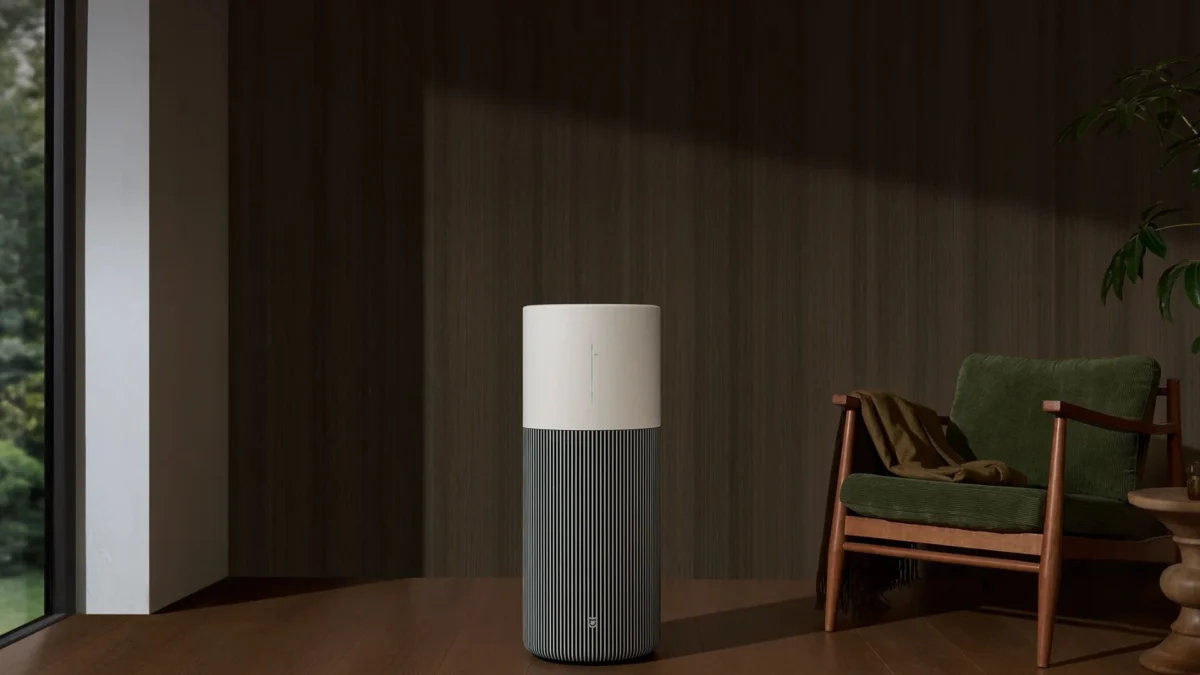
Xiaomi is poised to reshape the landscape of indoor air quality solutions with the introduction of its latest smart home appliance, a device that seamlessly integrates both air purification and humidification capabilities. This dual-purpose functionality addresses a growing consumer demand for multi-faceted home comfort and health technologies, moving beyond the limitations of single-function purifiers. While specific release dates and regional availability remain under wraps, the company’s initial crowdfunding campaign in China, which offered the unit at approximately $255 USD, signals a strategic push to broaden its smart home ecosystem’s reach beyond its domestic market. Industry observers anticipate a higher retail price point in Western markets like Europe and North America, reflecting import costs and localized market strategies. The global listing of the product suggests Xiaomi is actively preparing for a wider international rollout in the coming months, with official pricing and market confirmations expected to follow.
The Integrated Approach: Addressing Year-Round Air Quality Needs
The core innovation of Xiaomi’s new appliance lies in its simultaneous purification and humidification functions. This combination is particularly significant as most standalone air purifiers focus solely on filtration, leaving users to manage humidity levels with separate devices. The need for active humidification is most pronounced during winter months when indoor heating systems tend to drastically reduce relative humidity. Dry indoor air can lead to a range of discomforts, including irritated respiratory passages, dry skin, and increased susceptibility to colds and flu. However, the impact of low humidity is not limited to winter. Air conditioning systems, particularly in warmer climates or during humid seasons, can also strip moisture from the air, creating a similar need for humidification. This year-round utility positions the Xiaomi device as a comprehensive solution for maintaining optimal indoor air conditions regardless of the season or external climate.
Performance Metrics: A Closer Look at Purification Prowess
Xiaomi has released detailed specifications for the unit’s purification capabilities, highlighting its efficiency in tackling airborne contaminants. The device boasts a particulate clean air delivery rate (CADR) of up to 422 cubic meters per hour. CADR is a standard metric used to measure the effectiveness of an air purifier, indicating how quickly it can clean a room of a specific volume of air. A CADR of 422 m³/h is generally considered robust for effectively purifying the air in mid-sized rooms, typically ranging from 20 to 40 square meters, depending on ceiling height and air exchange rates.
Beyond sheer speed, the purifier’s filtration efficacy is a key selling point. According to Xiaomi’s official specifications, the device is capable of removing 99.99% of fine particulate matter, including PM1, PM2.5, and PM10, within one hour. PM2.5 particles, in particular, are a significant health concern due to their small size, allowing them to penetrate deep into the lungs and even enter the bloodstream. These particles originate from sources such as vehicle exhaust, industrial emissions, and burning fuel. PM10 particles are larger but still pose health risks, often stemming from dust and pollen. The ability to effectively remove these pollutants is crucial for improving indoor air quality, especially in urban environments with higher levels of outdoor pollution that can infiltrate homes.
Furthermore, the purifier is designed to capture various airborne pathogens and allergens. These microscopic invaders, including bacteria, viruses, mold spores, and pollen, commonly enter homes attached to clothing, skin, and hair. For individuals suffering from allergies or respiratory sensitivities, the consistent removal of these triggers is paramount, particularly when windows are kept closed for extended periods to maintain purified air. This feature is especially relevant in an era where increased awareness of airborne transmission of illnesses has led to a greater emphasis on indoor air hygiene.
Design and User Experience: Quiet Operation and Compact Footprint
In addition to its functional performance, the physical design of the appliance has been engineered to integrate seamlessly into a modern home environment. Measuring 320 x 320 x 810 millimeters, its dimensions suggest a relatively vertical profile, potentially allowing for a smaller floor footprint compared to some wider, more traditional purifiers. This consideration is important for consumers with limited living space.
A notable aspect of its user experience is the inclusion of an ultra-quiet sleep mode. Rated at a mere 14.6 decibels, this sound level is exceptionally low. For context, a whisper is typically around 30 decibels. Operating at such a quiet level ensures that the device can run continuously overnight without disturbing sleep in most bedrooms, a critical factor for a device intended to improve overall well-being. This quiet operation is particularly impressive given the inclusion of a humidification system, which can sometimes introduce noise from water pumps or fans.
Addressing Hygiene Concerns: UV Sterilization for Humidification
A common concern associated with humidifiers is the potential for bacterial growth in standing water reservoirs. If not properly maintained, these tanks can become breeding grounds for microbes, which are then dispersed into the air, counteracting the health benefits of humidification. Xiaomi appears to have proactively addressed this hygiene issue by integrating UV sterilization into the humidification system. This feature, which uses ultraviolet light to kill bacteria and other microorganisms in the water, is not always present in humidifying purifiers, especially those in a similar price bracket. The inclusion of UV sterilization adds a layer of assurance regarding the cleanliness of the humidified air, making the dual-functionality more appealing to health-conscious consumers.
The Smart Home Evolution: Convergence of Appliances
The development of this combined air purifier and humidifier aligns with a broader trend observed within the smart home industry: the convergence of single-purpose appliances into unified, connected devices. Historically, consumers might have purchased separate units for air purification, humidification, and potentially even dehumidification. However, manufacturers are increasingly recognizing the value proposition of integrated solutions that offer multiple functionalities within a single, often smarter, device. This approach not only offers convenience and space-saving benefits but also allows for more sophisticated control and automation through a connected ecosystem. Consumers can manage different aspects of their home environment through a single app, creating personalized settings and schedules. This shift towards multi-functional smart devices reflects a maturing market that prioritizes efficiency, integration, and a streamlined user experience.
Market Entry and Future Outlook
While the product has been showcased and was available through an initial crowdfunding campaign in China, Xiaomi has yet to confirm specific release dates or its availability in international markets. The crowdfunding price of approximately $255 USD provides an indicative benchmark, but as previously noted, retail pricing in North America and Europe is likely to be adjusted upwards due to factors such as shipping, import duties, and regional marketing strategies.
The global listing of the product, however, strongly suggests that Xiaomi is committed to a broader international market entry. This expansion is part of a larger strategy by the company to solidify its position as a leading provider of smart home technology worldwide. As Xiaomi continues to refine its global distribution network and marketing approaches, further announcements regarding specific launch markets, pricing structures, and promotional activities are anticipated in the coming months. This strategic move positions Xiaomi to capitalize on the growing global demand for integrated and intelligent home environment solutions. The success of this dual-action appliance could set a new benchmark for the industry, encouraging competitors to follow suit in developing more comprehensive and user-centric air quality management systems. The ongoing evolution of indoor air quality technology, driven by companies like Xiaomi, promises a future where homes are not just comfortable but also healthier and more responsive to the needs of their occupants.

