
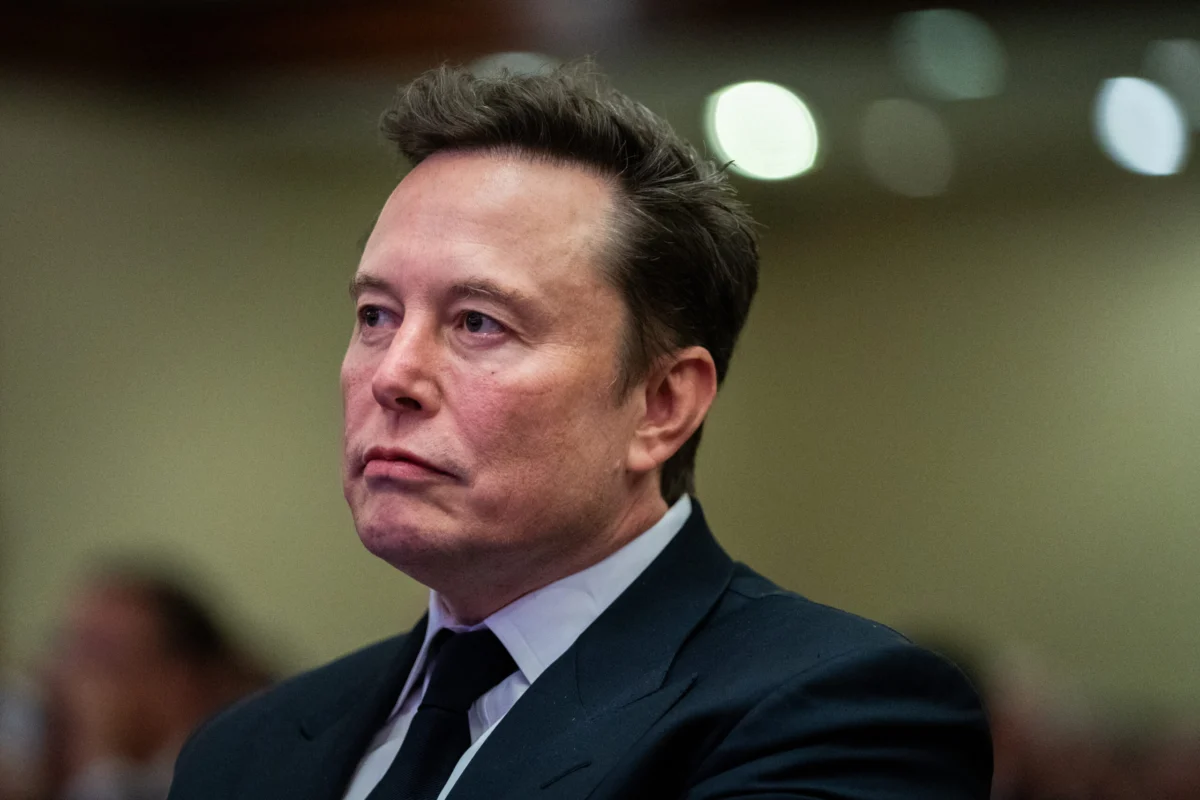
San Francisco, CA – X Corp., the social media platform owned by Elon Musk, and the World Federation of Advertisers (WFA), a leading global trade group representing advertisers, announced on Wednesday the settlement of their protracted legal dispute. This resolution marks the end of an aggressive attempt by X to hold advertisers legally accountable for withdrawing their spending due to escalating brand safety concerns, an issue that has plagued the platform since Musk’s acquisition in 2022. The joint statement from both organizations emphasized a mutual desire to "reset the relationship," a crucial step for X as it seeks to stabilize its advertising revenue and rebuild trust with major brands.
Background to the Advertiser Exodus
The genesis of this legal skirmish traces back to October 2022, when Elon Musk finalized his tumultuous $44 billion acquisition of Twitter, subsequently rebranding it as X. Musk’s takeover was accompanied by a declared vision of "free speech absolutism," which almost immediately translated into significant shifts in the platform’s content moderation policies and enforcement. Many long-standing content moderation teams were disbanded, and previously banned accounts were reinstated, leading to a palpable increase in hate speech, misinformation, and other harmful content on the platform, according to numerous independent monitoring groups and media watchdogs.
This dramatic pivot sent shockwaves through the advertising industry. Brands, acutely aware of the potential for reputational damage, became increasingly wary of their advertisements appearing alongside objectionable content. The concept of "brand safety," which refers to measures taken to protect a brand’s image and reputation from being associated with inappropriate or harmful content, became a paramount concern. Advertisers, whose investments fund the vast majority of social media platforms, felt compelled to act.
The WFA, through its Global Alliance for Responsible Media (GARM) initiative, played a central role in guiding advertisers on these issues. Established in 2019, GARM is a cross-industry initiative developed by the WFA, in partnership with the Association of National Advertisers (ANA) and the Interactive Advertising Bureau (IAB), bringing together advertisers, agencies, and media platforms to improve brand safety and promote responsible media environments. GARM developed frameworks and standards aimed at categorizing harmful content and guiding brands on where and how to place their ads safely.
Following Musk’s changes, a significant number of major advertisers, including household names like Mars, CVS Health, Shell, Lego, Apple, Disney, and IBM, either paused or substantially reduced their spending on X. Industry estimates at the time suggested X’s advertising revenue plummeted by more than 50% in the immediate aftermath of the acquisition and continued to face headwinds throughout 2023. This financial downturn was a direct consequence of brands prioritizing brand safety over platform reach, a decision they maintained was a fundamental right in managing their marketing budgets and protecting their corporate image.
The Progression of the Legal Battle
In response to the precipitous decline in advertising revenue, X adopted an aggressive legal posture. In August 2024, the platform filed a lawsuit against the WFA, alleging that the trade group was orchestrating a "systematic illegal boycott" of the platform. X contended that the WFA’s guidelines, particularly those disseminated through GARM, unfairly influenced advertisers to withdraw their spending, thereby harming X’s business. The lawsuit sought to establish that the collective action of advertisers, facilitated by the WFA, constituted an anti-competitive practice.
The WFA, supported by the broader advertising community, vehemently rejected these allegations. Their defense centered on the principle that brands maintain complete autonomy in deciding where and how to allocate their advertising dollars. They argued that their recommendations were not a boycott but rather a legitimate effort to uphold brand safety standards and protect consumers from harmful content, in line with their fiduciary duties to shareholders and ethical obligations to the public.
The legal proceedings saw a significant turn in March 2024, when a federal court dismissed X’s lawsuit. The judge ruled that X had failed to demonstrate sufficient harm under federal competition laws, indicating that the platform could not prove that the WFA’s actions constituted an illegal boycott rather than a legitimate response to perceived risks. Undeterred, X appealed the decision in April, signaling its continued determination to pursue the matter through the legal system. This appeal process, however, has now been rendered moot by the recent settlement.
Terms of the Settlement and GARM’s Discontinuation
The joint statement released by X and the WFA on Wednesday provided insight into the terms of the settlement. Crucially, it stated: "Today the World Federation of Advertisers (WFA) and X Corp. are putting the litigation involving the Global Alliance for Responsible Media (GARM) behind them. This resets the relationship between the two organizations."
Perhaps the most significant development outlined in the statement is the discontinuation of GARM. The statement read: "On August 9, 2024, WFA discontinued GARM. WFA will not form or restart GARM or a similar initiative." This move marks a notable shift in the landscape of industry-led brand safety initiatives. While the WFA reiterated its commitment to freedom of speech, a principle enshrined in its founding constitution from 1953 and shared with X, it also emphasized that "WFA and X are fully aligned in the view that brands, platforms, and consumers will all benefit from brand-safety innovation."
The discontinuation of GARM suggests a mutual understanding that while the specific framework may no longer exist, the underlying imperative for brand safety remains. It implies a potential shift from a collective, prescriptive guideline-driven approach to one that may involve more direct collaboration or platform-specific solutions for ensuring brand safety.
Advertiser Perspectives and Industry Standards
For advertisers, the WFA’s decision to discontinue GARM could be viewed with mixed feelings. While GARM provided a standardized, industry-wide framework for navigating the complexities of brand safety on digital platforms, its cessation might prompt individual brands to intensify their own internal brand safety protocols and engage more directly with platforms. However, the WFA’s commitment to brand safety innovation, alongside X, suggests that the dialogue will continue, albeit through different mechanisms.
The core concern for advertisers has always been the potential for brand damage. A 2023 survey by the ANA indicated that over 70% of marketers reported increased concerns about brand safety on social media platforms. The financial implications of appearing next to harmful content can be substantial, ranging from consumer backlash and boycotts to direct revenue loss and a decline in brand equity. For example, a study by CHEQ and the University of Baltimore found that brand safety breaches could lead to a 20% drop in purchase intent. Such data underscores why advertisers were so resolute in their stance against X’s content moderation changes.
The WFA’s role as an advocate for advertisers has been crucial in maintaining pressure on platforms to uphold higher standards of content integrity. Its decision to settle and discontinue GARM, rather than fight a prolonged legal battle, could be interpreted as a strategic move to refocus resources on new forms of collaboration that might be more effective in the current digital ecosystem.
X’s Financial Challenges and Strategic Shift
For X, the settlement is a critical inflection point. The platform has been grappling with severe financial headwinds since the acquisition. Beyond the advertiser exodus, X has also faced challenges with user engagement, platform stability, and the introduction of new revenue streams. The lawsuit against the WFA was perceived by some as a desperate attempt to strong-arm advertisers back onto the platform, rather than addressing the root causes of their departure.
Elon Musk’s often combative rhetoric with advertisers further exacerbated the situation. Famously, in November 2023, during an interview at The New York Times DealBook Summit, Musk told advertisers who had paused spending on X to "go f*** yourself," directly addressing Disney CEO Bob Iger and other departing executives. This confrontational stance, while characteristic of Musk’s public persona, did little to reassure brands seeking a stable and predictable advertising environment.
The settlement suggests a potential strategic recalibration for X. By ending the litigation and aligning with the WFA on brand safety innovation, X signals a willingness to re-engage with the advertising industry on more collaborative terms. This is essential for the platform’s long-term financial viability, as advertising remains a cornerstone of its revenue model, despite Musk’s efforts to diversify with subscriptions like X Premium. Regaining the trust of major brands is paramount for X to reverse its revenue decline and solidify its market position.
Broader Implications for the Digital Advertising Landscape
The resolution of the X-WFA lawsuit carries broader implications for the entire digital advertising ecosystem. It underscores the evolving power dynamics between social media platforms and the brands that fund them.
Firstly, it reaffirms the importance of brand safety as a non-negotiable principle for advertisers. While the specific mechanism of GARM may be retired, the demand for safe advertising environments will persist and likely intensify. Platforms that fail to adequately address brand safety concerns will continue to face advertiser withdrawals and financial repercussions.
Secondly, the settlement might pave the way for new forms of collaboration and standard-setting in the industry. The joint statement’s emphasis on "brand-safety innovation" suggests a future where platforms and advertisers might work more closely on developing technological solutions, AI-driven content moderation, and transparent reporting mechanisms to ensure ad adjacency to appropriate content. This could involve more granular control for advertisers, real-time feedback loops, and stronger accountability frameworks.
Thirdly, the case sets a precedent for how platform-advertiser disputes might be handled. While X’s aggressive legal challenge ultimately did not succeed in court, the settlement demonstrates that direct engagement and negotiation can resolve even deeply entrenched conflicts. It highlights the mutual interest both parties have in a healthy, functional digital advertising market.
Finally, for users, the outcome of this settlement could have indirect effects. If X genuinely commits to "brand-safety innovation" and seeks to re-attract advertisers, it might signal a renewed focus on more robust content moderation, which could lead to a cleaner, safer platform experience. Conversely, the discontinuation of GARM might leave a void in collective industry oversight, potentially shifting more responsibility onto individual platforms and brands.
Conclusion: A New Chapter for X and Advertisers
The settlement between X and the WFA marks the close of a contentious chapter and the potential opening of a new one. For X, it offers a crucial opportunity to mend fences with the advertising community, stabilize its finances, and demonstrate a tangible commitment to creating a safer environment for brands. For the WFA and its members, it represents a successful defense of advertisers’ rights to protect their brands and an impetus to explore new, perhaps more integrated, approaches to brand safety in an ever-evolving digital landscape. The true measure of this settlement’s success will be seen in X’s ability to translate its stated commitment to brand safety innovation into concrete actions and, ultimately, into renewed advertiser trust and sustained revenue growth. The digital advertising world will be watching closely to see if this "reset" indeed ushers in a more collaborative and secure future for brands and platforms alike.

