
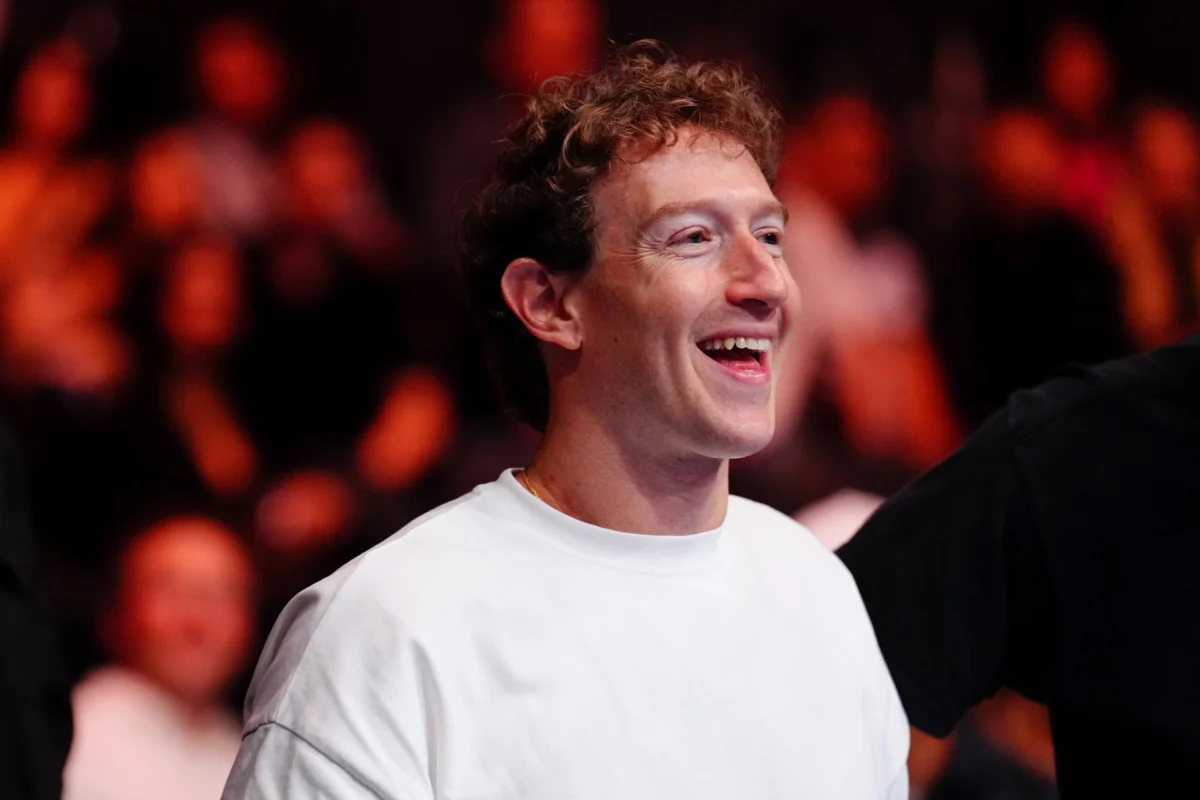
Meta CEO Mark Zuckerberg recently published a comprehensive 6,500-word essay titled "The Future is for Everyone," articulating an unreservedly optimistic vision for a future fundamentally reshaped by artificial intelligence. In this extensive document, Zuckerberg posits that AI will empower every individual with an "exceptionally capable personal agent that understands you, your goals, and everything you care about." This manifesto, intended to outline Meta’s strategic direction and philosophical stance on AI, has, however, met with considerable skepticism and critical analysis from industry observers and the broader public, who question both the feasibility and the underlying motivations behind such a sanguine outlook.
The Vision Unveiled: Personal AI and Meta’s Ambitions
Zuckerberg’s essay lays out a future where AI transcends its current applications to become an omnipresent, deeply integrated personal assistant. This vision includes AI systems like Meta’s new "Glimmer" model, designed to manage schedules, draft communications, and organize files, operating seamlessly with or without internet connectivity. Such agents are envisioned as profoundly personal, learning individual preferences and objectives to optimize daily life. Beyond individual empowerment, Zuckerberg suggests that AI will unlock unprecedented levels of creativity and invention, fostering a new era of human potential. This ambitious declaration positions Meta not merely as a participant in the AI race but as a primary architect of a future where AI serves as a universal equalizer, democratizing access to advanced capabilities.
Complementing Glimmer, Meta also highlights "Muse Spark," a more robust model aimed at scaling computational power for larger projects and enterprise applications, suggesting a dual strategy for consumer and professional AI deployment. This indicates Meta’s intention to cater to a broad spectrum of users, from individuals seeking personal productivity enhancements to companies requiring scalable AI infrastructure. The manifesto subtly frames Meta’s extensive investments in AI research and development, including its reported recruitment of top AI scientists, as foundational to realizing this expansive future.
A History of Grand Promises and Unfulfilled Potential
The skepticism surrounding Zuckerberg’s latest pronouncement is deeply rooted in Meta’s corporate history and the public’s perception of its past grand visions. Industry analysts, including those featured on TechCrunch’s Equity podcast, such as Kirsten Korosec, Rebecca Bellan, and Anthony Ha, have drawn parallels between the current AI manifesto and Zuckerberg’s earlier promises for social media. In the early days of Facebook, Zuckerberg championed the platform as a tool for universal connection and community building. Yet, the reality for many users has evolved into an experience dominated by "rage-baiting," pervasive advertisements, and algorithmic content that often prioritizes engagement over genuine connection, leading to widespread concerns about misinformation, privacy, and mental health.
Similarly, Meta’s pivot to the "metaverse" represented another multi-billion-dollar bet on a transformative technology. Despite massive investments in virtual and augmented reality hardware and software, the metaverse has yet to achieve mainstream adoption or demonstrate the profound societal impact initially promised, incurring substantial financial losses for the company. This pattern of ambitious declarations followed by perceived underdelivery or problematic implementation has fostered a significant "trust deficit" among consumers and critics. Russell Brandom, TechCrunch’s AI editor, succinctly captured this sentiment, arguing that Zuckerberg’s manifesto is "exactly why people don’t like AI," implying that the messenger’s history undermines the message’s credibility.
Meta’s Position in the AI Landscape
Meta has made substantial financial and intellectual investments in artificial intelligence, reportedly spending billions on research, infrastructure, and talent acquisition. Despite these efforts, Meta has not consistently been recognized as a "frontier lab" leader in the same vein as OpenAI, Anthropic, or Google, particularly in the realm of closed-model, general-purpose AI. While Meta’s Llama open-source large language models have garnered significant acclaim within the developer community for their accessibility and performance, its consumer-facing AI products have yet to capture the public imagination or achieve the widespread adoption seen with competitors like ChatGPT.
The company’s existing AI integrations within Instagram and Facebook, while present, have not positioned Meta as the go-to provider for personal AI assistance. Critics point to instances of "creepy" chatbot behavior reported by users, further eroding public confidence in Meta’s ability to develop responsible and user-friendly AI. This strategic repositioning through the manifesto can be seen as an attempt by Meta to carve out a unique space in the crowded AI market, focusing on personal empowerment and device-centric AI, where it believes it can gain a competitive edge.
The Trust Deficit: Why the Skepticism Persists
The negative reaction to Zuckerberg’s manifesto is multifaceted, extending beyond Meta’s historical track record. A significant factor is the "messenger problem" itself. Mark Zuckerberg and Meta have faced sustained public scrutiny over data privacy scandals (such as Cambridge Analytica), algorithmic biases, and the broader societal impact of their platforms. The impending release of a new film exploring Facebook’s origins further amplifies this public suspicion. For many, any grand vision articulated by Zuckerberg is viewed through a lens of caution, anticipating potential downsides or ulterior motives.
Furthermore, the "Pollyannish" tone of the manifesto, as described by Kirsten Korosec, fails to acknowledge the significant risks and ethical dilemmas inherent in advanced AI development. While Zuckerberg extols AI as a tool for humanity, critics argue that he largely overlooks the "extreme costs" associated with such widespread deployment—costs that could include job displacement, increased surveillance, privacy erosion, and the potential for misuse. The public has become increasingly wary of tech giants’ utopian promises, especially when concrete examples of societal benefit are vague or when the proposed applications seem to displace genuine human interaction, as seen in reactions to Sam Altman’s suggestion of using ChatGPT for child-focused podcasts.
The "Anti-Dario" Stance and the Pace of AI Development
The manifesto also positions Zuckerberg in stark contrast to figures like Anthropic CEO Dario Amodei, who has publicly addressed concerns about AI safety and the need for cautious development. While Amodei and other "frontier labs" have engaged in discussions about "pacing the frontier" and focusing on safety, Zuckerberg’s essay advocates for an accelerated, unreserved embrace of AI development. He explicitly challenges "AI doomers," questioning the logic of building advanced AI while simultaneously predicting catastrophic outcomes.
Zuckerberg argues that slowing down AI development would only cede technological leadership to rivals, particularly China, and ultimately harm individuals who could benefit from empowering technologies. This stance highlights a fundamental ideological divide within the AI industry: between those prioritizing rapid innovation and open development, and those advocating for a more measured, safety-first approach. Meta’s open-source strategy with Llama further underscores this position, aiming to democratize access to powerful AI models and accelerate collective innovation. However, critics argue that this rapid, unfettered approach might exacerbate existing societal challenges without adequate safeguards.
Consumer Experience and Accessibility Challenges
Despite the grand vision, the practical accessibility of Meta’s advanced personal AI models remains a point of contention. Rebecca Bellan noted that Meta’s "Glimmer" model, intended for personal devices, currently requires specific hardware, making it inaccessible to the average person using standard consumer electronics like a MacBook. This disconnect between the manifesto’s promise of universal empowerment and the current reality of limited accessibility further fuels skepticism. The irony of "The Future is for Everyone" not being immediately available to everyone underscores the challenges Meta faces in translating its ambitious AI strategy into tangible, widely adopted consumer products.
Moreover, the effectiveness and desirability of Meta’s existing consumer AI tools are still under scrutiny. While Meta AI is integrated into its social platforms, it has not yet cultivated the reputation of being a preferred personal assistant. The abstract nature of some of the manifesto’s promises regarding "creativity and invention" fails to convince skeptics who demand more concrete, beneficial applications without significant trade-offs.
Broader Implications for AI and Society
Zuckerberg’s manifesto and its reception underscore a critical juncture in the development and public perception of artificial intelligence. It highlights the ongoing tension between technological optimism and the imperative for responsible innovation. The debate extends beyond Meta, encompassing the entire AI industry, as companies grapple with the challenge of building powerful AI systems while simultaneously earning and maintaining public trust.
The implications for the future of AI are profound. If public skepticism toward powerful AI visions from major tech companies persists, it could necessitate a more transparent, collaborative, and ethically grounded approach to AI development. Companies may need to prioritize demonstrable societal benefit, robust safety mechanisms, and clear communication about potential risks, rather than solely focusing on technological advancement. The public’s desire for AI that genuinely enhances human lives without compromising privacy, autonomy, or social well-being will likely shape the regulatory landscape and consumer adoption patterns in the coming years. Zuckerberg’s "The Future is for Everyone" serves not just as a statement of Meta’s AI ambition, but also as a catalyst for renewed scrutiny over who truly benefits from the accelerating pace of AI innovation.

