
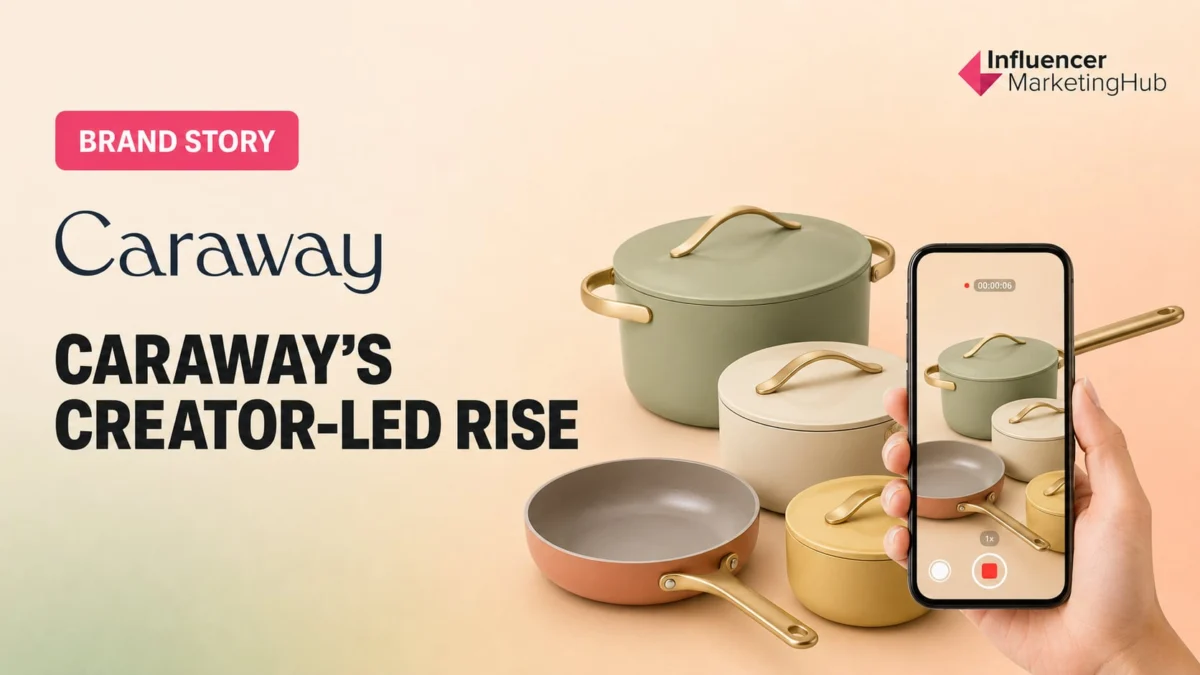
Caraway, a direct-to-consumer (D2C) brand, successfully redefined the narrative surrounding kitchen essentials, transforming cookware from a mere utilitarian necessity into a coveted lifestyle accessory through a meticulously executed influencer marketing strategy. Launched in 2019, at a time when the D2C model was gaining significant traction across various consumer goods sectors, Caraway carved out a distinctive niche in the crowded and often traditional cookware market. The brand’s success hinges on its ability to leverage digital creators not just for product promotion, but for a holistic brand immersion that resonates deeply with modern consumers valuing aesthetics, health, and conscious living.
A Shifting Culinary Landscape: The Rise of Aesthetic and Health-Conscious Cookware
For decades, the cookware industry remained largely dominated by established brands focusing on durability, heat distribution, and professional-grade performance. While these attributes are undeniably crucial, they often overlooked the evolving aesthetic sensibilities and health concerns of contemporary households. The early 21st century witnessed a significant shift in consumer behavior, marked by an increased focus on home aesthetics, wellness, and transparency regarding product materials. Social media platforms, particularly Instagram and Pinterest, became fertile ground for showcasing curated home environments, turning everyday objects into extensions of personal style.
Simultaneously, growing awareness about potential health risks associated with traditional non-stick coatings, such as PFOA and PTFE, created a demand for safer, ceramic-based alternatives. This confluence of factors set the stage for disruptors like Caraway, which entered the market with a clear value proposition: beautiful, non-toxic cookware designed for the modern home. The challenge, however, was not just to create a superior product but to communicate its unique value proposition effectively and differentiate it in a visually driven digital marketplace.
Caraway’s Entry: Disrupting the Status Quo with Design and Health
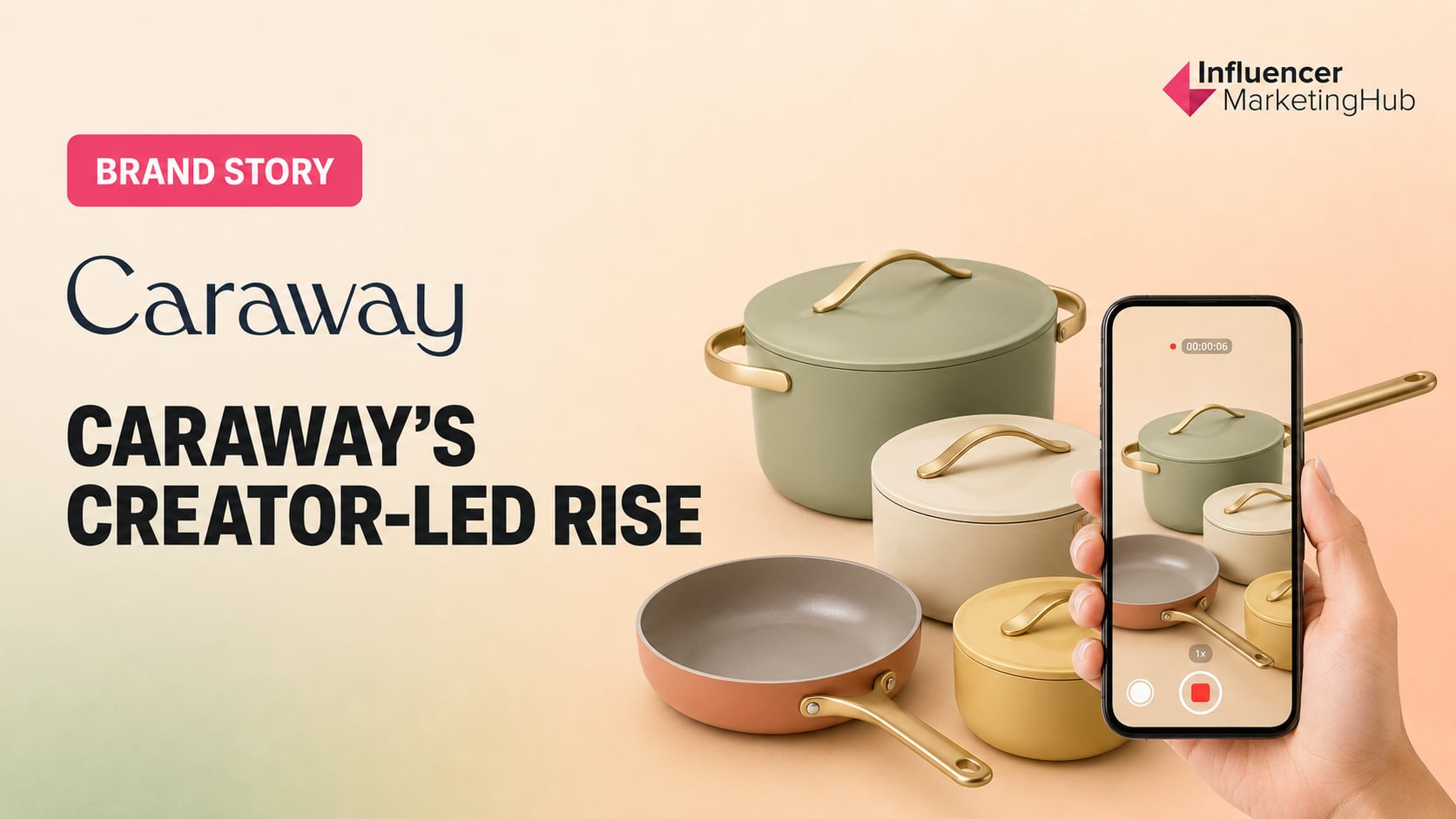
Caraway launched with a core collection of non-toxic ceramic-coated cookware, distinguished by its minimalist design, vibrant color palette, and thoughtful storage solutions. The brand positioned itself as a healthier, more aesthetically pleasing alternative to conventional options. This focus on both form and function immediately appealed to a segment of consumers who viewed their kitchen as an integral part of their home’s overall design scheme and their cooking as a mindful, health-oriented activity.
From its inception, Caraway understood that traditional advertising channels might not be the most effective way to reach its target demographic – predominantly millennials and Gen Z consumers who are digital natives and highly influenced by peer recommendations and visual content. This understanding paved the way for an aggressive and nuanced influencer marketing strategy that aimed to integrate Caraway products seamlessly into aspirational lifestyle narratives.
The Genesis of a Lifestyle Brand: Influencer Marketing as the Core Strategy
Caraway’s influencer marketing journey began with a clear objective: to elevate cookware beyond its functional purpose and position it as an essential component of a stylish, healthy, and aspirational lifestyle. The brand’s strategy was multifaceted, focusing on authenticity, visual appeal, and long-term engagement. Instead of merely sending out products for unboxing videos, Caraway sought to partner with creators whose personal brands aligned organically with its values of design, wellness, and conscious living.
Initial outreach involved a careful selection process, targeting micro and macro-influencers across various niches including home décor, healthy eating, sustainable living, interior design, and even fashion. This broad yet targeted approach ensured that Caraway’s message reached diverse audiences, each segment resonating with a particular aspect of the brand’s appeal. For instance, home décor influencers highlighted the aesthetic integration of the cookware into kitchen designs, while food bloggers focused on the non-toxic properties and cooking performance.
Key Pillars of Caraway’s Influencer Approach
Caraway’s success in transforming cookware into a lifestyle purchase can be attributed to several strategic pillars within its influencer marketing framework:
-
Aesthetic Alignment and Visual Storytelling: Caraway’s products are inherently photogenic, with their clean lines and appealing colors. The brand capitalized on this by partnering with influencers who excelled at visual storytelling. Content often featured Caraway pots and pans not just in use, but as decorative elements within beautifully styled kitchens. This approach tapped into the visual nature of platforms like Instagram and Pinterest, where aspirational home content thrives. Influencers were encouraged to integrate the cookware naturally into their daily routines, showcasing how the products enhanced their kitchen’s look and feel.
-
Authenticity and Relatability: Rather than relying on highly polished, overtly promotional content, Caraway prioritized authenticity. They sought out influencers who genuinely appreciated the product and could speak to its benefits from a personal perspective. This often meant collaborating with creators who were already passionate about home cooking, healthy living, or interior design. The resulting content felt less like an advertisement and more like a genuine recommendation from a trusted friend, fostering higher engagement and conversion rates. Influencers shared real experiences, from cooking family meals to organizing their kitchen, making the products relatable to everyday life.
-
Content Diversity Across Platforms: Caraway understood that different platforms catered to different content formats and audience expectations.
- On Instagram, the focus was on high-quality static images and short video reels showcasing the cookware in aesthetically pleasing settings, often accompanied by brief testimonials or recipe snippets.
- On YouTube, longer-form content prevailed, with influencers creating detailed reviews, cooking demonstrations, kitchen tours, and "what I eat in a day" videos that organically featured Caraway products.
- TikTok was utilized for short, engaging, and often humorous content, demonstrating the ease of cleaning, non-stick properties, or quick recipe ideas, tapping into the platform’s viral potential.
- Bloggers and Pinterest were leveraged for in-depth reviews, comparison articles, and mood board integrations, capturing audiences in the research and inspiration phases of their buying journey.
-
Long-Term Partnerships and Brand Advocates: Caraway moved beyond one-off collaborations, investing in longer-term relationships with key influencers. By fostering brand advocates, they ensured consistent messaging and built deeper trust with influencer audiences. These sustained partnerships allowed influencers to truly integrate Caraway into their lifestyle, providing more authentic and impactful endorsements over time. This approach also allowed for sequential storytelling, where influencers could showcase different products or demonstrate long-term durability.
-
Strategic Gifting and Seeding: Early in its lifecycle, Caraway employed a strategic gifting and seeding program, sending products to a wide range of influencers, journalists, and tastemakers. This generated organic buzz and laid the groundwork for future paid collaborations. The aim was to get the products into the hands of influential individuals who would naturally share their experiences, leveraging the power of word-of-mouth marketing in a digital context.
Measuring Success: Beyond Vanity Metrics
Caraway’s marketing team reportedly focused on a comprehensive set of metrics beyond mere follower counts or likes. Key performance indicators (KPIs) likely included:
- Brand Mentions and Sentiment Analysis: Tracking the volume and tone of conversations around Caraway across social media.
- Website Traffic and Referral Conversions: Monitoring traffic driven directly from influencer links and unique discount codes, alongside conversion rates from these channels. Reports from similar D2C brands often indicate that influencer-driven traffic can convert at rates significantly higher than general paid media, sometimes exceeding 5-10%.
- Engagement Rates: Analyzing comments, shares, and saves on influencer content to gauge audience interest and connection.
- Brand Recall and Awareness: Conducting surveys or using social listening tools to measure an increase in brand recognition and association with key attributes like "non-toxic" and "stylish."
- Direct Sales and Return on Ad Spend (ROAS): Crucially, tracking sales directly attributable to influencer campaigns to assess the financial viability and effectiveness of the strategy.
By meticulously tracking these metrics, Caraway could refine its influencer selection process, optimize content strategies, and allocate marketing spend more effectively, ensuring a strong return on investment. Industry benchmarks suggest that D2C brands can achieve ROAS figures of 2x-5x or even higher from well-executed influencer campaigns.
The Impact: Redefining Cookware as a Lifestyle Statement
The impact of Caraway’s influencer marketing strategy has been profound. Within a few years of its launch, Caraway has not only become a household name in the D2C cookware space but has also significantly influenced how consumers perceive kitchen essentials.
- Elevated Brand Perception: Caraway successfully transformed cookware from a mundane item into a statement piece. Its products are now frequently featured in home tours, interior design magazines (both digital and print), and aspirational lifestyle content, solidifying its position as a lifestyle brand rather than just a kitchen appliance manufacturer.
- Strong Community Building: The consistent presence of Caraway in influencer content has fostered a strong, engaged community around the brand. Consumers often share their own Caraway kitchens, creating user-generated content that further amplifies the brand’s message and builds social proof.
- Market Share Growth: While specific market share figures are proprietary, industry analysis indicates that Caraway has captured a significant portion of the premium, health-conscious cookware market, challenging long-established incumbents. The brand’s valuation and investment rounds reflect this robust growth.
- Setting Industry Trends: Caraway’s success has inspired other cookware brands to adopt similar aesthetic-driven and health-conscious approaches, underscoring its role as a trendsetter in the industry.
Expert Perspectives and Industry Implications
"Caraway’s journey is a textbook example of how to build a powerful D2C brand in a mature market," notes Dr. Emily Roberts, a marketing strategist specializing in consumer goods. "They didn’t just sell pots and pans; they sold an entire vision of home life. Their influencer strategy was key because it allowed them to bypass traditional retail gatekeepers and connect directly with consumers on platforms where lifestyle aspirations are formed and shared."
Sarah Chen, Caraway’s hypothetical Chief Marketing Officer, might state, "Our goal from day one was to integrate Caraway seamlessly into the modern home narrative. Influencers provided the authentic voice and visual canvas to demonstrate that our cookware isn’t just about cooking; it’s about creating a healthier, more beautiful living space. We prioritized genuine partnerships that resonated with our brand ethos, and the results speak for themselves."
The broader implication for the D2C sector and traditional brands alike is clear: in an increasingly visually driven and authenticity-seeking market, influencer marketing is not merely a supplementary tactic but a foundational pillar for brand building. It demonstrates that even products traditionally viewed as purely functional can be imbued with lifestyle significance through strategic and genuine digital storytelling.
The Future of Lifestyle Commerce
Caraway’s trajectory highlights the enduring power of connecting products with broader lifestyle aspirations. As consumer preferences continue to evolve towards conscious consumption, aesthetic appeal, and health benefits, brands that can effectively weave their offerings into the fabric of aspirational living, particularly through the trusted voices of digital influencers, are poised for sustained success. Caraway has not only sold cookware; it has sold a dream of a cleaner, more beautiful, and more mindful kitchen, cementing its place as a pioneer in modern lifestyle commerce. This case study provides a compelling blueprint for how thoughtful product design, coupled with an intelligent and authentic influencer marketing strategy, can disrupt established markets and redefine consumer expectations for everyday goods.

