
International merchants aiming to penetrate the lucrative U.S. market are increasingly finding that the traditional pathway to Amazon, while still significant, is no longer the sole or even the most effective route. Emerging channels, particularly the rapidly expanding TikTok Shop and robust branded e-commerce platforms, are presenting compelling alternatives, offering distinct advantages for product discovery, audience engagement, and ultimately, sales conversion. This shift is underscored by the success of brands that strategically leverage these newer platforms, even after initial attempts through more established channels yielded limited results.
A prominent case study illustrating this evolving landscape involves a direct-to-consumer hair-care brand that embarked on its U.S. market entry in 2021. Initially, the brand’s strategy centered on Instagram, a platform known for its visual appeal and influencer marketing capabilities. This was soon followed by the establishment of a proprietary Shopify store, providing a direct sales channel, and the subsequent integration with TikTok Shop, recognizing the platform’s burgeoning e-commerce potential. The brand’s average transaction value was set at a competitive $59, a price point that positions it within impulse purchase territory for many consumers, particularly within the beauty and personal care sector.
For the first two years of its U.S. presence, the hair-care brand invested heavily in a multifaceted marketing approach. This included the consistent gifting of products to a network of micro and nano-influencers, those with smaller but highly engaged and specialized followings. Simultaneously, the company allocated budget towards paid advertising campaigns across various platforms and actively pursued affiliate marketing arrangements, aiming to incentivize third-party promotion. Despite these considerable efforts and financial outlays, the brand experienced what could be described as a prolonged period of stagnation, with no significant breakthrough in sales or market traction. This phase highlights the inherent risks and the often-unpredictable nature of market entry, where substantial investment does not always guarantee immediate returns.
The turning point for the brand arrived unexpectedly when a single product video achieved viral status on TikTok. This serendipitous event triggered an astronomical surge in sales, escalating by a factor of fifty. The momentum generated by this viral moment propelled the brand’s annual revenue past the $1 million mark, a remarkable achievement that swiftly attracted the attention of major retail distributors and larger industry players. This dramatic transformation from a struggling startup to a million-dollar enterprise in a short span exemplifies the potent, albeit unpredictable, power of social commerce platforms.
This success story is a testament to entrepreneurial resilience and a strategic, albeit initially unfocused, approach to market testing. The brand’s journey demonstrates that while a viral video cannot be planned or guaranteed, especially given the dynamic and ever-changing algorithms of platforms like TikTok Shop, the underlying infrastructure for capturing demand was crucial. The brand’s perseverance over two years, coupled with the establishment of a robust e-commerce setup designed for conversion, laid the groundwork. Furthermore, the consistent efforts of dozens of small creators, regularly posting content, ensured a steady stream of organic reach and audience engagement. When the viral video finally hit, all the necessary components were in place to capitalize on the sudden influx of consumer interest.
The Strategic Advantage of Localized Creator Engagement
A particularly innovative and often overlooked tactic employed by the hair-care brand was its sophisticated approach to matching creators with specific linguistic and cultural communities within the U.S. This strategy, rarely addressed with such precision by mainstream marketers, involved deliberately pairing Spanish-speaking creators with Spanish-speaking audiences, and similarly connecting Russian- and Ukrainian-speaking creators with their respective diasporas. This approach acknowledges the profound linguistic diversity of the United States and the personalized nature of content consumption on platforms like TikTok, where algorithms are adept at segmenting and serving content to distinct language-based communities.
The U.S. is a complex tapestry of cultures and languages, and platforms like TikTok are designed to cater to these nuances. By segmenting content and creator outreach based on language, the brand was able to foster deeper connections with specific consumer groups. This localized approach ensures that marketing messages resonate more effectively, avoiding the potential for misinterpretation or disengagement that can occur with a one-size-fits-all strategy. For a beauty product, where efficacy and aesthetic appeal are paramount, communication in a consumer’s native language can significantly enhance trust and perceived value.

The brand’s commitment to collaborating with smaller, niche creators rather than focusing on high-profile celebrities proved to be a strategic advantage. Niche creators are typically more accessible, offer greater flexibility in terms of content creation and campaign execution, and often command a more engaged and loyal following. Their recommendations tend to be perceived as more authentic and trustworthy, akin to advice from a trusted friend or a subject matter expert. In the context of hair care, this meant leveraging the credibility of estheticians, stylists, and beauty enthusiasts who could demonstrate tangible results and offer informed opinions. By engaging with a multitude of these creators simultaneously, the brand could efficiently test various content formats, messaging, and product highlights to identify what resonated most effectively with different audience segments.
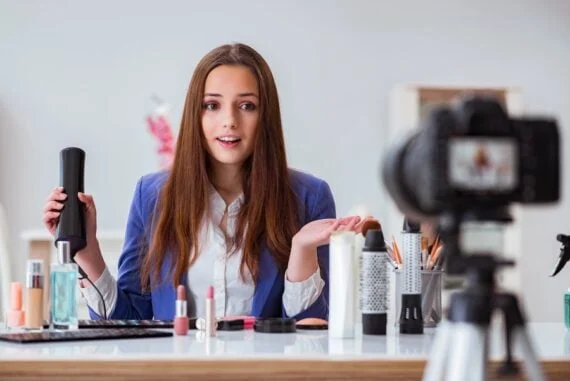
This strategy is particularly potent within the beauty and personal care sector, which has emerged as TikTok Shop’s largest and most dynamic category. Consumers in this segment actively seek demonstrable results, preferring to see products applied and evaluated on real individuals rather than abstract representations. The visual nature of TikTok, combined with its emphasis on authentic user-generated content, provides the ideal environment for showcasing the transformative effects of beauty and hair-care products. The platform’s ability to facilitate live shopping experiences further amplifies this, allowing for real-time product demonstrations, Q&A sessions, and direct purchase opportunities, thereby accelerating the path from discovery to conversion.
TikTok’s dual role as both a direct sales channel and a powerful demand generator for external platforms is a critical aspect of its growing influence. While live shopping events may directly drive on-platform sales, the vast repository of other content – from product reviews and tutorials to lifestyle vlogs – can effectively funnel shoppers to branded e-commerce sites or even physical retail locations. This "halo effect" is a significant, often underestimated, phenomenon. Anecdotal evidence suggests that a substantial number of TikTok views can directly correlate with a noticeable increase in branded searches on other platforms, including Amazon. Consumers may see a product featured compellingly in their feed, leading them to search for it by name on their preferred e-commerce destination. This interconnectedness between social media discovery and search-based purchasing underscores a more symbiotic relationship between these channels than many merchants initially assume.
Navigating the Evolving E-commerce Landscape: Beyond Amazon
While the rise of platforms like TikTok Shop presents new opportunities, it does not negate the enduring importance of established marketplaces like Amazon, particularly for specific product categories. Amazon remains an indispensable channel for consumable goods and products that consumers typically discover through direct search queries based on a stated need or requirement. For instance, household essentials, health supplements, or basic personal care items that consumers routinely replenish are often best served by the search-centric architecture of Amazon.
The question of the "best" channel for U.S. market entry is therefore nuanced and highly dependent on the nature of the product and consumer discovery behavior. Products that can visually demonstrate a clear and immediate result on camera, especially when offered at an accessible price point, are ideally suited for the discovery-driven, visually engaging environment of TikTok Shop. Conversely, products that require a deeper explanation of expertise, technical specifications, or a more considered purchase decision may find greater traction on platforms like Amazon, where detailed product information and established trust are key.
The most effective strategy often involves a complementary approach, where different channels are utilized to serve distinct purposes within the customer journey. A brand can leverage TikTok Shop for initial awareness, product demonstration, and driving impulse purchases, while simultaneously maintaining a presence on Amazon to capture search-driven demand and cater to consumers seeking a more traditional shopping experience. This integrated approach maximizes reach and optimizes conversion rates across the diverse landscape of U.S. consumers.
For a $59 hair-care product, as exemplified by the case study, the decision to prioritize TikTok proved to be a strategic masterstroke. After enduring two years of diligent, albeit unglamorous, testing and refinement across multiple platforms, the brand experienced what felt like an overnight success, catalyzed by the viral potential of social commerce. This narrative serves as a powerful reminder that innovation in marketing and distribution channels, coupled with perseverance and adaptability, can unlock significant growth opportunities for international brands seeking to establish a foothold in the competitive U.S. marketplace. The landscape is shifting, and those who adapt to these new paradigms are best positioned for success.

