
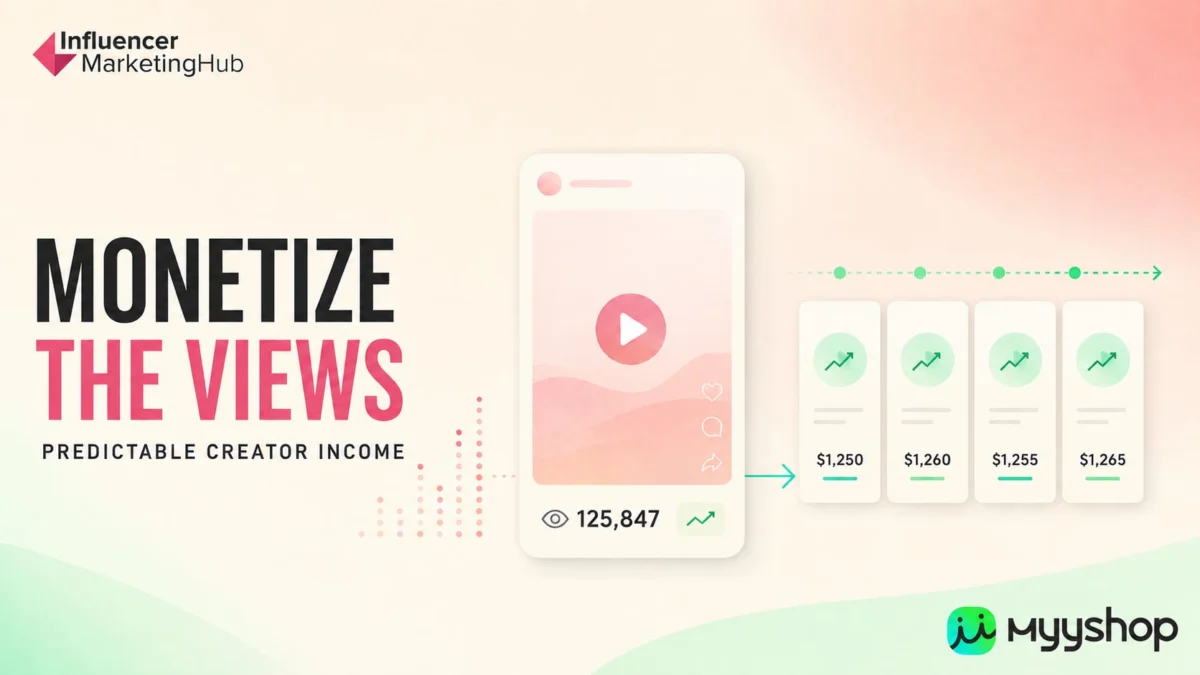
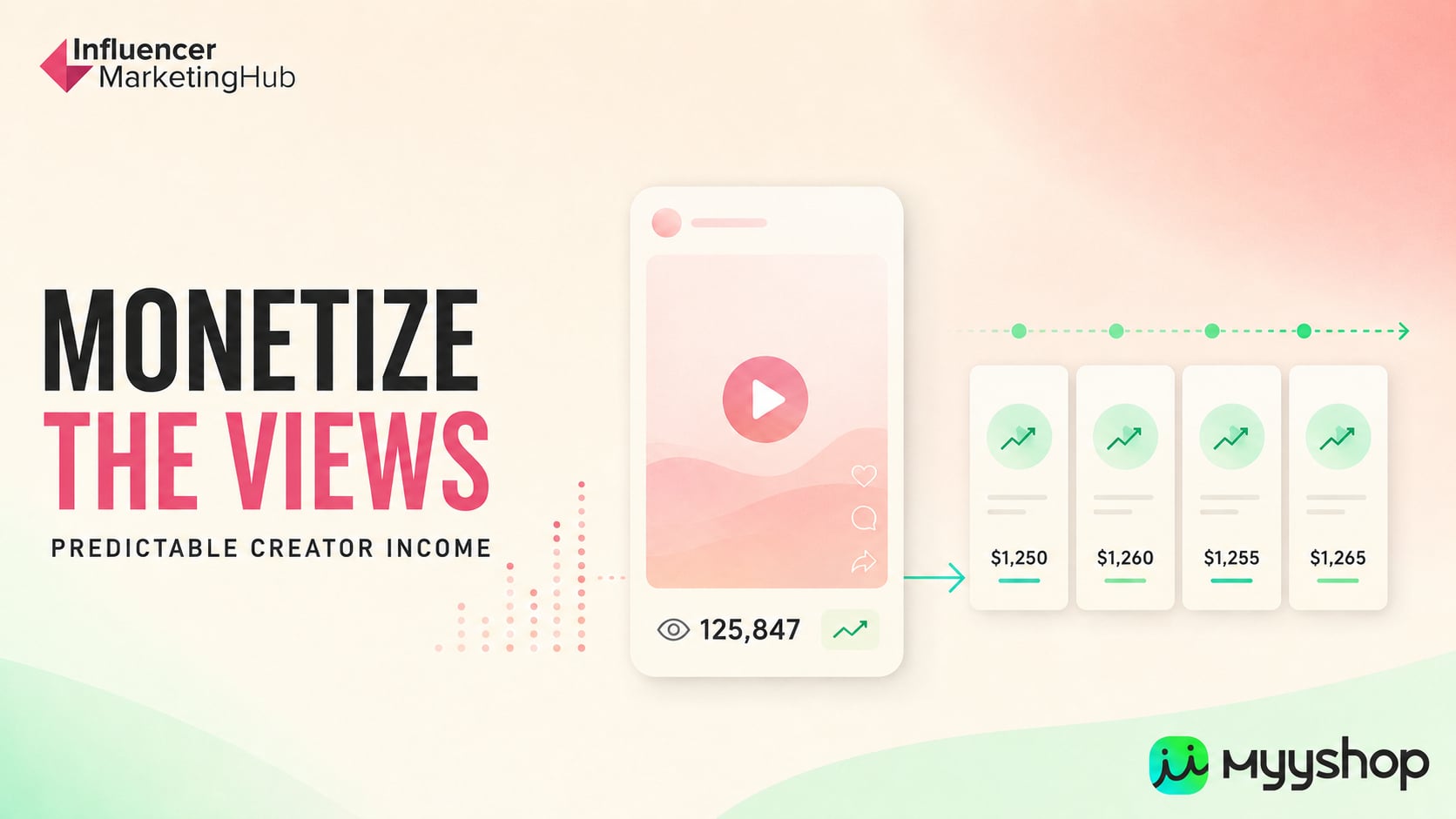
In an increasingly competitive digital landscape, TikTok creators are navigating a complex but evolving ecosystem to transform viral views into sustainable, predictable income streams. As of late 2026, the platform has matured significantly beyond its initial reputation as a short-form video app, introducing a suite of monetization tools and fostering a robust creator economy that prioritizes long-term financial stability for its talent. This strategic shift reflects both market demands and TikTok’s ambition to retain its top creators amidst fierce competition from other social media giants.
The journey for TikTok creators from ad-hoc brand deals to structured income has been marked by several pivotal developments. Initially, creators primarily relied on direct brand sponsorships, affiliate marketing, and merchandise sales, with platform-native monetization options being somewhat nascent. The introduction of the TikTok Creator Fund in 2020 was a significant step, offering direct payments based on video performance. However, this fund often faced criticism for its opaque payment structure and declining per-view rates as the platform’s user base exploded. Recognizing these limitations, TikTok has since rolled out more sophisticated programs designed to offer better revenue share and encourage diverse content creation, particularly longer-form videos.
The Evolving Landscape of TikTok Monetization
The digital creator economy, projected to exceed $500 billion globally by 2027 according to recent industry analyses, is largely driven by platforms like TikTok. For creators, the primary challenge has always been the volatility of income. A viral video can bring temporary fame and a surge in views, but translating that into a consistent livelihood requires strategic planning and leveraging multiple revenue channels. TikTok’s current strategy focuses on providing creators with a diversified toolkit, moving away from a single, dominant monetization stream. This approach aims to empower creators to build resilient business models around their content and audience.
A key shift has been the platform’s emphasis on longer-form content, a direct response to the lucrative advertising opportunities associated with extended viewer engagement. While TikTok gained prominence for its 15-second to 3-minute videos, the introduction of 10-minute video capabilities and programs rewarding watch time have signaled a clear direction towards competing more directly with platforms like YouTube. This has opened up new avenues for creators to tell more comprehensive stories, produce tutorials, or create mini-vlogs, all while potentially earning more from in-stream advertisements.
Key Monetization Pathways for Creators in 2026
For creators looking to establish a predictable income on TikTok, a multi-pronged approach is essential. The most prominent and reliable avenues currently available include:
-
The Creativity Program Beta: Launched in early 2023 and significantly refined by 2026, this program is TikTok’s answer to sustainable, performance-based earnings. It rewards creators for high-quality, original content that is longer than one minute. Unlike its predecessor, the Creator Fund, the Creativity Program Beta offers higher revenue per 1,000 qualified views (RPM), providing a more transparent and lucrative model. Eligibility typically requires creators to be at least 18 years old, meet specific follower counts (often 10,000 or more), and accumulate a minimum number of qualified video views within a 30-day period. Payouts are influenced by video performance, authenticity, and adherence to community guidelines, with successful creators reporting RPMs significantly higher than those seen in the original Creator Fund. For instance, some top-tier creators have reported RPMs ranging from $0.80 to $2.00 or even higher for highly engaging content in specific niches, a stark contrast to the often sub-$0.10 RPMs of the earlier fund.
-
Brand Partnerships and Sponsored Content: This remains a cornerstone of creator income on TikTok. Brands actively seek creators whose audience demographics align with their target market. Deals can range from single sponsored posts to long-term ambassadorships. The professionalization of this sector has led to the rise of specialized agencies and TikTok’s own "Creator Marketplace," which facilitates connections between brands and creators. Transparency is paramount, with strict guidelines requiring creators to disclose sponsored content using official tools. By 2026, the average cost for a sponsored post from a mid-tier creator (100k-1M followers) can range from $500 to $5,000, while mega-influencers command five to six figures per campaign, depending on engagement rates and industry.
-
TikTok LIVE Gifting and Subscriptions: Live streaming has become a vital interactive and monetization tool. Viewers can purchase virtual "Coins" and use them to send "Gifts" to creators during live streams, which can then be converted into real money. This direct audience support mechanism has proven incredibly popular, especially for creators with highly engaged communities. Building on this, TikTok has also introduced subscription models, allowing creators to offer exclusive content, badges, or live stream access to paying subscribers, similar to platforms like Twitch or YouTube. This fosters a deeper connection with super-fans and provides a recurring revenue stream. A report from early 2026 indicated that creators leveraging LIVE features and subscriptions saw an average 40% increase in their platform-native earnings compared to those relying solely on short-form video monetization.
-
E-commerce Integration and Affiliate Marketing: TikTok Shop, the platform’s integrated e-commerce solution, has expanded significantly by 2026, allowing creators to sell products directly within the app through shoppable videos, live streams, and a dedicated product showcase on their profiles. Creators can either sell their own merchandise or participate in affiliate programs, earning commissions on sales generated through their unique links or storefronts. This combines entertainment with transactional opportunities, tapping into the growing trend of "social commerce." Major brands are increasingly allocating significant marketing budgets to TikTok Shop collaborations, recognizing the platform’s ability to drive immediate purchases. Analysts suggest that social commerce will account for over 15% of all e-commerce sales by 2030, with TikTok leading the charge in many regions.
-
External Revenue Streams: While not directly tied to TikTok’s in-app features, many successful creators leverage their TikTok audience to drive traffic to external platforms for additional income. This includes:
- Merchandise Sales: Selling branded apparel, accessories, or other physical products through independent e-commerce stores.
- Premium Content Platforms: Directing followers to Patreon, OnlyFans (for appropriate content), or personal websites for exclusive content, courses, or digital products.
- Cross-Platform Monetization: Using TikTok to promote YouTube channels, podcasts, or other social media profiles where different monetization models are employed (e.g., YouTube AdSense, podcast sponsorships).
- Consulting and Services: Some creators, particularly those in niche expertise areas, offer consulting services, workshops, or coaching based on their TikTok authority.
Deep Dive into the Creativity Program Beta
The Creativity Program Beta stands out as TikTok’s most concerted effort to provide a reliable income source for creators focusing on quality and engagement. It specifically rewards videos longer than one minute, which allows for more in-depth storytelling, tutorials, and educational content. This program has been a game-changer for many, shifting the focus from sheer virality to sustained audience attention.
"The old Creator Fund felt like a lottery, with payments that barely covered my coffee," commented Maya Sharma, a lifestyle creator with 800,000 followers, in an interview conducted in mid-2026. "But the Creativity Program Beta changed everything. Now, I can actually plan my content strategy around creating longer, more valuable videos, and I see a direct correlation between my effort and my earnings. It’s allowed me to invest in better equipment and even hire an editor, making this a real career."
The program’s algorithm factors in unique views, watch time, and audience retention, incentivizing creators to produce content that truly resonates and keeps viewers engaged. TikTok has also been proactive in providing creators with analytics and insights specific to the Creativity Program Beta, enabling them to refine their content strategies for optimal performance.
Building Predictable Income: Strategies for Stability
Achieving predictable income on TikTok requires more than just knowing the monetization methods; it demands strategic planning and consistent execution.
-
Content Diversification and Niche Specialization: While specializing in a niche helps attract a dedicated audience, creators should also consider diversifying their content formats within that niche. Experimenting with different video lengths, styles, and topics can broaden appeal and tap into various monetization streams. For example, a cooking creator might produce short, viral recipe hacks for general reach, longer detailed tutorials for the Creativity Program Beta, and live cooking sessions for Gifting and subscriptions.
-
Audience Engagement and Community Building: A highly engaged audience is the most valuable asset for any creator. Responding to comments, running polls, hosting Q&As, and fostering a sense of community significantly boosts viewer loyalty, which in turn translates to better performance in all monetization programs, especially LIVE Gifting and subscriptions. Strong engagement also makes creators more attractive to brands.
-
Cross-Platform Presence: Relying solely on one platform for income is inherently risky due to potential algorithm changes, policy updates, or platform instability. Successful creators often maintain a presence on multiple platforms (e.g., Instagram, YouTube, Snapchat, Patreon) to diversify their audience and income streams. TikTok can serve as a powerful funnel to direct traffic to these other platforms.
-
Financial Planning and Professionalism: Treating content creation as a legitimate business is crucial. This involves tracking income and expenses, setting financial goals, and potentially consulting with financial advisors. Understanding contracts for brand deals, negotiating fair rates, and delivering professional deliverables are also key to long-term success.
-
Adapting to Algorithm Changes: TikTok’s algorithm is constantly evolving. Creators who monitor trends, analyze their analytics, and adapt their content strategy accordingly are more likely to maintain consistent performance and income. This often involves staying informed through official creator resources and community discussions.
Challenges and Opportunities in the Creator Economy
Despite the advancements in monetization, creators still face significant challenges. Market saturation means increasing competition for audience attention and brand dollars. Algorithm changes can dramatically impact reach and earnings, creating anxiety and uncertainty. Creator burnout is a prevalent issue, driven by the constant pressure to produce engaging content and maintain a public persona.
However, the opportunities remain immense. The global digital audience continues to grow, and brands are increasingly shifting their advertising budgets towards influencer marketing. TikTok’s continuous investment in creator tools, educational resources, and direct support programs indicates a long-term commitment to fostering a sustainable creator ecosystem. The platform’s global reach also presents unique opportunities for creators to connect with diverse audiences and explore international brand partnerships.
Official Platform Stance and Future Outlook
TikTok has consistently reiterated its commitment to empowering creators and fostering a vibrant, economically viable creator economy. In a recent press release from the company’s Creator Operations division, a spokesperson stated, "Our mission is to inspire creativity and bring joy, and a fundamental part of that is ensuring our creators have the tools and support to build sustainable careers. The evolution of our monetization programs, particularly the Creativity Program Beta and expanded e-commerce capabilities, reflects our dedication to offering diverse and predictable income streams."
Looking ahead, industry analysts predict further integration of AI-powered tools to assist creators with content optimization, audience targeting, and even automated content generation. The expansion of Web3 technologies, such as NFTs and blockchain-based monetization, could also find their way into TikTok’s ecosystem, offering creators new ways to engage with and monetize their most loyal fans through digital collectibles and decentralized communities. The platform is also expected to continue refining its advertising models to ensure a fair balance between creator earnings and advertiser ROI.
Implications for the Broader Digital Economy
TikTok’s approach to creator monetization has significant implications beyond its own platform. Its emphasis on longer-form content and higher RPMs through programs like the Creativity Program Beta is pushing other short-form video platforms to re-evaluate their own creator support systems. The success of TikTok Shop is accelerating the integration of social commerce across the digital landscape, influencing how brands engage with consumers and how consumers discover and purchase products.
Furthermore, the rise of predictable income streams on TikTok contributes to the professionalization of the creator economy as a whole. It legitimizes content creation as a viable career path, attracting more talent and investment into the digital media sector. This shift fosters innovation not only in content creation but also in supporting industries such as creator management, analytics, and digital marketing.
In conclusion, while the path to predictable income on TikTok remains dynamic, the platform’s concerted efforts to provide diverse and robust monetization tools have significantly enhanced opportunities for creators by late 2026. Success hinges on a blend of creative content, strategic engagement, diversification across multiple revenue streams, and a proactive approach to understanding and adapting to the ever-evolving digital landscape. For those who master these elements, TikTok offers a powerful avenue to transform passion into a sustainable and thriving profession.

