
The Historical Veil: A Legacy of Silence Around Women’s Health
For centuries, discussions surrounding women’s reproductive and intimate health have been relegated to hushed tones, often confined to medical examination rooms or private conversations among trusted confidantes. This pervasive silence stems from a complex interplay of cultural norms, historical medical paternalism, and societal discomfort with female anatomy and its functions. Conditions like yeast infections, bacterial vaginosis (BV), urinary tract infections (UTIs), and even basic physiological processes like menstruation or menopause, have frequently been sources of embarrassment or shame, leading many individuals to suffer in silence or delay seeking necessary medical advice.
This historical context has created a significant knowledge gap, leaving many women ill-equipped to understand their own bodies or advocate for their health needs effectively. Studies have consistently shown that a considerable percentage of women feel uncomfortable discussing vaginal health concerns even with their primary care physicians, let alone with friends, family, or partners. This discomfort is exacerbated by a lack of accurate, accessible, and relatable information outside of clinical settings. The consequence is often delayed diagnosis, self-treatment based on unreliable sources, and a persistent feeling of isolation for those experiencing common, yet often unaddressed, issues.
Happy V’s Mission: Disrupting the Narrative
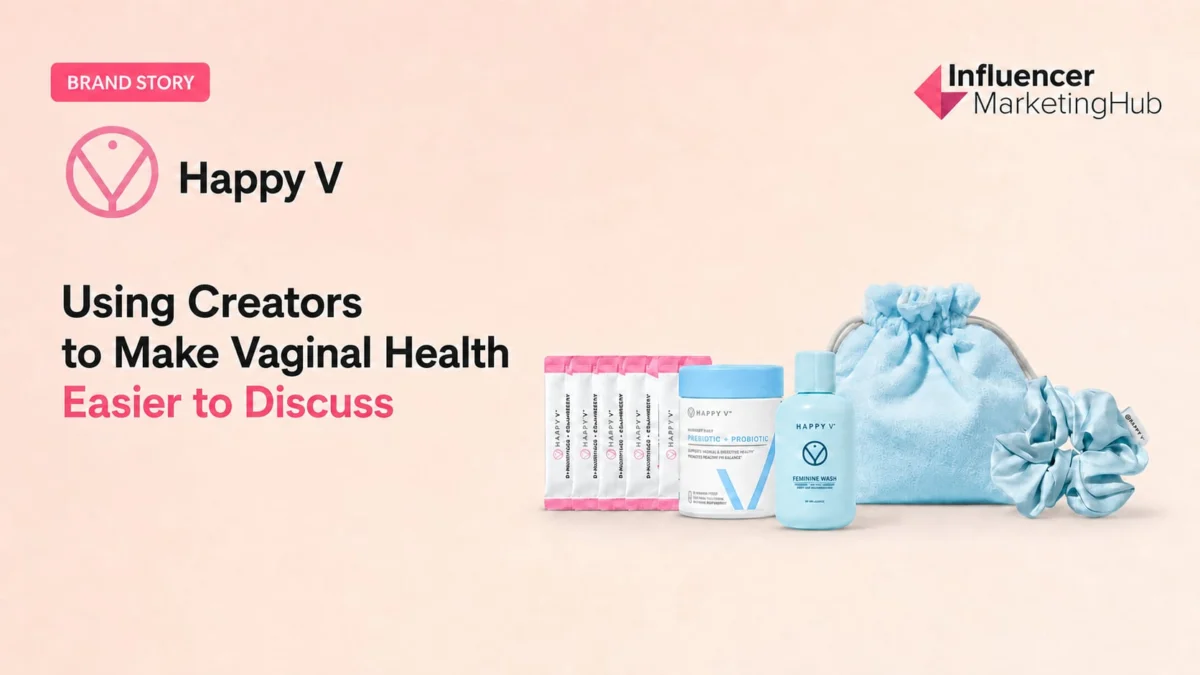
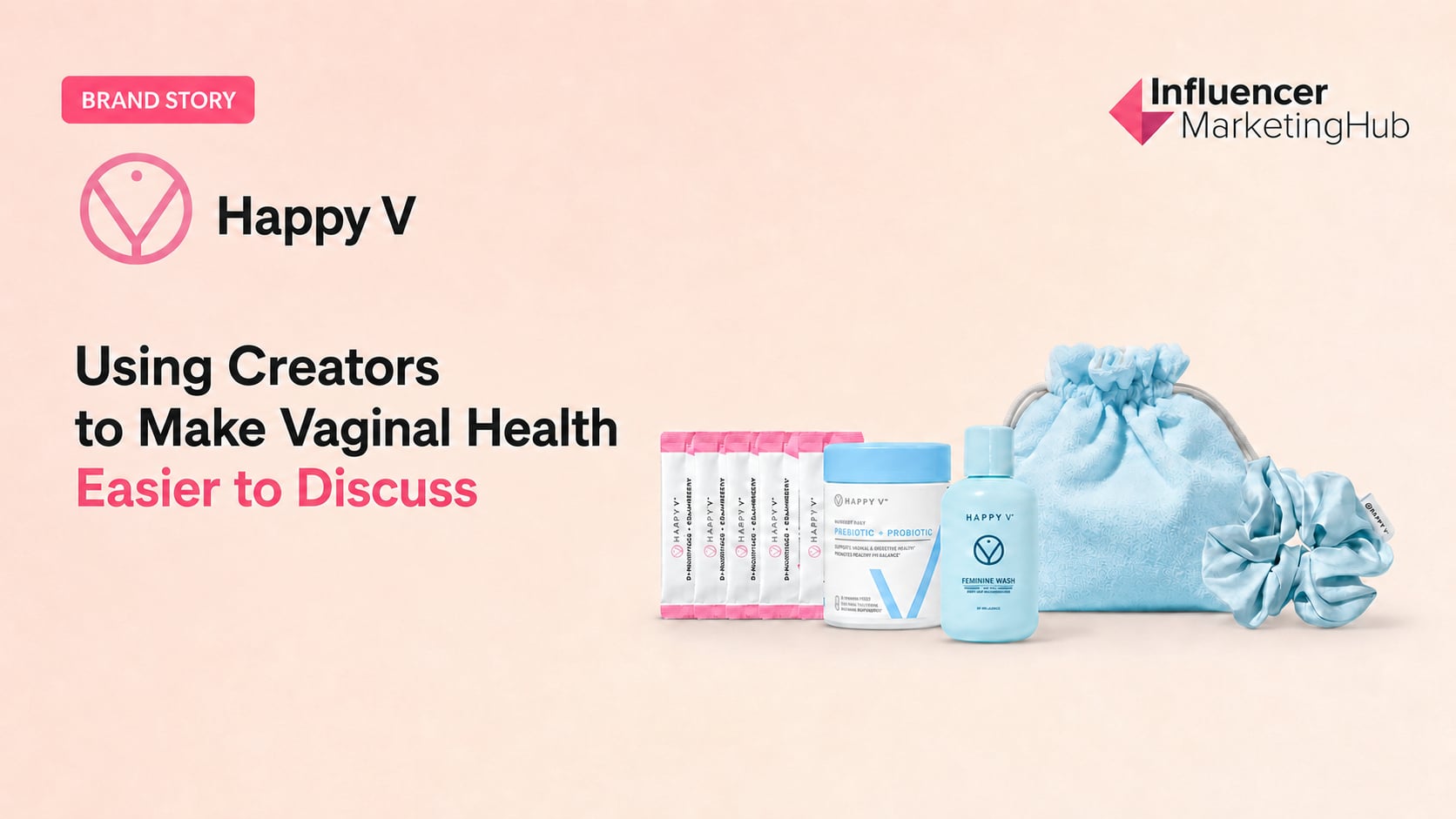
Founded on the principle that vaginal health is an integral part of overall well-being, Happy V emerged with a clear mission: to provide effective, science-backed solutions while simultaneously normalizing the conversation around intimate health. Recognizing the limitations of traditional marketing and the inherent barriers in public discourse, the company identified digital creators as a potent force capable of bridging this communication gap. Their product line, which includes supplements targeting common concerns like pH balance, UTIs, and yeast infections, is designed not just to treat symptoms but to promote proactive wellness.
Happy V’s leadership, including its CEO and marketing strategists, articulated early on their commitment to fostering an environment where individuals feel empowered, not embarrassed, to discuss their vaginal health. "Our vision extends beyond selling products," stated a representative from Happy V’s marketing department in a recent industry conference. "We aim to be a catalyst for change, creating a community where open dialogue about vaginal health is the norm, not the exception. Creators are central to this strategy because they bring authenticity and relatability that traditional advertising often lacks." This strategic pivot towards creator-led communication marked a significant departure from conventional health marketing, which often relies on clinical language or euphemisms.
The Creator Economy: A New Frontier for Health Advocacy
The rise of the creator economy has fundamentally altered how brands connect with consumers. Influencers, micro-influencers, and content creators have cultivated deeply engaged communities built on trust, authenticity, and shared interests. For Happy V, this presented an unprecedented opportunity to reach audiences in a manner that felt organic and non-intrusive. Unlike celebrity endorsements, which can sometimes feel aspirational or distant, digital creators often embody a more relatable persona, sharing personal experiences and offering genuine recommendations.
Happy V’s strategy involves collaborating with a diverse range of creators across various platforms, including Instagram, TikTok, YouTube, and personal blogs. These creators are carefully selected not just for their reach but for their genuine interest in health and wellness, their ability to communicate complex topics clearly, and their alignment with Happy V’s values of inclusivity and empowerment. The content produced spans a wide spectrum, from candid "day in the life" videos incorporating Happy V products into daily routines, to educational explainers demystifying common vaginal health conditions, to Q&A sessions addressing frequently asked questions from their followers.
A key aspect of this strategy is encouraging creators to share their own experiences with vaginal health issues, if they are comfortable doing so. This personal narrative is incredibly powerful, transforming abstract medical conditions into relatable human experiences. For instance, a creator discussing their own struggle with recurrent UTIs and how Happy V’s products have provided relief, not only educates their audience about the issue but also validates the experiences of countless others who may be facing similar challenges. This form of peer-to-peer communication, facilitated by trusted voices, significantly reduces the intimidation factor often associated with health discussions.
Measurable Impact: Shifting Perceptions and Driving Engagement
The impact of Happy V’s creator-led campaigns has been multi-faceted and demonstrably successful. Internally, the company has reported significant increases in brand awareness and engagement metrics. Social media campaigns featuring creators have consistently outperformed traditional digital advertising in terms of reach, impressions, and click-through rates. More importantly, the sentiment surrounding discussions about vaginal health on these platforms has become overwhelmingly positive and supportive.
Data compiled from various campaigns indicates a marked shift in public perception. Prior to these initiatives, online discussions about vaginal health were often characterized by euphemisms, misinformation, or a general reluctance to engage. Post-campaign analysis reveals a substantial increase in direct, open, and inquisitive conversations. Users are asking more specific questions, sharing their own experiences in comment sections, and actively seeking reliable information. This is a direct testament to the creators’ ability to foster a safe and welcoming environment for these dialogues.
Furthermore, Happy V has observed a tangible impact on consumer behavior. Sales data shows a direct correlation between creator campaigns and product uptake, particularly among younger demographics who are highly influenced by digital content. Market research also suggests that consumers exposed to creator content are more likely to recommend Happy V products to friends and family, indicating a strong word-of-mouth effect driven by the perceived authenticity of the creator endorsements. A survey conducted by an independent marketing analytics firm indicated that 78% of respondents felt more comfortable discussing vaginal health after seeing related content from creators they follow, and 62% reported an increased likelihood of trying a product recommended by a trusted creator in this space.
Expert Commentary: A Medical and Marketing Perspective
Medical professionals have largely welcomed Happy V’s initiative, acknowledging the critical need to destigmatize women’s health issues. Dr. Eleanor Vance, a gynecologist specializing in women’s intimate health, commented, "The more we can encourage open and honest conversations about vaginal health, the better. Many conditions are preventable or easily treatable if caught early, but the pervasive shame often prevents women from seeking help. Creators can play a vital role in normalizing these discussions, provided they are responsible and advocate for evidence-based information and professional medical consultation." She emphasized the importance of brands ensuring their creators are well-informed and do not spread misinformation, a potential pitfall in the unregulated digital space.
From a marketing standpoint, industry analysts view Happy V’s strategy as a blueprint for other health and wellness brands tackling sensitive topics. "Happy V has masterfully tapped into the emotional resonance that creators can build with their audience," noted Sarah Jenkins, a digital marketing consultant. "They’re not just selling a product; they’re selling empowerment, understanding, and community. This approach builds deep brand loyalty and positions them as thought leaders in a crucial, yet often overlooked, health segment." Jenkins also highlighted the cost-effectiveness of influencer marketing compared to traditional advertising, particularly when targeting niche demographics with specific health concerns.
Challenges and Ethical Considerations in Health Influencer Marketing
While the benefits are clear, the use of creators in health communication is not without its challenges and ethical considerations. A primary concern is the potential for misinformation. Unlike licensed medical professionals, creators typically lack formal medical training. Happy V mitigates this risk by thoroughly vetting its creators, providing them with accurate product information and scientific backing, and encouraging them to always advise their audience to consult with healthcare providers for personalized medical advice. Clear disclaimers are also a standard requirement for all sponsored content.
Another challenge is maintaining authenticity. As influencer marketing becomes more prevalent, consumers are increasingly discerning about sponsored content. Happy V addresses this by fostering long-term relationships with creators who genuinely believe in the brand’s mission and products, rather than engaging in one-off, transactional campaigns. This ensures that the recommendations come across as authentic and credible.
The Broader Implications: A New Era for Health Discourse
Happy V’s success with creator-led campaigns signals a broader shift in how health information is disseminated and consumed. It underscores the growing importance of peer-to-peer communication and the power of relatable voices in breaking down barriers to understanding. This model has significant implications for public health, potentially leading to increased health literacy, earlier detection of conditions, and a reduction in the societal stigma associated with intimate health issues.
Looking forward, the femtech industry, which focuses on technology and products addressing women’s health needs, is poised for continued growth. Brands within this sector can learn from Happy V’s pioneering efforts, recognizing that effective communication is as vital as innovative product development. The future of health marketing will likely see an even greater integration of authentic, creator-driven content that prioritizes education, empathy, and empowerment over traditional, often clinical or euphemistic, messaging. By continuing to champion open dialogue through trusted digital voices, Happy V is not merely selling supplements; it is actively contributing to a more informed, empowered, and healthier generation of individuals. The conversation around vaginal health, once whispered, is now finding its voice, loud and clear, across digital platforms, thanks to brands like Happy V and the creators who champion their cause.

