

The digital landscape is saturated with content, making it a significant challenge for bloggers to capture and retain audience attention. A fundamental principle for sustainable blog growth lies in cultivating a sense of anticipation among readers, encouraging them to subscribe and return for future content. This strategy hinges on demonstrating the future value of a blog by showcasing the quality and impact of its existing and past contributions. While some bloggers naturally possess this ability, a deliberate and structured approach can significantly enhance its effectiveness. Understanding and implementing proven techniques can transform casual visitors into dedicated subscribers, fostering a loyal community around a blog’s unique offerings.
The Cornerstone of Anticipation: Showcasing Past Excellence
The most compelling argument for a reader to commit to a blog’s future content is the demonstrable quality of what has already been published. In essence, a blog’s archive serves as its most potent advertisement. When a new visitor encounters a blog post that resonates with them – be it through helpfulness, insight, or entertainment – they are inherently motivated to seek out more. This intrinsic desire for further value is the bedrock upon which subscriber loyalty is built. This phenomenon is not unique to any single niche; across diverse blogging platforms, the pattern remains consistent: readers subscribe because they have found tangible value in the content they have already consumed, and they anticipate receiving more of the same.
This principle underscores a dual imperative for bloggers:

- Consistent Content Creation: The foundational element is the regular production of high-quality content. This should be the paramount priority for any blogger aiming for sustained engagement and growth. The act of consistently delivering value builds a reputation and establishes a reliable source for information or entertainment.
- Strategic Content Visibility: Beyond mere creation, the crucial, and often overlooked, step is to ensure that a blog’s most impactful and valuable content is readily visible to new visitors. These first-time visitors are critical for expanding a blog’s subscriber base. Presenting them with the best of what the blog has to offer immediately upon their arrival is key to converting them into engaged readers.
Leveraging Existing Content to Build Future Engagement
Several strategic methods can be employed to effectively highlight a blog’s best work, thereby enticing visitors to subscribe. These techniques aim to showcase the depth and quality of a blog’s archive, creating a powerful incentive for ongoing engagement.
Strategic Content Hubs: Sneeze Pages and "Best Of" Collections
One highly effective technique involves the creation of "Sneeze Pages." Coined by blogging experts, these pages act as curated collections of a blog’s most valuable and popular content, often organized by topic. For instance, a digital photography blog might feature a "Digital Photography Tips" section, linking to a dedicated "sneeze page" that consolidates its most impactful articles on that subject. The benefits are manifold:
- Increased Page Views: By directing traffic to these consolidated resources, blogs naturally increase their overall page views.
- Enhanced Authority and Credibility: These pages serve as a clear demonstration of the breadth and depth of the blog’s coverage, establishing the author as an authority on the subject matter. This perception of expertise is crucial for building trust.
- High Subscription Rates: When strategically placed within a blog’s navigation or sidebar, and when these "sneeze pages" themselves prominently feature subscription options, they have been observed to yield exceptionally high conversion rates for new subscribers. This is because visitors are presented with a clear overview of the blog’s value proposition.
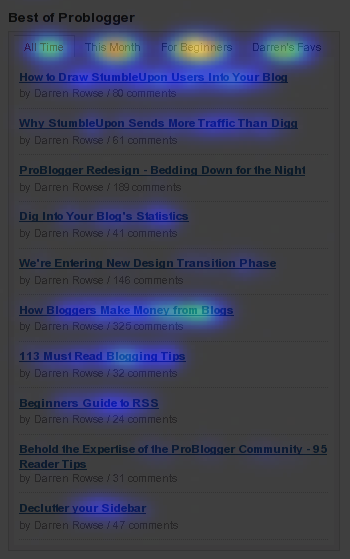
Complementary to "Sneeze Pages" are "Best Of" sections, often integrated into a blog’s homepage or sidebar. These sections explicitly curate and highlight the most popular or impactful posts. Heatmap analysis, a tool used to visualize user interaction on web pages, has shown these "Best Of" sections to be highly active engagement points. The data indicates a significant number of clicks, demonstrating reader interest in these curated collections. The implication is that directing readers to these proven content gems is a direct pathway to subscriber acquisition. The ProBlogger website, for example, has historically utilized such sections, with redesigns often focusing on further enhancing the visibility and thematic organization of these highlighted articles, a testament to their effectiveness in driving engagement and subscriptions.
First Impressions Matter: Landing Pages for New Visitors
For blogs with extensive archives, employing landing page strategies can be particularly impactful. Plugins designed for this purpose can detect when a new visitor arrives on a blog and, based on their search query or initial page of interest, present them with a curated selection of related posts. This approach is highly effective because:

- Comprehensive Information Delivery: Instead of a visitor seeing just one article on a topic they’re interested in, they are immediately exposed to multiple, high-quality posts. This creates a perception of the blog as a comprehensive and authoritative resource.
- Increased Engagement Potential: The more relevant and valuable content a new visitor encounters, the higher the likelihood they will spend more time on the site and explore further, increasing their potential to subscribe. This strategy directly addresses the challenge of initial discovery and engagement.
The Power of Internal Connection: Interlinking Posts
A fundamental yet often underutilized strategy is the consistent and strategic interlinking of posts within a blog. When writing new content, authors should make a conscious effort to reference and link to previous high-quality articles. This practice serves several critical functions:
- Reinforcing Quality: Each link to a well-received past post serves as a subtle endorsement of its quality and usefulness. This reinforces the reader’s positive impression of the blog.
- Driving Traffic to Evergreen Content: Interlinking effectively directs new readers towards the blog’s most valuable and enduring content. This ensures that the blog’s strongest pieces continue to be discovered and appreciated by a wider audience.
- Building Subscriber Momentum: The more individual posts a reader finds valuable, the stronger their incentive becomes to subscribe. Each positive interaction with the content contributes to a growing sense of trust and expectation for future contributions.
Data-Driven Insights into Reader Behavior
To underscore the efficacy of these strategies, consider the available data on user engagement. While specific statistics from the original source may be from an earlier period, the underlying principles of user behavior remain consistent. For example, studies on content consumption consistently show that users are more likely to engage with and subscribe to platforms that demonstrate a clear value proposition. A 2023 report by content marketing analytics firm Parse.ly indicated that articles with high reader engagement metrics (such as time on page and scroll depth) were significantly more likely to lead to user subscriptions across various publisher networks. This aligns with the assertion that showcasing quality content directly correlates with subscriber growth. Furthermore, research from Hubspot in 2022 revealed that websites with well-organized and easily discoverable archives experienced, on average, a 15% higher conversion rate for newsletter sign-ups compared to those with less structured content. This statistical backing reinforces the importance of strategic content visibility.
Beyond Content: Additional Elements of Anticipation
While highlighting past quality content is a powerful driver of anticipation, it is not the sole determinant of subscriber conversion. The effectiveness of showcasing your best work can be further amplified by other strategic considerations. These elements, when integrated thoughtfully, create a more robust and persuasive case for readers to commit to a blog’s ongoing content stream.
The Role of Teasing and Foreshadowing
Effective anticipation often involves strategically "teasing" upcoming content. This can be achieved through:
- In-Post Hints: Briefly mentioning an upcoming topic or a related piece of content that will be published soon within the current article. For example, a blogger writing about advanced SEO techniques might conclude by stating, "In our next post, we’ll delve into the nuances of voice search optimization, so be sure to subscribe to stay ahead of the curve."
- Social Media Campaigns: Utilizing social media platforms to hint at upcoming blog posts, share behind-the-scenes glimpses of content creation, or pose questions that will be answered in future articles. This can generate buzz and direct followers to the blog.
- Email Newsletter Previews: For existing email subscribers, providing exclusive sneak peeks or early access to information about upcoming blog posts can foster a sense of exclusivity and anticipation.
Building a Community of Engagement
Anticipation is not solely about the content itself, but also about the community that forms around it. Fostering a sense of belonging and shared interest can significantly enhance a reader’s desire to remain connected.
- Interactive Elements: Encouraging comments, hosting Q&A sessions, or creating forums where readers can interact with the blogger and each other can transform passive consumption into active participation. When readers feel heard and valued, they are more likely to anticipate future discussions and contributions.
- Reader Feedback Integration: Actively soliciting and incorporating reader feedback into future content demonstrates that the blog is responsive to its audience. This can lead to readers anticipating content that directly addresses their suggestions and needs.
The Promise of Continuous Improvement
A blog that is perceived to be evolving and improving is more likely to generate anticipation. This can be communicated through:
- Announcements of New Features or Series: Informing readers about upcoming series, new content formats, or website enhancements signals a commitment to providing fresh and engaging experiences.
- Reflecting on Past Successes and Future Goals: Periodically sharing insights into the blog’s journey, acknowledging milestones, and outlining future aspirations can build a narrative that readers want to be a part of. This transparency fosters a sense of shared purpose.
Establishing a Consistent Publishing Schedule
Predictability can be a powerful tool in building anticipation. When readers know when to expect new content, they can anticipate its arrival.
- Regular Publication Days: Committing to publishing new posts on specific days of the week (e.g., "New posts every Tuesday and Thursday") helps readers integrate the blog into their routine.
- Thematic Weeks or Months: Organizing content into themed series can create natural anticipation for the progression of topics. For example, a financial blog might dedicate a month to "Retirement Planning Essentials," with each week focusing on a different facet of the subject.
The overarching goal is to create a consistent stream of value, coupled with a compelling narrative of what’s to come. By combining the strategic showcasing of past achievements with forward-looking engagement tactics, bloggers can effectively cultivate a sense of anticipation that drives subscriptions and fosters a dedicated readership. The commitment to delivering quality, coupled with clear communication about future offerings, is the most potent formula for sustained blog success in a competitive digital environment.

