
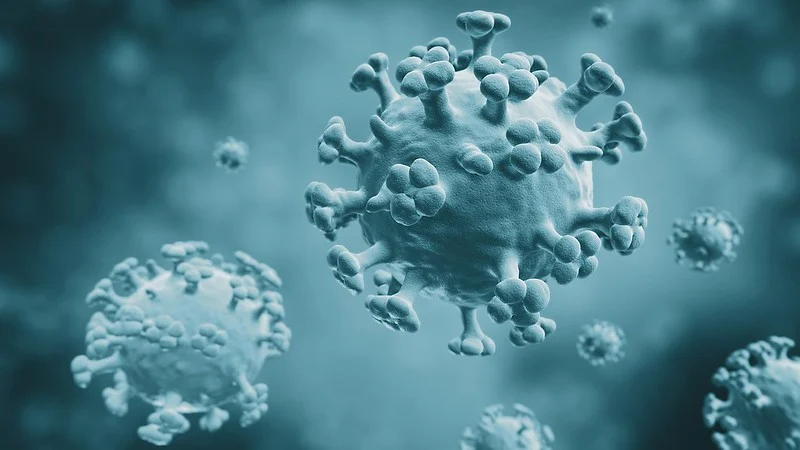
Pharmaceutical giant GSK has officially announced its intention to transition its experimental messenger RNA (mRNA) seasonal influenza vaccine into a pivotal Phase 3 clinical trial. This decision follows the release of positive Phase 2 data, which demonstrated that the vaccine candidate generated superior immune responses across all tested influenza strains when compared to currently available standard-of-care vaccines. The findings, which represent a significant milestone in GSK’s respiratory vaccine pipeline, were presented at the OPTIONS XIII Conference for the Control of Influenza in Washington, D.C. The data suggests that GSK’s dual-targeting approach—focusing on two key surface proteins of the virus rather than one—could provide a more robust shield against the seasonal flu, which continues to cause hundreds of thousands of deaths globally each year.
The upcoming Phase 3 trial, scheduled to commence later this month, will evaluate the efficacy, safety, and immunogenicity of the vaccine in a much larger population. This move places GSK in a high-stakes race to dominate the next generation of influenza immunization, a market currently undergoing a massive technological shift from traditional egg-based manufacturing to more agile, synthetic mRNA platforms.
The Science of Dual-Targeting: HA and NA Proteins
At the heart of GSK’s mRNA candidate is a strategic focus on two viral proteins: hemagglutinin (HA) and neuraminidase (NA). For decades, seasonal influenza vaccines have primarily targeted the HA protein. HA is found on the surface of the influenza virus and acts as the "key" that allows the virus to bind to and enter human cells. By inducing antibodies against HA, traditional vaccines aim to block the initial infection.
However, GSK is betting on a multivalent approach that also targets NA. While HA facilitates entry into cells, NA is an enzyme that allows newly formed virus particles to detach from an infected cell and spread to others. By targeting both proteins, GSK aims to not only prevent the initial infection but also limit the severity of the illness and reduce viral shedding if an infection does occur.
The company noted that there is a growing body of scientific evidence suggesting that "neuraminidase-broadening" could be the key to more durable and effective flu protection. Furthermore, GSK highlighted a specific need to improve immune responses against the influenza B strain. Current vaccines often struggle to provide high levels of protection against B strains, which can be particularly burdensome for pediatric populations and the elderly. GSK’s mRNA candidate includes an optimized sequence specifically designed to address this historical weakness in B-strain immunogenicity.
Phase 2 Clinical Trial Results and Demographics
The Phase 2 study was a randomized, controlled trial involving 971 healthy adults. The participants were divided into two cohorts: younger adults (aged 18 to 64) and older adults (aged 65 to 85). This demographic split is critical, as the elderly often exhibit "immunosenescence," a natural waning of the immune system that makes them more susceptible to severe flu complications and less responsive to traditional vaccines.
GSK tested two variations of its mRNA vaccine:
- FLUm3HA.b-3NA: This version encodes an optimized B-strain HA alongside the NA proteins.
- FLUm3HA-3NA: This version encodes a non-optimized B-strain HA.
According to the data presented in Washington, D.C., both vaccine candidates were well-tolerated and showed a safety profile consistent with other mRNA-based vaccines. Most importantly, both versions triggered robust immune responses against both Influenza A (H1N1 and H3N2) and Influenza B strains. The optimized candidate, FLUm3HA.b-3NA, showed particularly promising results in eliciting high antibody titers against the B-strain, leading GSK to select this specific formulation for the Phase 3 trial.
Sanjay Gurunathan, GSK’s Head of Vaccines and Infectious Diseases Research and Development, emphasized the potential of this technology. “These promising data support the potential to better protect people from flu with a vaccine designed to target both HA and NA,” Gurunathan stated. He noted that with approximately one billion cases of flu worldwide annually, the public health need for a more effective vaccine remains urgent.
The Evolution of Influenza Immunization
The transition to mRNA technology represents the most significant change in influenza vaccine development since the mid-20th century. Traditionally, flu vaccines are produced using fertilized chicken eggs, a process that takes six to nine months. This long lead time requires the World Health Organization (WHO) to predict which strains will be dominant nearly a year in advance. If the virus mutates during the manufacturing window—a phenomenon known as "egg adaptation"—the vaccine’s efficacy can drop significantly, sometimes falling below 40%.
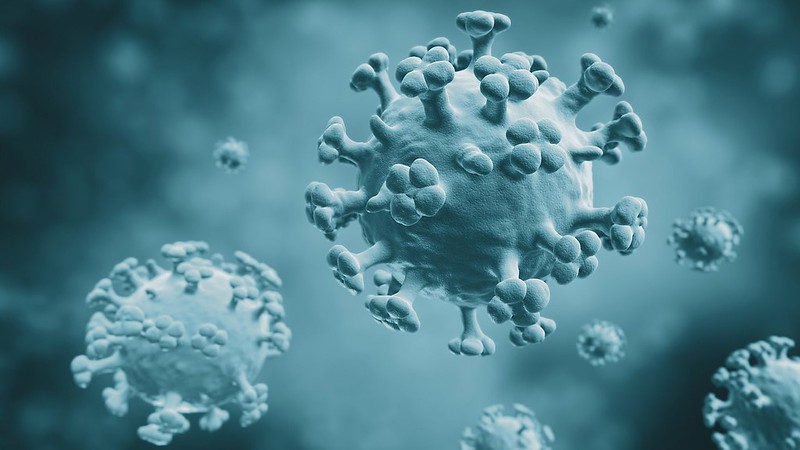
mRNA technology bypasses the need for eggs and live virus cultures. Instead, it uses a synthetic genetic code to instruct the body’s own cells to produce the viral proteins (HA and NA), which then trigger an immune response. This allows manufacturers to wait much longer before finalizing the vaccine composition, ensuring a better "match" with the circulating strains.
The success of mRNA vaccines during the COVID-19 pandemic proved the platform’s scalability and safety. GSK’s move into Phase 3 follows the recent regulatory success of its competitor, Moderna, which received FDA approval for mFLUSIVA in August. However, Moderna’s currently approved mRNA flu vaccine primarily targets the HA protein. GSK’s inclusion of NA-targeting components is intended to provide a competitive advantage in terms of overall efficacy and breadth of protection.
Strategic Acquisitions and the Competitive Landscape
GSK’s current momentum in the mRNA space is the result of a significant strategic pivot and a major acquisition. The mRNA vaccine candidates were originally developed in partnership with the German biotech firm CureVac. In mid-2024, GSK decided to take full control of the program, acquiring the global rights to CureVac’s infectious disease vaccine pipeline for an upfront payment of €400 million (approximately $431.4 million), with potential milestone payments reaching up to €1.05 billion.
This deal allowed GSK to integrate CureVac’s mRNA technology into its own world-class manufacturing and distribution infrastructure. For CureVac, the deal provided the capital necessary to pivot toward oncology and cancer vaccines. Following the deal, CureVac was subsequently acquired by BioNTech—the company that co-developed the Pfizer COVID-19 vaccine—in a $1.25 billion all-stock transaction.
The competition in the flu vaccine market is intensifying. Beyond GSK and Moderna, Pfizer is also developing its own mRNA flu candidate, and Sanofi, the current market leader in traditional flu vaccines, is investing heavily in mRNA research to protect its market share. GSK’s focus on the "NA" protein is a deliberate attempt to differentiate itself in a crowded field of high-tech competitors.
Global Burden and Public Health Implications
The stakes for a more effective flu vaccine are incredibly high. According to the WHO, seasonal influenza causes between 290,000 and 650,000 respiratory deaths each year. In the United States alone, the Centers for Disease Control and Prevention (CDC) estimates that influenza has resulted in between 9 million and 41 million illnesses annually over the last decade.
The economic impact is equally staggering. Flu seasons result in billions of dollars in lost productivity and healthcare costs. While existing vaccines are effective at reducing the risk of hospitalization and death, their overall efficacy varies wildly from year to year. Public health officials have long called for a "universal" flu vaccine or at least a "next-generation" vaccine that provides broader protection across different strains and seasons.
GSK’s Phase 3 trial will be a critical test of whether the mRNA platform can deliver on this promise. If the trial demonstrates that the dual-targeting of HA and NA proteins leads to fewer infections and milder cases compared to standard vaccines, it could lead to a shift in global immunization policy.
Chronology and Future Outlook
The timeline for GSK’s mRNA flu vaccine suggests a rapid path toward potential commercialization, provided the Phase 3 results meet the necessary endpoints.
- 2020–2023: GSK and CureVac collaborate on early-stage mRNA flu research, navigating the technical challenges of multivalent formulations.
- July 2024: GSK acquires full rights to the infectious disease program from CureVac for €400 million.
- September 2024: GSK presents positive Phase 2 data at the OPTIONS XIII Conference, showing superior immune response and acceptable safety.
- Late 2024 (Expected): Commencement of the Phase 3 pivotal trial. This trial will likely involve tens of thousands of participants globally.
- 2025–2026: If Phase 3 results are positive, GSK will likely seek regulatory approval from the FDA, EMA, and other global health authorities.
The upcoming Phase 3 trial will not only look at antibody levels (immunogenicity) but will also focus on "clinical efficacy"—the actual reduction in flu cases among vaccinated individuals compared to a control group. This is the "gold standard" for regulatory approval.
As respiratory virus season begins, the medical community will be watching GSK’s progress closely. The integration of mRNA technology into the seasonal flu market represents more than just a new product; it represents a fundamental shift in how the world prepares for and fights one of its most persistent and evolving viral threats. With the selection of its optimized B-strain candidate, GSK is moving forward with a specialized tool designed to close the gaps in current influenza protection, aiming to set a new standard for seasonal immunization.

