

This week’s installment of essential updates for e-commerce merchants features a robust collection of new services and significant platform upgrades designed to enhance efficiency, expand market reach, and leverage cutting-edge technology. From advanced AI-driven product discovery and automated listing generation to accelerated cross-border logistics and sophisticated customer engagement tools, the e-commerce landscape continues its rapid evolution. Merchants seeking to stay competitive will find valuable insights into the latest offerings in live shopping, e-commerce carts, fulfillment, social commerce, and autonomous marketing. For those with noteworthy product releases or service updates, direct your communications to [email protected].
E-commerce Platforms and Cart Enhancements
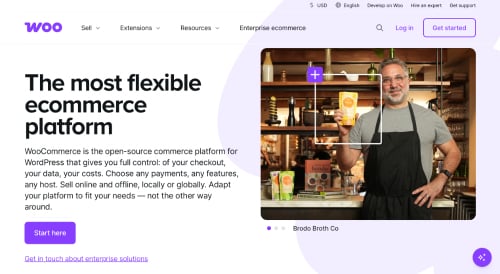
WooCommerce Unveils Version 11.0 with Performance and Recovery Focus
WooCommerce, a dominant force in the e-commerce platform market, has released version 11.0, bringing significant improvements to its core functionalities. This latest iteration prioritizes enhanced performance and more effective customer retention strategies. The update introduces optimizations to order screens, aiming to drastically reduce query times and eliminate frustrating timeouts or empty search results that can hinder merchant operations. For merchants, this translates to a more streamlined backend experience, allowing for quicker management of orders, especially for businesses with large inventories or high transaction volumes.
Crucially, WooCommerce 11.0 also enhances abandoned cart recovery mechanisms. The new Checkout Recovery feature enables sellers to rigorously test and refine their abandoned-cart messaging. By analyzing shopper responses to different communication strategies, merchants can gain deeper insights into why customers abandon their carts and develop more persuasive and effective follow-up campaigns. This feature is particularly vital as cart abandonment remains a persistent challenge in e-commerce, with industry reports consistently showing abandonment rates often exceeding 70%. Effective recovery strategies can directly impact revenue, turning potential losses into completed sales. The development of such features underscores WooCommerce’s commitment to providing robust tools for merchants of all sizes, aiming to reduce friction in the online buying process and boost conversion rates.
Adobe Commerce Integrates AI for Enhanced Product Discovery
Adobe Commerce, built upon the robust Magento framework, has introduced Catalog Agent, an innovative feature designed to revolutionize product discovery through artificial intelligence. This new capability significantly enriches product detail pages by generating structured product data, a critical component for modern search engines and AI-powered discovery systems. Catalog Agent leverages existing Adobe Commerce services, including product attributes, inventory levels, pricing, and established product relationships, to create a machine-readable layer.
This structured data is specifically designed to be understood by AI crawlers and Large Language Model (LLM)-powered discovery systems. In an era where AI is increasingly influencing how consumers find and interact with products, this integration is a strategic move by Adobe. It ensures that product information is not only accurate and comprehensive but also optimized for consumption by sophisticated AI algorithms. The implication for merchants using Adobe Commerce is a potential uplift in product visibility across various AI-driven channels, leading to increased organic discovery and, consequently, higher sales. This move aligns with the broader trend of AI integration across the e-commerce technology stack, aiming to create more intelligent and personalized shopping experiences.
Streamlining Logistics and Fulfillment
Cainiao Group Launches 3-Day Cross-Border E-commerce Delivery
Cainiao Group, the global logistics and supply chain arm of Alibaba, has launched an ambitious 3-day door-to-door parcel delivery service targeting cross-border e-commerce. This new service spans 15 key international trade lanes, aiming to significantly accelerate global e-commerce logistics. The speed and efficiency of this offering are made possible by Cainiao’s extensive and integrated global logistics network, which encompasses air cargo, ground transportation, customs clearance, and fulfillment operations.
The launch of a 3-day delivery window for international shipments is a significant development. Historically, cross-border deliveries have been hampered by longer transit times, complex customs procedures, and fragmented logistics chains. By consolidating these elements and leveraging advanced technology and infrastructure, Cainiao is setting a new benchmark for international shipping speeds. This will be particularly impactful for e-commerce businesses looking to expand their reach into new international markets without compromising on delivery experience. Faster delivery times can lead to increased customer satisfaction, reduced returns due to long waits, and a stronger competitive advantage against businesses relying on slower shipping methods. The service’s focus on direct-to-door delivery also simplifies the customer experience, eliminating the need for multiple handoffs and potential delays.
ShipBob Introduces Comprehensive AI Suite for Fulfillment Operations
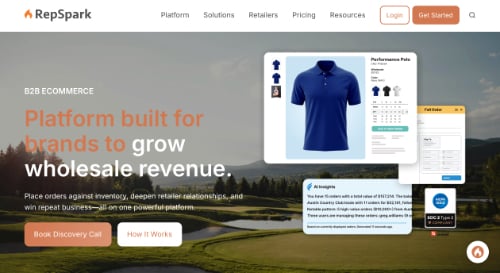
ShipBob, a prominent provider of e-commerce fulfillment services, has announced the integration of an Artificial Intelligence (AI) suite across its entire technology stack. This comprehensive AI integration spans from the software merchants utilize to manage their operations down to the robotic systems operating within ShipBob’s warehouses. The cornerstone of this AI suite is MCP (Merchant Control Panel), which acts as a central hub, connecting various AI tools directly to a merchant’s live operations.
This integration offers merchants flexibility in how they engage with AI. They can leverage connectors for popular AI tools like Claude or interact with "Bobby," ShipBob’s dedicated in-dashboard AI agent. The implications of this AI suite for fulfillment are far-reaching. It promises to enhance efficiency in warehouse management, optimize inventory allocation, improve order accuracy, and potentially provide predictive analytics for demand forecasting. For e-commerce merchants, this means a more intelligent and responsive fulfillment process. AI can help identify bottlenecks, automate routine tasks, and provide actionable insights that lead to cost savings and improved customer satisfaction. The move signifies a commitment to leveraging advanced technology to optimize the physical movement of goods, a critical component of the e-commerce customer journey.

Automated Content Creation and Product Listing
AI Bulk Listing Generator Automates Product Catalog Creation
The newly launched AI Bulk Listing Generator platform aims to revolutionize the way e-commerce sellers create product listings. This innovative tool automates the process of generating product descriptions, titles, and other essential listing details at scale. Instead of manual, time-consuming individual entries, users can import structured product information from spreadsheets and utilize the AI to generate content in bulk.
This service is particularly beneficial for businesses managing large and diverse product catalogs. The platform’s ability to accelerate catalog creation while maintaining consistent branding across thousands of items addresses a significant pain point for many growing e-commerce businesses. Support for a wide array of e-commerce platforms, including Shopify, WooCommerce, Etsy, Amazon, eBay, BigCommerce, and Wix, underscores its versatility and broad applicability. By automating repetitive tasks, sellers can reallocate valuable resources to strategic initiatives such as marketing, customer service, and product development, ultimately driving business growth. The consistent quality and branding achieved through AI can also enhance a merchant’s professional image and improve search engine visibility for their products.
Advanced AI and Agentic Commerce Solutions
Kibo Commerce Unifies Agentic Platform for Commerce Operations
Kibo Commerce, a developer of composable commerce and order management tools, has unveiled a significant iteration of its agentic AI platform. This new framework is designed to be model-agnostic, meaning it can connect with any large language model, offering unparalleled flexibility to its users. The platform is strategically organized around five core functions: configure, explain, analyze, engage, and optimize.
These five functions encompass a broad spectrum of use cases across both commerce operations and order management. For merchants, this translates to a more intelligent and automated approach to managing their entire e-commerce ecosystem. The "configure" function might assist in setting up product attributes or promotional rules, while "explain" could offer insights into customer behavior. "Analyze" can provide data-driven performance reports, "engage" might power advanced customer service chatbots, and "optimize" could suggest improvements to pricing, inventory, or marketing campaigns. This unified agentic approach promises to bring a new level of efficiency and intelligence to complex commerce workflows, enabling businesses to make more informed decisions and automate critical processes.
Adobe Launches Creative Plugin for ChatGPT
Adobe has introduced a new plugin for ChatGPT, aiming to bridge the gap between creative ideation and execution directly within the conversational AI interface. This plugin draws upon the vast capabilities of Adobe’s extensive suite of over 70 creative and productivity tools. The aim is to support a wide array of workflows, from sophisticated photo editing and video campaign creation to the design of marketing collateral and the generation of polished PDF documents.
Users can now activate the Adobe plugin within ChatGPT and describe their desired creative output. This integration allows for a more fluid and intuitive creative process, where users can leverage natural language prompts to initiate complex design tasks. For instance, a marketer could ask ChatGPT to "create a promotional video for our new product using Adobe Premiere Pro templates" or "design social media graphics for an upcoming sale using Adobe Photoshop." The implications for marketing and creative teams are substantial, potentially speeding up content production cycles, democratizing access to powerful creative tools, and fostering greater collaboration between ideation and execution phases. This move by Adobe highlights the growing trend of integrating specialized software functionalities into broader AI platforms, making advanced capabilities more accessible.
Rokt Introduces Brain V4 for Real-Time Checkout Decisioning
Rokt, a prominent player in post-purchase e-commerce solutions, has launched Brain V4, its latest AI engine designed for real-time decision-making during the checkout process. This advanced AI tool determines the specific content, offers, product recommendations, or experiences that a customer encounters at the critical checkout stage. Rokt Brain V4 synthesizes a vast array of real-time data, including consumer behavior, partner insights, advertiser information, creative assets, transaction history, and contextual data.
Leveraging sophisticated machine learning algorithms, auctions, ranking systems, and guardrails, the AI engine makes instantaneous decisions to personalize the checkout experience. For e-commerce merchants, this means the ability to dynamically present the most relevant offers and information to each customer at the point of purchase, thereby maximizing conversion opportunities and average order value. This real-time personalization can transform a standard checkout into a highly engaging and revenue-generating touchpoint, offering targeted upsells, cross-sells, or loyalty program incentives precisely when the customer is most receptive. The continuous refinement of such AI engines is crucial for maintaining a competitive edge in the increasingly personalized e-commerce landscape.
Social Commerce and Creator Economy Tools
Markable Enhances Social Commerce with AI-Powered Video Editing and 3D Visuals
Markable, a platform dedicated to empowering creators to discover and promote products, has introduced two significant new tools: an advanced AI-powered video editor and sophisticated 3D visual collages. The AI video editor allows creators to rapidly transform raw footage into shoppable videos. This includes automatic enhancements to creator appearance and backgrounds, as well as the generation of scripts and voiceovers, streamlining the video production process considerably.
The 3D visuals tool further leverages AI to convert product images into dynamic collages and highly realistic visual representations. These tools are designed to meet the growing demand for engaging and interactive content in social commerce. By enabling creators to produce higher-quality, more compelling content with greater efficiency, Markable is directly supporting the growth of the creator economy and the expansion of social commerce channels. The ability to create shoppable videos and visually appealing product showcases with AI assistance can significantly boost engagement, drive product discovery, and ultimately increase sales for both creators and the brands they represent.
Whatnot Secures $545 Million to Expand Live Shopping Platform
Whatnot, a leading live shopping platform, has successfully closed a substantial $545 million Series G funding round. The investment, spearheaded by prominent firms including ICONIQ, Lightspeed, and Avra, signals strong confidence in Whatnot’s business model and its future growth trajectory. The newly acquired capital is earmarked for strategic initiatives aimed at enhancing the platform’s capabilities, including the development of new seller tools, expanded utilization of artificial intelligence, and broader market expansion.
This significant funding injection comes at a time when live shopping is experiencing a surge in popularity, particularly among younger demographics. Whatnot has reported impressive growth, with its gross merchandise volume in August 2026 reportedly eclipsing its total for the entire year of 2025. The platform’s focus on curated live shopping experiences, often centered around collectibles and niche communities, has resonated strongly with consumers. The planned investments in seller tools and AI are expected to further empower creators and businesses on the platform, leading to more engaging and effective live selling events. Market expansion will likely see Whatnot reaching new geographic regions and consumer segments, solidifying its position as a key player in the evolving e-commerce landscape.
Customer Engagement and Marketing Automation
Minty Launches Shopify App to Connect Shoppers with Cashback Offers
Minty, an AI-driven tool that provides shoppers with cashback and rewards, has launched a dedicated Shopify app. This new integration allows merchants to seamlessly connect their Shopify stores to Minty’s network of shoppers. Minty’s core functionality is to surface cashback offers at the precise moment of purchase intent, across various touchpoints including AI chats, mobile applications, and web browsers (Chrome and Safari).
The new Shopify app specifically addresses the challenge of customers who visit a store but leave without making a purchase. By connecting to Minty, these merchants can now engage with these previously lost potential customers by offering incentives that encourage a return visit and completion of a sale. This feature is particularly valuable for increasing conversion rates and customer lifetime value. It represents a smart integration of AI-powered reward systems with established e-commerce platforms, creating a win-win scenario for both merchants seeking to boost sales and consumers looking for better value. The app’s ability to target shoppers at the point of purchase intent further enhances its effectiveness, making it a powerful tool for customer acquisition and retention.
Knowband Enhances PrestaShop with Customer Engagement and SEO Tools
Knowband, a developer of e-commerce plugins, has expanded its suite of offerings for PrestaShop merchants with three new tools designed to bolster customer engagement and improve search engine optimization (SEO). The Form Studio allows store owners to create an unlimited number of custom forms, including contact forms, feedback surveys, and general inquiry forms, facilitating better communication and data collection.
The WhatsApp CRM Module provides a direct link between a PrestaShop store and the WhatsApp Business API. This integration enables automated order confirmations, real-time status updates, and the deployment of a storefront chat widget, enhancing customer communication and support. Furthermore, Knowband’s new Blog Module offers a robust publishing system optimized for search engines, allowing merchants to create and manage content that can attract organic traffic and improve their site’s visibility. These additions underscore Knowband’s commitment to providing comprehensive solutions for PrestaShop users, addressing critical areas like customer interaction, support, and online discoverability, all vital components for sustained e-commerce success.
Wunderkind Partners with Cordial for Autonomous Marketing and Cross-Channel Engagement
Wunderkind, a platform focused on transforming anonymous website traffic into identifiable revenue, has announced a strategic partnership with Cordial, a cross-channel messaging specialist. This collaboration aims to integrate autonomous marketing capabilities with advanced cross-channel customer engagement strategies. By combining Wunderkind’s proprietary identity graph and AI-driven decision-making for unknown traffic with Cordial’s robust orchestration and AI predictive models, brands can significantly expand their audience reach within their existing marketing workflows.
This partnership is poised to enhance the effectiveness of marketing campaigns by enabling a more unified and intelligent approach to customer communication. Wunderkind’s ability to identify and understand anonymous visitors allows for more targeted outreach, while Cordial’s platform facilitates the delivery of personalized messages across various channels, including email, SMS, and push notifications. The integration of AI across both platforms ensures that these communications are not only timely and relevant but also optimized for maximum impact. For businesses, this means a more streamlined and efficient marketing operation, capable of converting more prospects into loyal customers through sophisticated, data-driven engagement strategies.
Wayy.ai Raises $2 Million and Launches AI Co-Founder for Sales Automation
Wayy.ai has successfully secured $2 million in pre-seed funding, with Zero to One Ventures leading the investment round. Concurrent with this funding announcement, the company has launched an innovative tool designed to act as a virtual salesperson, particularly for solopreneurs and small business owners. This AI-powered solution automates critical sales workflows, including prospect identification and outreach to potential investors and partners.
The core value proposition of Wayy.ai is to liberate founders from the time-consuming tasks associated with sales and business development, allowing them to concentrate on core product and service creation. The AI "co-founder" handles the complexities of lead generation and initial engagement, enabling businesses to scale their sales efforts without a proportional increase in human resources. The $2 million in funding will be strategically deployed to expand Wayy.ai’s sales team and accelerate its product development roadmap. This initiative reflects a growing trend in the startup ecosystem where AI is being leveraged to provide essential business functions, making entrepreneurship more accessible and efficient.
Eyeota and Zeotap Data Integrate Audience Solutions into Amazon DSP
Eyeota, a global audience data service, and Zeotap Data, a provider of identity and data tools, have announced a strategic partnership to integrate Eyeota’s extensive global audience ecosystem into Amazon DSP (Demand-Side Platform). This integration will provide advertisers with enhanced capabilities to reach qualified audiences across Amazon’s various platforms, including Prime Video and Twitch, in a privacy-compliant manner.
The partnership leverages intent, interest, and behavioral signals to enable advertisers to target specific consumer segments with greater precision. In an evolving privacy landscape, the ability to access and utilize high-quality audience data within major advertising platforms like Amazon DSP is crucial. This collaboration offers advertisers a more robust and privacy-conscious method for reaching their target customers across a wide range of digital touchpoints. By making Eyeota’s comprehensive audience data available through Amazon DSP, the integration aims to improve campaign performance, increase return on ad spend, and facilitate more effective customer acquisition strategies for businesses advertising on the Amazon ecosystem.
Enhancing E-commerce Listings and Cart Recovery
WooCommerce 11.0 Improves Order Management and Checkout Recovery
As detailed earlier, WooCommerce’s latest release, version 11.0, brings significant enhancements to order management and abandoned cart recovery. The optimizations to order screens directly address the performance bottlenecks that can plague e-commerce businesses with large order volumes. Faster query times mean that merchants can access and manage their order data more efficiently, reducing the time spent on administrative tasks.
The Checkout Recovery feature is particularly noteworthy. By allowing merchants to A/B test different abandoned cart messaging strategies, businesses can gain valuable data-driven insights into what resonates best with their customer base. This iterative approach to refining recovery campaigns can lead to a substantial increase in recovered sales, directly impacting the bottom line. Given that cart abandonment is a persistent challenge, any tool that empowers merchants to better understand and address its causes is invaluable. WooCommerce 11.0’s focus on these critical areas demonstrates its continued commitment to providing a robust and user-friendly platform for online retailers.
Adobe Commerce Introduces Catalog Agent for AI-Powered Product Discovery
The integration of Catalog Agent into Adobe Commerce marks a significant step forward in leveraging AI for product discoverability. By enriching product detail pages with structured data, Adobe Commerce is making products more accessible to AI crawlers and LLM-powered discovery systems. This is critical in an era where AI is increasingly becoming the primary interface through which consumers search for and find products.
The ability of Catalog Agent to utilize existing product attributes, inventory, and pricing information means that merchants can benefit from AI-driven discovery without extensive manual data preparation. This structured, machine-readable layer ensures that product information is presented in a way that AI can effectively interpret and utilize. For Adobe Commerce users, this translates to a potential increase in organic visibility across various AI-driven search environments, leading to more qualified traffic and higher conversion rates. The proactive approach by Adobe to optimize product data for AI consumption positions its users favorably in the evolving digital marketplace.
Global Logistics and Fulfillment Innovations
Cainiao Group’s 3-Day Cross-Border Delivery Sets New Pace
Cainiao Group’s launch of a 3-day door-to-door parcel delivery service across 15 international trade lanes represents a monumental shift in global e-commerce logistics. The speed and efficiency of this service are underpinned by Cainiao’s extensive global logistics network, which has been meticulously built to integrate air cargo, ground transportation, customs clearance, and fulfillment.
The implications of such rapid cross-border delivery are profound. For e-commerce businesses, it means the ability to offer a competitive delivery experience to international customers, potentially rivaling domestic shipping times. This can significantly boost customer satisfaction, reduce cart abandonment due to long delivery expectations, and open up new market opportunities previously constrained by logistical limitations. The service’s door-to-door approach further simplifies the customer journey, minimizing the complexities often associated with international shipping. Cainiao’s investment in this infrastructure signals a strong commitment to facilitating global e-commerce, making it more accessible and efficient for businesses worldwide.
ShipBob’s AI Suite Promises Smarter, More Efficient Fulfillment
ShipBob’s comprehensive integration of an AI suite across its technology stack, from merchant software to warehouse robotics, signals a significant advancement in e-commerce fulfillment. The Merchant Control Panel (MCP) serves as the central nervous system, connecting AI tools directly to live operations. This allows for dynamic adjustments and intelligent automation throughout the fulfillment process.
The benefits for merchants are manifold. AI can optimize inventory placement to reduce shipping times and costs, improve picking and packing accuracy through robotic assistance, and provide predictive insights into demand fluctuations, enabling better stock management. Furthermore, AI can enhance customer service by automating responses to common inquiries about order status or shipping. By embedding AI throughout its operations, ShipBob is positioning itself as a leader in intelligent fulfillment, offering its clients a more efficient, cost-effective, and responsive supply chain solution that can adapt to the dynamic demands of the e-commerce market.
Automated Content and Listing Generation
AI Bulk Listing Generator: Accelerating Product Catalog Creation
The introduction of the AI Bulk Listing Generator platform addresses a critical bottleneck for many e-commerce businesses: the creation and management of product listings. By enabling users to import structured product data and generate descriptions, titles, and other listing elements in bulk, the platform significantly accelerates catalog expansion and maintenance.
This is particularly impactful for businesses that frequently update their product offerings or launch new lines. The AI’s ability to maintain consistent branding across thousands of items ensures a professional and cohesive online presence, which is crucial for brand perception and customer trust. Support for a wide range of e-commerce ecosystems, including major platforms like Shopify, WooCommerce, and Amazon, makes this tool broadly applicable. The time saved on manual listing creation can be reinvested in more strategic business activities, such as marketing, customer relationship management, and product development, thereby driving overall business growth and efficiency.
Evolving AI and Agentic Commerce
Kibo Commerce’s Unified Agentic Platform: A New Era of Commerce Intelligence
Kibo Commerce’s latest iteration of its agentic AI platform represents a significant leap towards intelligent commerce operations. The model-agnostic framework, capable of connecting with any large language model, offers unparalleled flexibility. Its organization around five core functions—configure, explain, analyze, engage, and optimize—provides a comprehensive suite of AI capabilities for managing complex commerce workflows.
For e-commerce businesses, this unified platform promises to streamline operations, enhance decision-making, and automate critical processes. The "configure" function can automate the setup of product catalogs or promotional campaigns, while "explain" can offer deep insights into customer behavior and market trends. "Analyze" provides data-driven performance reports, "engage" powers sophisticated customer interactions, and "optimize" suggests strategic improvements across various business functions. This integrated approach to agentic AI can lead to substantial gains in efficiency, cost reduction, and improved customer experiences, positioning businesses for greater success in an increasingly competitive market.
Adobe’s ChatGPT Plugin: Bridging Creativity and Conversational AI
The introduction of Adobe’s creativity and productivity plugin for ChatGPT marks a pivotal moment in the integration of specialized creative tools with conversational AI. By enabling users to describe their desired creative output using natural language, the plugin unlocks the power of over 70 Adobe tools within the ChatGPT interface.
This integration dramatically lowers the barrier to entry for complex creative tasks. Marketers, designers, and content creators can now initiate photo editing, video creation, graphic design, and PDF generation directly through chat prompts. This streamlined workflow can significantly accelerate content production cycles, foster greater collaboration, and allow for more iterative and experimental creative processes. The ability to generate polished marketing assets and campaign materials with unprecedented ease and speed can provide businesses with a significant competitive advantage, allowing them to respond more rapidly to market demands and communicate their brand message more effectively.
Rokt Brain V4: Real-Time Personalization at Checkout
Rokt’s launch of Brain V4, an AI engine for real-time checkout decisioning, underscores the growing importance of personalized experiences at the point of purchase. By analyzing a vast array of customer, partner, advertiser, and contextual data in real time, the AI engine dynamically tailors the checkout experience for each individual shopper.

This dynamic personalization can involve presenting highly relevant offers, product recommendations, or loyalty program incentives precisely when the customer is most receptive. For e-commerce merchants, this translates to a powerful tool for maximizing conversion rates, increasing average order value, and enhancing customer loyalty. By transforming the checkout from a transactional necessity into an engaging touchpoint, Rokt Brain V4 enables businesses to create more value from every customer interaction. The continuous learning and adaptation of the AI engine ensure that these personalized experiences remain effective and relevant over time, contributing to sustained revenue growth and improved customer satisfaction.
Social Commerce and Creator Economy Advancements
Markable’s AI Tools Empower Social Commerce Creators
Markable’s latest advancements in social commerce, including an AI-powered video editor and 3D visual collages, are set to significantly empower creators. The AI video editor’s ability to automatically enhance visuals, generate scripts, and create shoppable videos directly addresses the time and resource constraints faced by many content creators.
Similarly, the 3D visual collage tool leverages AI to transform product images into engaging and realistic visual assets. These tools are crucial for meeting the increasing demand for dynamic and interactive content within social commerce environments. By enabling creators to produce higher-quality, more compelling shoppable content with greater efficiency, Markable is fostering a more robust creator economy. This, in turn, drives greater product discovery and sales for the brands that creators promote, solidifying social commerce as a vital channel for e-commerce businesses.
Whatnot’s $545 Million Funding Fuels Live Shopping Platform Expansion
The substantial $545 million Series G funding secured by Whatnot signals a significant inflection point for the live shopping platform. The capital infusion is earmarked for critical growth initiatives, including the development of enhanced seller tools, expanded utilization of artificial intelligence, and broader market expansion.
This investment highlights the immense potential and growing popularity of live shopping. Whatnot’s reported success in exceeding its 2025 gross merchandise volume in August 2026 demonstrates its rapid ascent. The planned enhancements to seller tools are expected to further empower creators and businesses on the platform, leading to more engaging and effective live selling events. The strategic deployment of AI will likely focus on improving personalization, recommendation engines, and overall user experience. As Whatnot expands into new markets, it is poised to capture a larger share of the burgeoning live shopping sector, setting new benchmarks for interactive retail.
Conclusion
The continuous stream of innovation in the e-commerce sector underscores the dynamic nature of online retail. From foundational platform upgrades and AI-driven enhancements to logistical breakthroughs and tools that empower creators, merchants have an ever-expanding arsenal of resources at their disposal. Staying abreast of these developments is not merely about adopting new technologies; it is about strategically leveraging them to enhance customer experience, optimize operations, and drive sustainable growth in an increasingly competitive global marketplace. The emphasis on AI, automation, and personalized customer engagement across these new services indicates a clear trajectory towards a more intelligent and efficient future for e-commerce.

