
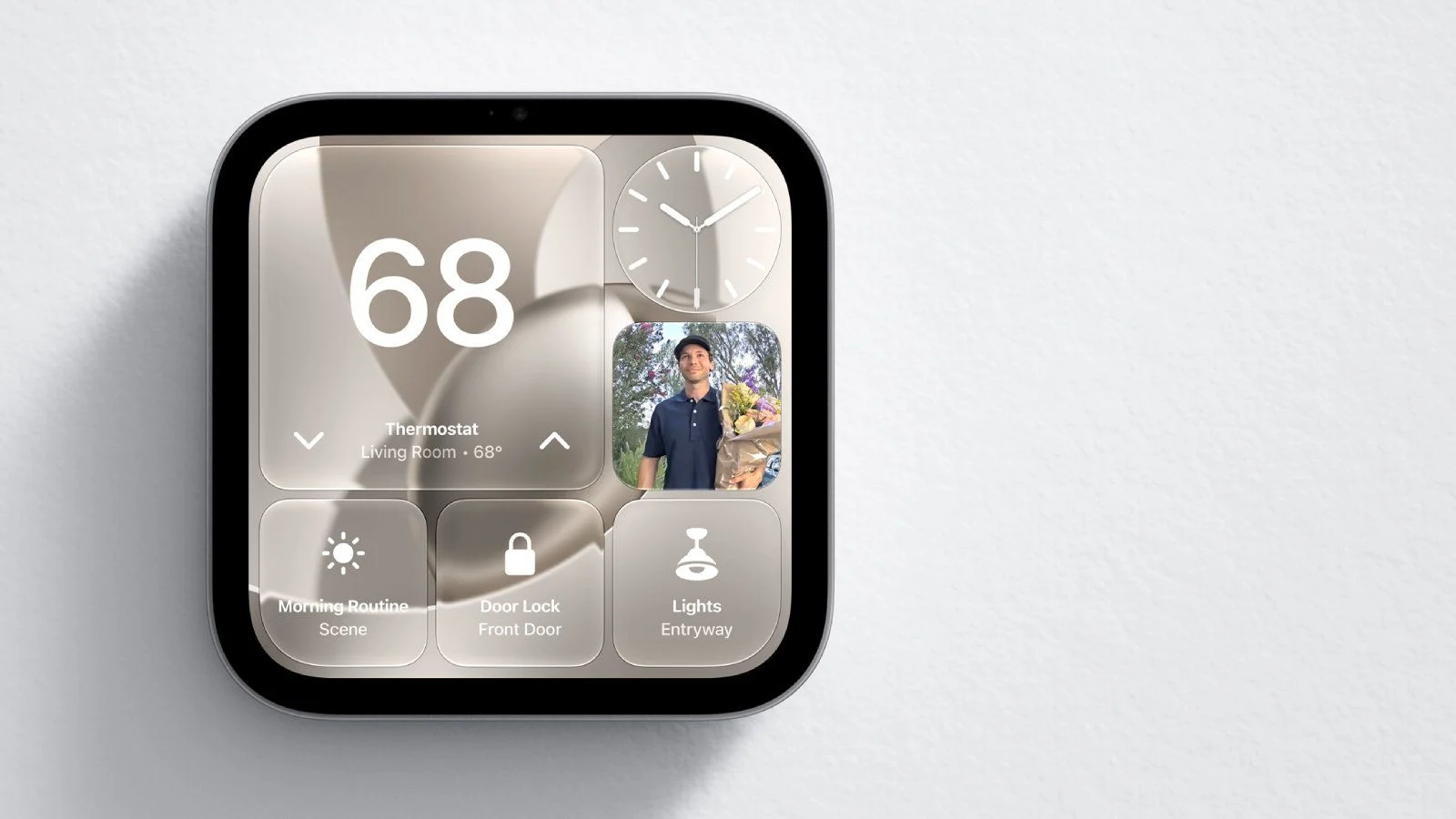
Apple has officially partnered with ADT, the prominent home security and smart home solutions provider, to offer professional installation services for its new wall-mounted HomeView hub and a range of Apple Home Collection accessories. This strategic collaboration, set to commence this autumn across most of the United States, signifies a significant step for Apple in expanding its smart home ecosystem by ensuring seamless integration and professional setup for consumers, particularly for its more complex, hardwired installations. The arrangement confirms earlier speculation about a potential tie-up between the two tech giants, which first surfaced on October 10th, just three days prior to Apple’s unveiling of the HomeView hub and its accompanying suite of third-party smart home devices.
The scope of the ADT installation service extends beyond the HomeView hub itself. Technicians will also be equipped to install Apple Home Collection accessories manufactured by LG and Schneider Home, as well as other compatible smart home products. This comprehensive offering aims to simplify the adoption of sophisticated smart home technology for a wider consumer base. Apple’s website outlines that these services will be available in "most areas" of the US, suggesting a phased rollout or geographical limitations that will be detailed further by ADT.
For consumers looking to integrate smart home technology, the HomeView hub plays a crucial role. Similar to Apple’s existing HomePod, HomePod mini, and Apple TV 4K devices, the HomeView hub acts as a central controller for the Apple HomeKit ecosystem. This means that LG’s smart accessories, which are designed to work in conjunction with an Apple home hub, will now have another dedicated device to rely on. The HomeView hub, particularly its wall-mounted variant, introduces a new form factor to Apple’s smart home offerings, emphasizing a more integrated and permanent fixture within the home environment.
This partnership with ADT is not unprecedented for major technology companies venturing into the smart home installation space. ADT has a well-established history of providing professional installation services for smart home devices. Notably, since a 2020 collaboration that saw Google acquire a stake in the US security company, ADT technicians have been installing Google Nest cameras, doorbells, and thermostats. This existing expertise and infrastructure make ADT a natural fit for Apple’s ambitious smart home rollout.
The introduction of a wall-mounted hub by Apple, supported by professional installation, addresses a key differentiator in the smart display market. Unlike most smart displays from Amazon and Google, which are designed to sit on shelves or countertops and typically require no mounting, Apple’s wall-mounted HomeView offers a more integrated aesthetic. This approach necessitates drilling and bracket fitting, a process that can be a barrier for many consumers. By enlisting ADT, Apple is providing a solution that bypasses these potential installation hurdles, making its wall-mounted hub a more accessible option.
Wall Mounting: Design and Installation Flexibility
The HomeView hub, available in both tabletop and wall-mounted versions, features a 7-inch display. The wall-mounted model is offered in Apple’s signature finishes: Space Grey and Silver, mirroring the color palettes used across its popular Mac and iPad product lines. The design incorporates discreet speaker holes along its bottom edge, suggesting an emphasis on audio quality as well as visual interface.
For the wall-mounted HomeView, three specialized mounting brackets developed by Schneider Home are available. These brackets are designed to securely attach the hub to a wall, providing a clean and integrated look. Consumers have the option to either install these brackets themselves, a task that may appeal to DIY enthusiasts, or to opt for professional installation by ADT technicians for an additional fee. This dual approach offers flexibility to cater to different consumer preferences and skill sets.
The tabletop version of the HomeView hub, by contrast, requires no physical installation, making it a plug-and-play device. Consequently, ADT’s primary focus for Apple installations will be on the wall-mounted HomeView hub and other hardwired smart home devices. This includes components like wired video doorbells and smart deadbolts, which inherently require drilling into walls and electrical wiring for proper function and integration. ADT’s expertise in handling such tasks is a critical asset in this partnership.
Pricing and US Availability: A Glimpse into the Market
Both the tabletop and wall-mounted versions of the HomeView hub are priced at $299 in the United States. This pricing positions the HomeView hub competitively within the smart display and smart home controller market. However, Apple has yet to confirm pricing for the UK market or whether the ADT installation service will be extended beyond the United States. This suggests that the initial launch and service rollout will be US-centric, with potential for international expansion based on the success and demand in the American market.
Apple has indicated that ADT installation services for the HomeView hub will commence in the US this autumn, though a specific launch date has not yet been announced. Further details regarding the service, including scheduling and service area specifics, are being made available through ADT’s dedicated installation website. This allows potential customers to proactively research and prepare for the service’s availability in their region.
Broader Context: The Evolving Smart Home Landscape
The partnership between Apple and ADT underscores a significant trend in the consumer electronics and home security industries: the increasing convergence of smart technology and professional services. As smart home devices become more sophisticated and integrated, the need for seamless installation and reliable support grows. For consumers, this can translate to a more positive and less frustrating experience with adopting new technologies.
The smart home market has seen substantial growth over the past decade. According to Statista, the global smart home market revenue is projected to reach $216.6 billion by 2027, with a significant portion of this growth driven by smart speakers, home security systems, and smart appliances. Apple’s entry into this space with a dedicated hub and a professional installation service indicates its commitment to capturing a larger share of this expanding market.
Apple’s approach with HomeView, particularly the wall-mounted option, suggests a focus on creating a more permanent and integrated smart home experience. Unlike portable smart speakers or countertop displays, a wall-mounted hub can serve as a central control panel, akin to a digital dashboard for the home. This aligns with a vision of smart homes that are not just connected, but also aesthetically pleasing and intuitively managed.
The collaboration with ADT also highlights the strategic importance of partnerships for technology companies. By leveraging ADT’s existing customer base, technical expertise, and nationwide service network, Apple can accelerate its market penetration and reach consumers who might otherwise be hesitant to undertake complex installations themselves. This also provides ADT with a new revenue stream and strengthens its position as a comprehensive smart home solutions provider.
Implications for Consumers and the Market
For consumers, the Apple-ADT partnership offers several key benefits:
- Simplified Installation: The primary advantage is the removal of installation barriers. Consumers can have their HomeView hub and compatible accessories professionally installed, ensuring correct setup and optimal performance without the need for specialized tools or technical knowledge.
- Enhanced Reliability: Professional installation often leads to more reliable system performance. Technicians can identify potential issues during setup and ensure all components are correctly connected and configured, reducing the likelihood of future problems.
- Integrated Ecosystem: The service facilitates the seamless integration of Apple HomeKit devices, allowing users to fully leverage the ecosystem’s capabilities for automation and control.
- Peace of Mind: For many, especially those less tech-savvy, the assurance of professional installation by a reputable company like ADT provides significant peace of mind.
The implications for the broader smart home market are also noteworthy:
- Raising the Bar for Installation Services: Apple and ADT’s collaboration sets a new standard for how smart home devices are offered and installed. This could pressure other manufacturers and service providers to enhance their own installation offerings.
- Increased Adoption of Integrated Smart Homes: By making installation easier, Apple’s initiative may encourage more consumers to invest in a fully integrated smart home system, rather than just purchasing individual devices.
- Competition in the Smart Display Market: The HomeView hub, with its focus on professional installation and integration within the Apple ecosystem, provides a distinct alternative to existing smart displays, potentially intensifying competition.
- The Role of Security Companies: This partnership further solidifies the role of traditional security companies like ADT as crucial intermediaries and service providers in the burgeoning smart home industry. Their ability to handle both security and smart home installations positions them as key players in this evolving landscape.
Future Outlook
The success of this partnership will likely depend on several factors, including the pricing of installation services, the geographical reach of ADT’s technicians, and the overall consumer reception to the HomeView hub and its accompanying accessories. If the initiative proves successful, it could pave the way for further collaborations between major tech companies and established service providers, reshaping how consumers interact with and install smart home technology in the future. Apple’s continued investment in its smart home ecosystem, coupled with its strategic alliances, indicates a long-term commitment to becoming a dominant force in this rapidly expanding sector. The move towards professional installation for its more integrated hardware signals a maturity in Apple’s smart home strategy, aiming for a more robust and user-friendly experience for its customers.

